










You may notice a few shiny, upright shoots appearing in your lawn after warm weather or heavy rainfall. Within days, they can grow several inches taller than the surrounding grass and quickly reappear after mowing. This repeated growth may indicate that you are dealing with nutsedge, which has underground tubers, rather than an ordinary broadleaf weed or crabgrass.
Because nutsedge can look similar to certain lawn grasses, using the wrong treatment may not solve the problem. Yellow and purple nutsedge also have different identifying features, and not every herbicide is safe for every grass type. This guide explains how to get rid of nutgrass in your lawn, from identifying the plant to choosing a treatment and preventing regrowth.
How Do You Identify Nutgrass in Your Lawn?
Nutgrass is a type of sedge rather than a true grass. Its triangular stems and distinctive seedheads are among the easiest ways to identify it. The table below compares yellow and purple nutsedge with other plants that may look similar in your lawn.
Plant | Visible Clues | What to Check |
|---|---|---|
Yellow nutsedge (Cyperus esculentus) | Bright yellow-green, glossy leaves, upright triangular stems, and yellow-brown seedheads | Often grows faster and taller than surrounding grass; underground tubers may develop later in the growing season |
Purple nutsedge (Cyperus rotundus) | Darker green leaves, triangular stems, and reddish-purple to brown seedheads | Tubers can develop in chains along underground rhizomes, making established patches difficult to control |
Crabgrass | Low-growing annual grass with stems spreading outward from a central point | Flatter leaf blades and no triangular sedge stems |
Tall fescue or other coarse turfgrass | Forms grass-like clumps with stems and seedheads, often similar in color to the surrounding lawn | Check for the three-sided stem and distinctive growth pattern of nutsedge |
If you are still unsure, take clear photos showing the entire plant, the base of its leaves, stem, and seedhead. A local Extension office or qualified lawn professional can help confirm the identification. This is important because applying the wrong herbicide may damage healthy grass without controlling the nutsedge.
Which Nutgrass Treatment Should You Choose?
The best way to control nutgrass depends on how many plants are growing, how mature they are, and the type of grass in your lawn. Small patches of young plants may be suitable for hand removal, while established infestations often require a selective herbicide specifically labeled for nutsedge and your turfgrass.
Hand Removal for a Few Young Plants
Removing nutgrass by hand is most practical when only a few young plants are present. It is easier to remove their underground parts when the soil is moist, so try to work soon after the shoots appear in spring, before tubers mature later in the growing season. Use a narrow weeding tool to loosen the soil around each plant, then carefully lift the shoots along with as much of the underground system as possible.
Simply pulling off the leaves will not solve the problem because nutsedge can grow back from underground rhizomes and tubers. Even broken pieces left in the soil may produce new shoots. Avoid using a rototiller on large patches, as it can spread these underground structures into unaffected soil. Instead, collect the removed plants and place them in a bag rather than leaving them on the lawn.
Selective Products Labeled for Nutsedge
Established nutgrass patches may require a selective post-emergent herbicide for more reliable control. Some products used on U.S. lawns contain active ingredients such as halosulfuron or sulfentrazone. However, application rates, timing, and suitable grass types vary between products. Before choosing one, check that its label specifically lists the nutsedge species and the type of lawn grass you have.
Timing is also important because nutsedge treatments generally work best when the leaves are visible and actively growing. Penn State Extension identifies the 3- to 8-leaf stage as a useful treatment window for yellow nutsedge, before its tubers mature in mid to late summer. Some products affect the leaves quickly, while systemic herbicides may take several weeks to show their full results. Therefore, do not assume a treatment has failed simply because the weeds remain visible after a few days.
How Do You Get Rid of Nutgrass Step by Step?
Controlling nutgrass begins with selecting the treatment that matches your lawn's condition. Hand removal and herbicide application are separate options, so you do not necessarily need to use both. Follow the steps below according to your chosen method.
Step 1. Mark the Affected Patches
Begin by walking around your lawn and identifying each area where nutgrass is growing. Mark the patches with small flags or record their locations on a simple yard map. Pay attention to whether they appear in low, wet spots, near sprinkler heads, or along drainage routes. This makes it easier to check the same areas for new growth later. Avoid mowing immediately before identification, as the full leaves and stems can help you confirm the plant.
Step 2. Prepare for the Chosen Treatment
Preparation depends on whether you are removing the plants by hand or using an herbicide. For hand removal, lightly water hard, dry soil the day before so the underground parts are easier to lift without breaking. When using an herbicide, check the label for grass compatibility, protective equipment, weather conditions, mixing instructions, and mowing or watering restrictions. Penn State notes that some nutsedge herbicides may work better when mowing is paused for 2 to 3 days before and after treatment. Always follow the product label if it specifies a different interval.
Step 3. Treat the Nutgrass Patches
For small patches, carefully loosen the soil around each plant and remove as much of its underground structure as possible without spreading soil across the lawn. Larger patches may require applying a selective herbicide at the labeled rate and recommended growth stage. Aim the spray at the leaves rather than soaking the soil, and do not mix herbicides or add a surfactant unless the label permits it. Some products allow a second application, but the required waiting period and maximum number of yearly treatments depend on the specific product.
Step 4. Dispose of Removed Plant Material
After removing nutgrass, collect the shoots, tubers, and any soil clumps containing plant fragments in a bag. Avoid placing mature plants or tubers in a cool home compost pile, where they may survive. Follow local yard-waste disposal rules for invasive weeds, and clean your tools before using them in other areas of your property to avoid spreading nutsedge.
Step 5. Inspect for Regrowth
Check the marked areas every 1 to 2 weeks while nutsedge is actively growing. New shoots may appear even after hand removal or an initial herbicide application because underground tubers or rhizomes can remain in the soil. If additional herbicide treatment is needed, apply it only when the label allows and record each application date to avoid exceeding the yearly limit. Continue checking throughout the warm growing season, particularly after heavy rainfall or irrigation.
How Can You Keep Nutgrass From Returning?
Preventing nutgrass from spreading again requires improving the conditions that help your lawn compete with it. Since nutsedge often thrives in wet soil and thin grass, keeping your lawn dense while reducing excess moisture can support long-term control. Focus on the following practices after treatment.
- Fix wet areas. Repair leaking sprinkler heads, adjust watering schedules, and improve drainage wherever water collects.
- Maintain dense turf. Mow at the recommended height, avoid cutting grass too short, and apply fertilizer according to soil test results.
- Use clean repair materials. Check soil and sod for nutsedge tubers, and clean tools before moving them into unaffected areas.
- Revisit treated patches. Inspect the same locations every 1 to 2 weeks during active growth, especially after heavy rain or changes to your irrigation routine.
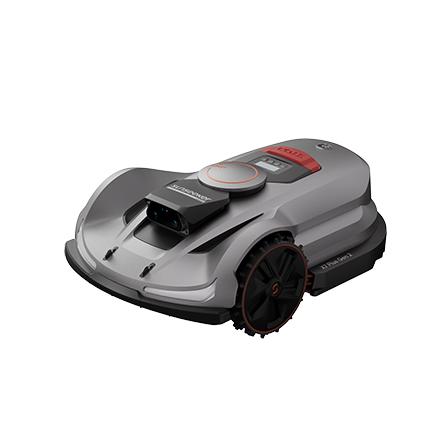
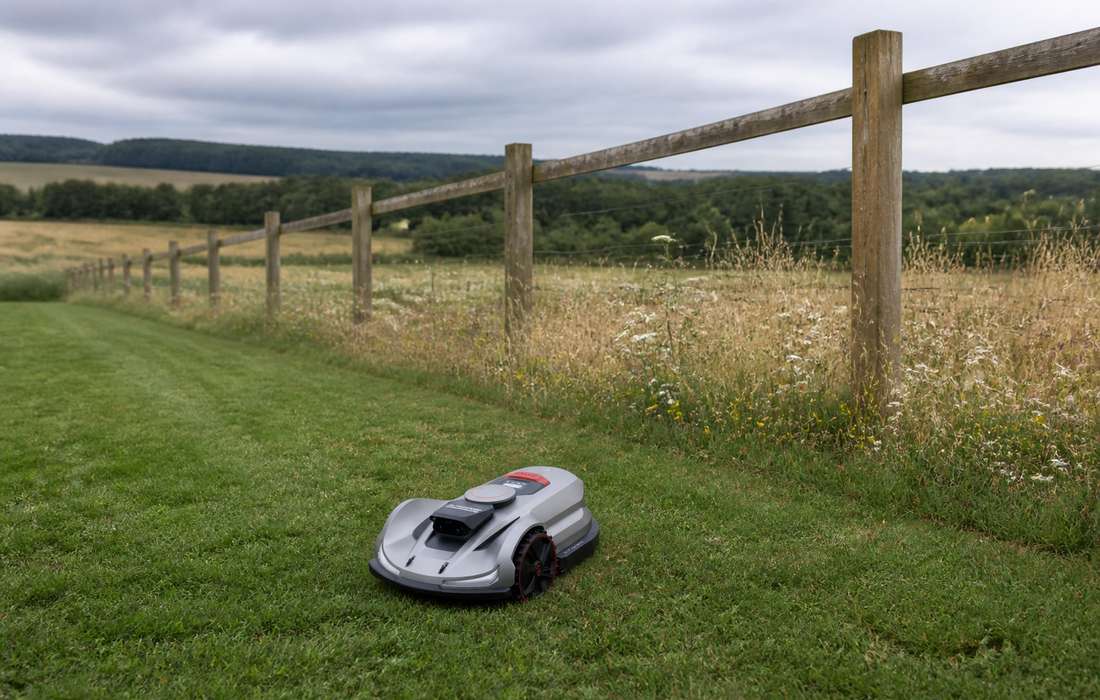
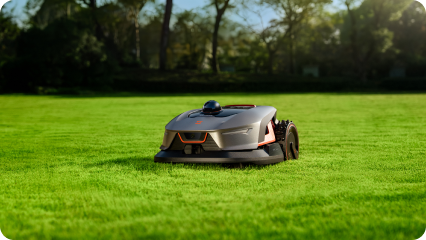
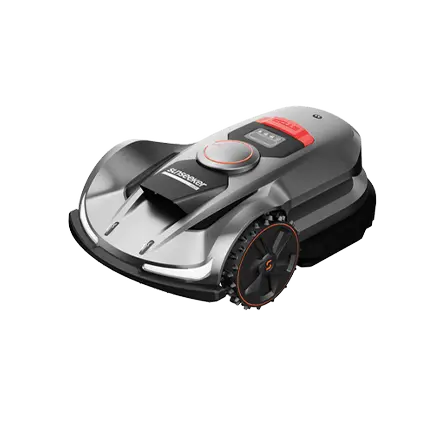
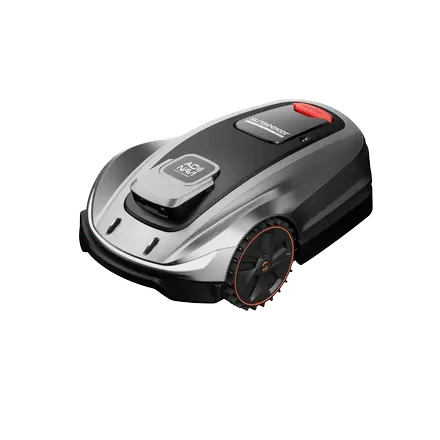
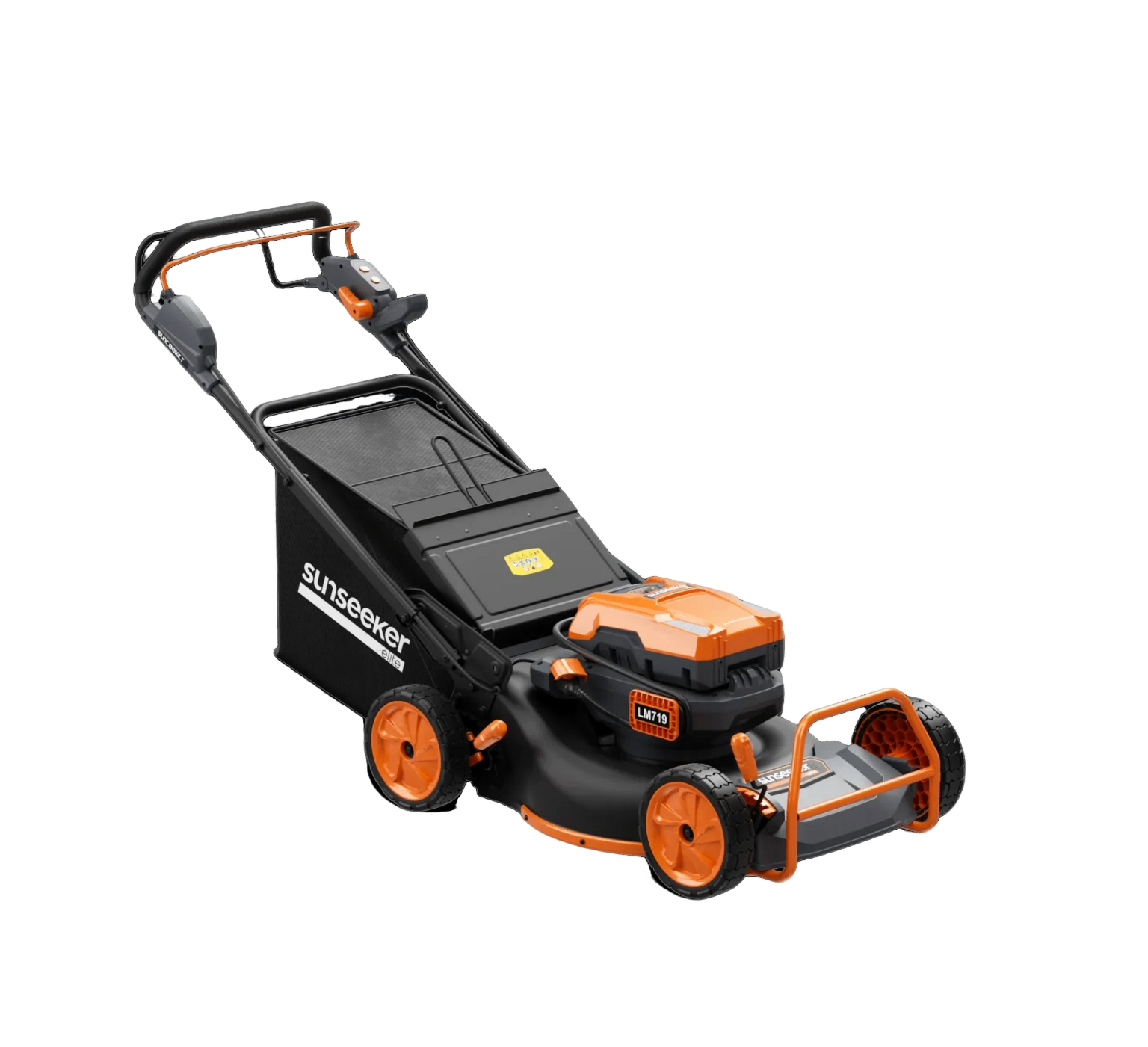
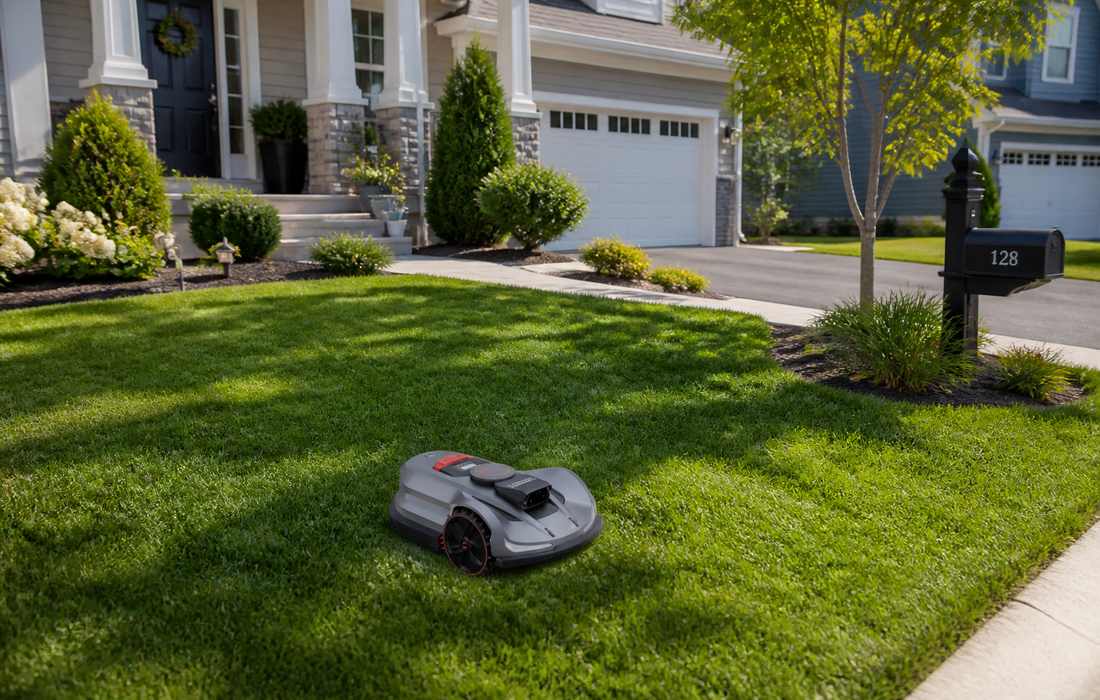
Regular mowing at the correct height can help keep your lawn thick enough to compete with new nutsedge seedlings. For larger properties with multiple mowing areas, the Sunseeker Elite X7 Gen 2 combines AONavi navigation, Vision AI, and all-wheel drive (AWD) rated for slopes up to 70% (35 degrees). Its adjustable cutting height of 0.8-4.0 inches and mapped mowing zones help maintain a consistent grass height across established lawn areas.