




FAQs
8/26/2026
Contents
Products
Residential Lawns





Explore
Where to Buy


A professional lawn finish requires a combination of four essential lawn cutting tools: a mower for open turf, a string trimmer for edges, an edger for crisp borders, and hand shears for precision work. To get the best results, match your equipment to your yard size and terrain, keep blades sharp through regular maintenance, and always prioritize safety gear like eye protection and sturdy footwear.
A yard can look uneven even after a careful mowing session. Grass remains tall beside fences, borders creep over the sidewalk, and small patches around beds still need attention. That is normal: one machine rarely handles every cutting task well. A practical set of lawn cutting tools gives each job the right level of reach and precision. The sections below cover the core tools, mower selection, safety equipment, and a maintenance routine that helps each tool cut cleanly and last longer.

Different parts of your yard require different levels of power and precision. The following tools form the backbone of a complete lawn care kit.
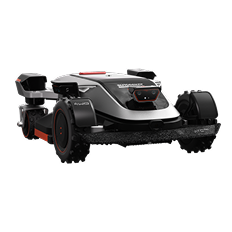
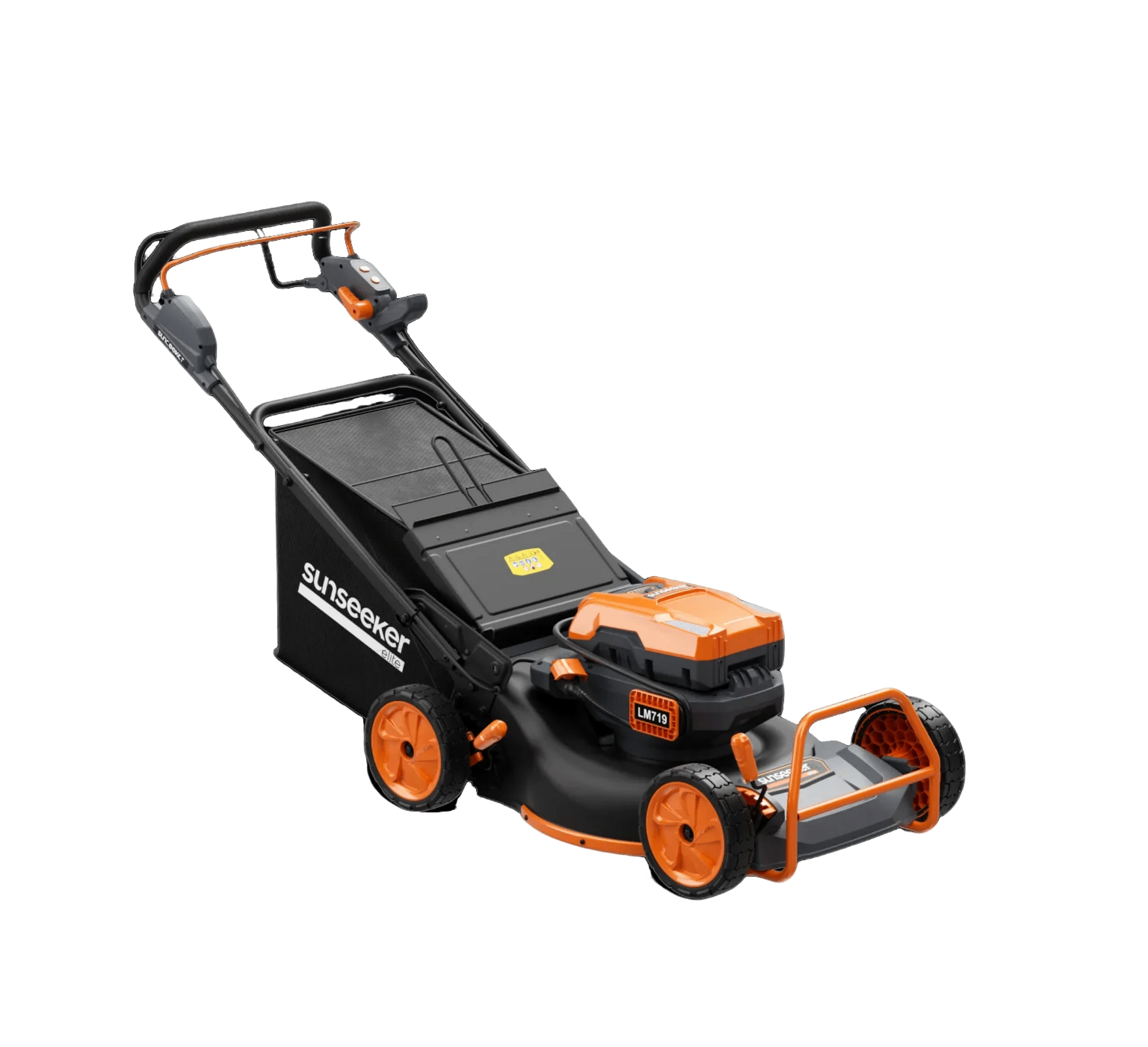
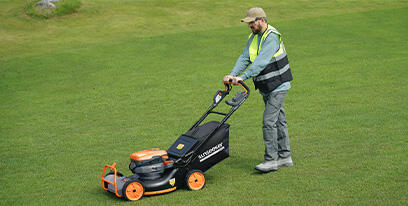
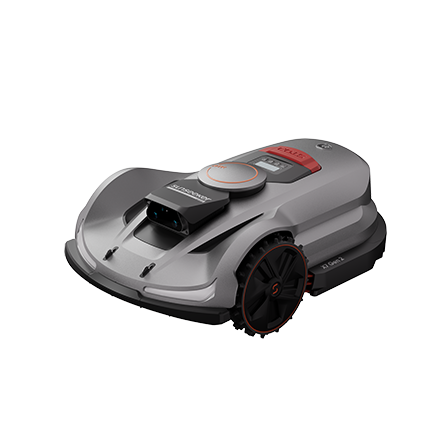
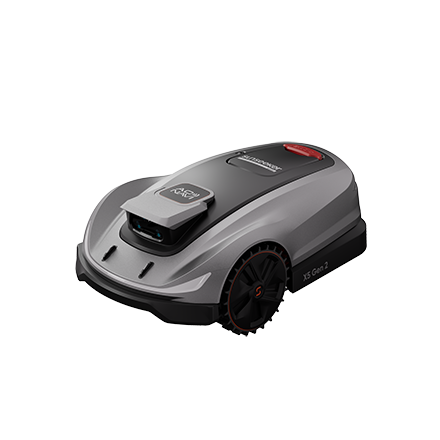
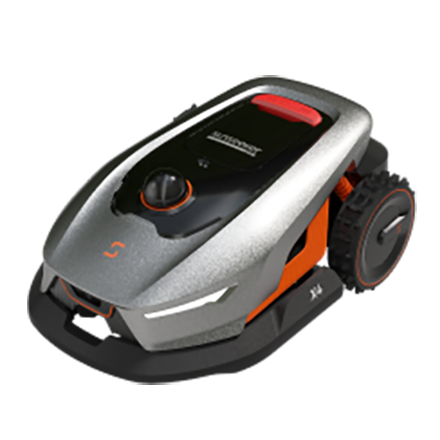
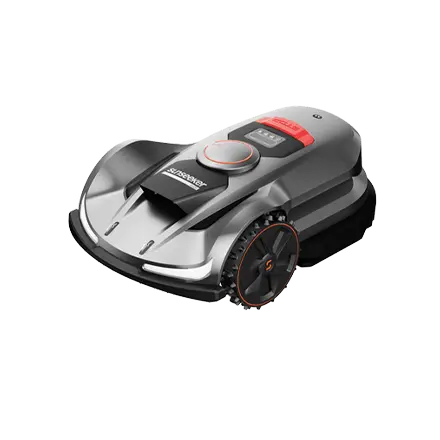
A lawn mower is the primary tool for open turf because it cuts a wide swath at a consistent height. Rotary push mowers suit many small and medium yards, self-propelled models reduce pushing effort on larger areas or mild slopes, and riding mowers save time on expansive properties. Robotic mowers are useful when frequent light cutting fits the yard and schedule. Whatever the type, set the cutting height for the grass species and avoid removing more than about one-third of the leaf blade in a single session. That approach limits stress and leaves enough leaf area for healthy growth.
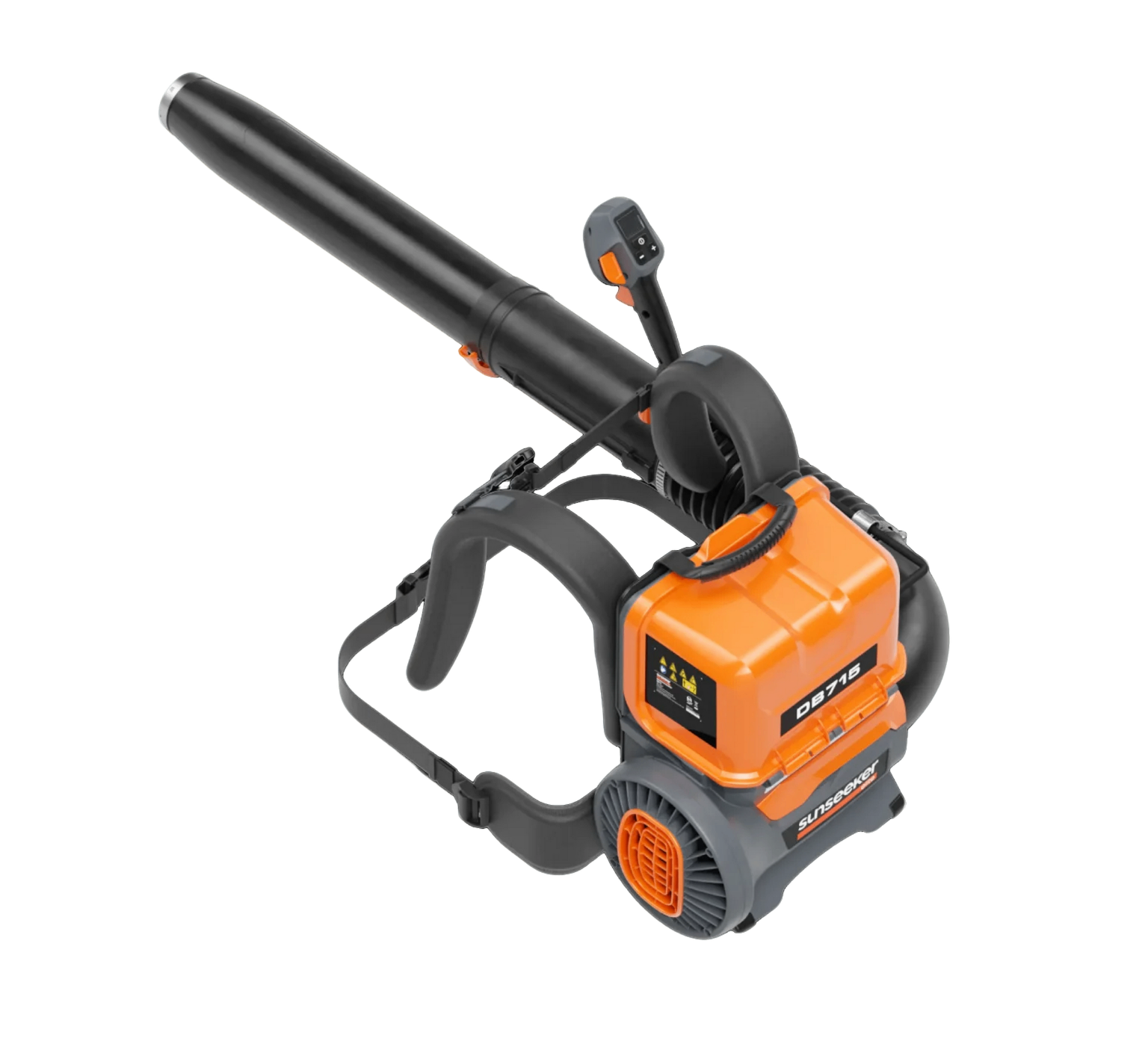
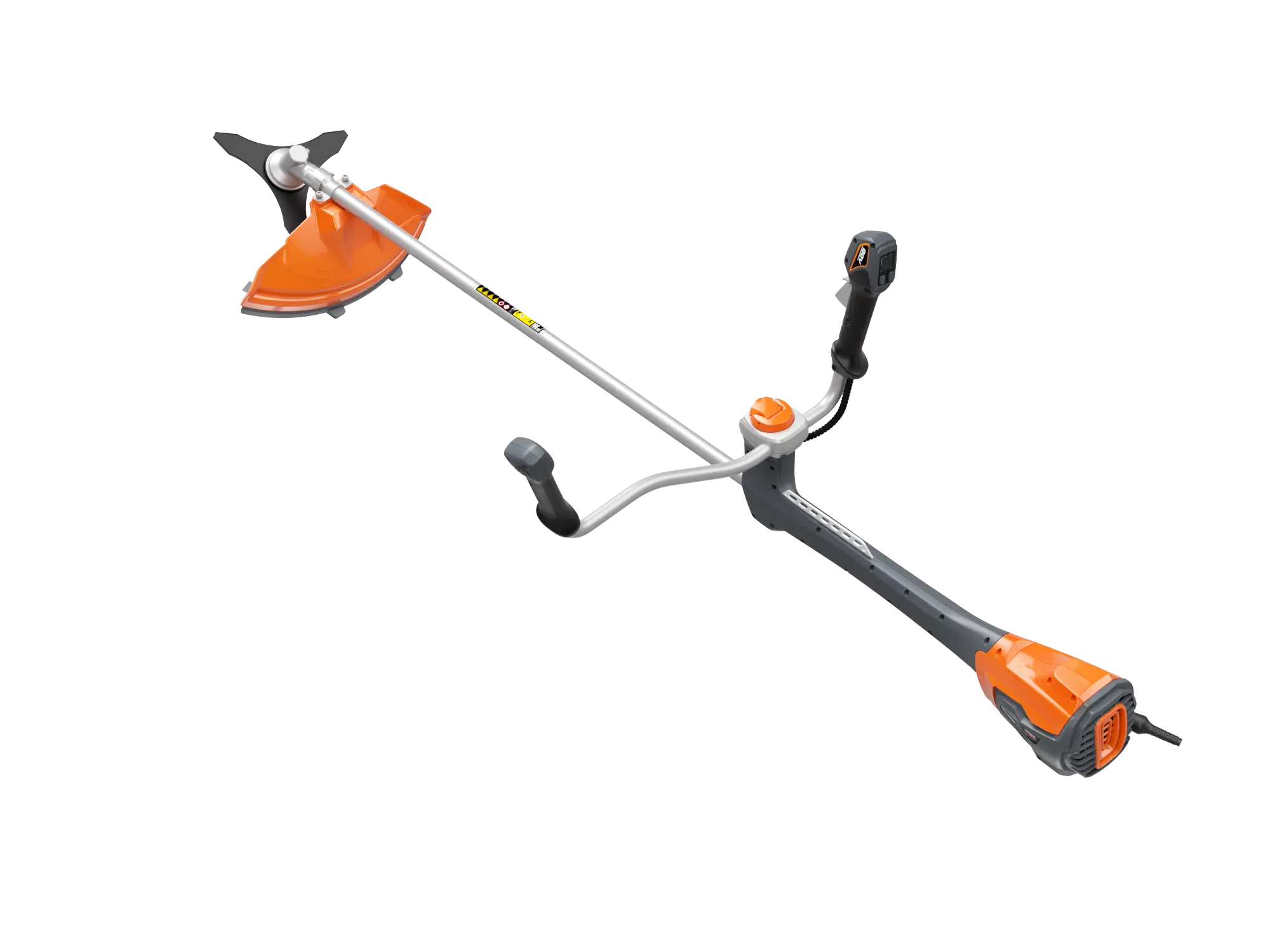
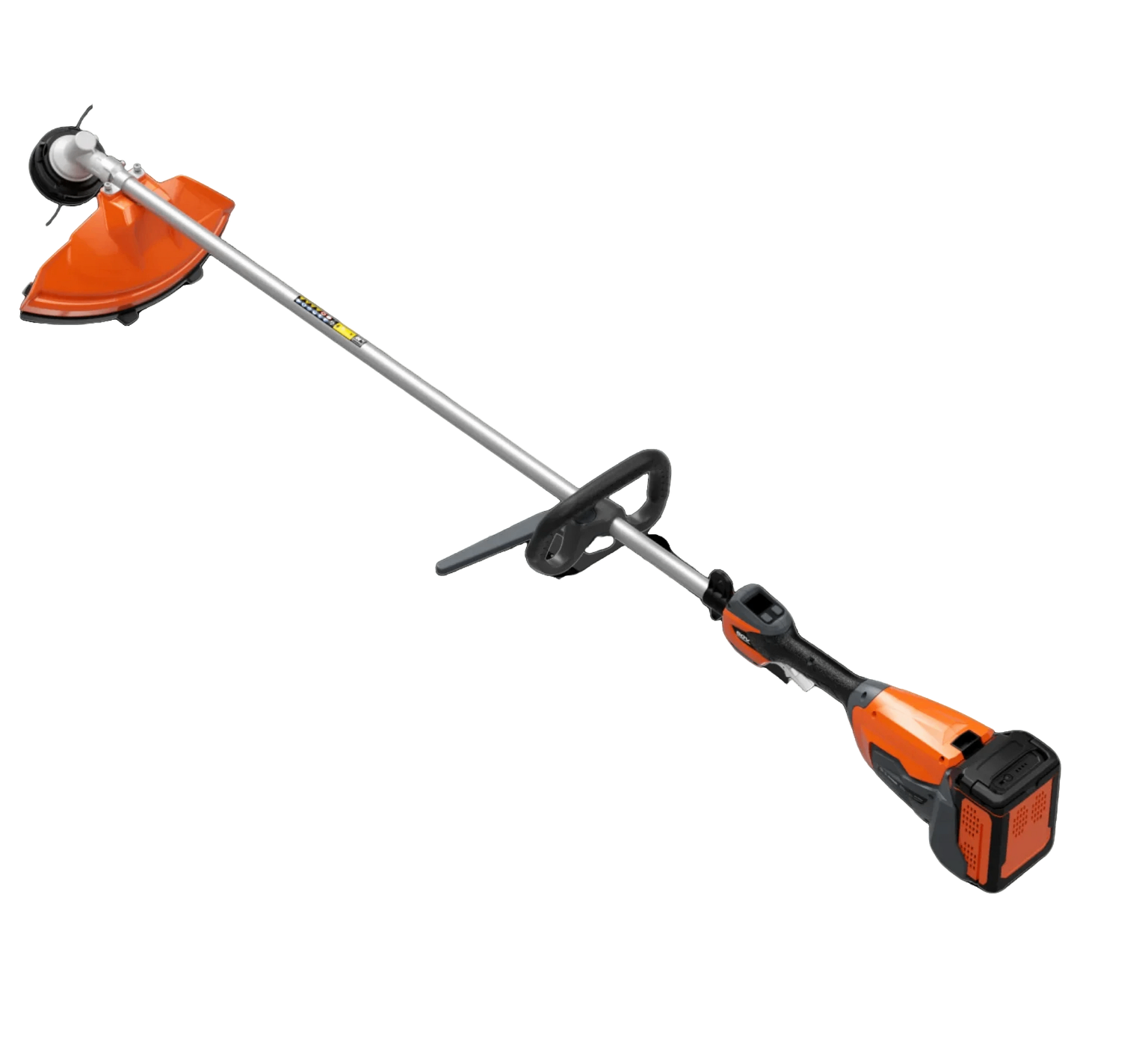
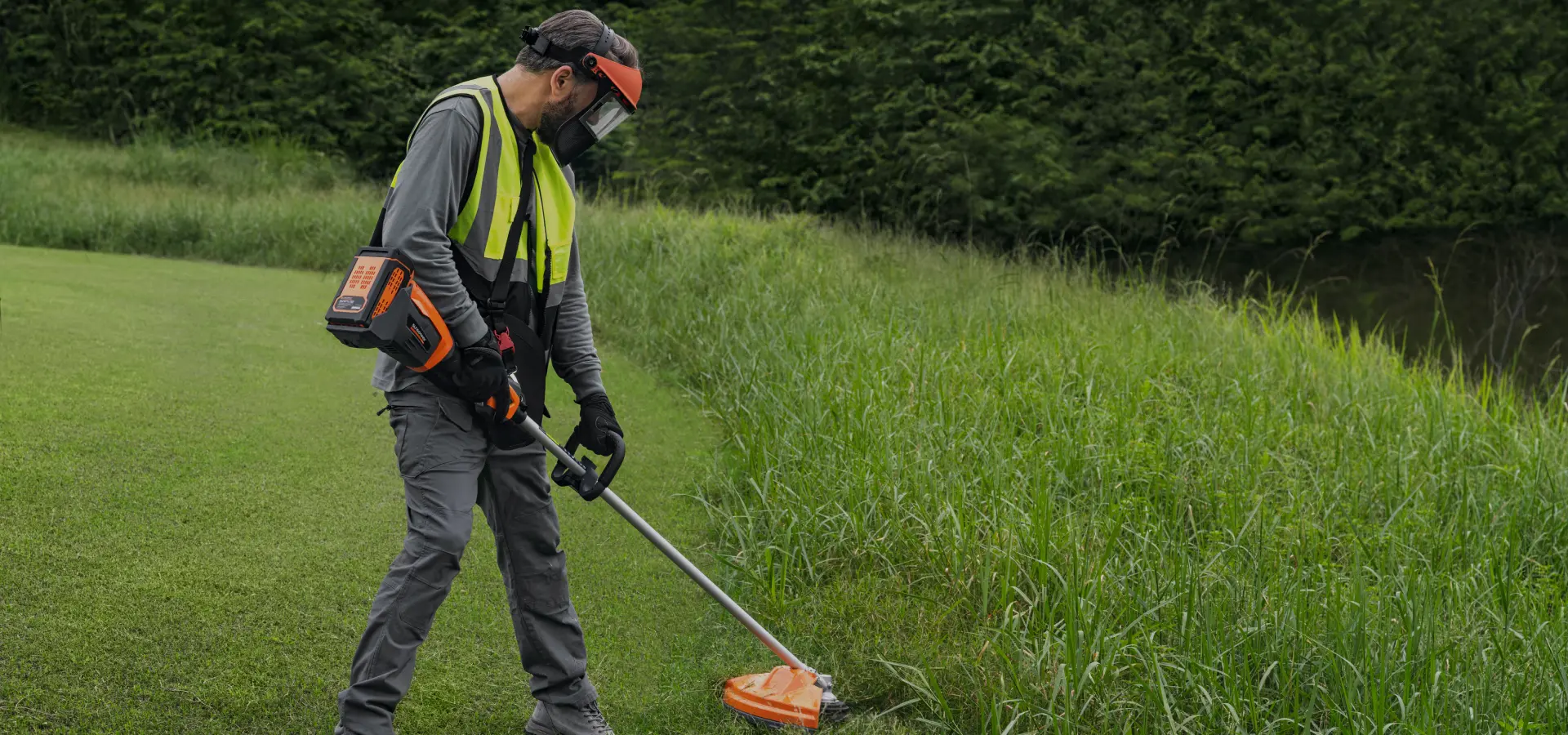
A string trimmer reaches grass beside fences, posts, trees, retaining walls, play structures, and other obstacles. It is also useful under low branches or along narrow strips where mower wheels cannot track safely. Hold the cutting head level for ordinary trimming and keep the line just clear of bark, siding, and irrigation parts. A line that is too heavy for the trimmer can overload the motor, so use the diameter listed in the manual. Work at a controlled speed near beds and hardscape to reduce scalping and flying debris.
An edger creates a defined separation between turf and sidewalks, driveways, patios, or planting beds. Unlike trimming, which shortens grass, edging cuts a narrow vertical line at the boundary. A dedicated wheeled edger is useful when long straight borders need a crisp finish, while a string trimmer with an edging position can maintain established lines. Edge slowly around curves and buried irrigation heads. On a neglected border, make a shallow first pass and deepen it gradually instead of forcing the blade through thick soil and roots at once.
Hand shears are useful for small areas around stepping stones, delicate beds, and tight corners where a powered head would be hard to control. Long-handled edging shears also tidy vertical grass along a border without kneeling. A sod cutter serves a different detail job: it lifts defined strips of turf when you need to replace damaged grass, widen a bed, or reshape a lawn edge. For tiny repairs, a manual sod knife may be enough. For larger removal work, a powered sod cutter saves considerable labor.
Selecting a mower isn't just about finding the biggest engine; it’s about how the machine handles your specific terrain. Consider the following comparison to find the best fit for your property size and layout.
Mower Type | Best For | Key Advantage |
Push Mower | Small, flat yards (<1/4 acre) | Simple, affordable, and easy to store. |
Self-Propelled | Medium yards or mild slopes | Reduces physical effort on uneven ground. |
Robotic Mower | Busy owners / Frequent cutting | Fully automated; maintains consistent height. |
Riding Mower | Large properties (>1/2 acre) | Covers vast areas quickly with wide decks. |
While the mower type depends on yard size, these additional features determine how efficiently you can complete the work:
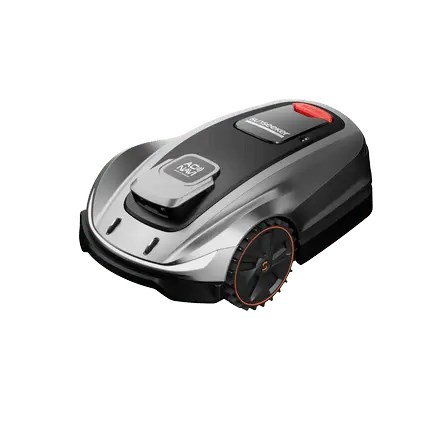
Beyond traditional manual options, technology now allows for more hands-off maintenance. For complex or sloped properties where manual labor is a challenge, the Sunseeker Elite X9 provides a high-performance robotic alternative. Its all-wheel-drive system and dual-disc cutting ensure a manicured finish on steep inclines without the need for constant supervision.

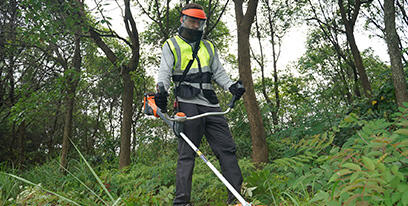
High-speed blades can turn yard debris into dangerous projectiles in seconds. Always perform a quick area check and wear proper protection before starting your equipment.
For powered equipment, let the blade or cutting head stop completely before crossing gravel, lifting the machine, or inspecting a jam. On battery tools, remove the battery before blade service when the design allows it. On gas equipment, follow the manual’s shutdown procedure and disconnect the spark-plug lead before work that places hands near the blade.
Maintenance is easiest when it follows the same rhythm as mowing: inspect before use, remove debris after use, and schedule blade or power-system service before performance drops. Clean tools also make damage easier to spot.
Maintaining a sharp edge is the most effective way to prevent grass diseases and discoloration. Dull mower blades tear grass and leave ragged tips that can turn brown. Inspect the cutting edge every 20 to 25 operating hours during the growing season, or sooner after hitting a root, stone, or hard object.
Sharpen when the edge is rounded, nicked, or producing visibly shredded grass. Keep the factory bevel angle and remove similar amounts of metal on both ends so the blade remains balanced. Replace a blade that is bent, cracked, deeply gouged, or worn beyond the manufacturer’s service limit. Trimmer line and replaceable robotic blades should also be renewed when cutting quality falls.
Removing wet clippings after every use prevents rust and ensures optimal airflow under the deck. Wet clippings often clog mower decks, leading to rust and poor performance. Managing this buildup is significantly easier if you utilize Robot Mowers with Mulching Blades. These systems finely chop clippings and return them to the soil as nutrients, preventing the thick accumulation of waste common in standard discharge mowers.
Regularly inspecting your tool’s energy source ensures it is ready for work when you are. Battery tools need clean terminals, intact packs, and a dry charging area. Stop using a battery that is swollen, cracked, unusually hot, or leaking. Gas equipment needs the oil level, air filter, fuel system, and spark plug checked on the schedule in its manual.
On every tool, inspect guards, fasteners, wheels, handles, drive belts, cables, and safety interlocks. Tighten loose hardware to the specified torque where one is given. Replace damaged guards instead of operating without them, and keep spare line, blades, and common wear parts on hand during peak growing months.
Building a versatile set of lawn cutting tools is the most effective way to keep your property looking its best. By combining a reliable mower with specialized trimmers and edgers, you can handle every corner of your yard with precision. Remember that consistent maintenance and the right safety habits are just as important as the tools themselves. Whether you prefer traditional methods or automated solutions like Sunseeker's robotic systems, focusing on quality tools ensures a healthier lawn and less manual effort over time.
For most yards, start with a lawn mower and a string trimmer. Add an edger if you want crisp lines along sidewalks, driveways, or beds. Hand shears help with tight corners and delicate areas. Larger properties may also benefit from a riding or robotic mower, while major turf removal can justify a sod cutter.
Trimming shortens grass in places a mower cannot reach, such as beside fences, trees, posts, and walls. Edging cuts a narrow vertical boundary between turf and a hard surface or planting bed. A string trimmer can sometimes do both jobs, but a dedicated edger usually creates a straighter, deeper border with less effort.
Mow first when you want the main turf height to guide the final detail work. After mowing, trim missed grass and edge the borders so the finish matches the freshly cut surface. If a border is badly overgrown, a rough edging pass before mowing can expose the true lawn line, followed by a quick final pass afterward.