





FAQs
8/20/2026
Contents
Products
Residential Lawns







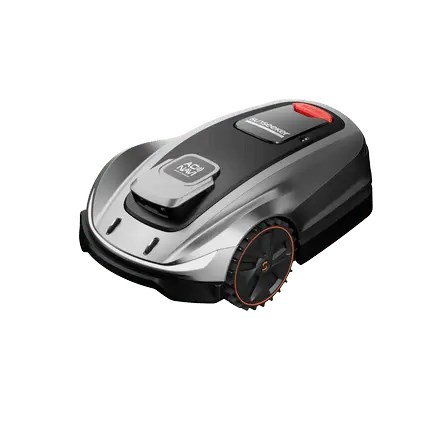

Explore
Where to Buy


Most established lawns need fertilizer two to four times a year, spaced around active growth rather than calendar habits alone. Cool-season grass usually responds best in spring and fall, while warm-season grass feeds most during late spring and summer. Soil tests, climate, grass type, and recent stress should guide the final schedule.
A lawn that loses color or grows more slowly is not always missing water. Sometimes the grass simply needs more nutrients than the soil is providing, especially during periods of active growth. Fertilizer can help, but feeding too often can burn the grass, encourage weak growth, and waste product.
So, how often to fertilize lawn depends on more than a fixed calendar. In this blog, you’ll learn how grass type, season, soil condition, and lawn use affect the right schedule, plus how to tell when another application is needed and when it is better to wait.
Most lawns do not need fertilizer every few weeks. A healthy, established lawn usually needs two to four feedings per year, timed around active growth. The goal is steady color and root strength, not a sudden burst of soft growth that needs constant mowing.
For many homeowners asking how often should you fertilize your lawn, the safest starting point is one main feeding in the strongest growth season and one support feeding later. Cool-season lawns often use fall as the main feeding window. Warm-season lawns usually rely more on late spring and summer feeding.
The ideal schedule can vary based on how the lawn is used and maintained:
If you are asking how often should I fertilize my lawn, avoid copying a neighbor’s schedule. A shaded yard, sandy soil, compacted soil, and drought-stressed grass all react differently. The lawn should be actively growing, slightly moist, and not under extreme heat stress when you apply fertilizer.
Fertilizer frequency changes because lawns do not grow at the same speed all year. Grass type, soil fertility, rainfall, temperature, irrigation, and foot traffic all affect how much nutrition the lawn can use. These factors should shape the schedule before you buy another bag of fertilizer.
Grass type is the first thing to check. Cool-season grasses, such as Kentucky bluegrass, tall fescue, fine fescue, and perennial ryegrass, grow strongest in spring and fall. They slow down during hot summer weather, so heavy summer fertilizing can push weak growth at the wrong time.
Warm-season grasses, such as Bermuda, zoysia, St. Augustine, centipede, and bahia, wake up later and grow strongest when the soil is warm. These lawns usually need most of their nutrition after green-up, not in early spring while the grass is still partly dormant.
A soil test is the cleanest way to avoid guessing. It can show pH, phosphorus, potassium, and sometimes organic matter levels. Many lawns mainly need nitrogen, but some soils already contain enough phosphorus. Adding extra nutrients without testing can lead to waste, weak growth, and runoff.
Look at the N-P-K numbers on the bag. Nitrogen supports leaf growth and color, phosphorus supports root development, and potassium helps stress tolerance. If the soil test says potassium is low, a balanced product may fit better than a high-nitrogen-only fertilizer.
Climate controls how long the lawn can use nutrients. In cooler northern areas, the feeding season may run mainly through spring and fall. In warmer southern areas, warm-season grass may stay active longer and may need one extra light feeding during summer if rain or irrigation supports growth.
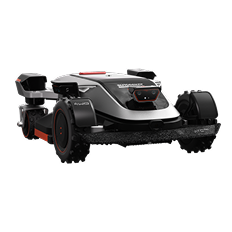
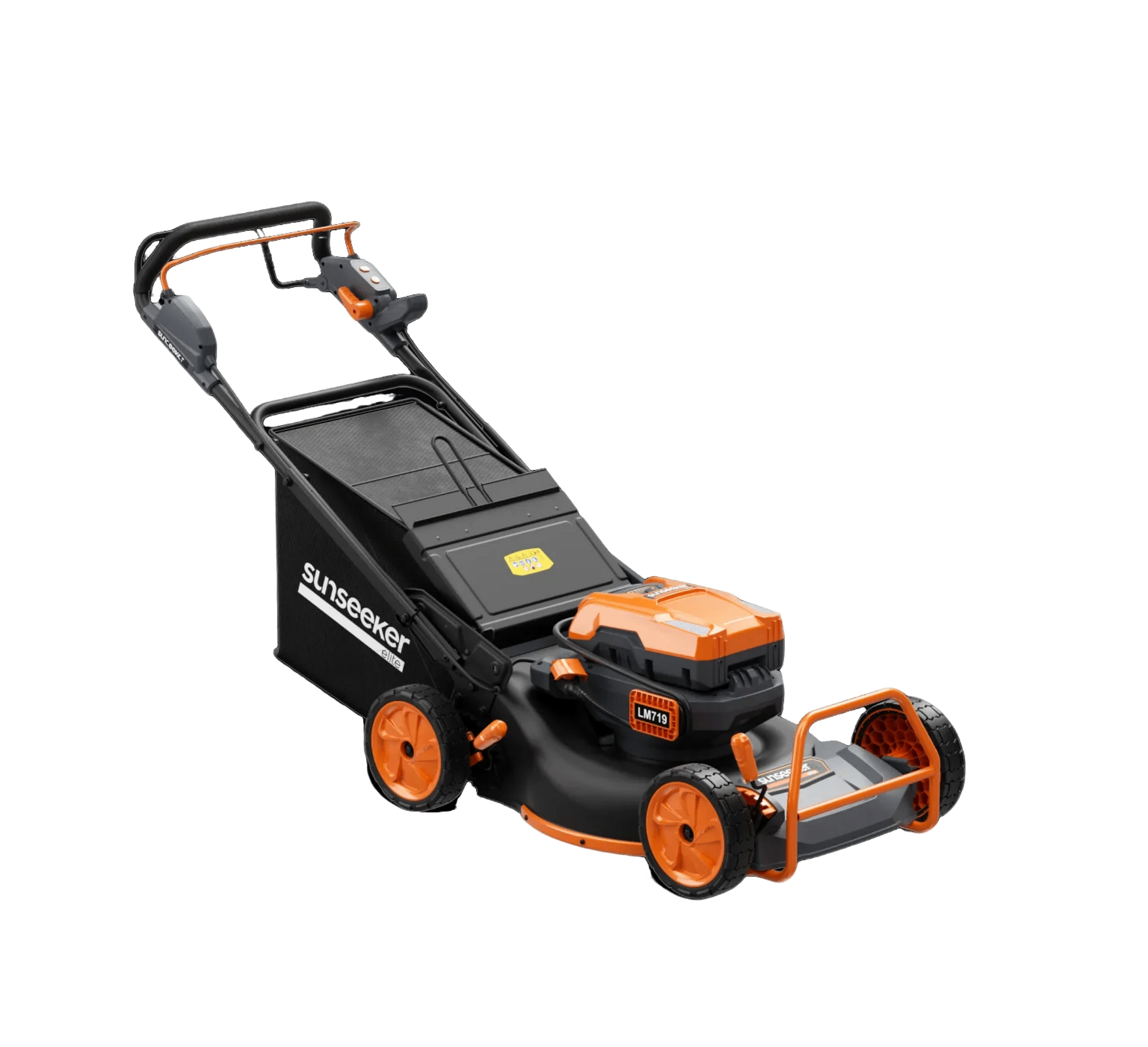
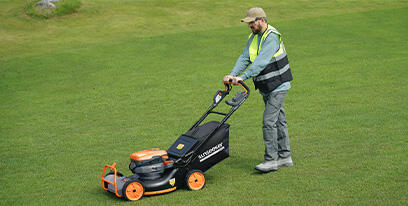
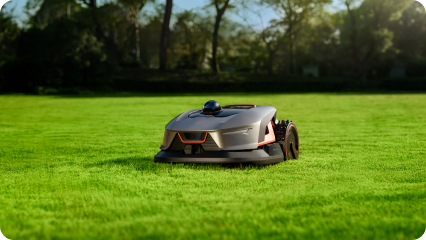
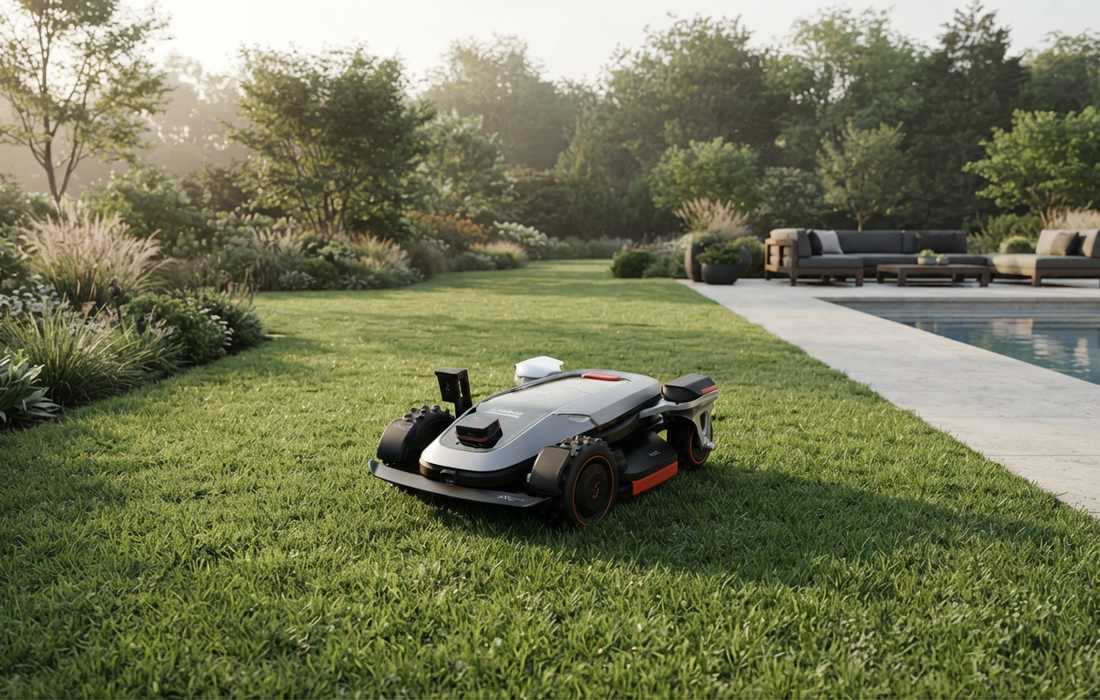
Routine mowing also affects the feeding plan because fertilizer often increases growth. After a scheduled application, the lawn benefits from steady cutting rather than long gaps between mowing. Sunseeker’s Sunseeker Elite X9 supports that kind of regular maintenance with AONavi™ positioning, intelligent path planning, app control, and adjustable cutting height, helping large lawns stay evenly managed after growth picks up.

Cool-season grass grows most actively when temperatures are mild. That means spring and fall are the main feeding periods. Fall is often the most important window because the grass can rebuild roots, recover from summer stress, and store energy before winter.
A practical cool-season schedule often looks like this:
Cool-season lawns usually do best with 6 to 8 weeks between feedings during active growth. If the lawn is drought-stressed, brown, or dormant, wait. Fertilizer works best when the grass can take up nutrients and recover normally.
Warm-season grass needs a different schedule because it wakes up later in the year. Feeding too early can support weeds more than turf. Wait until the grass has fully greened up and has been mowed once or twice before the first fertilizer application.
A common warm-season schedule includes:
Warm-season lawns can grow quickly after feeding, especially Bermuda and zoysia. Keep mowing at the right height and remove no more than one-third of the grass blade in a single cut. If the lawn is not growing well, check compaction, irrigation, shade, or pests before applying more fertilizer.
More fertilizer does not automatically create a better lawn. Applying fertilizer too often can stress grass, raise maintenance needs, and damage soil and nearby water. If the lawn already has a good color and steady growth, another application may do more harm than good. This harm can take several forms, as outlined below:
Fertilizer burn happens when salts or excess nitrogen pull moisture away from grass blades and roots. The lawn may show yellow, brown, or straw-colored streaks, often in the same pattern as the spreader path. This risk increases when fertilizer lands on dry grass, when too much is applied, or when the lawn is not watered correctly after application.
Too much nitrogen can make grass grow fast and soft. That may look green for a short time, but it creates more mowing, thicker clippings, and weaker tissue. Soft growth is also more attractive to some diseases and may suffer more during heat. A steady feeding schedule is healthier than sudden surges.
Frequent feeding can push the lawn to focus on leaf growth instead of deeper roots. It can also send unused nutrients into storm drains, ponds, and streams after heavy rain. Keep fertilizer off driveways and sidewalks, sweep stray granules back onto the lawn, and never apply before a strong storm.
A good fertilizer schedule follows the lawn’s growth cycle. In most cases, how often to fertilize lawn comes down to two to four feedings per year, with cool-season grass favoring spring and fall and warm-season grass favoring late spring and summer. Soil testing, weather, grass type, and stress signs should guide each application. For homeowners building a lower-effort care routine, Sunseeker’s Robot Lawn Mowers without Perimeter Wires can help keep routine mowing more consistent while your feeding plan supports steady lawn health.
Monthly fertilizing is usually too frequent for a normal home lawn. It can cause fertilizer burn, excess growth, disease pressure, and runoff. Most lawns do better with two to four planned feedings per year. If the grass looks weak between applications, test the soil and check watering before adding more fertilizer.
Wait about 6 to 8 weeks between applications during active growth unless the product label gives a different interval. Slow-release fertilizers may last longer, while quick-release products act faster and carry more burn risk. Do not reapply just because color fades during drought, dormancy, or heat stress.
The right month depends on grass type and climate. Cool-season lawns often benefit most in September, with possible light spring and late fall feedings. Warm-season lawns are usually fertilized after full green-up, often in May or June, then lightly through summer only while the grass is actively growing.