





FAQs
8/14/2026
Contents
Products
Residential Lawns









Explore
Where to Buy


After dethatching, your lawn needs cleanup, moisture, oxygen, seed where grass is thin, and a careful return to normal mowing. Remove loose debris first, check the soil, overseed bare areas, apply the right fertilizer, and water lightly until new growth is steady. Recovery often takes two to six weeks, depending on grass type, weather, and how aggressively the lawn was dethatched.
A lawn often looks worse immediately after dethatching. The process removes old stems, dead grass, and matted thatch, leaving the surface looking thin, rough, or stressed for a few days. This is normal and does not mean the job failed. In fact, the exposed soil gives air, water, nutrients, and new seed better access to the root zone.
What you do next is important. If you leave debris behind, let the soil dry out, or mow too short, it can slow recovery and put additional stress on the grass. In this guide, we will introduce practical aftercare steps, common mistakes to avoid, and a realistic recovery timeline so you know exactly what to do after dethatching your lawn!
Dethatching removes the thick layer of dead stems, roots, and organic material that can block water and air near the soil surface. That gives the lawn a chance to breathe, but it also exposes weak areas and puts short-term stress on the grass.
After dethatching, grass crowns and shallow roots may be more exposed than usual. The soil can also dry out faster because the protective thatch layer has been removed, making thin or bare areas more noticeable.
Proper aftercare helps the lawn take advantage of the improved conditions. It’s recommended to keep the soil moist, apply light fertilizer when appropriate, and limit foot traffic to protect tender growth and help the lawn recover and become thicker over time.
Think of the next few weeks as a short recovery window. Your goal is to clean the surface, correct any soil problems, fill thin patches, and give the grass enough moisture to grow without pushing it too hard.
Rake up the loose thatch immediately after dethatching. You can use a leaf rake, lawn rake, or mower with a bagging attachment if the debris is light and dry. Do not leave thick piles on the grass, since they can block sunlight and trap moisture against the crowns.
A little fine material left between grass blades is not a problem, but clumps should be removed. Once the surface is clear, you can see thin patches, compacted zones, and bare areas more accurately.
If the grass is already tall, mow lightly after the debris is removed. Do not scalp it. For many cool-season lawns, a post-dethatching height of about 3 to 4 inches is safer because it protects the crown and shades the soil. Many warm-season lawns can be kept closer to 1.5 to 2.5 inches, depending on the grass species.
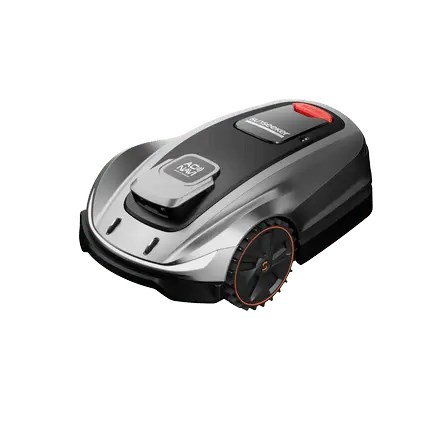
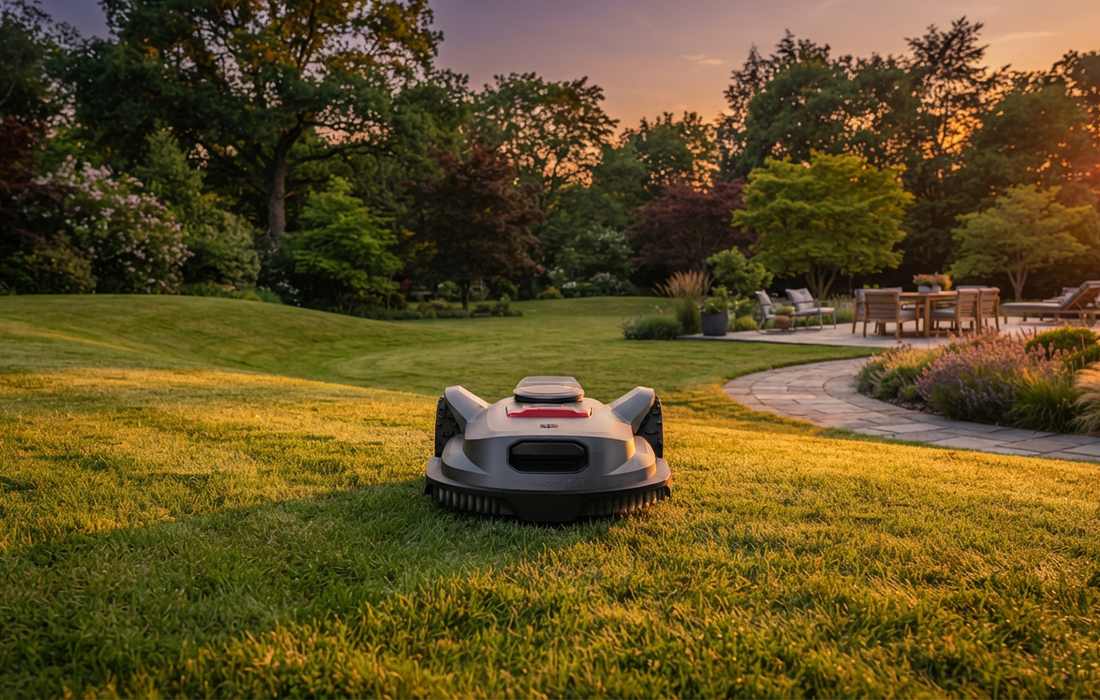
Once the lawn has recovered and new growth is well established, regular mowing helps keep the grass even and healthy. Sunseeker Elite X7 Gen 2 can support that routine with wire-free navigation and app scheduling, helping an established lawn stay neatly maintained after the recovery period. However, it’s best to wait until new seedlings are well rooted and strong enough before returning to a regular mowing schedule.

Dethatching and aeration solve different problems. Dethatching removes excess organic material near the surface. Aeration opens compacted soil deeper down. If water still pools, roots look shallow, or a screwdriver is hard to push 4 to 6 inches into moist soil, compaction may be slowing recovery.
Core aeration is most useful when the soil is dense, or the lawn gets heavy foot traffic. If the soil is already loose and drains well, there is no need to aerate. Skip unnecessary aeration to avoid disturbing the lawn more than needed while it recovers.
Dethatching creates a good opening for seed because it exposes more soil. If you see bare patches or thin areas, overseed soon after cleanup. Choose seeds that match your lawn and climate. Cool-season grasses usually germinate best when soil temperatures are about 50 to 65°F, while warm-season grasses often need warmer soil, closer to 65 to 70°F or above.
Spread the seed evenly, then rake very lightly so it settles into the top layer of soil. Most grass seed needs firm soil contact and only a light cover. Avoid burying the seed too deeply, as heavy soil or debris can make germination more difficult.
After dethatching, fertilizer should support recovery without forcing weak grass into fast, soft growth. If you are overseeding, a starter fertilizer may help because it usually contains phosphorus for root development. Always follow the label and local fertilizer rules, especially in areas with phosphorus restrictions.
If you are not overseeding, you may not need to fertilize immediately. When fertilizer is needed, choose a product based on your lawn’s nutrient needs and avoid heavy nitrogen applications while the grass is stressed. A soil test is the safest way to choose the right product and rate.
Water is the most important part of aftercare, especially if you overseed. The new seed must stay consistently moist until it germinates. In mild weather, that may mean light watering once or twice a day for the first 10 to 14 days. In hot, dry, or windy weather, small patched areas may need more frequent light watering.
Once seedlings sprout, shift gradually toward deeper and less frequent watering. Established lawns generally need about 1 to 1.5 inches of water per week, including rain. The goal is moist soil, not soggy soil. Puddles, slimy soil, or seed washing away are signs that watering is too heavy.
Keep people, pets, and heavy equipment off the lawn as much as possible for two to four weeks. Freshly exposed soil and new seedlings can be easily damaged by foot traffic or equipment.
Check the lawn every few days. Look for dry patches, seed washout, new weeds, and areas that remain thin. Light touch-up seeding is fine if a patch did not take, but give the first round enough time before assuming it failed. Most lawns look rough at first and then begin to fill in as roots recover.
Good aftercare is simple, but a few common mistakes can slow recovery. Most problems happen when the lawn is pushed too hard or when new seed dries out before it has a chance to root.
Also, avoid judging the lawn too soon. A freshly dethatched yard may look patchy for the first week. That is normal. Focus on moisture, seed contact, and steady care before making bigger repair decisions.
Recovery time depends on the grass type, season, weather, soil condition, and how much thatch was removed. A lightly dethatched lawn during active growth may look better in one to two weeks. A lawn that was heavily dethatched or overseeded often needs three to six weeks before it looks full again.
New grass seed adds time to the process. Ryegrass may germinate in about 5 to 10 days under good conditions, while tall fescue often takes 7 to 14 days. Kentucky bluegrass can take 14 to 30 days. Warm-season grasses vary, but they usually need warm soil and steady moisture to fill in well.
If the lawn still looks weak after six to eight weeks, it may be time to look for other problems. Soil compaction, poor soil conditions, excessive shade, disease, pests, or uneven watering can all slow recovery. Dethatching can remove a barrier to healthy growth, but it cannot solve every underlying lawn problem.
The right aftercare can help turn a rough-looking yard into a stronger, healthier lawn. So, what to do after dethatching the lawn? Clean up debris, mow carefully, aerate only when needed, overseed thin areas, apply fertilizer at the right rate, and keep the soil moist while the grass recovers. Over the long term, regular mowing and seasonal lawn care can also help reduce future thatch buildup. For homeowners looking for easier maintenance tools, Sunseeker’s range of Robot Lawn Mowers offers options for keeping established lawns on a more consistent mowing schedule.
Yes, if the lawn has thin or bare areas. Dethatching exposes more soil, so the seed has a better chance of contacting the ground. Use seeds that match your grass type, rake them in lightly, and keep the surface moist until germination. If the lawn is already dense, overseeding may not be necessary.
Most lawns only need one careful pass. If the thatch layer is very heavy, a second light pass in a different direction may help, but too many passes can tear healthy grass. Stop if the lawn starts lifting in chunks or the soil becomes overly exposed. Controlled dethatching helps minimize damage and makes recovery easier.
Grass can grow better after dethatching because removing excess thatch allows more water, air, and nutrients to reach the soil and roots. However, proper aftercare is still important. Dethatching alone will not solve problems such as compacted soil, poor watering, heavy shade, or pests. For better recovery, combine dethatching with appropriate overseeding, watering, and balanced fertilization.