




FAQs
8/3/2026
Contents
Products
Residential Lawns






Explore
Where to Buy


Clover can be good for your lawn when you want lower nitrogen needs, better drought tolerance, pollinator value, and a softer green look with less fertilizing. It may be less suitable for high-traffic play areas, very formal turf, or yards where broadleaf herbicides are used often.
A lawn with small white flowers can make some homeowners pause. One person sees a useful groundcover that stays green with less fuss; another sees a weed spreading through the grass. Clover is common in home lawns, especially where soil is low in nitrogen, grass has thinned, or mowing and watering habits favor low-growing plants.
The real answer depends on how you use the yard and what kind of lawn you want. Below, the main pros, drawbacks, clover types, planting steps, and comparison points are broken into practical choices, so you can decide if clover belongs in your lawn or should be kept under control.
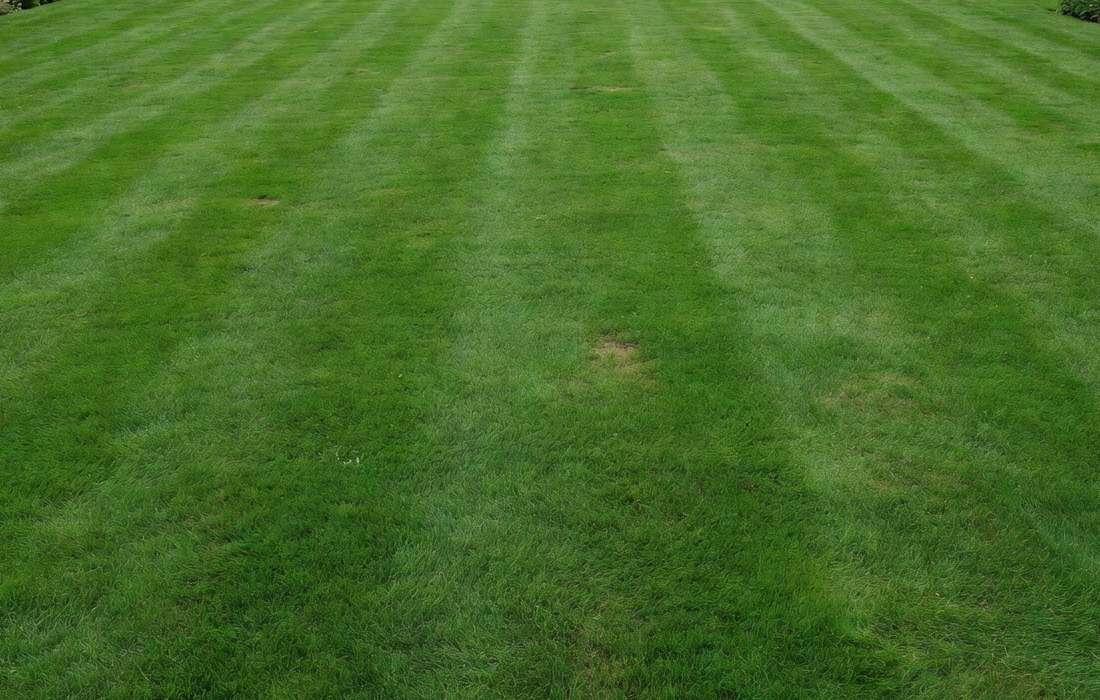
Clover is not automatically a problem in turf. It becomes helpful or frustrating based on the condition of the lawn, the amount of foot traffic, and the level of uniformity you expect.
A clover lawn can be good when the goal is a resilient, lower-input yard. Clover fixes nitrogen through bacteria on its roots, so it can support greener growth without as much synthetic fertilizer. It also grows close to the soil, fills small gaps, and often stays green when cool-season grass starts to fade during dry weather. For homeowners who prefer a more natural lawn, those traits can be useful.
It can be bad in a lawn managed as a smooth, all-grass surface. Clover has a different leaf shape, blooms with white or pinkish flowers, and may attract bees. It can also spread in thin turf, especially where grass is stressed. If you use standard broadleaf weed killers, clover may be damaged along with dandelions, plantain, or other broadleaf weeds. The key question is not simply, is clover good for your lawn, but does clover fit the way your lawn is used?
Many people search is clover good for lawns because clover appears before they intentionally plant it. In the right setting, its strengths are practical and visible.
These benefits are strongest when clover is part of a balanced lawn rather than the only plant in a demanding, heavily used area. A grass and clover mix usually handles seasonal stress better than pure clover alone.
Clover has real advantages, but it is not the right fit for every yard. The main drawbacks show up when appearance, herbicide use, or heavy traffic matter most.
Clover does not behave like turfgrass. It spreads with creeping stems and leaves rounded patches where it colonizes open space. In a formal front lawn, that patchy texture may look uneven. It also flowers if allowed to grow between mowings, which can attract bees. This is positive for pollinators but less ideal near play sets, patios, or areas where children run barefoot.
Clover is also less durable under repeated hard wear. A few steps across a mixed lawn are fine, but daily sports, dogs running the same path, or frequent vehicle pressure can damage clover and leave muddy areas. Another issue is weed control. Products labeled for broadleaf weeds often target clover too. If your lawn program depends on those products, clover may not survive the routine.
Winter appearance can vary as well. Clover may thin or brown in cold periods, then recover when growth resumes. In regions with hot summers, it may also struggle under long drought unless the soil stays reasonably healthy. For many yards, the solution is not pure clover or pure grass, but a mixed lawn managed with realistic expectations.
The best clover for a lawn depends on the look you want and how much grass you plan to keep. Most home lawns use white clover, microclover, or a mixed seed blend.
White Dutch clover is the classic lawn clover. It grows low, spreads readily, and produces white flowers when it is not mowed often. It is affordable, easy to find, and good for areas where you want a natural, meadow-like lawn. Because it can spread noticeably, it works best when you are comfortable with visible clover patches or want a pollinator-friendly space.
Microclover is bred to have smaller leaves and a lower, denser habit than standard white clover. It blends more smoothly with turfgrass and usually flowers less when mowed regularly. It is a better option for homeowners who like the benefits of clover but still want a lawn that looks closer to traditional grass. Seed can cost more, and it still needs light, moisture, and reduced herbicide pressure.
A clover and grass mix is often the most practical choice. Grass provides wear tolerance and a familiar lawn texture, while clover adds green cover and nitrogen support. A common approach is to keep clover as a small percentage of the seed mix, often around 5% to 10% by weight, because clover seed is tiny and covers a large area. This keeps the lawn balanced instead of letting clover dominate every open spot.
Planting clover is simple, but good timing and soil contact matter. Treat it like a lawn improvement project, not just seed scattered over compacted ground.
Choose white clover for a natural, flowering lawn, microclover for a cleaner turf look, or a clover-grass blend for mixed performance. Seed when temperatures are mild and moisture is reliable. A good target is soil around 50°F to 70°F, with no hard frost expected and no heat wave in the forecast. Spring and early fall are usually easier than peak summer because seedlings dry out quickly in hot soil.
Mow existing grass to about 2 inches before seeding, then rake out dead grass, leaves, and heavy thatch. Clover seed needs direct contact with soil. For bare ground, loosen the top 1/4 inch of soil with a rake. For an existing lawn, rake thin areas firmly enough to expose soil without tearing out healthy grass. Avoid heavy nitrogen fertilizer before sowing, because lush grass can outcompete young clover.
Spread clover seed evenly, then press it into the soil with a lawn roller, the back of a rake, or light foot pressure. Do not bury it deeply; clover seed is small and germinates best near the surface. Keep the top layer consistently damp for 7 to 14 days. Water lightly once or twice a day during dry weather, then reduce watering as seedlings root. Keep pets, children, and heavy foot traffic off the area until the new growth is well anchored.
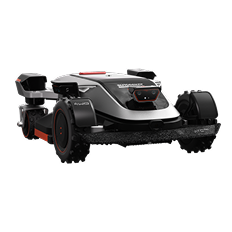
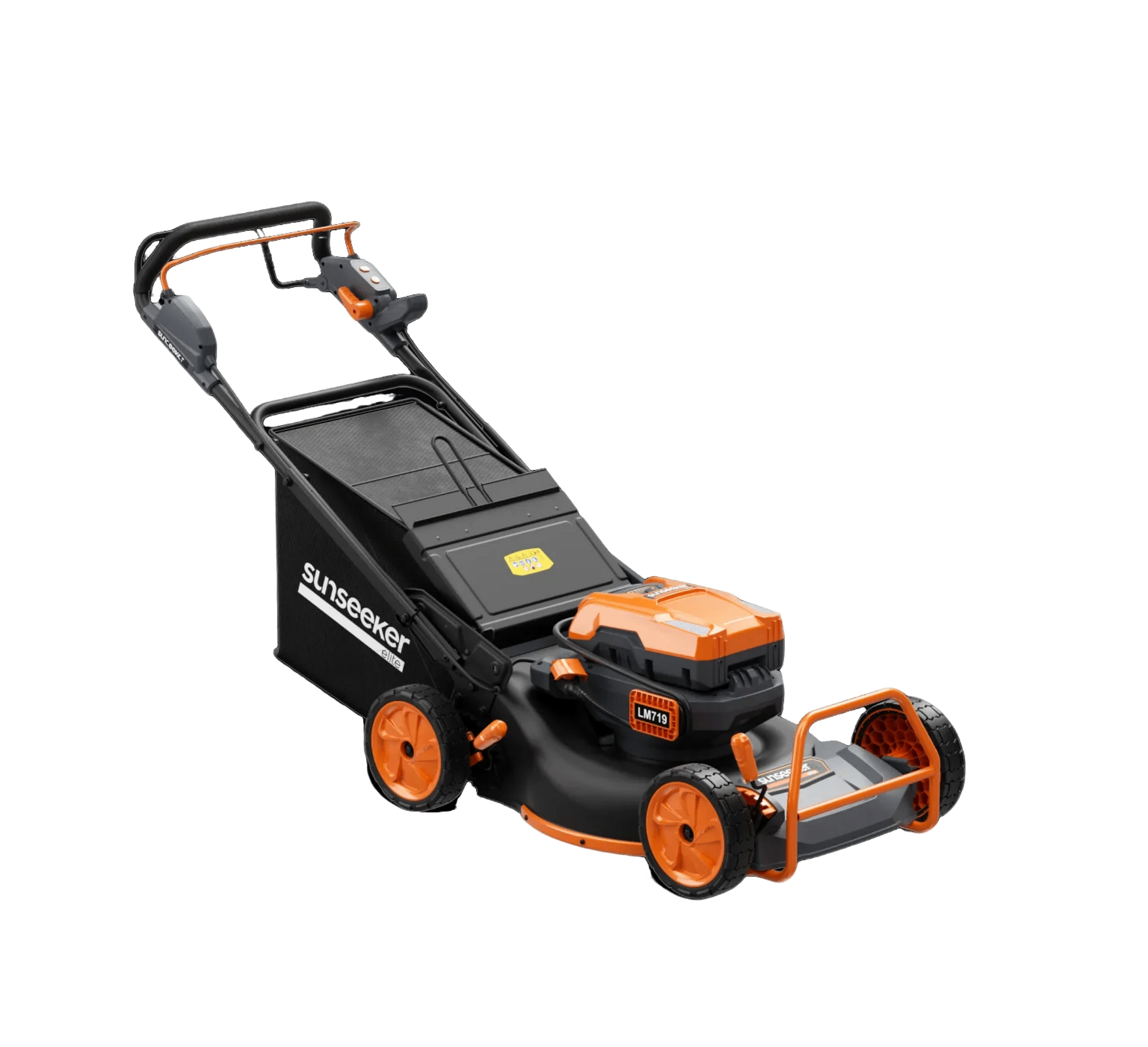
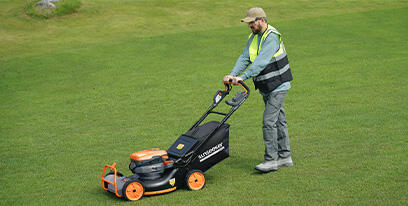
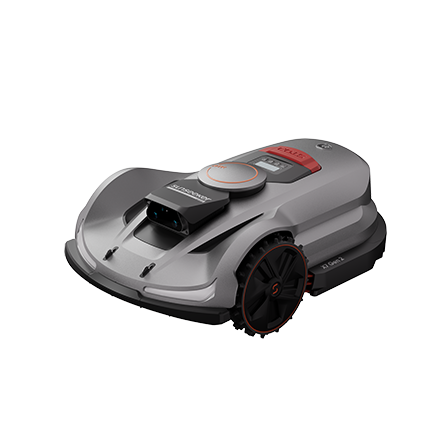
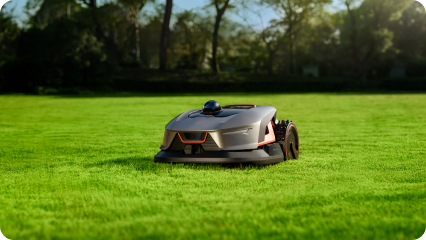
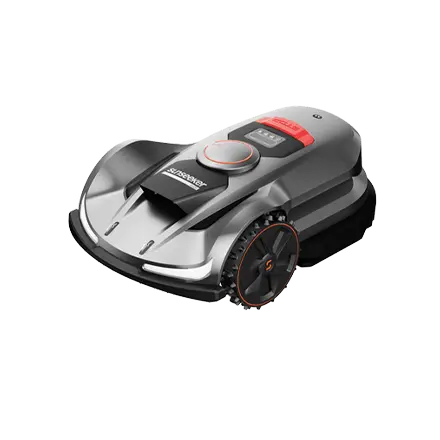
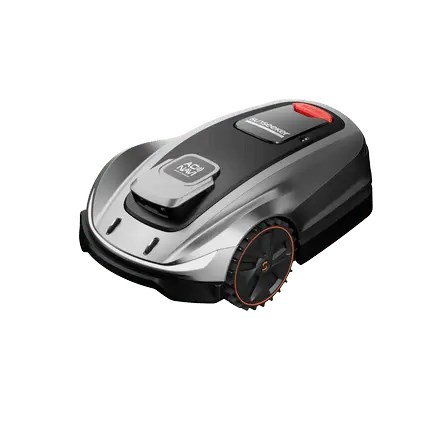
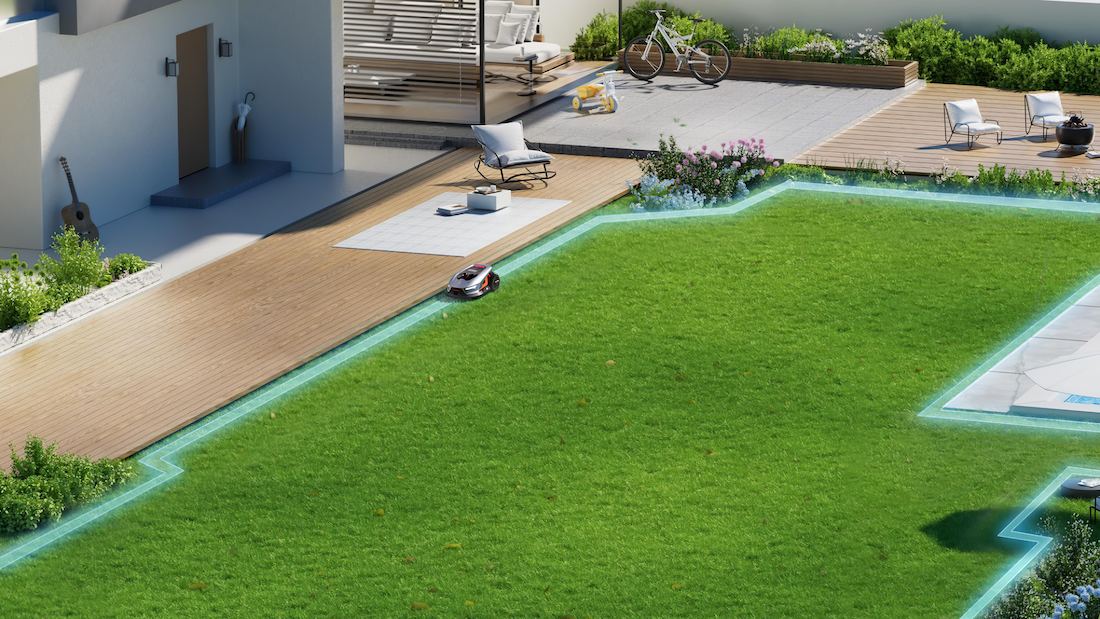
Once the clover is established, mow at about 3 to 4 inches for a soft, dense lawn. Regular light mowing helps clover blend with grass and limits flowering where bees are a concern. For routine upkeep on an established mixed lawn, Sunseeker Elite X4 can support a steadier mowing rhythm in smaller or more defined spaces, especially where frequent light cuts are preferred over occasional heavy cuts. Keep the first mow after seeding gentle, and wait until new plants resist a light tug before mowing.
A clover lawn and a grass lawn can both look healthy, but they solve different problems. Use the comparison below to match the lawn type to your yard, maintenance style, and tolerance for flowers, bees, and mixed texture.
If your goal is a lower-input, natural lawn, clover may be helpful. If you want a uniform play surface with high wear tolerance, grass or a grass-dominant mix may be easier to manage.
Factor | Clover lawn | Grass lawn | Best choice |
Fertilizer needs | Usually lower because clover can support nitrogen cycling. | Often needs regular feeding for strong color and density. | Clover or mixed lawn |
Traffic tolerance | Moderate; can thin under repeated hard wear. | Better for play, pets, and frequent walking. | Grass lawn |
Appearance | Soft, green, and more natural, with flowers if unmowed. | More uniform and traditional when maintained well. | Depends on style preference |
Pollinators | Provides flowers and nectar for bees. | Offers little pollinator value when kept as turf. | Clover lawn |
Weed control | Sensitive to many broadleaf herbicides. | Easier to combine with standard weed-control programs. | Grass lawn |
Maintenance level | Less fertilizer, moderate mowing, careful herbicide choices. | More mowing, feeding, and watering in many climates. | Clover or mixed lawn |
Clover can be a useful part of a healthy lawn when you value greener coverage, lower fertilizer demand, and a more natural yard. It is less ideal for high-traffic turf, very formal lawns, or weed-control programs built around broadleaf herbicides. The strongest choice for many homeowners is a balanced clover and grass mix, supported by good soil, careful watering, and steady mowing. For ongoing maintenance, a robot lawn mower can help keep established turf at a consistent height without turning clover into the main focus of the lawn plan.
Leave clover if it is healthy, low-growing, and fits your lawn goals. It can help fill thin areas, support pollinators, and reduce fertilizer needs. Remove or limit it if you want a uniform grass lawn, have bee concerns near play areas, or rely on broadleaf weed killers.
Many homeowners still prefer grass because it handles foot traffic better, looks more uniform, and works with common lawn-care products. Clover can be excellent in low-input yards, but it flowers, spreads differently, and may thin under heavy wear. That is why many lawns use clover as part of a mix.
You can spread clover seed over an existing lawn, but bare seed on thick grass often germinates poorly. Mow low, rake thin spots to expose soil, spread seed evenly, press it down, and keep the surface moist for 7 to 14 days.