



FAQs
8/3/2026
Contents
Products
Residential Lawns







Explore
Where to Buy


Squirrels usually dig in lawns to bury food, search for stored nuts, investigate soft soil, or reach bulbs and insects. The most humane control plan removes easy food, protects vulnerable soil, covers new seed, and keeps the grass dense enough that digging becomes less inviting.
Fresh holes can show up in a neat lawn in just one day. Squirrels often dig in soft soil, newly seeded spots, lawn edges, flower beds, and areas near bird feeders while looking for food or hiding nuts. Even a few small holes can quickly make the yard look messy.
In this blog, you’ll learn why squirrels dig in lawns, how to keep them away without harming them, how to protect weak spots, and how to fix small holes. A few simple steps can stop the damage from becoming a regular problem.
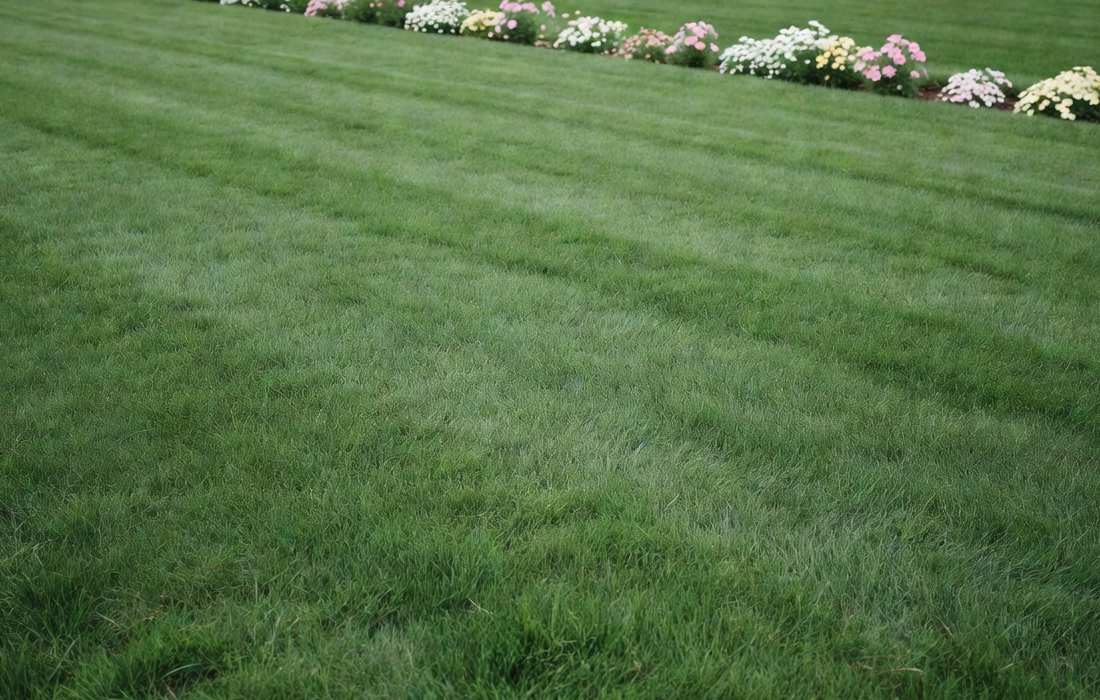
Squirrels dig because the lawn gives them something useful: food, cover, soft soil, or a safe place to cache supplies. Once you know the reason, it becomes easier to choose a humane fix rather than guessing at random repellents.
The most common reason is food caching. In fall, squirrels bury acorns, nuts, and seeds in shallow holes, then return later to retrieve them. These holes are usually about 1-2 inches deep and 1-3 inches wide, with loose soil scattered around the opening. You may also see small scratches where a squirrel tested the ground and moved on.
Food sources around the lawn can make digging worse. Birdseed under feeders, fallen fruit, open compost, pet food, and nut-producing trees all encourage repeat visits. Squirrels may also dig in soft planting areas after bulbs are installed because tulips, crocus bulbs, and some freshly disturbed beds smell interesting.
In some cases, digging points to lawn conditions. Loose topsoil, thin grass, and damp patches are easier for squirrels to explore. They may also paw at turf where grubs, beetle larvae, or other insects are active. If many holes appear alongside spongy turf or brown patches, check for pests before treating the squirrel problem alone.
A few small squirrel holes are usually cosmetic, but repeated digging can weaken turf, expose roots, and make new seed fail. The level of damage depends on hole size, location, soil moisture, and how quickly you repair disturbed areas.
Minor squirrel holes rarely destroy mature grass. If the hole is shallow and no roots are torn out, you can press the soil back, add a small amount of screened topsoil, and water lightly. Grass often fills the mark after one or two mowing cycles during active growth.
The bigger issue is repetition. When squirrels keep returning to the same patch, the soil can become loose and uneven. Thin turf then dries faster, weeds enter the open space, and mower wheels may catch low spots. Freshly seeded areas are even more vulnerable because birds and squirrels can disturb seed before roots anchor into the soil.
Look closely before blaming squirrels for every hole. Squirrel digging is usually shallow and open, with no clear tunnel. Voles often leave surface runways. Moles push raised ridges. Skunks and raccoons can tear larger chunks while hunting grubs. Ground bees or other insects may leave neat, dime-sized openings. Matching the hole type helps you avoid the wrong treatment.
The most reliable approach uses several gentle barriers at the same time. One method may work for a few days, but a combined plan removes the reward, protects the most tempting areas, and keeps squirrels moving through without settling in.
Begin with the food that brings squirrels back. Sweep fallen birdseed, acorns, nuts, and fruit several times a week during heavy drop periods. Store grass seed, flower bulbs, and pet food in sealed containers with tight lids. Keep trash and compost covered, especially if kitchen scraps, corn, sunflower seed, or fruit peels are present.
Bird feeders need special attention. Place feeders at least 8-10 feet away from trees, fences, roofs, and patio rails if space allows, and add a smooth baffle about 4-5 feet above the ground. Clean spilled seed often so one feeder does not become a lawn-wide digging habit.
Physical barriers are often more dependable than scent alone. For newly planted bulbs, lay 1/2-inch hardware cloth over the soil and cover it with mulch. For seeded patches, use a biodegradable seed blanket, light row cover, or garden netting secured with landscape staples every 12-18 inches. The cover should sit close to the soil so squirrels cannot nose underneath it.
Protect small repair zones for two to three weeks, or until seedlings are rooted and 2-3 inches tall. In nearby beds, flat stones, temporary wire cloches, or low fencing can protect high-value plants without harming animals. Avoid sticky substances, glue traps, or anything that can entangle wildlife.
Natural repellents can reduce digging as short-term support, not as the whole plan. Capsaicin, garlic, peppermint, or predator-scent products may discourage some squirrels around beds and borders. Always read the label, especially near children, pets, or edible plants.
Repellents fade quickly outdoors. Reapply after rain, irrigation, or mowing, and refresh them every few days during active digging. Rotate scent types if one stops working. They help most after food sources are removed and loose soil is protected.
Fresh seed is one of the easiest targets. After spreading seed, rake it into the top 1/8-1/4 inch of soil, press it gently for seed-to-soil contact, and cover the area with clean straw, a seed blanket, or a thin layer of compost. Keep the area evenly moist, not muddy, so seed stays in place while roots form.
Mark repaired areas with small stakes or temporary tape so people, pets, and mower wheels stay off them. Water lightly one to three times per day during germination if conditions are dry, then reduce frequency as seedlings grow. Remove netting or covers carefully once grass is tall enough for its first high cut, usually around 3-4 inches.
A dense, steady lawn gives squirrels fewer easy targets. The aim is to reduce soft bare patches, exposed food, and insect activity while keeping the grass strong enough to recover after minor digging.
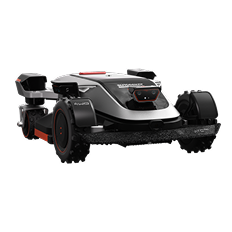
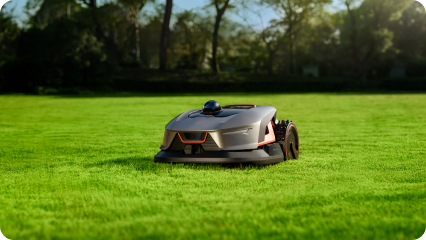
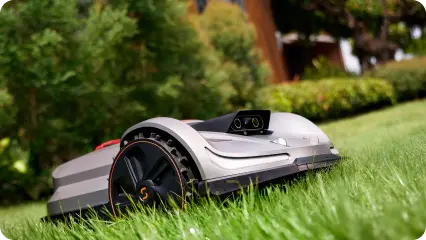
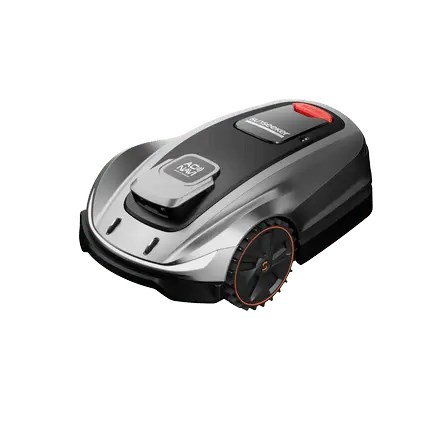
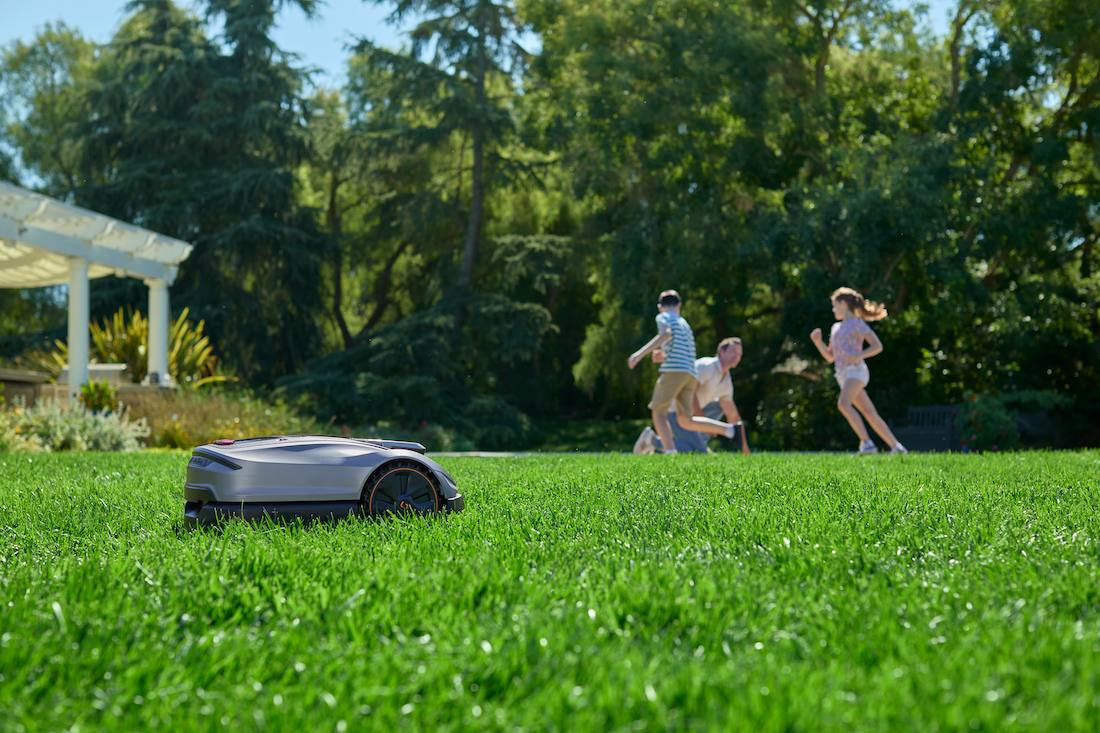
After the damaged areas are repaired and the grass is established, the Sunseeker Elite X5 can help keep routine mowing consistent without treating the squirrel issue as a mower problem. Its wire-free AI mapping, editable virtual zones, and scheduled light cutting help you maintain established turf while leaving newly seeded or barrier-protected spots alone until they are ready for normal care.
Small squirrel holes rarely need professional help. Call an expert when the pattern suggests larger wildlife, structural risk, nesting near the home, or damage that keeps returning after practical lawn changes.
Get help if holes are larger than 3 inches wide, sod is peeled back in sections, or tunnels lead under patios, sheds, steps, or foundations. These signs may point to skunks, raccoons, groundhogs, rats, or other burrowing animals. A licensed wildlife professional can identify the animal and recommend humane exclusion.
Call for help if an animal appears injured, trapped, unusually aggressive, or active inside a wall, attic, garage, or crawlspace. Do not seal an entry hole until you know animals are not inside, especially during nesting season.
If insects are driving the digging, a lawn care professional or local extension office can confirm the pest before treatment. Grub controls work best at specific life stages, and unnecessary insecticide can disrupt beneficial organisms without solving the digging.
Learning how to keep squirrels from digging up lawn areas is mostly about removing rewards and protecting weak spots. Clean up food, cover bulbs and new seed, repair bare soil, and keep grass dense through steady mowing and watering. Small holes can be fixed quickly, but large tunnels or repeated damage may need expert identification. For established lawns that are ready for routine maintenance, Sunseeker’s Robot Lawn Mowers without Perimeter Wires can help support a cleaner, more consistent mowing routine without adding buried-wire work.
Squirrels often dislike strong smells such as peppermint, garlic, hot pepper, and predator scent, but scent alone is rarely permanent. Rain, watering, and mowing weaken repellents quickly. Use smells around beds or repair patches as a support, then combine them with food cleanup, barriers, and seed protection.
Permanent removal is not realistic or usually necessary. New squirrels can move into the same area if food, shelter, and easy digging spots remain. A better humane goal is to make the lawn less attractive: secure feeders, remove fallen food, protect new seed, repair bare patches, and block access to structures.
Yes, but the strongest results usually come from combining methods. Cover newly seeded soil, use 1/2-inch hardware cloth over bulbs, clean up birdseed and nuts, and keep turf dense through proper mowing and watering. Repellents can help for short periods, especially after rain-safe reapplication.