



FAQs
8/3/2026
Contents
Products
Residential Lawns



Explore
Where to Buy


Liquid aeration uses a sprayed soil-conditioning product to help water move into compacted or water-repellent soil. It can support mild compaction, clay-heavy lawns, and routine soil improvement, but it does not remove physical plugs like core aeration. The best results come with moist soil, steady watering, and realistic expectations.
A lawn can look healthy while water still pools, runs off, or fails to soak into the soil. When the ground feels hard, renting a heavy core aerator may seem like more work than the lawn needs.
Liquid aeration offers a simpler option, but the results depend on the type and level of soil compaction. In this blog, you’ll learn how liquid aeration works, how it differs from core aeration, when it may help, and how to apply it as part of a practical soil-care routine.
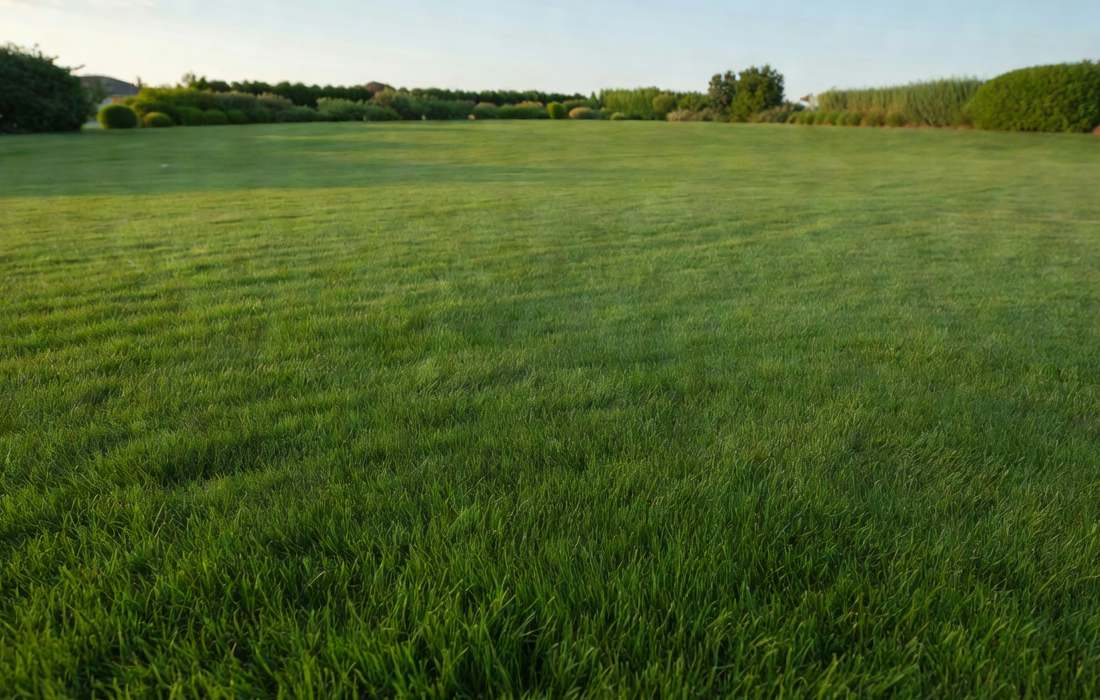
The phrase what is liquid aeration of lawn usually refers to applying a liquid soil conditioner over turf with a hose-end sprayer, backpack sprayer, or pump sprayer. The goal is to improve how water, air, and nutrients move through the upper soil layer without punching holes in the ground.
Most liquid aeration products use blends of wetting agents, surfactant-like materials, humic substances, enzymes, yucca extracts, or similar soil-conditioning ingredients. The exact formula depends on the product label. These ingredients are not the same as fertilizer, although some products may be sold beside lawn feeds. They are meant to change soil behavior, especially water movement, not directly green up the grass like nitrogen.
Liquid aeration is best seen as a gradual soil-care tool. It may help lawns where water beads on the surface, where light foot traffic has tightened the top few inches, or where clay soil dries hard between watering. It is less useful when the ground is severely compacted by construction, heavy vehicles, repeated parking, or long-term neglect. In those cases, mechanical core aeration, soil correction, or renovation may be needed first.
Liquid aeration works through chemistry and water movement, not through visible holes. A core aerator physically removes small plugs of soil. A liquid aerator spreads through the soil profile with irrigation and helps water enter areas that may have become tight, dry, or water-repellent.
After application, the lawn usually needs watering so the product can move off the grass blades and into the soil. The effect is not instant. A homeowner may notice easier watering, less runoff, or softer soil after several irrigation cycles, but a hard lawn will not suddenly become loose overnight.
This is why the answer to does liquid lawn aeration work depends on the problem. It can be useful for mild to moderate soil tightness and maintenance. It is not a rescue treatment for dead turf, buried debris, poor grading, or soil that needs deep rebuilding.
Both methods aim to help roots receive more air and water, but they do it in different ways. The right choice depends on how compacted the soil is, how quickly you need results, and how much disruption the lawn can handle.
Use the comparison below as a practical starting point before choosing one method for your lawn.
Factor | Liquid Aeration | Core Aeration | Best Use |
How it works | Sprayed soil conditioner moves into the soil with water. | A machine pulls small soil plugs out of the lawn. | Choose based on soil severity. |
Visible disruption | Usually no visible holes or plugs. | Leaves cores on the surface for several days. | Liquid suits low-disruption maintenance. |
Compaction level | Best for mild to moderate surface tightness. | Better for heavy traffic, dense clay, or compacted root zones. | Core aeration suits serious compaction. |
Speed of results | Gradual; often judged over several weeks. | Faster physical opening of the soil profile. | Core aeration gives clearer short-term relief. |
Cost and effort | Often lower effort for DIY spraying. | May require renting equipment or hiring a service. | Liquid is easier for small routine jobs. |
Seeding support | Can help water movement before or after seeding. | Creates openings that can improve seed-to-soil contact. | Core aeration is stronger before overseeding. |
Liquid aeration makes the most sense when the lawn is still alive and the soil problem is manageable. It is often used as part of a maintenance program, especially when a homeowner wants better water penetration without the mess or scheduling challenge of core aeration.
A good time to apply is during active grass growth, when soil is moist but not saturated. For many lawns, that means soil temperatures above about 50°F and air temperatures in a comfortable range, roughly 55°F to 80°F. Avoid applying during a heatwave, drought dormancy, frozen ground, or right before heavy rain that may wash the product away.
Here are some cases when you’d better use liquid aeration:
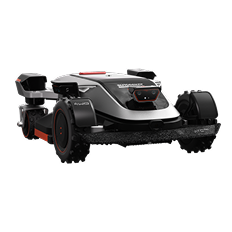
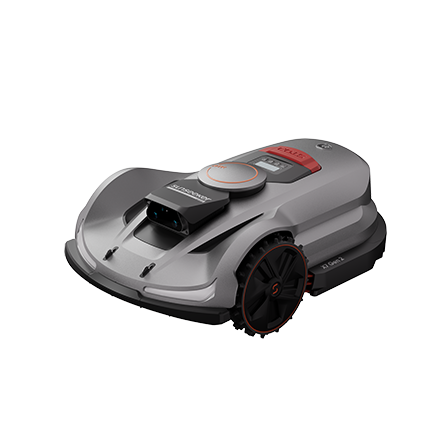
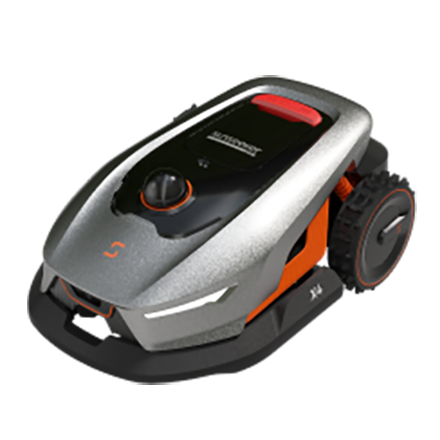
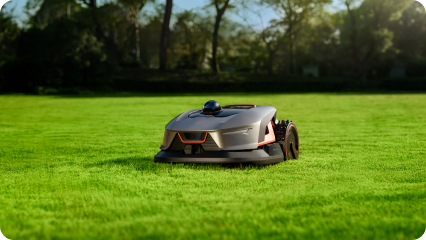
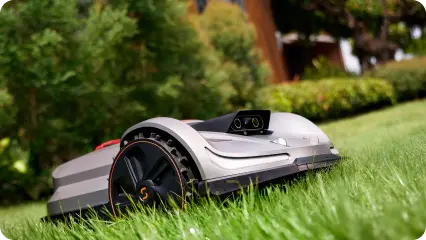
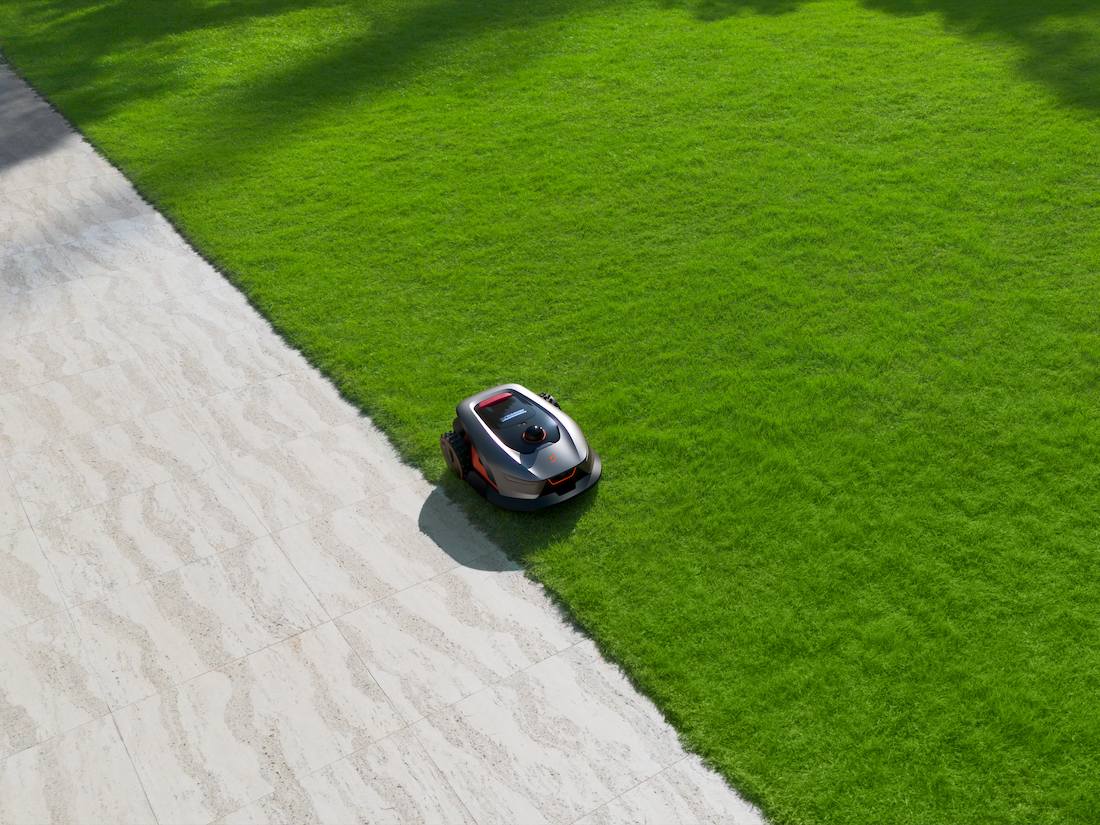
After soil improvement work, consistent light mowing helps new growth stay even and reduces stress on recovering turf. On an established lawn, the Sunseeker Elite X4 can support that routine with wire-free setup, intelligent mapping, and regular trimming that keeps grass at a more stable height.
Application is simple, but accuracy matters. Too little product may give weak results, while too much can waste money or leave the lawn unevenly treated. Always follow the label rate and water-in directions for the specific product you bought.
Apply liquid aeration when the lawn is slightly moist and actively growing. Mow one or two days before treatment so spray can reach the soil surface more easily. Clear leaves, sticks, and heavy clippings first. If the soil is bone dry, water lightly the day before, then let the grass blades dry before spraying.
Read the label before mixing. Many products list rates per 1,000 square feet, so measure the lawn area instead of guessing. Mark the yard into sections if needed. Also check temperature limits, pet and child re-entry guidance, and watering instructions. Do not mix liquid aeration with herbicides, fertilizer, or other lawn chemicals unless the label clearly allows it.
Use a hose-end sprayer for broad coverage or a pump sprayer for small areas. Move at a steady walking pace and overlap passes slightly, much like painting a wall. The goal is even coverage across the soil surface, not soaking one patch while missing another. Pay extra attention to high-traffic paths, dry edges, and compacted strips near driveways.
Avoid spraying on windy days because drift can waste product and create uneven results. If the lawn is divided into front, side, and back zones, complete one zone at a time. This makes it easier to track coverage and prevents accidental double dosing near turns or hose connections.
Most liquid aeration products need water after application to move into the soil. A common target is a light watering of about 1/4 to 1/2 inch, unless the label gives different directions. The soil should become evenly moist, not muddy. Heavy watering can move the product past the active root area or create runoff.
Give the treatment time. Judge results over two to six weeks through soil moisture checks, not just color. Push a screwdriver into treated areas after watering. If it enters more easily and the lawn dries less patchily, the product is helping. Some labels allow repeat treatments every four to eight weeks during the growing season, but repeated spraying will not fix poor drainage, buried rubble, or soil that needs physical renovation.
Liquid aeration can be a helpful way to improve water movement and support healthier roots when soil is only mildly compacted. It works best as part of a broader lawn plan: correct watering, steady mowing, soil testing, and occasional core aeration when compaction becomes serious. For long-term upkeep after soil conditions improve, a well-matched robot lawn mower can help maintain a more even lawn through regular light trimming, while soil care keeps the root zone healthier below the surface.
Liquid aeration can be good for lawns with mild compaction, dry surface soil, or uneven water absorption. It is less useful for severe compaction, thick thatch, poor grading, or dead turf. Think of it as a soil-conditioning step, not a complete repair for every lawn problem.
DIY liquid aeration usually costs less than hiring core aeration, especially for a small yard. A professional liquid aeration service may cost around $200 for an average lawn, though prices vary by lawn size, product, region, and service package. Always compare coverage area and follow-up needs, not price alone.
Apply liquid aeration during active grass growth when the soil is moist and temperatures are moderate. Avoid frozen soil, saturated soil, drought dormancy, and extreme heat. For best results, treat the lawn before stress becomes severe, then water according to the product label so the treatment reaches the soil.
Many homeowners can apply liquid aeration themselves with a hose-end or pump sprayer. A pro may be better if the lawn has drainage problems, severe compaction, large acreage, or repeated failure after DIY treatments. Professional help can also include soil testing and a clearer repair plan.