











FAQs
8/3/2026
Contents
Products
Residential Lawns










Explore
Where to Buy


A greener lawn starts with identifying what is limiting growth. If the grass is still healthy but looks pale, quick improvements usually come from correcting watering, mowing, and nutrition issues. When problems involve compacted soil, weeds, pests, or deeper damage, longer-term care is needed. The right balance of quick fixes and consistent maintenance creates lasting lawn color.
You look across your yard after several hot weeks and notice the same frustrating problems: pale grass near the sidewalk, uneven color between sunny and shady areas, weeds appearing in thin spots, and mower marks that remain visible for days. These issues are common, but adding more water or fertilizer is not always the right answer.
Learning how to make lawn greener starts with finding what your grass is missing. This guide covers quick fixes and long-term care habits, from watering and mowing to soil improvement and lawn recovery.
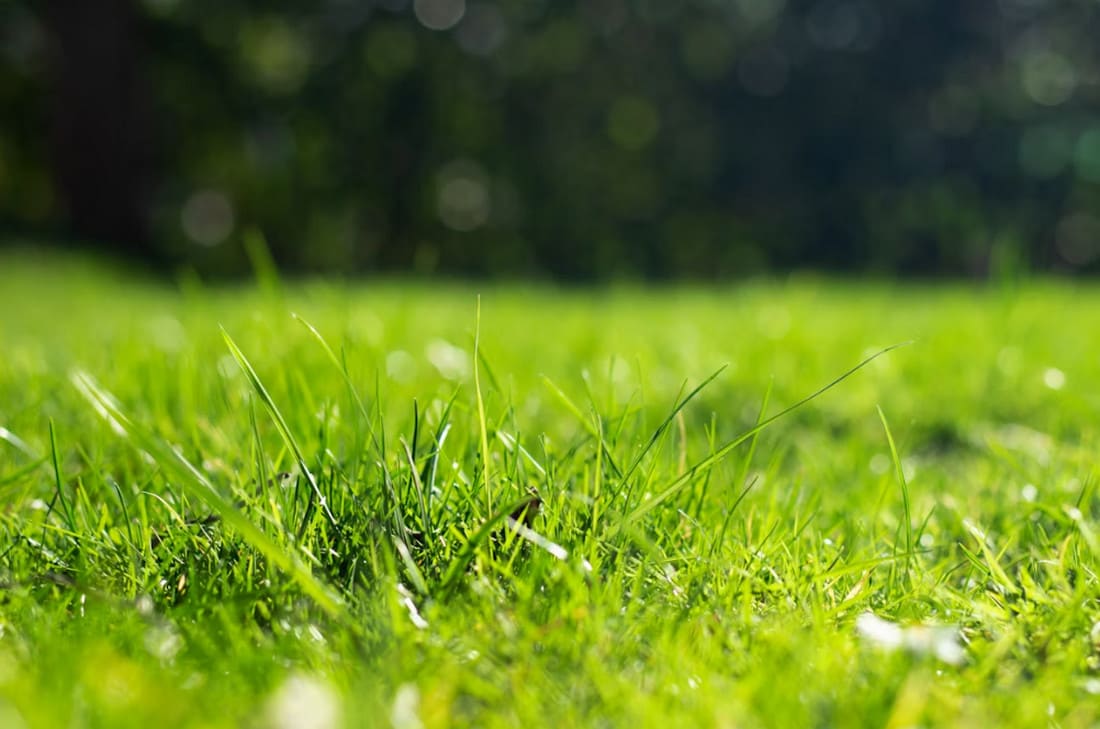
A pale lawn can result from several problems that produce similar symptoms. Check the pattern, blades, roots, and soil before adding water or fertilizer.
Fast color improvement comes from correcting the factor currently limiting the grass, not applying several products at once. Check moisture, mowing quality, and nutrient needs in that order.
Dull, gray-green blades, curled edges, and footprints that remain visible indicate that the lawn may need water. For established turf, about 1–1.5 inches of water per week, including rainfall, is a useful starting point. Apply it in one or two deep sessions early in the morning so moisture reaches the root zone. Before irrigating, check the soil 2–3 inches deep; wait if it is still moist, since saturated roots can also cause yellowing.
A cleaner cut can improve the lawn’s appearance after a single mowing. Follow the one-third rule, removing no more than one-third of the blade height per session. Cutting lower can expose pale stems and increase heat stress. Inspect the blade when grass tips look white or shredded, and sharpen or replace it when the edge is dull or damaged. Adjust mowing height to the grass type rather than cutting every lawn at the same setting.
Nitrogen can deepen color when growth is uniformly pale, while iron may improve green color with less additional blade growth. Apply either only when the turf is actively growing and adequately hydrated. Use a soil test to check pH and nutrient levels, particularly when yellowing returns after feeding. Choose a lawn fertilizer suited to the grass type, measure the treatment area, and spread it evenly to prevent stripes or burn. Avoid heavy applications during drought, extreme heat, or dormancy.
A consistently green lawn needs coordinated watering, mowing, feeding, and soil care. Use the routine below to support deeper roots, steady growth, and better color throughout the growing season.
Watering on a fixed calendar can leave the lawn too dry after hot weather or too wet after rainfall. Check the root zone before running the irrigation system.
1. Push a screwdriver or trowel 2–3 inches into the soil. Water when this layer feels dry and the grass looks dull, curls slightly, or holds footprints.
2. Supply about 1–1.5 inches of water per week, including rainfall, as a starting point for established turf.
3. Irrigate early in the morning so water can soak in before daytime evaporation increases.
4. If clay or compacted soil produces runoff, divide the total into two shorter cycles with a 30–60 minute pause between them.
As the season changes, adjust the amount according to rainfall, temperature, soil type, and grass growth.
Grass needs enough leaf surface to produce energy and shade the soil. Cutting too low exposes pale stems, increases moisture loss, and can make an otherwise healthy lawn look yellow.
For homeowners who prefer a steady mowing rhythm, a robot lawn mower such as the Sunseeker Elite X4 can handle frequent light cuts with an adjustable cutting height. This helps keep the canopy even while seasonal height changes remain easy to manage.
Apply fertilizer when the lawn is actively growing and has enough moisture to use the nutrients. Uniform pale growth may indicate low nitrogen, while yellow young blades with greener veins can suggest limited iron availability.
1. Test the soil every two to three years, or when color problems return despite regular feeding.
2. Use the results to check pH and nutrient levels before selecting a fertilizer.
3. Apply a measured amount evenly with a calibrated spreader to prevent dark stripes and burned areas.
4. Avoid heavy nitrogen feeding during drought, extreme heat, dormancy, or immediately before heavy rain.
Cool-season turf usually responds well to fall feeding, while warm-season grass uses nutrients most effectively during late spring and summer growth.
Hard soil limits the movement of air, water, and roots. Thin grass near paths, standing water, and soil that resists a screwdriver even when moist are useful signs of compaction.
Core aerate during active growth, then leave the removed plugs to break down naturally. Add only a light layer of compost if the soil needs improvement. Reseed exposed areas during the suitable season for the grass type, keep the seedbed consistently moist, and limit traffic until the new grass has been mowed at least once.

Recovery time depends on the cause and the condition of the grass. A healthy lawn with mild water stress may regain color within a few days to two weeks after deep watering. Nutrient-related yellowing often improves within one to three weeks after the correct fertilizer or iron treatment.
Compacted soil, damaged roots, bare patches, pests, or disease take longer because the lawn must rebuild growth, not just restore color. Aerated or reseeded areas may need several weeks to a full growing season to blend into the surrounding turf. Consistent watering, proper mowing height, balanced nutrition, and early diagnosis usually produce faster and more lasting results than repeated quick treatments.
If you are wondering how to make lawn greener, begin by identifying what is weakening its color. Check soil moisture before watering, mow at the correct height with sharp blades, and apply nutrients during active growth. Compaction, bare patches, pests, or heavy competition may need separate attention. Consistent care helps the lawn develop stronger roots, denser growth, and a deeper green color that lasts longer than a quick cosmetic treatment.
Water deeply if the soil is dry, mow with a sharp blade, and apply a quick-release nitrogen fertilizer only when the grass is actively growing. Liquid iron can improve color within a few days without forcing excessive growth. Check for drought, compaction, disease, or dull mower damage first, since fertilizer will not fix those problems.
No. Baking soda does not revive grass and can raise soil sodium levels, burn leaves, and damage roots, especially when applied repeatedly. It may temporarily affect some fungi or weeds, but it is not a reliable lawn treatment. Flush accidental spills with water and correct the real cause of yellowing, such as drought, nutrient deficiency, or disease.
Use nitrogen fertilizer when growth is weak and pale across the whole lawn, or apply iron when the grass is growing normally but looks yellow-green. Follow soil-test results and product rates to avoid burning. If patches are brown, first check moisture, roots, pests, and disease, because dead or damaged turf may need reseeding rather than feeding.