






FAQs
8/1/2026
Contents
Products
Residential Lawns




Explore
Where to Buy


A lawn bubble is a raised, soft, or spongy patch where water, air, foam, or loosened soil pushes grass upward. Most cases trace back to an irrigation leak, trapped water under turf, poor drainage, compacted soil, or insect activity. Keep people and mowers off the spot, find the source, drain carefully, then level and repair the turf.
You step onto the lawn and feel the ground shift beneath your shoe like a small waterbed. The grass may still look green, which makes the raised area difficult to explain, or the problem may appear as a wet mound, foam on the blades, or a hollow patch after rain or irrigation.
This issue is common in lawns with sprinkler systems, newly laid sod, clay soil, poor drainage, or excessive summer watering. In this blog, you’ll learn how to identify the signs, trace the cause, repair the area safely, prevent it from returning, and recognize when professional help is needed.

Before deciding what caused the problem, look closely at the shape, moisture level, and location of the raised area. These clues help separate a true turf bubble from normal uneven ground, animal damage, or surface foam.
A real lawn bubble usually looks like a raised patch that feels soft, springy, or unstable when pressed gently. It may be only 6 to 12 inches wide, or it may spread several feet across if water is collecting under sod. The surface often sits higher than the surrounding lawn, and the grass may flex under light pressure.
Moisture is a major clue. If the area is wet when the rest of the yard is dry, an underground sprinkler pipe, valve, or drainage issue may be feeding the bubble. If white foam sits on grass blades but the soil feels firm, spittlebugs may be the issue. If the spot is dry, hollow, and loose, animal tunnels, decaying roots, or soil settling may be involved. Location also helps explain what causes lawn bubble problems, especially near sprinkler heads, downspouts, patios, and low lawn edges.
Lawn bubbles do not all come from the same source. Some are water-filled, some are tied to soil movement, and some only look like bubbles because of foam or pest activity.
A leaking irrigation line can push soil upward and create a soft dome under the grass. Watch for bubbling near sprinkler heads, soggy strips between zones, weak sprinkler pressure, or a water meter that moves when no fixtures are running. If the bubble appears after a sprinkler cycle and slowly sinks later, an irrigation leak should be high on your list.
New sod, compacted topsoil, heavy rain, or frequent shallow watering can trap water between the grass layer and the soil below. The bubble may feel like a water pouch. Pressing it may cause water to move sideways under the grass, which shows the turf layer is floating instead of firmly rooted.
Spittlebugs produce white, bubbly foam on grass stems as they feed. This is different from a raised water pocket under turf. The soil usually feels normal, and the foam appears on the blades. Light activity rarely needs aggressive treatment. Rinsing the area, improving airflow, and reducing thick thatch often helps.
Compacted soil slows water movement. Clay-heavy ground, foot traffic, construction debris, and repeated mowing on damp soil can create a hard layer that traps water near the surface. If puddles stay for more than 24 hours after rain, drainage and compaction need attention before any surface repair will last.
The safest repair starts with protecting the soft area, then finding the water or soil problem behind it. Cutting into the bubble too early can hide the cause and leave the lawn uneven again after the next rain or sprinkler cycle.
Keep children, pets, wheelbarrows, and mowers away until the ground is stable. A soft bubble can collapse under pressure, tearing roots and leaving a deeper depression. Mark the spot with small flags or stakes. If the area is near a regular mowing path, skip that strip until it firms up.
Check the sprinkler zone first if the bubble appears after irrigation. Turn on each zone for a few minutes and watch for swelling, seepage, low head pressure, or water rising from the ground. Also inspect downspouts, hose bibs, drainage outlets, and low edges where runoff enters the lawn. Shut off the affected zone or main valve if water keeps feeding the bubble.
If the bubble is clearly full of water and no longer being fed, make a small slit at the lowest edge with a clean utility knife or garden spade. Press gently around the raised area so water drains slowly. Avoid standing on the center, because sudden pressure can tear sod and leave a wide dip. Lift only the section needed to inspect mud, roots, or pipe damage below.
After drainage, remove loose mud, broken roots, or debris. Add screened topsoil or compost-rich lawn soil in thin layers, usually 1/4 to 1/2 inch at a time. Press the turf back down so roots contact the soil. If grass has died, reseed and cover lightly. Keep the surface moist for 7 to 14 days, then mow when new grass reaches about 3 to 4 inches tall.
Prevention works best when you control water movement and protect the repaired soil while roots knit back together. A bubble often returns when irrigation, drainage, compaction, or mowing habits stay the same after the first repair.
Use these checks after heavy rain, sprinkler repairs, or new sod installation:
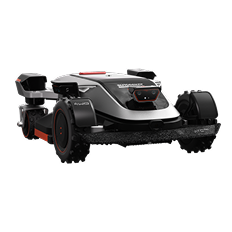
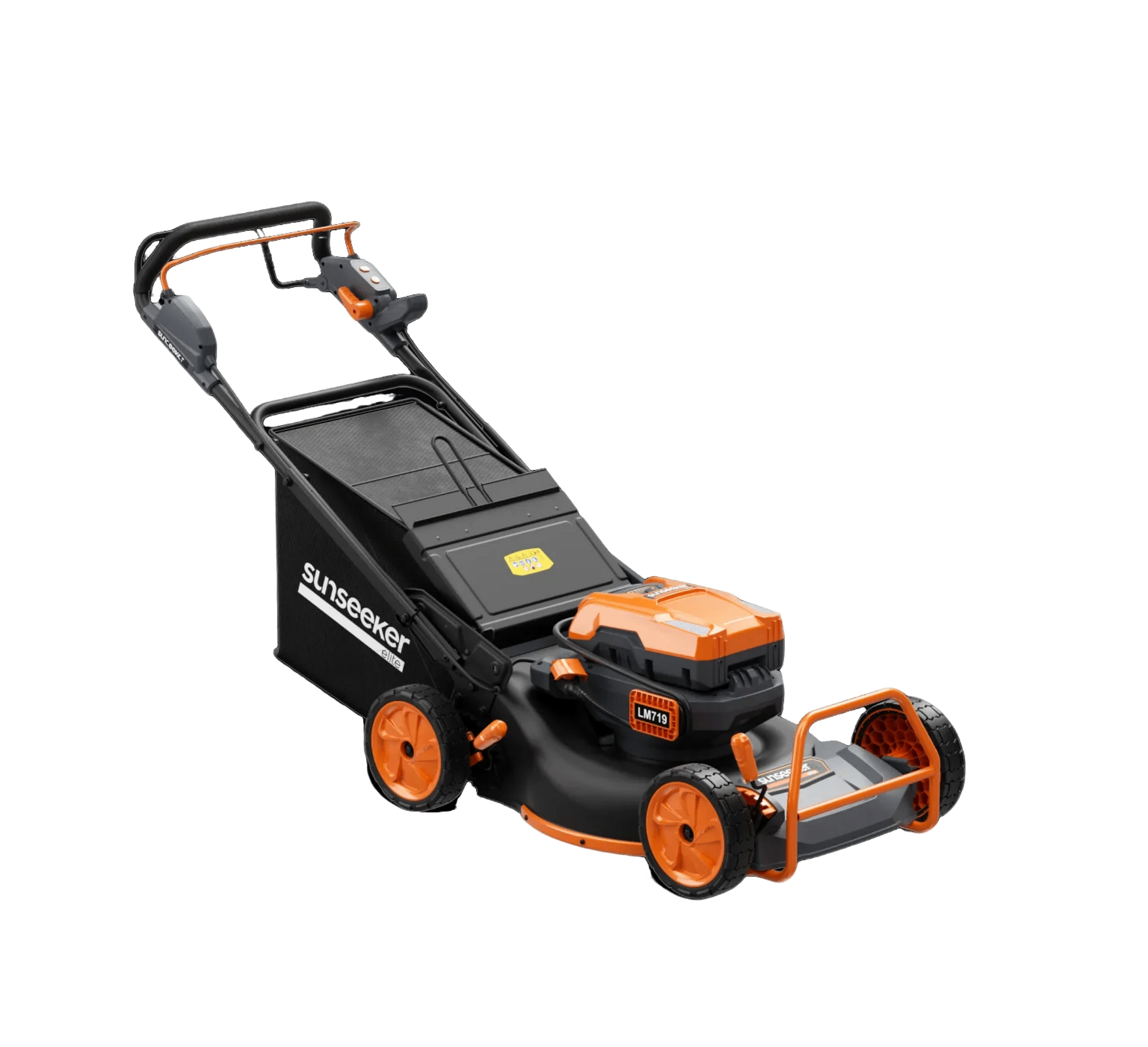
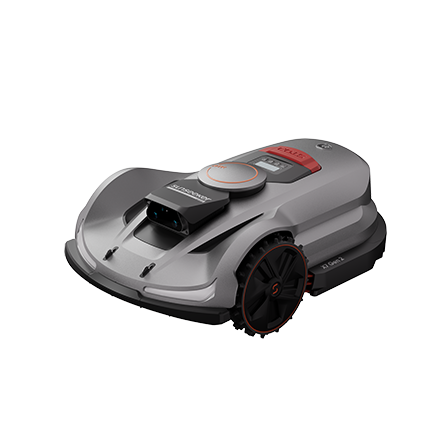
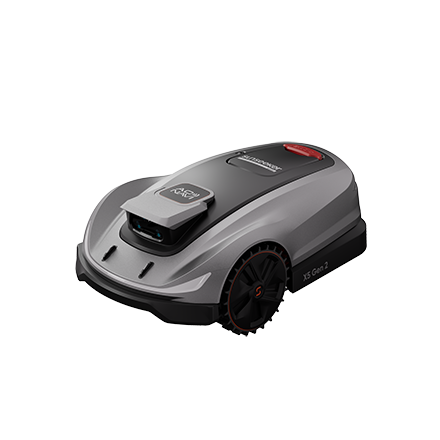
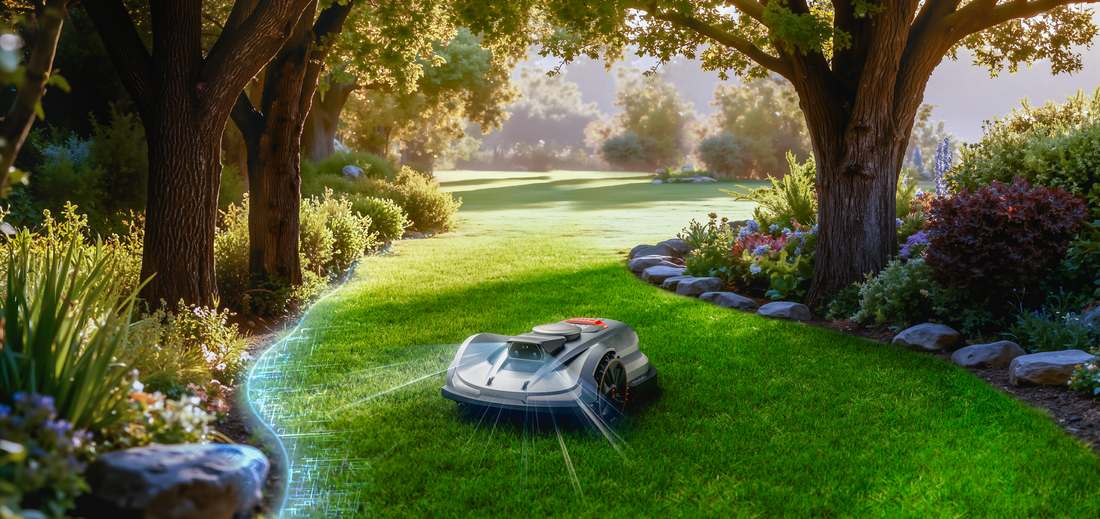
After the drainage or irrigation issue is fixed and the surface is firm again, steady light mowing can help the repaired area blend into the rest of the lawn. The Sunseeker Elite X7 Gen 2 supports routine maintenance with wire-free mapping, AWD with rear-wheel steering, and electronic cutting-height adjustment, so established lawns can be trimmed on planned routes while sensitive recovery zones are managed carefully through app-based settings.
Some lawn bubbles are small enough for a careful homeowner to handle. Others point to hidden plumbing, drainage, or soil problems that need tools and experience.
Call an irrigation expert if the bubble forms during every watering cycle, sprinkler pressure drops, or water keeps surfacing after the system is turned off. A buried line, cracked fitting, stuck valve, or damaged lateral pipe may need pressure testing and repair. Digging without knowing pipe location can make the leak worse.
A lawn care or drainage professional is also helpful when several bubbles appear across the yard, the lawn stays wet for days, or the soil sinks after each repair. Large bubbles over 3 feet wide, strong sewage smells, muddy water, or erosion near a foundation deserve quick professional attention.
Lawn bubbles usually warn that water, air, pests, or loose soil are disrupting the root zone. The right fix starts with observing the spot, stopping excess water, draining gently, leveling the turf, and correcting irrigation or drainage habits. Once the lawn is firm again, consistent mowing, careful watering, and regular inspections help keep the surface stable. For easier long-term upkeep on established lawns, Sunseeker Robot Lawn Mowers can support routine trimming without turning lawn care into a weekend burden.
Early grub signs include irregular brown patches, turf that lifts like a loose carpet, more birds or animals digging, and weak roots under thinning grass. Grubs do not usually create a soft water-filled bubble, but they can loosen turf and make the surface feel hollow or unstable.
For shallow bumps, mow the grass, rake loose debris, and spread a thin layer of screened topsoil or compost mix over uneven areas. Keep each layer around 1/4 to 1/2 inch so grass can grow through it. For deeper bumps, lift the turf, correct the soil level, then reseed or relay sod.
A lawn bubble happens when water, air, foam, or loose soil collects under or around the turf layer. Irrigation leaks, trapped water under sod, compacted soil, poor drainage, and some pests can all create a raised or spongy spot. Finding the source matters more than pressing the bubble flat.