




FAQs
8/3/2026
Contents
Products
Residential Lawns




Explore
Where to Buy


Most established lawns stay healthier when cut between 2.5 and 4 inches, with warm-season grasses often tolerating shorter heights and cool-season grasses usually needing more leaf blade. Never remove more than one-third of the grass height in a single mow, and raise the deck during heat, drought, or recovery.
A lawn may look tidy immediately after mowing, then become pale, dry, or thin within a few days. Water and fertilizer are not always the cause. Cutting too low removes the leaf area grass needs to produce energy, weakens root growth, and leaves the soil more exposed to heat and moisture loss.
The correct mowing height varies with grass type, weather, shade, soil moisture, and recent stress. This blog explains useful height ranges, signs that the lawn is being cut too short, and practical adjustments that support cleaner cuts and healthier growth.
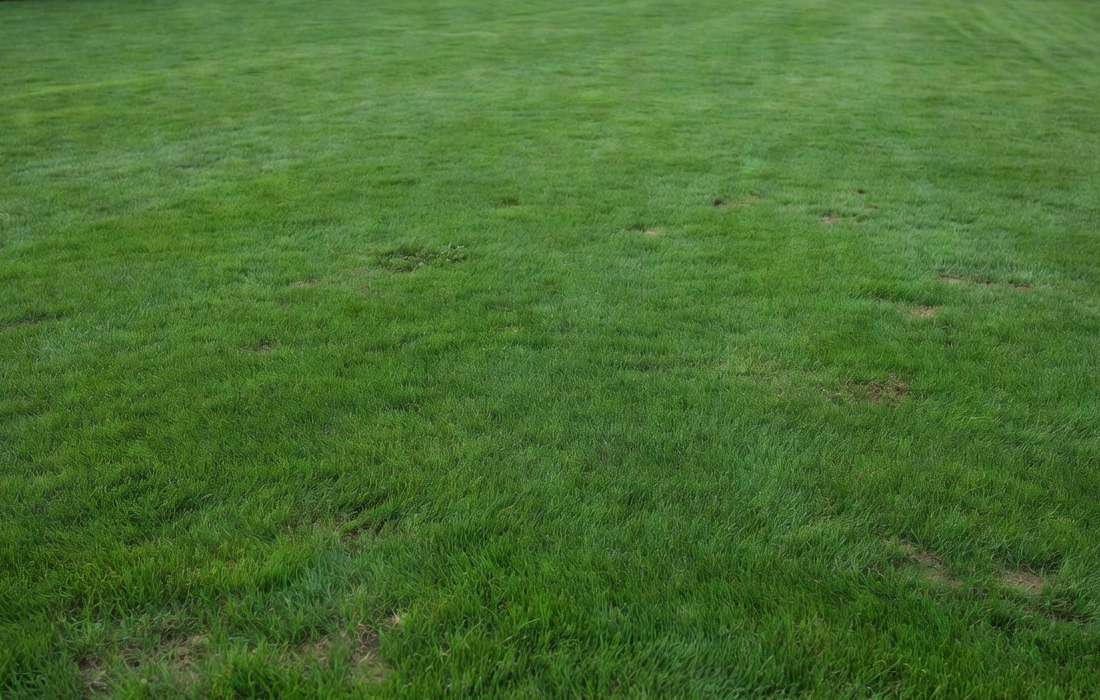
The safest answer for most home lawns is to keep grass tall enough to shade the soil, but short enough to avoid matting, disease, or a shaggy look. A healthy mowing height is usually a range, not a single exact setting.
For many established lawns, a practical target is 2.5 to 4 inches. Cool-season grasses such as tall fescue, Kentucky bluegrass, and perennial ryegrass usually perform best around 3 to 4 inches, especially in warm or dry weather. Many warm-season grasses can be kept shorter, often around 1 to 2.5 inches, depending on the species and mower type.
What conditions should be met before the first mow on newly established grass?
If you are unsure what height to cut lawn areas that contain mixed grass, choose the higher end of the range first. You can always lower the deck slightly after the lawn thickens, but scalped grass takes longer to recover. For a typical family lawn, a 3-inch setting is often a sensible baseline, then you can adjust up or down as the lawn responds.
Grass blades are not just visible growth. They collect sunlight, feed the root system, cool the soil surface, and help the turf compete against weeds. The mower setting influences all of those jobs.
A taller lawn usually builds deeper roots because it has more leaf area to support growth. Deeper roots reach moisture more effectively during dry spells, so the lawn stays greener for longer between watering cycles. Taller grass also shades weed seeds, which can reduce germination of crabgrass, spurge, and other opportunistic weeds in open soil.
Short mowing can be useful for certain warm-season lawns managed with the right equipment, but low cutting on the wrong grass type causes stress quickly. The lawn may look tidy for a day, then show brown tips, thin patches, or visible wheel tracks. Repeated low cuts can also increase evaporation and reduce the lawn’s ability to repair after foot traffic.
Cutting height also affects clipping quality. Use the one-third rule to decide how often to cut a lawn: light, timely cuts leave finer clippings that settle into the turf, while delayed heavy cuts create long or wet material that can smother grass.
Grass type is the strongest guide when choosing a mower height. A height that suits bermudagrass can stress tall fescue, while a setting that protects fescue may leave some warm-season lawns looking too loose.
Grass type | Common mowing height | Useful note |
Tall fescue | 3-4 inches | Use the higher end in heat, shade, drought, or pet-traffic areas. |
Kentucky bluegrass | 2.5-3.5 inches | Raise during summer and avoid sudden low cuts after fast growth. |
Perennial ryegrass | 2.5-3.5 inches | Needs sharp blades because torn tips brown quickly. |
Bermudagrass | 1-2 inches | Best lower only when dense, level, and actively growing. |
Zoysiagrass | 1.5-2.5 inches | Cut often enough to avoid thick, straw-like clippings. |
St. Augustine / centipede | 2.5-4 inches | Keep higher on hot, uneven, or lightly shaded lawns. |
Cool-season grasses grow most actively in mild spring and fall weather. They usually need more height because they rely on leaf area to handle summer heat, shade the crown, and protect the soil. Tall fescue often looks best around 3 to 4 inches. Kentucky bluegrass and perennial ryegrass can handle 2.5 to 3.5 inches in good growing conditions, but raising them during summer reduces stress.
If your question is how high should lawn be cut in a northern or transition-zone yard, choose 3 inches as a basic minimum for routine mowing. In shade, drought, or high traffic, move closer to 3.5 or 4 inches. The taller canopy helps the lawn recover and hides light thinning while new growth fills in.
Warm-season grasses grow strongly during hot weather and often tolerate lower mowing when they are dense and actively growing. Bermudagrass is commonly maintained around 1 to 2 inches, sometimes lower on highly managed turf with a reel mower. Zoysiagrass often performs well around 1.5 to 2.5 inches. St. Augustine and centipede are usually kept higher, often around 2.5 to 4 inches.
The question how low should you cut your lawn depends heavily on the grass and equipment. A rotary mower set too low can tear or scalp uneven areas, especially on bumpy soil. If the lawn has dips, tree roots, or slopes, raise the deck slightly so the blade does not strike high spots and expose brown crowns.
Seasonal changes affect growth rate, water demand, and stress level. The right setting in mild spring weather may be too low during a dry summer afternoon or too high before winter dormancy.
In spring, let the lawn wake up before making aggressive changes. Mow when the grass is dry and tall enough to cut cleanly, then follow the one-third rule. If you want a slightly lower look, reduce height gradually over two or three mowings, not in one sharp cut. This keeps crowns protected and limits yellowing.
During summer, raise the mowing height by about 0.5 inch for most cool-season lawns. A tall fescue lawn that looks good at 3 inches in spring may handle heat better at 3.5 to 4 inches. Warm-season lawns can usually stay near their normal range, but they still benefit from a clean blade and consistent mowing. Avoid mowing during the hottest part of the day when the grass is already wilted.
In fall, return gradually to the normal height as growth improves. Do not leave cool-season grass excessively long going into cold, wet weather because it can fold over and encourage disease. A final height around 2.5 to 3 inches suits many cool-season lawns, while warm-season lawns should stay within the range recommended for their species.
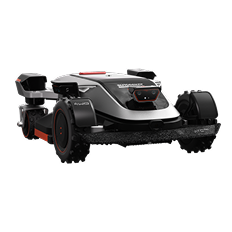
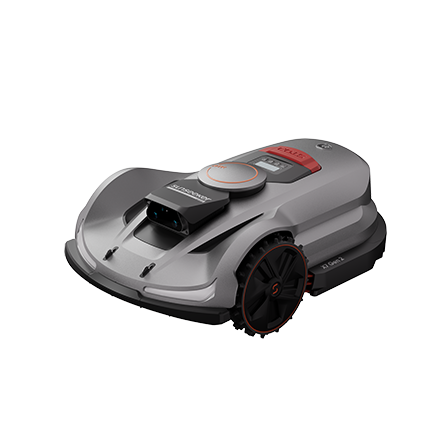
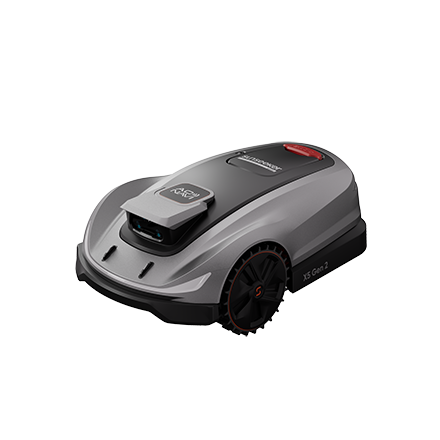
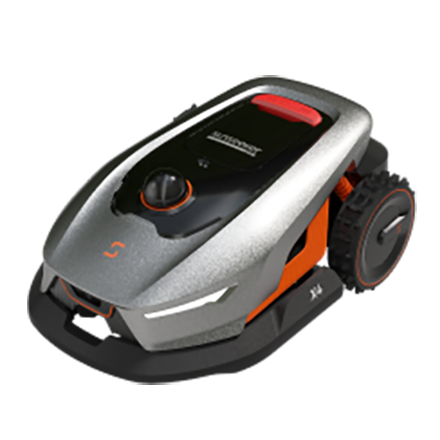
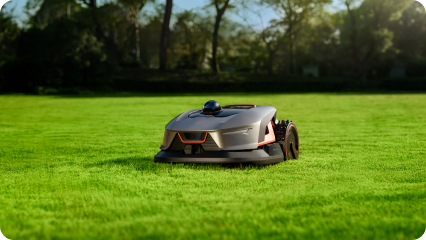
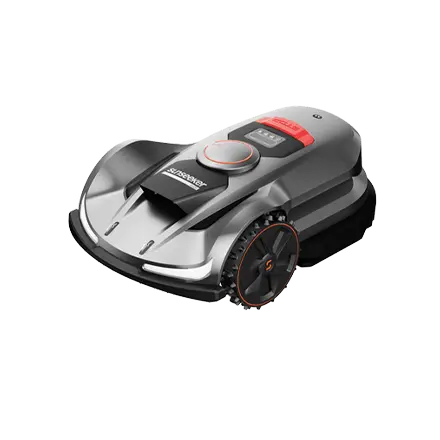
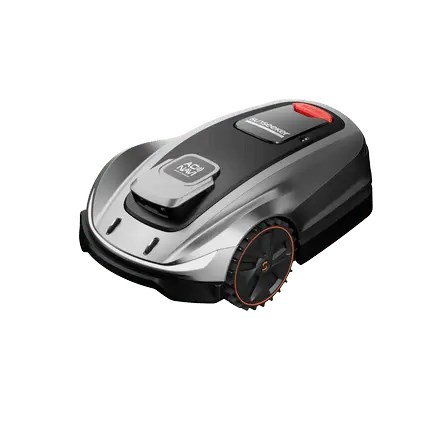
For established lawns that are already being maintained at a steady height, a robotic mower can help keep trims light and frequent. The Sunseeker Elite X4 supports a 1.6-3.2 inches adjustable cutting height, and its LiDAR plus vision-based navigation helps it work around everyday lawn layouts without perimeter wires. It is most useful for regular maintenance on a lawn that is already under control, because frequent small cuts help avoid the stress created when a mower removes too much grass at once.

Cutting too short is one of the fastest ways to make a lawn look worse after mowing. The damage may not appear immediately, but the grass often shows stress within a few hot or dry days.
Scalping happens when the mower removes too much leaf blade or cuts into the crown area of the plant. You may see tan streaks, exposed soil, rough patches, or pale grass tips. On uneven ground, the mower may scalp high areas even if the deck setting seems reasonable. This is why a very low setting is risky on bumpy lawns.
Short grass also leaves more sunlight reaching the soil. That can heat the root zone, dry the top inch of soil faster, and give weed seeds a better chance to sprout. If you cut the lawn low during drought, recovery slows because the plant has less leaf surface to produce energy. The lawn may need deeper watering and several weeks of careful mowing before it thickens again.
Judge when to cut a new lawn by root stability and height: wait until seedlings are firmly rooted an
The best mowing height protects the grass first and creates a clean look second. Most lawns do better when cut in the 2.5- to 4-inch range, with adjustments for grass type, season, shade, heat, and recovery. Follow the one-third rule, keep blades sharp, and raise the deck during stress. For routine upkeep, Sunseeker’s Robot Mowers with Mulching Blades can help established lawns stay evenly trimmed with small, regular cuts that support a neater mowing rhythm.
Most home lawns should be cut around 2.5 to 4 inches. Cool-season grasses usually prefer 3 to 4 inches, while many warm-season grasses can be shorter. If the lawn is stressed, shaded, or dry, use a higher setting and avoid removing more than one-third of the blade.
In summer, cool-season grass usually performs better at 3.5 to 4 inches because taller blades shade the soil and reduce heat stress. Warm-season grass can stay near its normal range if it is actively growing. Skip mowing during wilting, drought stress, or extreme afternoon heat.
The healthiest height depends on the grass type, but many lawns stay strongest when kept near the upper half of their recommended range. Taller grass supports deeper roots, reduces evaporation, and shades weed seeds. A clean blade and frequent light mowing matter as much as the exact number.
Four inches is not too high for many cool-season lawns, especially tall fescue in summer, shade, or dry weather. It may be too tall for some warm-season grasses that grow best at lower heights. If the lawn folds over or looks matted, lower the setting gradually.