





FAQs
8/20/2026
Contents
Products
Residential Lawns









Explore
Where to Buy


The safest way to decide how much lime to add to a lawn is to test the soil first. Most lawns grow well near a pH of 6.0 to 7.0, but the right lime rate depends on the current pH, soil texture, lawn size, and product label. Apply lime evenly, water it in, and give it time to work before adding more.
You spread fertilizer, water on schedule, and still see thin grass, moss, or weak color. The problem may not be the amount of effort you put into the lawn. Acidic soil can prevent grass from using nutrients effectively, so the lawn looks tired even with regular care.
That is why lime is often part of a soil correction plan. However, guessing the rate can cause new problems. The sections below explain why lime is used, how much lime for lawn areas is usually needed, and how to apply it with less waste. Keep reading to equip yourself with the helpful knowledge.

Most common turfgrasses prefer a soil pH close to 6.0 to 7.0. When the pH is too low, fertilizer may still be present in the soil, but grass may not use it efficiently. This is where lime takes effect. Made from ground limestone, it is usually used to raise the soil pH value. The two main types-calcitic lime supplies calcium, while dolomitic lime supplies calcium and magnesium-both can reduce acidity.
You may need lime if you notice several warning signs at the same time:
The correct rate depends on three things: current soil pH, target pH, and soil texture. Sandy soil changes faster and often needs less lime, while clay soil holds more acidity and often needs more. Because of this, the best answer to how much lime to apply to lawn areas should come from a soil test report.
As a broad starting point, the following ranges show how lime needs may vary with soil pH:
Soil pH result | General lime estimate per 1,000 sq ft | What it usually means |
6.2 to 6.5 | 0 to 15 lb | Often close to the right range; use lime only if the soil test recommends it. |
5.8 to 6.1 | 15 to 30 lb | A light correction may help many cool-season lawns use nutrients better. |
5.4 to 5.7 | 30 to 50 lb | Moderate acidity; apply carefully and retest before repeating. |
Below 5.4 | 50 lb or more, split over time | Strong acidity; follow lab guidance and avoid one heavy application. |
However, these numbers are estimates, not a replacement for a lab result. Product strength also matters. You’re suggested to follow the bag rate and any spreader setting listed on the label.
There is also a method to calculate how much lime is required. Measure the lawn first. For regular rectangular lawns, multiply length by width for each section, subtract patios and beds, then divide by 1,000. For instance, if your lawn is 4,000 square feet and the recommended rate is 25 pounds per 1,000 square feet, you need about 100 pounds total. For irregular lawns, a simple method to make the estimate closer is by breaking the space into smaller rectangles.
Another rule of thumb: never apply more than about 50 pounds per 1,000 square feet in one pass unless the soil report and label support it. For large corrections, split the rate, wait several months, and test again.
Applying lime is not difficult, but even coverage matters. Uneven spreading can create striped growth, patchy pH correction, or dusty piles that sit on the surface. Work slowly, use the label rate, and treat lime as a soil amendment that needs time rather than a quick lawn color fix.
Begin with a soil test before buying lime. You can either do it with a home kit or ask for help from a local extension service or soil lab. When collecting soil samples, take several soil cores from the top 3 to 4 inches, mix them in a clean container, and remove roots or stones. After testing, check the report to learn the soil pH and recommended lime rate per 1,000 square feet. It may also indicate whether dolomitic or calcitic lime is more appropriate based on magnesium levels.
Pelletized lime is the easiest form for most homeowners. It is less dusty, flows well through a broadcast spreader, and gives more even coverage. Pulverized lime can act faster because it has very fine particles, but it is dusty and harder to spread neatly.
Once you know the recommended rate, calculate the total amount for your lawn. For example, a 6,000-square-foot lawn at 30 pounds per 1,000 square feet needs about 180 pounds of lime. If the label says one 40-pound bag covers 2,000 square feet at a light rate, do not assume the same bag covers that much for every soil condition.
Apply lime when the grass is dry, the soil is not frozen, and the forecast does not call for heavy rain right away. Lightly water the lawn after application if recommended on the product label. A general standard is about 1/4 inch of water after spreading. This can help move lime from the grass blades onto the soil surface and reduce uneven coverage.
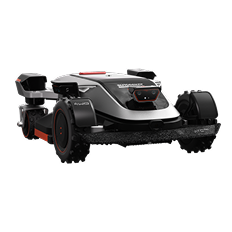
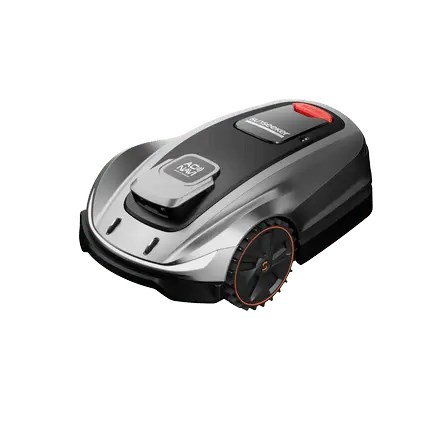
While the soil gradually responds to the lime, regular mowing helps maintain consistent turf growth. If you’re tired of frequent manual intervention, robot lawn mowers without perimeter wires can support this routine. Wire-free design means less setup time. You can expect it to serve upon arrival. With app scheduling, the drop-and-go Sunseeker Elite X4 is a good alternative on established lawns. With high-precision 3D LiDAR and AI algorithms, it generates over 210,000 points per second to build a precise real-time 3D map for accurate positioning and seamless navigation. You don’t need to worry about ignored corners and can focus on soil pH, watering, and feeding at the right times.

The best time to apply lime depends on the conditions of the soil and the lawn. In general, fall is the preferred season and you should also follow some common rules.
Lime can help acidic soil support stronger grass, but the answer to how much lime to add to lawn areas begins with a soil test, not a guess. You can start with a test to fully understand the soil pH value and texture. Product strength and lawn size are also key considerations. Then, you should apply lime evenly, water it in, and give it time to work. For longer-term lawn upkeep, a smart robot lawn mower like the Sunseeker Elite X4 can be part of a steady care routine.
Yes. Too much lime can raise soil pH above the healthy range for turfgrass. When that happens, grass may struggle to use iron, manganese, and other nutrients. The lawn can look pale even with fertilizer. Test first, follow the recommended rate, and avoid repeating lime before retesting the soil.
Lime usually takes several months to change soil pH noticeably. Fine lime can react faster than coarse lime, while soil conditions also affect how quickly it works. You may see improved turf growth as pH moves toward the target range, but a follow-up soil test after 6 to 12 months is more reliable than judging the result by appearance alone.
You can sometimes apply lime and fertilizer in the same season, but spacing them apart is often cleaner and safer. Lime changes soil chemistry slowly, while fertilizer feeds grass more directly. If the lime rate is heavy, apply lime first, water it in, and wait a few weeks before feeding unless the soil report says otherwise.