




FAQs
9/9/2026
Contents
Products
Residential Lawns




Explore
Where to Buy


Mulch grass clippings when the lawn is dry enough to cut cleanly and the mower removes no more than about one-third of blade height. Small clippings settle into the canopy and decompose quickly; they do not normally create thatch. Bag or remove clippings when grass is wet, severely overgrown, heavily clumped, or affected by a disease where sanitation is recommended.
Grass clippings can disappear into the lawn after one mowing and form heavy, wet rows after the next. That difference usually comes from grass height, moisture, and how much is removed in a single pass-not from the time of year alone.
For many healthy lawns, leaving fine clippings in place is the easier option because they break down quickly and return nutrients to the soil. This blog explains when mulching works well, when clippings are better collected, and how mowing height, wet grass, heavy growth, and lawn disease can change the decision.
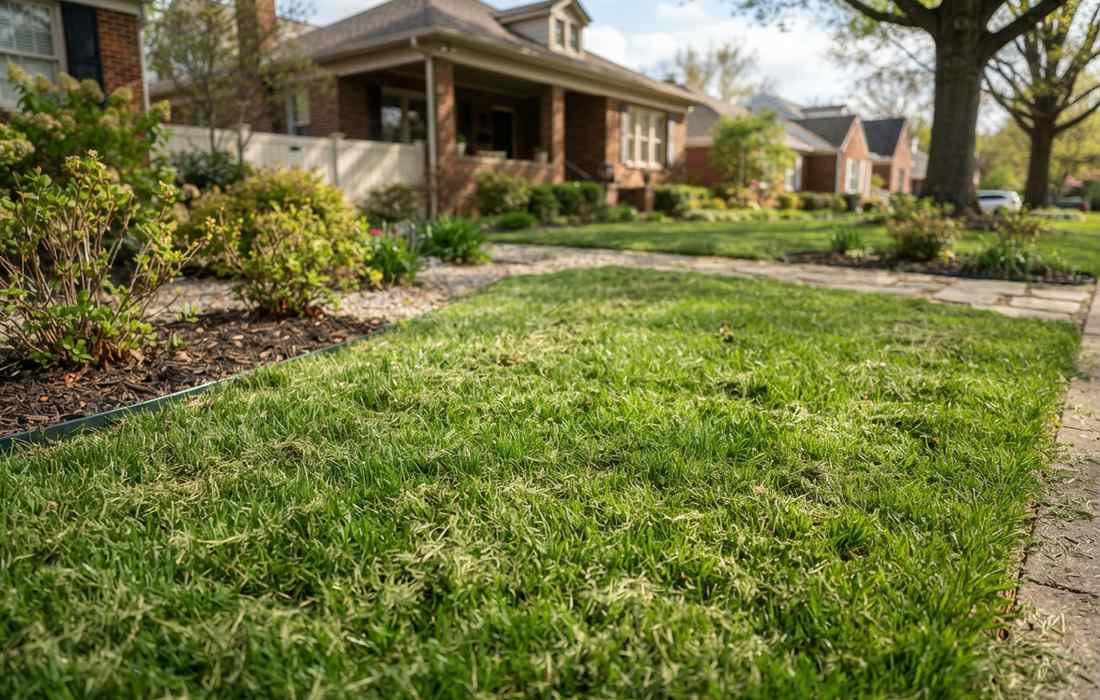
Mulch when the grass is reasonably dry, actively growing, and being cut often enough that the clippings are short. Colorado State University Extension recommends mowing frequently enough that no more than one-third of the blade is removed in a single cut. During rapid spring growth, that can mean mowing about every five days rather than waiting a full week.
Small clippings fall between standing leaves and decompose quickly. CSU estimates that 1,000 square feet of bluegrass lawn can produce about 200 pounds of clippings in a year, much of it water. Returning those clippings recycles nitrogen and other nutrients; its turf guidance notes that supplemental nitrogen applications can often be reduced by roughly one-quarter to one-third when clippings are consistently returned.
Mowing height still matters. For many cool-season lawns, 2.5-3 inches is a strong general reference. If the target is 3 inches, apply the one-third rule before the lawn exceeds about 4.5 inches. Cutting a 6-inch lawn directly to 3 inches produces twice as much leaf removal as the rule allows and creates larger clippings that are harder to disperse.
Bagging is useful when clipping volume or lawn condition prevents the cut material from settling back into the canopy. Treat it as a situational tool rather than the automatic choice after every mow.
Wet blades stick together, reduce cut quality, and form heavy clumps. If you must mow after prolonged rain, slow down, raise the deck if needed, and consider collecting clippings that remain in dense mats.
For overgrown turf, restore height gradually. A 6-inch lawn with a 3-inch target should not lose half its leaf area at once. Make a higher first cut, wait several days for recovery, then lower the height over subsequent mowing sessions.
Clumps thick enough to cover the grass beneath can block light and hold moisture against the canopy. Rake, redistribute, or collect them instead of leaving a wet layer on top. A thin scattering of short clippings is very different from a mat several inches wide and an inch thick.
Check mower discharge and blade condition when clumping happens repeatedly in dry grass. A clogged deck or dull blade can worsen particle size and distribution even when mowing frequency is adequate.
Clipping removal can help when certain lawn diseases are active, especially if infected leaves may spread spores during mowing. Bagging is most useful when symptoms are widespread or disease pressure is high, but it should be paired with proper watering and mowing practices.
Mow only when the grass is dry, avoid cutting affected areas too short, and clean mower blades and decks before moving to healthy turf. Dispose of heavily infected clippings away from the lawn.
Each discharge method solves a different mowing problem. Choose based on clipping volume, turf condition, and where the material can safely land rather than using the same setting for every cut.
Method | Best for |
Mulching | Dry grass, regular mowing, short clippings, light leaf cover |
Bagging | Heavy clippings, thick leaf buildup, disease-related cleanup |
Side Discharge | Tall or dense grass, large clipping volume, open areas where clippings can spread safely |
Good mulching depends on matching mowing practice to current turf conditions. A few routine adjustments keep returned clippings unobtrusive and useful.
Wait until dew has mostly evaporated and leaf surfaces are dry enough to separate. Dry clippings circulate through the deck more easily and scatter into the lawn instead of sticking together.
If rain has delayed mowing for several days, use a higher first cut rather than waiting for perfect dryness while grass continues getting taller.
Remove no more than about one-third of the grass blade at a time. For a 3-inch target, mow when the grass reaches around 4.5 inches. For a 2.5-inch target, mow near 3.75 inches.
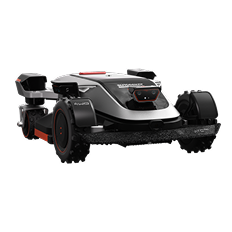
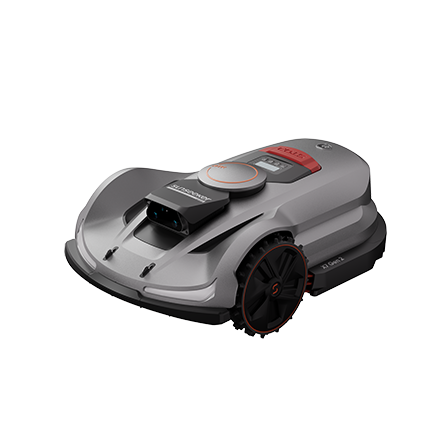
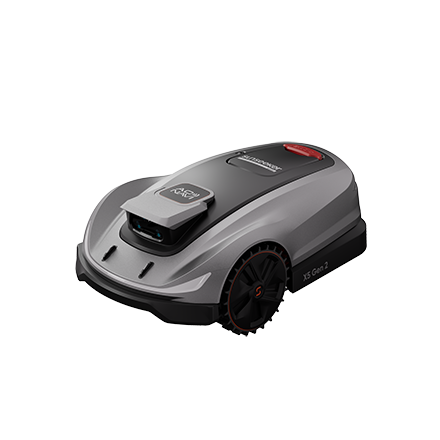
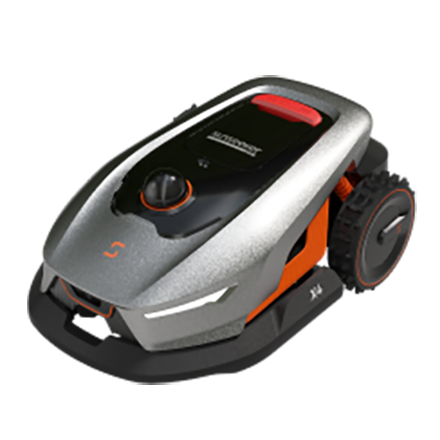
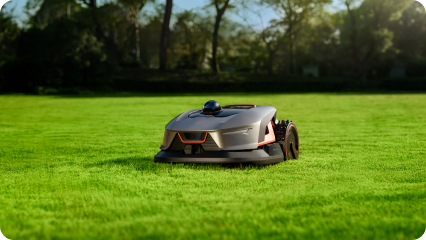
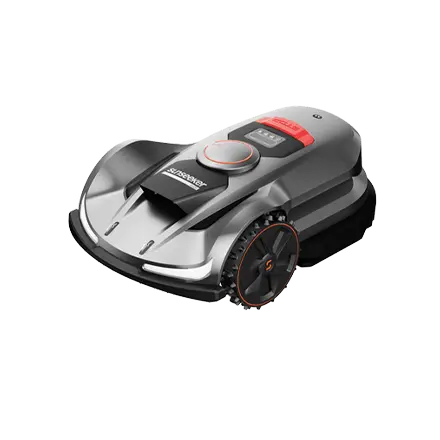
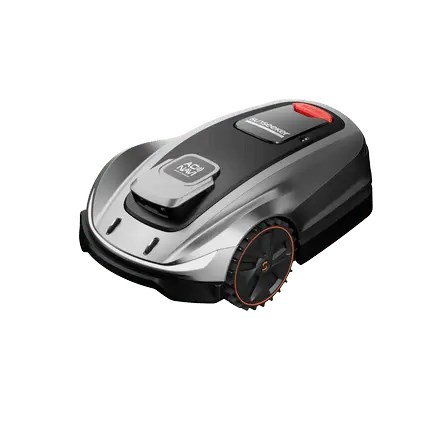
This may mean mowing every four or five days during strong spring growth, while seven to ten days can be enough when growth slows in summer or fall. On a large lawn, an automated mower can make these lighter, more frequent cuts easier to maintain. The Sunseeker Elite X9, for example, can manage cutting heights from 0.8-4.0 inches and bring taller grass down over multiple passes, which is useful after a growth spurt when taking everything off at once would leave too many clippings.

A sharp blade produces a clean cut and smaller, more uniform clippings. Ragged white tips after mowing often indicate a dull edge. Inspect the blade regularly and sharpen or replace it according to mower instructions.
Clean dried buildup from the underside of the deck with the machine safely powered down. Airflow and deck cleanliness affect how clippings circulate and disperse.
A few small clumps are easy to correct. Once they dry, make another pass from a different direction, spread them with a leaf blower, or rake out the thickest areas. Do not leave dense mats sitting on the grass, since they can block light and hold excess moisture against the turf.
Normally, no. Thatch is made mainly of slowly decomposing stems, roots, rhizomes, and stolons rather than grass leaves. Under normal mowing conditions, short mulched clippings break down quickly and do not significantly add to the thatch layer.
Clippings contain plenty of water and relatively soft leaf tissue, so decomposition is usually faster than the buildup of tougher turf material. Excessive nitrogen, vigorous growth, compacted soil, and grass species that produce dense stems or stolons are more common contributors to thatch.
Check the actual thatch layer before taking action. If the brown, spongy layer between the green grass and soil reaches roughly 1/2-3/4 inch, core aeration or dethatching may be useful, depending on the grass type. Visible clippings on the surface alone are not a reliable sign of thatch buildup.
Mulching works best when clippings are short, dry, and spread evenly across the lawn. Follow the one-third rule, mow more often during fast growth, keep the blades sharp, and collect clippings only when wet grass, heavy growth, clumping, or disease control makes removal necessary. Because this approach depends on frequent, light cuts, GPS Robot Mowers with mulching can be useful for keeping a regular mowing pattern across larger lawns. Returned clippings can then break down gradually, recycle nutrients, and normally will not contribute to thatch.
Mulching is usually the better default for a healthy lawn cut at the proper frequency because short clippings decompose quickly and return nutrients. Bag when wet or overgrown grass creates heavy mats, when clippings must be kept off hardscape, or when a disease-management recommendation calls for sanitation. The lawn condition matters more than a fixed bag-or-mulch rule.
No. Normal grass clippings break down quickly and do not significantly contribute to thatch. Thatch is made mainly of tougher stems, roots, rhizomes, and stolons that accumulate faster than they decompose. Returning short clippings also recycles nutrients into the soil and, with consistent mowing, can reduce supplemental nitrogen needs by roughly one-quarter to one-third.
For garden beds, April to May is usually the best time to mulch, once the soil has warmed but before summer heat dries it out. A second application can be made in October or November to protect roots over winter. Avoid applying thick mulch to cold, waterlogged soil in early spring.