





FAQs
8/11/2026
Contents
Products
Residential Lawns





Explore
Where to Buy


Gypsum can help certain lawns by adding calcium and sulfur, improving soil structure in some clay soils, and reducing sodium problems in salty soils. It is not a general lawn greener, pH fixer, or substitute for fertilizer. A soil test should guide every gypsum application, because the wrong amendment can waste money and leave the real lawn problem untouched.
A lawn can keep thinning even when mowing, watering, and feeding seem right. When rain starts pooling, the soil feels sticky when wet and hard when dry, the problem may be related to soil structure rather than the grass itself.
This is where gypsum sometimes comes into the conversation, but it only helps under certain soil conditions. In this blog, you’ll learn what does gypsum do for lawns, how to tell whether your soil may benefit from it, how to apply it properly, and when aeration, compost, lime, or better watering is the more suitable fix.
Gypsum is calcium sulfate dihydrate, a mineral amendment that supplies calcium and sulfur without raising soil pH the way lime can. That detail matters because some lawns need calcium but do not need a pH increase. In the right soil, gypsum can support better structure, drainage, and root access to air and water.
The main benefit is not instant green color. Gypsum works below the surface. Calcium can help tiny clay particles bind into larger soil aggregates. When that happens, water can move through the soil more easily, and roots may have a better path into the ground. This effect is most useful in certain clay soils, especially when sodium is part of the problem.
Gypsum also helps replace sodium in sodic or salt-affected soil. Too much sodium can cause soil particles to disperse, which leads to crusting, poor drainage, and weak root growth. Calcium in gypsum can push sodium off the soil exchange sites, and irrigation or rain can then help move that sodium deeper through the profile. This is why gypsum is often linked with reclamation of problem soils rather than routine lawn feeding.
Still, gypsum has clear limits. It does not lower high pH the way elemental sulfur may over time. It does not raise low pH like lime. It does not supply nitrogen, phosphorus, or potassium in meaningful amounts, so it will not replace a balanced fertilizer. If your lawn is yellow because of low nitrogen, heavy shade, poor mowing, grubs, or drought stress, gypsum may do very little.
Gypsum is worth considering when the soil problem matches what gypsum can actually fix. The best clues come from a soil test, water behavior, and the way the soil feels after rain and during dry periods. Guessing based on lawn color alone is rarely reliable.
There are also times when gypsum is unlikely to help. If your soil is sandy, acidic, low in organic matter, or simply compacted by foot traffic, gypsum may not solve the main issue. Sandy soil usually needs organic matter and better watering practices. Acidic soil may need lime. Compacted soil often needs core aeration, topdressing, and reduced traffic pressure.
A simple jar test can offer a rough clue about soil texture, but it cannot replace a lab test. For a more useful result, send a soil sample to a local extension service or professional lab. Ask for pH, nutrient levels, organic matter, calcium, magnesium, sodium, and soil texture information. This gives you a clear reason to use gypsum or skip it.
Gypsum application is not complicated, but the order matters. You need to confirm the need, choose a product that spreads evenly, apply the correct amount, and then water it into the soil. Treat it as a soil amendment, not a quick cosmetic fix.
Start with a soil test before buying gypsum. Sample several spots across the lawn, especially areas with poor drainage, crusting, or weak growth. Remove surface debris and collect soil 3 to 4 inches deep for established turf. Mix the samples in a clean bucket, let the soil dry, and send the amount requested by the lab.
Read the report carefully. If the report recommends gypsum, follow the listed rate rather than copying a generic bag label. Common home-lawn rates may range around 20 to 50 pounds per 1,000 square feet, but the correct amount depends on soil condition, sodium level, and product instructions. Overapplication does not speed results and may disturb nutrient balance.
Most homeowners will find pelletized gypsum easiest to spread. It flows through a broadcast or drop spreader more evenly than fine powder, creates less dust, and is simpler to apply on an existing lawn. Powdered gypsum can work, but it may blow around, cling to wet blades, and spread unevenly if you are not careful.
Check the label for the application rate, spreader settings, and any safety notes. Avoid mixing gypsum with fertilizer unless the label or a professional recommendation supports that plan. A soil amendment and a fertilizer have different jobs. If you need both, it is often cleaner to apply them separately and water between applications as directed.
Mow the lawn first if the grass is tall, then apply gypsum to dry foliage and slightly moist soil. Use a spreader instead of throwing handfuls across the yard. For more even coverage, split the total amount into two passes and walk in crossing directions. Keep product away from storm drains, ponds, and hard surfaces, then sweep stray granules back into the lawn.
Water after application so the gypsum moves off the grass blades and into the soil. A light watering of about 1/4 to 1/2 inch is usually enough to start the process, though the product label should guide the final amount. Do not expect the lawn to transform in a week. Soil structure changes slowly, and visible improvement may take a season or longer, especially in heavy clay.
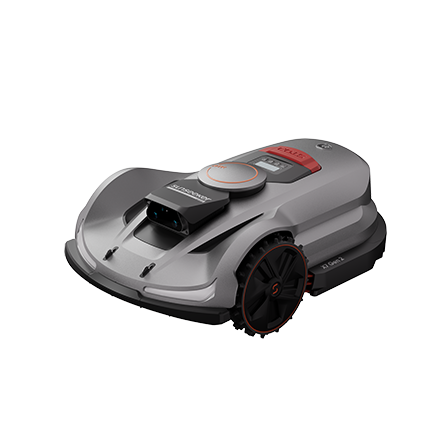
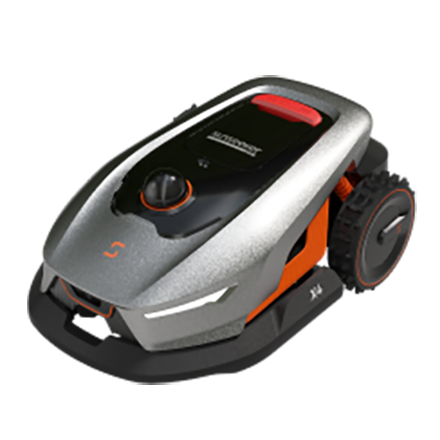
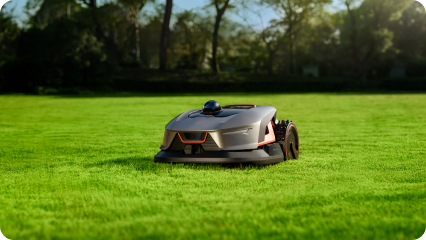
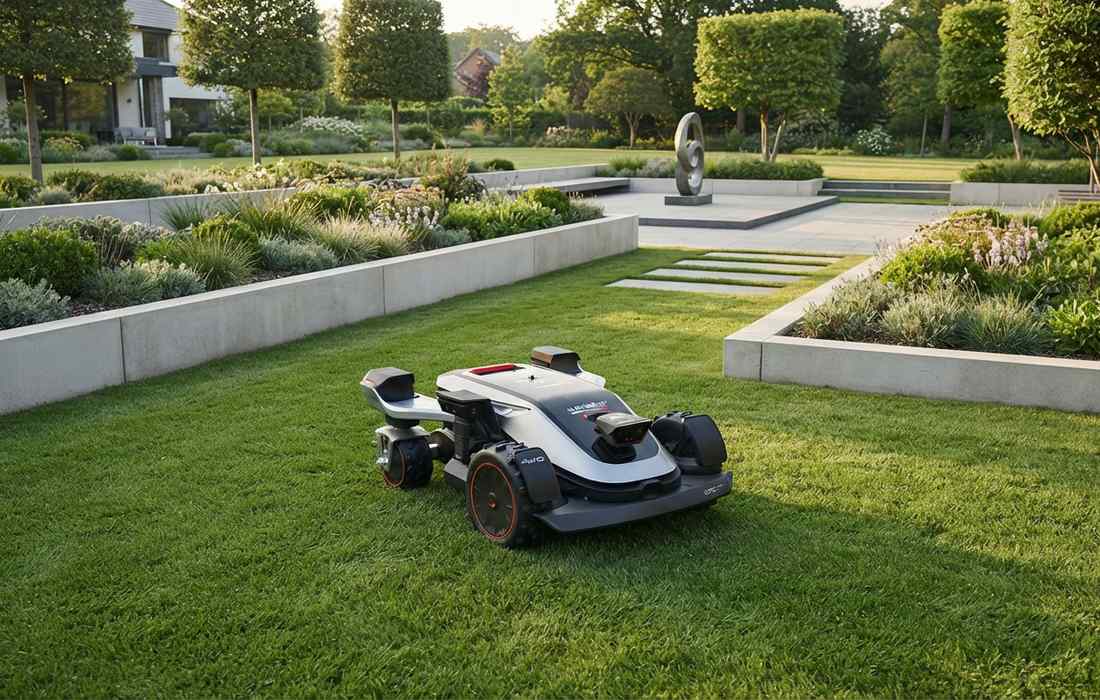
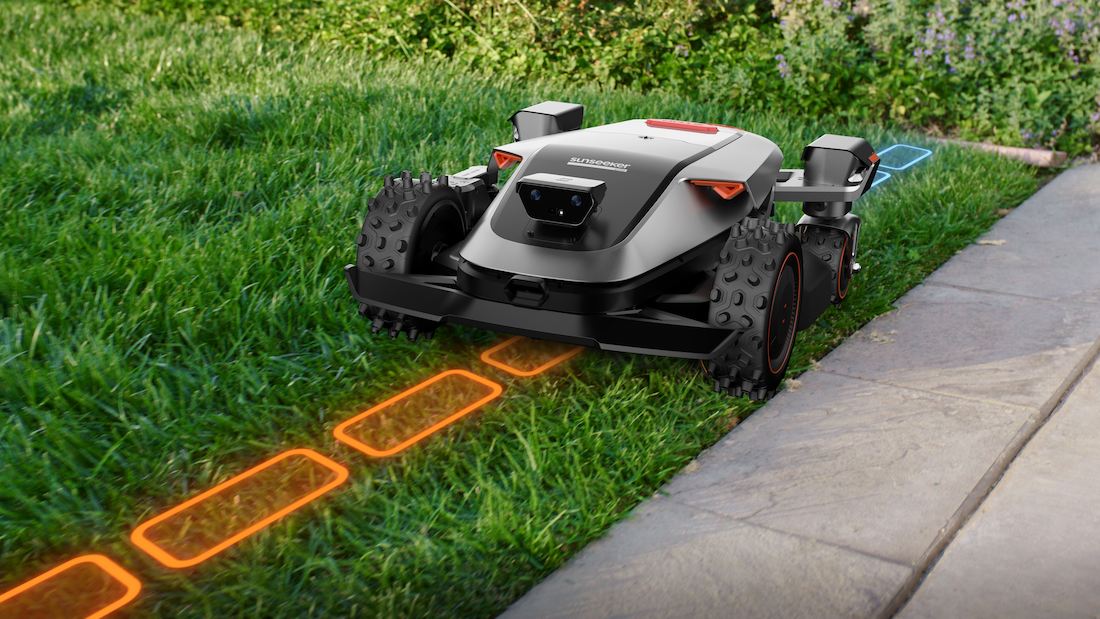
After gypsum, keep the lawn in a steady care rhythm. On large lawns, consistent mowing helps you notice drainage lines, weak patches, and uneven recovery before they spread. The Sunseeker Elite X9 is designed for large-area mowing and uses AONavi positioning with smart mapping features to help maintain established turf in planned zones. That kind of routine care supports the soil work you have already done instead of letting repaired areas become irregular again.
Gypsum is only one tool. Many lawn problems that look like soil trouble actually need a different fix. Choose the amendment or maintenance step that matches the real cause, and your lawn is much more likely to respond well.
If several problems overlap, handle them in the right order. Correct drainage and compaction first, then adjust pH or soil chemistry, then reseed or feed as needed. Adding gypsum to a lawn with poor grading, deep shade, or chronic overwatering will not address the real stress. The best results come when gypsum is part of a clear soil plan, not a guess.
You can also make lawn recovery easier through steady maintenance. Keep mowing height around 2.5 to 4 inches for many common turfgrasses, follow the one-third mowing rule, and water deeply rather than lightly every day. Those habits help roots use the soil improvements more effectively once gypsum, lime, compost, or aeration has addressed the underlying issue.
Gypsum can help lawns with specific clay or sodium-related soil problems, but it is not a cure for every weak, yellow, or patchy lawn. Start with a soil test, apply the right product at the right rate, and give the soil time to respond. When good soil correction is paired with steady mowing, watering, and feeding habits, the lawn has a better chance to stay dense and resilient. For larger properties, exploring a robotic lawn mower for large lawns can also help keep routine maintenance more consistent.
Gypsum is good for lawns only when the soil needs what gypsum provides. It can help certain clay soils and sodium-affected soils by adding calcium and improving soil structure. It is not useful as a general fertilizer, pH correction, or instant greening product. A soil test is the safest way to decide.
Gypsum does not directly turn grass green because it does not supply significant nitrogen. If the lawn is pale because of low nitrogen, poor watering, or disease, gypsum will not solve that issue. Grass may look better over time if gypsum improves the soil conditions that were limiting root growth.
Gypsum and lime solve different problems. Lime is better when soil pH is too low and needs to be raised. Gypsum is better when the soil needs calcium without a pH increase, or when sodium is harming structure. Choose between them based on soil test results, not lawn color alone.