




FAQs
10/13/2026
Contents
Products
Residential Lawns




Explore
Where to Buy


A dark green lawn comes from healthy growth, not the heaviest fertilizer rate. Check grass type, moisture, soil pH, nutrients, mowing height, and compaction before adding nitrogen. Iron can deepen color when iron is limiting, while nitrogen supports growth when nitrogen is actually deficient. Match the treatment to the cause.
Your lawn can be thick and growing yet still look lighter than the yard next door. That does not automatically mean it needs more fertilizer. Grass genetics, dry soil, high pH, compacted roots, mowing stress, and seasonal slowdown can all change how green the lawn appears.
Getting darker color safely means fixing the reason the lawn is pale instead of chasing color with extra nitrogen. This guide explains what to check first, when nitrogen or iron is useful, and which routine care changes can help the lawn stay evenly green.
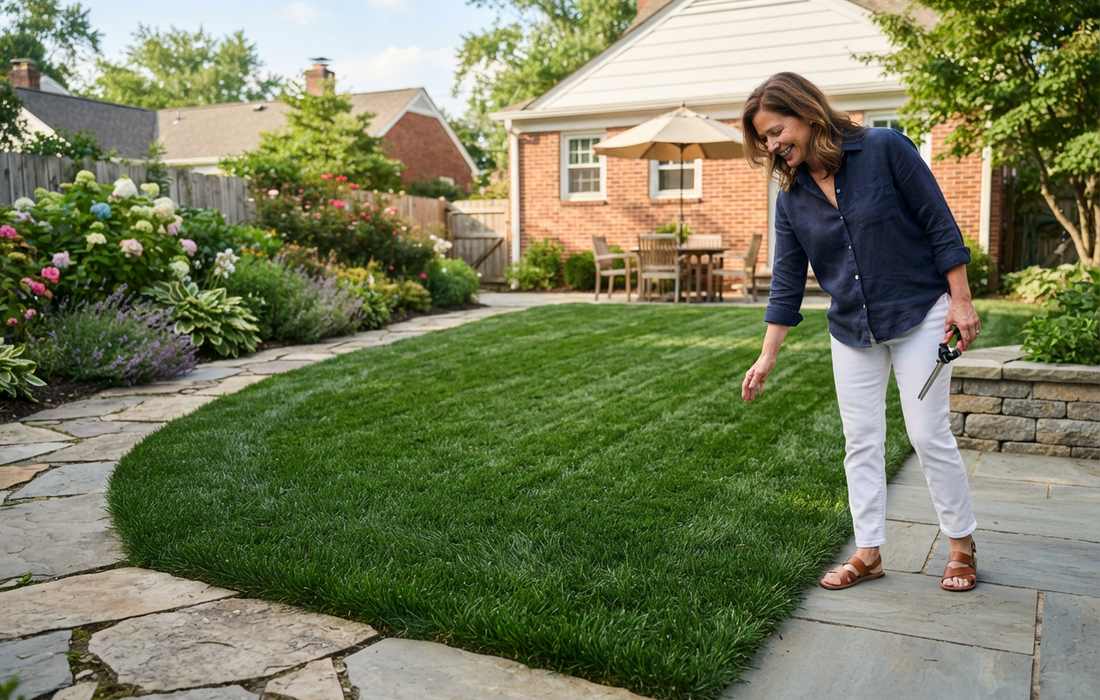
A pale lawn is a symptom, not a fertilizer diagnosis. Look at where the color change appears and what the grass is doing before deciding what to add. The checks below can help narrow down the likely cause.
Nitrogen and iron can both deepen turf color, but they solve different problems. Use the comparison below to match the treatment to the way the lawn is growing and where the discoloration appears.
|
Option |
Main effect |
Best fit |
What to expect |
If overapplied |
|
Nitrogen |
Supports chlorophyll, shoot growth, density, and recovery. |
Turf that is pale, thin, and growing slowly because N supply is inadequate. |
Greener turf plus more leaf growth and more clippings. |
Excess growth, fertilizer burn, weaker stress tolerance, disease pressure, and nutrient loss. |
|
Iron |
Supports chlorophyll processes and can deepen color with little extra shoot growth. |
Iron chlorosis, alkaline conditions, or established turf that needs color without a growth flush. |
Foliar color response can appear in 1-2 days and often lasts about 2-4 weeks. |
Leaf blackening or burn at excessive rates; iron can also stain hard surfaces. |
If the lawn is thin, slow-growing, and pale across older foliage, nitrogen may be the missing piece. Use a grass-specific fertilization schedule and local application limits rather than adding fertilizer whenever color fades. Soil tests are especially useful when the problem keeps returning or several nutrients may be involved.
Iron is more useful when the turf is growing reasonably well but lacks deep color, especially when young leaves show chlorosis or the soil is alkaline. Foliar iron can produce a visible color response within about 1 to 2 days and commonly holds for around 2 to 4 weeks. It does not correct a true nitrogen deficiency, and excess iron can blacken or burn leaves and stain concrete or stone.
Even the right nutrient will not hold a deep, even color if roots are stressed or mowing removes too much leaf area. The following care changes support steadier color without pushing unnecessary fertilizer growth.
Established turf in active growth often uses about 1 inch of water per week from rainfall and irrigation, though soil type, temperature, wind, and grass species can shift that need. Water based on actual moisture rather than a fixed timer. Early morning irrigation reduces evaporation and gives the canopy time to dry.
Look for a dull blue-green cast, folded blades, or footprints that remain visible before watering a mature lawn. Then apply enough water to moisten the root zone instead of giving the surface a light daily spray. If water stands in low areas or the soil stays saturated for days, reduce irrigation and correct drainage before treating the yellow color as a nutrient problem.
Use the recommended height for your grass type and remove no more than about one-third of the leaf blade in one mowing. Cutting below the species range can expose stems, reduce photosynthetic leaf area, and leave a pale or brown cast. During fast growth, mow more often instead of dropping the deck lower to catch up.
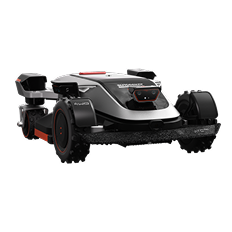
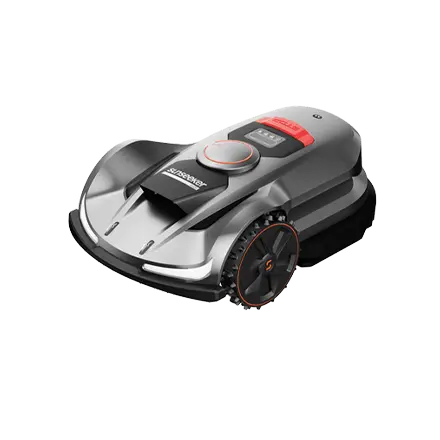
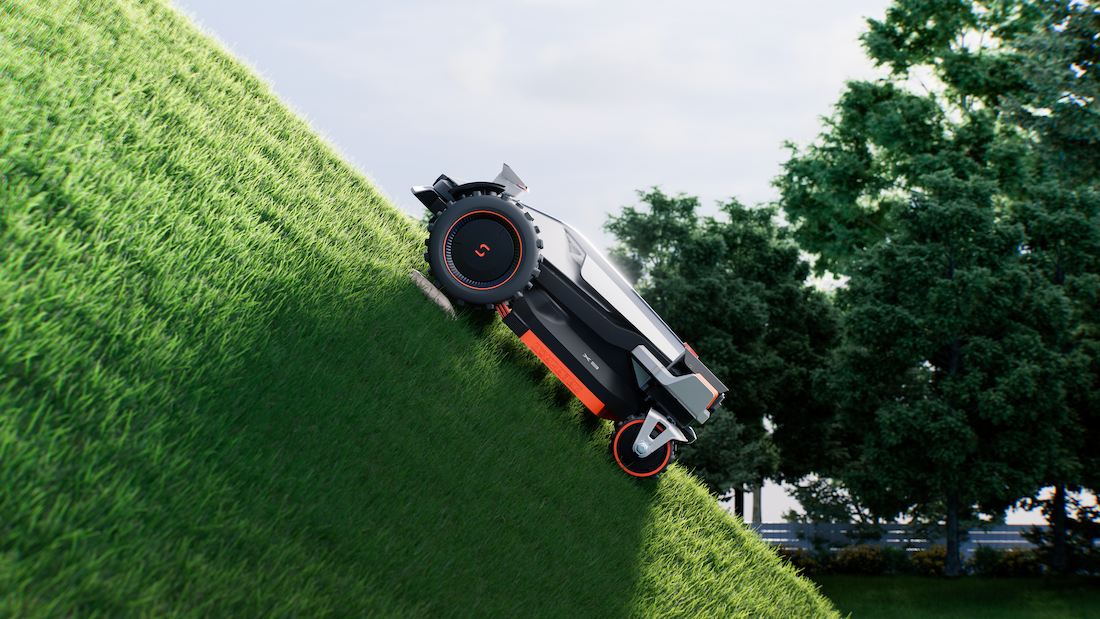
On large estates and professional-scale turf, keeping height and coverage consistent across the whole area can be the harder part. The Sunseeker Elite X9 Plus is built for large-scale lawns, and the X9 Series offers continuous 0.8-4 in cutting-height adjustment plus intelligent path planning. X9 Plus is rated for up to 6 acres in 48 hours, so regular light cutting can be kept more consistent across expansive turf instead of relying on occasional heavy cuts.
Compacted soil reduces pore space around roots, making it harder for turf to take up water and nutrients. High-traffic areas may thin, dry faster, or stay pale even when the rest of the lawn looks good. Test suspect areas with a screwdriver or soil probe after watering; noticeably greater resistance in the pale zone is a useful clue.
Core aeration is the better corrective tool when compaction is real because it removes small plugs and opens the root zone. Time aeration for active growth so the grass can recover: cool-season lawns are commonly aerated in early fall or spring, while warm-season lawns recover best after they are fully green and growing. Do not aerate healthy soil simply because the lawn is lighter than you want.
A lawn will not keep the same shade or growth rate all year. Adjust fertilizer, water, and mowing to active growth instead of trying to hold peak-season color through every month. These seasonal checks keep expectations realistic.
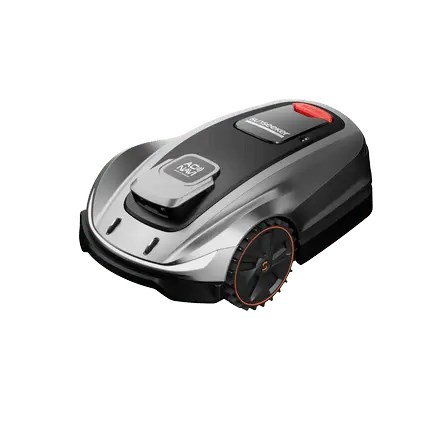
Seasonal maintenance is easier when mowing zones can change without disturbing the root zone. Robot Lawn Mowers without Perimeter Wires use virtual boundaries rather than a buried cable, so areas can be adjusted around reseeding, renovation, or temporary no-mow sections while the rest of the established lawn stays on a regular cutting routine.
A dark green lawn should be the result of healthy turf, not the target of repeated fertilizer applications. First decide if pale color comes from grass genetics, nitrogen, iron, moisture, mowing stress, drainage, or compacted roots. Use nitrogen when growth and nutrition justify it, and use iron when iron is actually limiting. Then keep water, mowing height, and seasonal care in line with the grass type. Dense, even, resilient turf is a better sign of success than the darkest possible shade.
Foliar iron can change turf color within about 1 to 2 days when iron is limiting, and the effect often lasts 2 to 4 weeks. Weather, growth rate, product form, and grass type affect the response. Iron will do little for nitrogen deficiency or drought stress.
Yes. Grass species and cultivars have different genetic shades of green, and some healthy turf is naturally lighter. Centipedegrass is a good example. Judge health by density, root strength, growth, recovery, and stress tolerance rather than forcing every lawn into the darkest possible shade.
Dark and light mowing stripes usually come from grass blades bent in opposite directions, which changes how they reflect light. The pattern should switch when viewed from the other end. If it does not, check for uneven fertilizer, irrigation, soil conditions, or mixed grass types.