





FAQs
8/3/2026
Contents
Products
Residential Lawns










Explore
Where to Buy


Spring aeration can help a compacted, actively growing lawn, but it is not the safest timing for every yard. Grass type, soil moisture, weed pressure, and pre-emergent herbicide plans all matter. Aerate only when the lawn can recover quickly, and delay the job if soil is soggy, dormant, or already stressed.
Winter can leave a lawn with compacted soil, lingering footprints, standing water, and grass that recovers unevenly. Core aeration may seem like the quickest way to improve these conditions, yet spring timing can affect how well the turf heals and how much room weeds gain afterward.
For anyone asking should you aerate your lawn in spring, this blog explains which grass types and soil conditions benefit, which warning signs justify the work, when to wait, and how to aerate without creating unnecessary stress.
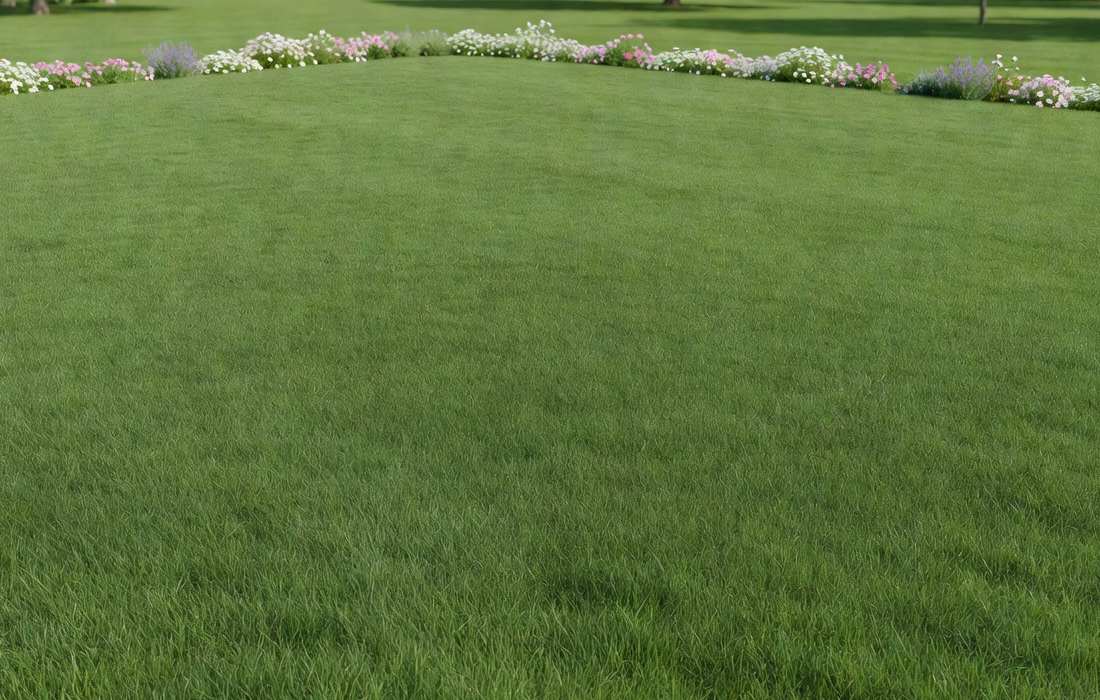
Spring aeration is useful in specific situations, especially when compaction is stopping roots, water, and air from moving through the soil. It should be treated as a targeted repair, not a yearly habit for every lawn.
Core aeration removes small plugs of soil, usually 2 to 3 inches deep and about 1/2 to 3/4 inch wide. These holes give packed soil space to relax, help oxygen reach the root zone, and improve water movement after rain or irrigation. For a lawn that feels hard underfoot or has heavy traffic from kids, pets, equipment, or winter footpaths, that relief can be valuable.
The problem is timing. Spring often brings fast weed germination, unstable temperatures, and wet soil. If you aerate too early, the machine may smear clay soil instead of pulling clean plugs. If you aerate right after spreading pre-emergent weed control, you can disturb the protective barrier you paid for. If the grass is not actively growing yet, the open holes may dry out before roots can use them.
A better rule is simple: aerate in spring only when the lawn is growing strongly, the soil is moist but not sticky, and compaction is clearly limiting recovery. If your lawn is mostly healthy and you only want to improve thickness, fall is usually a safer aeration window for cool-season grasses. For warm-season grasses, late spring or early summer is often more suitable than early spring.
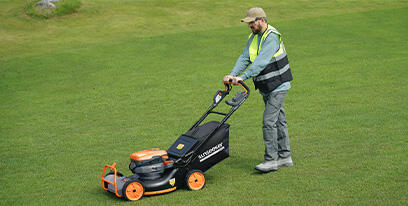
After core aeration is finished and the surface has firmed up, steady mowing helps grass recover without scalping new growth. Sunseeker Elite X5 can support an already established lawn during that maintenance stage with wire-free AI mapping, virtual zones, and a floating cutting disc that follows minor lawn contours.

Spring aeration makes the most sense when the lawn has a real compaction problem and enough active growth to heal after the work. The goal is to open the root zone at the right moment, not to create holes in a lawn that is still weak from winter.
Look for a stretch of mild weather and steady growth. For many cool-season lawns, that means air temperatures are often in the 60 to 75°F range and soil temperatures are near 50 to 65°F. For warm-season lawns, wait until green-up is well underway and soil is often closer to 65 to 75°F. The grass should need regular mowing, not just show a faint green tint.
Knowing how to aerate a lawn safely includes testing soil moisture: proceed when slightly damp soil releases clean cores, wait if it smears or leaves ruts, and water powdery hard ground one or two days ahead so the surface can firm before equipment enters.
Spring aeration is most reasonable in these cases:
Grass type changes when to aerate a lawn because cool-season and warm-season grasses reach active growth at different times and need different recovery windows.
Cool-season grasses include Kentucky bluegrass, perennial ryegrass, tall fescue, and fine fescue. These grasses grow strongly in mild weather and slow down during hot summer conditions. For many cool-season lawns, early fall is the preferred aeration season because the soil is still warm, weeds are less aggressive, and the grass has weeks to recover before winter.
Spring aeration can still work for cool-season grass when compaction is severe. The best timing is usually after the lawn has been mowed a couple of times and before heat becomes stressful. Aerating too early can expose bare soil while spring weeds are germinating. Aerating too late can leave the lawn open and dry just as summer heat starts building.
Warm-season grasses include bermudagrass, zoysiagrass, centipedegrass, St. Augustinegrass, and bahiagrass. These grasses recover best when soil is warm and growth is active. For them, early spring is often too soon because the lawn may still be coming out of dormancy.
Late spring into early summer is usually a better period, once the lawn has fully greened up and is growing enough to close aeration holes. The soil should be warm, but the lawn should not be under drought stress. If daytime heat is already intense, water properly before and after aeration so the turf does not dry out around the holes.
Before you rent a machine or schedule a service, confirm that compaction is actually part of the problem. Two quick checks can prevent unnecessary work: test how easily water enters the soil, then check how deeply roots are growing.
Use a screwdriver, soil probe, or small shovel after normal watering. If the tool stops near the surface or roots stay mostly in the top inch, the lawn may need more than mowing and feeding.
Spring aeration can solve compaction, but poor timing can create new problems. Think through weeds, herbicide timing, moisture, and turf recovery before opening the soil.
The main risk is not the aerator itself. The risk is giving a stressed lawn, weed seeds, or wet soil the wrong opening at the wrong time.
So, should you aerate your lawn in the spring? Yes, if compaction is clearly limiting growth and the grass is actively recovering. It is better to wait if the soil is soggy, the lawn is still dormant, pre-emergent has already been applied, or weeds are about to surge. Match timing to grass type, test the soil first, and treat aeration as one part of a wider care plan. For steady mowing after soil repair, Sunseeker’s Robot Lawn Mowers can help maintain an established lawn with less routine effort.
Spring can be a good time to aerate a lawn when the soil is compacted and the grass is actively growing. It is less ideal for healthy cool-season lawns, which often recover better after fall aeration. Avoid spring aeration during soggy conditions, dormancy, drought stress, or heavy weed germination.
Aerate before applying pre-emergent if you need both treatments in spring. Core aeration after pre-emergent can disrupt the herbicide barrier and reduce weed control. If pre-emergent is already applied, check the label and consider delaying aeration until the next suitable growth window.
Most lawns do not need aeration every year. High-traffic lawns, heavy clay soil, and compacted new-construction yards may need annual aeration for a period. Healthier lawns with loose soil may only need it every two or three years, or only when drainage, rooting, and growth show clear signs of compaction.