



FAQs
8/3/2026
Contents
Products
Residential Lawns



Explore
Where to Buy


Lawn aeration is helpful when soil is compacted, water runs off, roots stay shallow, or traffic has pressed the turf down. Most home lawns do not need it every year. Clay soil, heavy foot traffic, pets, and poor drainage may justify annual aeration, while open, sandy, healthy lawns often need it only every two or three years.
A lawn can feel firm and compacted even when mowing, watering, and fertilizing are handled regularly. Rain may collect on the surface, grass can thin along walkways, and heavily used areas may recover slowly. These signs often raise the question: should you aerate your lawn every year, or only when the soil shows a clear need?
Annual aeration is not necessary for every lawn. In this blog, you’ll learn how soil type, traffic, drainage, thatch, and root growth determine the right schedule, along with the best timing, possible risks, and maintenance habits that can reduce future compaction.
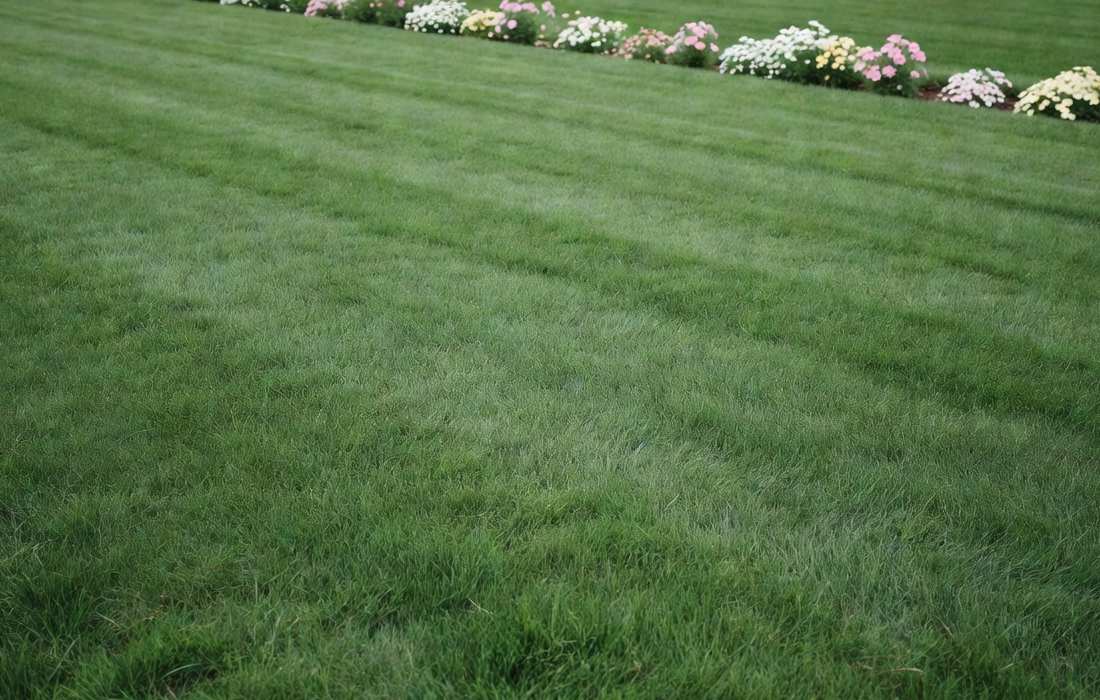
Annual aeration is not a universal rule. It helps some lawns a lot, but healthy soil does not need to be punched open on a fixed schedule if roots are already growing well.
Most average home lawns need core aeration about once every one to three years. A lawn on heavy clay soil, a compacted new-build lot, or a yard used daily by children, pets, or outdoor furniture may need aeration each year. A lightly used lawn with loam or sandy soil may go several seasons without it. The goal is not to aerate because the calendar says so. The goal is to create air space when soil particles are packed so tightly that roots, water, and oxygen cannot move properly.
Core aeration is the most useful method for compacted lawns because it removes small soil plugs, often about 2 to 3 inches deep. Spike aeration only pushes holes into the ground, which can press nearby soil tighter if the soil is already dense. If your lawn is green, drains well, and resists light foot traffic without staying flattened, yearly aeration may offer little benefit.
The clearest signs appear in how the lawn absorbs water, handles traffic, and recovers after mowing. Check several areas because the front path, backyard gate, and open center may not have the same soil condition.
A simple screwdriver test is useful. Water the lawn lightly the day before testing, then push the tool into the soil. If it stops near the surface or needs force in several spots, compaction is likely. For a clearer check, cut a small triangular plug with a spade and look at the root depth, soil layers, and thatch thickness.
Aeration works below the surface. It gives compacted soil more breathing room, which helps the lawn use water and nutrients more efficiently.
When a core aerator removes plugs, it opens channels through the thatch layer and into the soil. These channels let oxygen reach roots, help water soak deeper, and create space for new root growth. In compacted clay, that extra space can be the difference between shallow, stressed turf and grass that holds up better during heat, foot traffic, and routine mowing.
Aeration also supports overseeding because seed can settle into open holes instead of sitting on top of grass blades. If you plan to overseed, aerate first, then spread seed so it has better soil contact. Fertilizer and compost topdressing can also work more evenly after aeration, but keep layers light. A thin topdressing of about 1/4 inch is usually enough for soil improvement without smothering grass crowns.
The best timing matches active grass growth. Aeration creates temporary stress, so the lawn should be able to close holes, rebuild roots, and recover quickly.
For cool-season grasses such as Kentucky bluegrass, tall fescue, and perennial ryegrass, early fall is usually the safest window. Soil is still warm, air is cooler, and weed pressure is lower. Spring can work if compaction is severe, but it can also open space for weeds. For warm-season grasses such as bermudagrass, zoysiagrass, and St. Augustine, aerate in late spring or early summer after the grass has fully greened up and is growing strongly.
Soil moisture matters as much as the season. Aerate when the ground is moist but not muddy. If plugs crumble immediately, the soil may be too dry. If the machine smears the surface or leaves ruts, the soil is too wet. Avoid aeration during drought, heat waves, frost, dormancy, or right after applying herbicide. A calm, mild day with several weeks of active growth ahead gives the best recovery.
More holes do not always mean better soil. Aeration is a repair tool, and using it too often can disturb a lawn that was already improving.
Aerating every year can be useful on compacted clay or busy turf, but doing it without a reason may roughen the surface, pull up healthy roots, and leave open spaces for weed seeds. It can also dry the upper soil layer in hot weather because holes expose more surface area. If the lawn already drains well and roots are deep, repeated aeration may simply add cost, time, and stress.
The risk increases when aeration is done at the wrong time. Aerating dormant grass, waterlogged soil, or a lawn already weakened by disease can slow recovery. If you have recently seeded, wait until the young grass has been mowed at least three or four times and has a firm root system before using heavy equipment. For most established lawns, the better habit is to inspect soil once or twice a year, then aerate only when the signs point to compaction.
If your lawn does not show clear compaction, steady care will usually help more than repeating aeration. Focus on habits that protect soil structure and keep roots active.
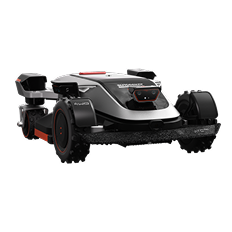
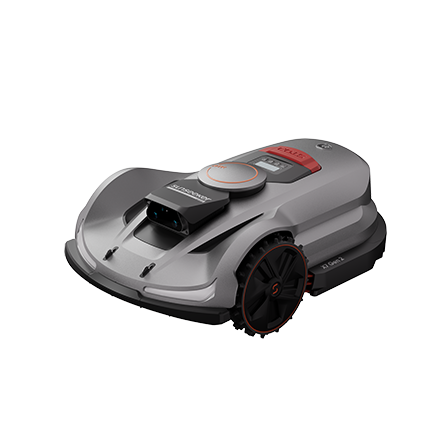
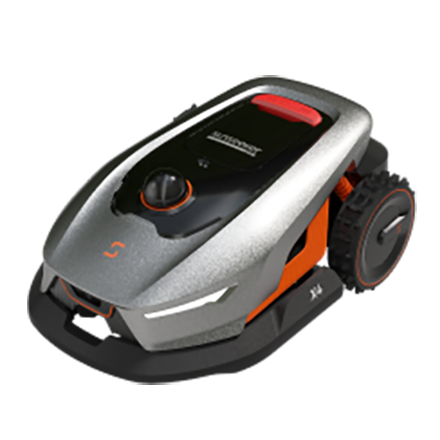
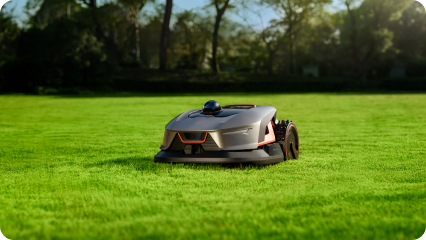
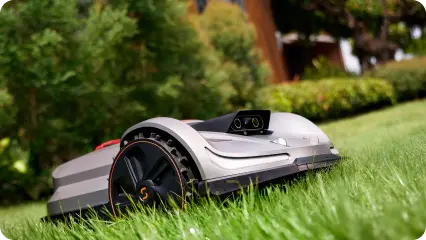
After soil problems are corrected, regular light mowing can help the lawn stay dense because grass is trimmed before it becomes tall and stressed. Sunseeker Elite X4 fits this maintenance stage well for established lawns. Its 360° 3D LiDAR + Vision AI, virtual boundaries, and planned cutting paths support steady upkeep without buried perimeter wires.
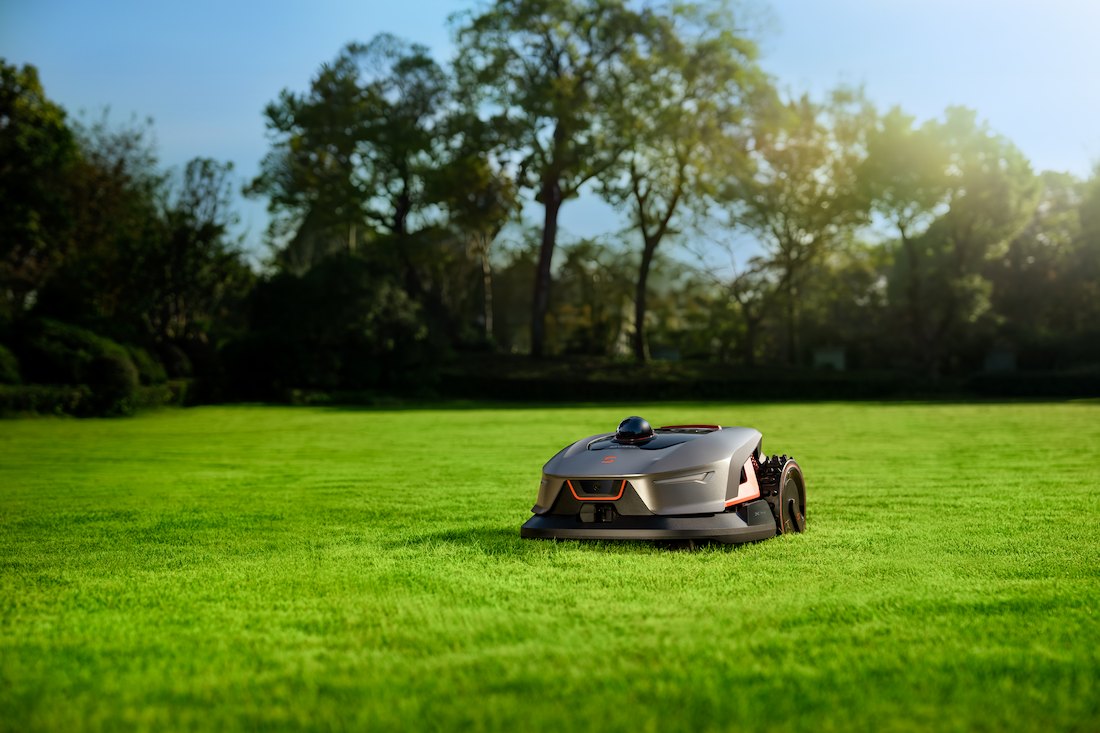
So, should you aerate your lawn every year? Usually, only if your soil is compacted, traffic is heavy, or water struggles to soak in. Check root depth, runoff, thatch, and problem zones before renting equipment. Aerate during active growth, then support recovery with watering, overseeding, and careful mowing. For long-term upkeep after the lawn is stable, a robot lawn mower can help keep grass consistently trimmed without turning routine care into a weekend project.
Yes. Aerating too often can roughen the surface, expose weed seeds, dry the upper soil, and disturb healthy roots. Lawns with good drainage, deep roots, and little traffic may not need annual aeration. Use it when the soil shows compaction, not simply because it appears on a seasonal checklist.
Check for hard soil, puddling, runoff, thinning paths, shallow roots, and thatch thicker than about 1/2 inch. Push a screwdriver into moist soil. If it will not slide in easily across several areas, compaction is likely. A small soil plug can also show root depth and soil layering.
Do not aerate during drought, heat waves, frost, dormancy, disease stress, or muddy conditions. Avoid aeration right after herbicide use or before heavy weed pressure. Young grass also needs time to root before heavy equipment crosses it. Wait until active growth and mild conditions give the lawn a good recovery window.
Aeration can be messy, labor-intensive, and temporarily stressful for grass. Soil plugs sit on the surface until they break down, and holes may invite weeds if timing is poor. It also will not solve every lawn problem. Nutrient imbalance, grubs, disease, and poor watering need separate fixes.