



FAQs
8/11/2026
Contents
Products
Residential Lawns




Explore
Where to Buy


Fresh dog urine spots need quick dilution, not harsh household fixes. Water the area right away, then repair older yellow or dead patches with raking, fresh soil, and matching seed. Long-term prevention depends on training, hydration, smart watering, and steady lawn care that helps grass recover between accidents.
A dog runs across the yard, stops in the same favorite corner, and a few days later the grass turns yellow with a dark green ring around it. It feels frustrating because the damage can look sudden, even when the rest of the lawn is healthy. Many homeowners search for how to neutralize dog urine on lawn because they want a fast fix before the spot spreads.
The good news is that small urine spots are often repairable. The key is knowing what can be diluted, what cannot be reversed, and when a patch needs reseeding. The sections below keep the process practical, with simple steps for fresh accidents, older burn marks, and prevention habits that protect the lawn without making life harder for your dog.

Dog urine damages grass mostly because it contains concentrated nitrogen salts. Nitrogen is part of many lawn fertilizers, but too much in one small spot can burn leaf blades and roots. That is why a urine mark often has a brown or straw-colored center with a darker green ring around it. The outer ring receives a lighter nitrogen dose, while the center gets overloaded.
The risk is higher when urine is concentrated, the weather is hot, or the lawn is already stressed by drought, compacted soil, close mowing, or weak roots. Repeated urination in one area can also build up salts in the soil. Female dogs are often blamed because they tend to empty more urine in one place, but any dog can cause burns if the dose is concentrated enough. The grass type, soil drainage, and watering pattern all affect how severe the mark becomes.
You can dilute fresh urine on the lawn, but you cannot truly neutralize it after it has soaked deeply into the soil and burned the grass. Water is the safest first response because it spreads the nitrogen and salts through more soil instead of letting them sit in a tight, damaging patch. Fast dilution works best within the first few hours after the dog urinates.
Be careful with popular home remedies. Baking soda, lime, vinegar, dish soap, and gypsum are often suggested online, but they can change soil chemistry, add extra salts, or irritate grass when used carelessly. They also do not remove the original overload once the tissue has already dried out. For yellow spots that are still alive, deep watering and time may be enough. For dead patches, repair usually means removing the damaged grass and reseeding.
Fresh urine spots are the easiest to manage because the grass has not fully reacted yet. The goal is to move fast, dilute the urine, and protect the area from extra stress. You do not need a special spray for most fresh accidents.
Older spots need a repair approach based on how badly the grass is damaged. If the blades are yellow but still soft and rooted, the patch may recover after deep watering. If the center is brown, brittle, and loose, plan to remove the dead turf and rebuild the spot with fresh soil and seed.
Start by soaking the damaged patch and a few inches beyond its edge. This helps move leftover salts lower into the soil and prepares the area for repair. A slow soak is better than a quick splash. Aim for moisture several inches deep, then let the surface drain before raking. If water pools on top, the soil may be compacted, so loosen it gently before adding seed.
Rake out dead blades, loose roots, and matted debris. The goal is to expose soil, not scrape the patch down into a hole. If the damaged grass pulls up easily, remove it until you reach firm, living turf around the edge. For small spots under 6 inches wide, hand raking is usually enough. Larger patches may need a garden fork or small hand cultivator to break up the top inch of soil.
Spread a thin layer of quality topsoil or compost-soil blend over the bare patch, then level it with the surrounding lawn. Use grass seed that matches your existing turf as closely as possible. Press the seed into the soil for good contact, then cover it lightly with no more than 1/8 to 1/4 inch of soil or compost. Too much cover can block light and slow germination.
New seed needs consistent moisture, not flooding. Water lightly once or twice a day during the first stage if the weather is warm and dry. Once seedlings appear, reduce frequency and water a little deeper so roots move down into the soil. Keep dogs and foot traffic off the repair area until the new grass has been mowed at least two or three times.
Prevention works best when it combines dog habits with healthy turf habits. You do not need to change everything at once. Start with the easiest changes, then keep the lawn strong enough to recover after occasional accidents.
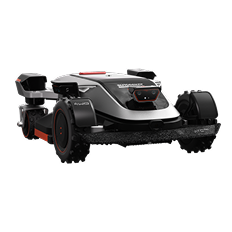
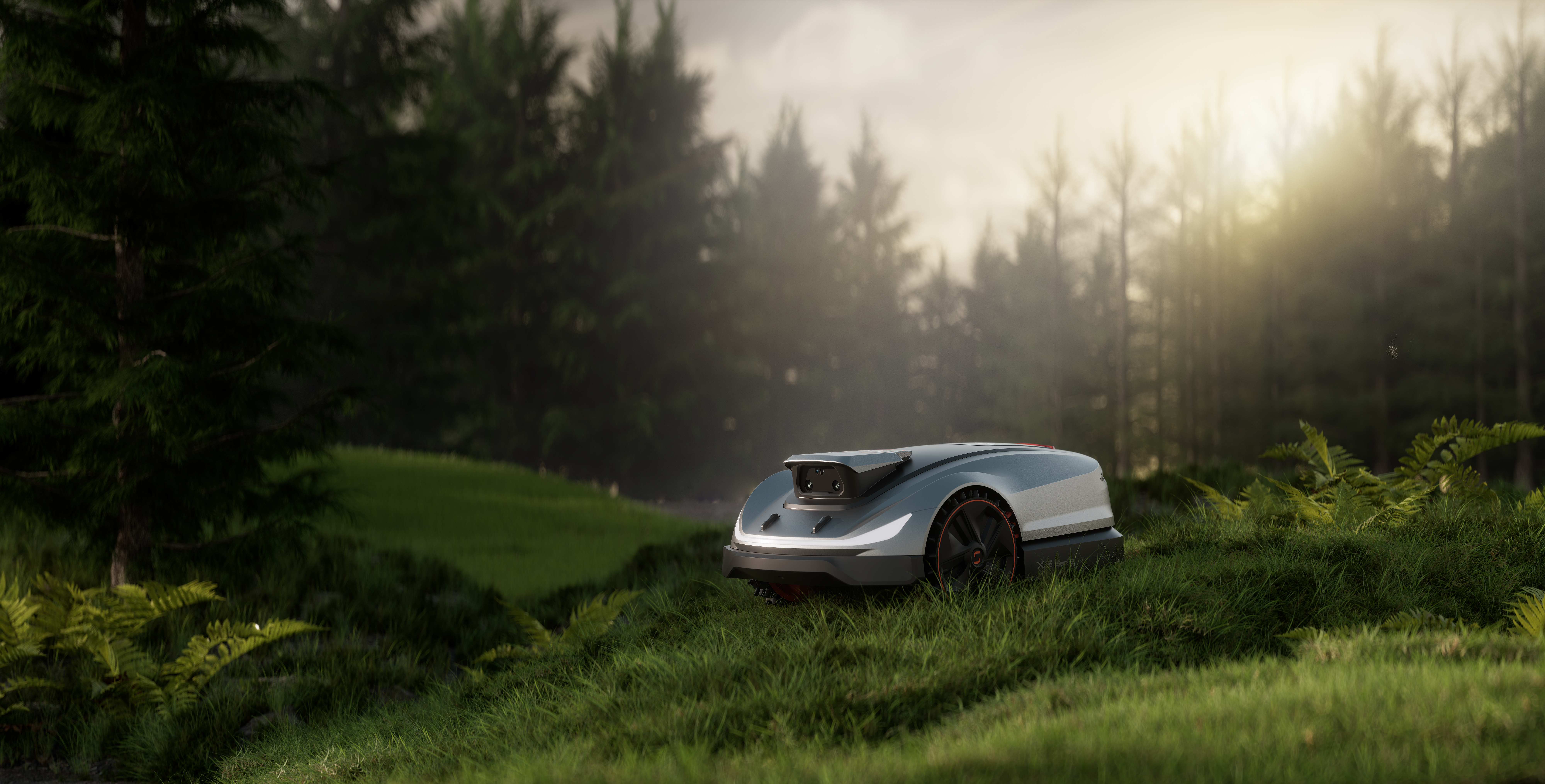
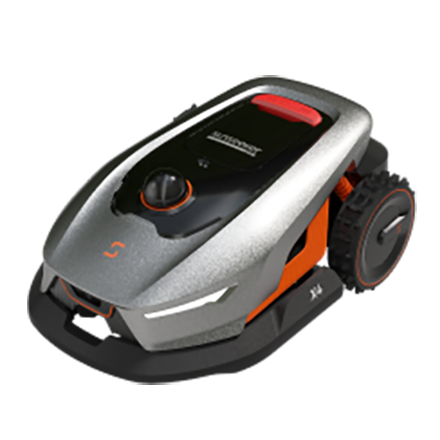
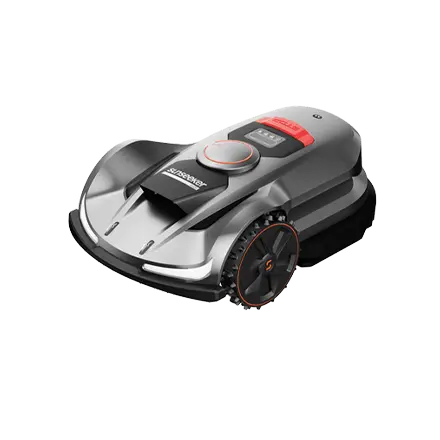
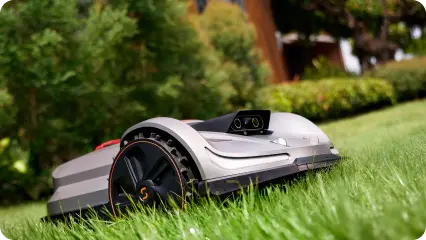
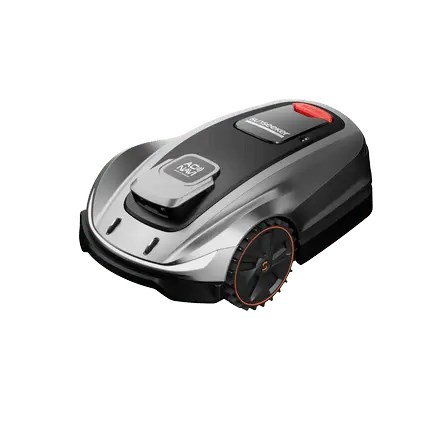
On larger yards, routine mowing also helps keep problem areas visible before they spread. Sunseeker Elite X9 is built for large-area maintenance, with Sunseeker’s AONavi positioning, app-based scheduling, and multi-zone mapping helping the mower keep established lawns at a steady height. That regular cut pattern can make new yellowing, thin spots, or high-use dog areas easier to notice during normal lawn care.
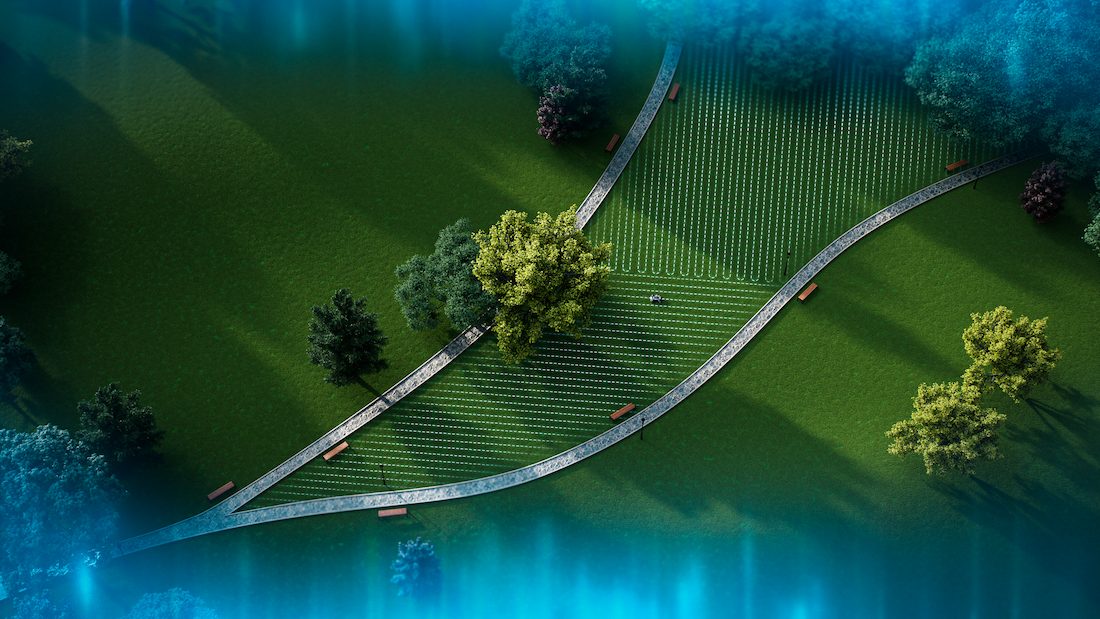
Dog urine spots are easier to manage when you act quickly and avoid harsh fixes. Fresh urine should be diluted with water, while older dead patches need raking, fresh soil, seed, and steady moisture. Long-term results depend on a potty routine, sensible watering, and strong grass roots. For larger lawns that need consistent upkeep, exploring a robotic lawn mower for large lawns can support a cleaner mowing routine while you focus on repair and prevention.
Baking soda is not the best fix for dog urine on grass. It can add salts to the soil and may stress turf further if used heavily. Plain water is safer for fresh spots because it dilutes the urine. For dead patches, remove damaged grass and reseed instead of relying on baking soda.
Yellow grass may grow back if the roots are still alive and the area is watered deeply. Brown, crispy, or loose grass usually will not recover on its own. In that case, rake out the dead material, add a little fresh soil, reseed the patch, and keep it moist until new grass fills in.
No grass is completely dog-urine-proof, but some types tolerate stress better than others. Tall fescue and perennial ryegrass often recover better in many home lawns because they have stronger wear tolerance. A healthy, deeply rooted lawn with proper watering usually resists urine damage better than weak or closely cut grass.