










FAQs
8/26/2026
Contents
Products
Residential Lawns



Explore
Where to Buy


A lawn mower can handle light moisture only when its design and manual allow it. Heavy rain, standing water, and soaked electrical parts can cause corrosion, starting problems, or safety risks. If a mower gets wet, shut it down, dry it thoroughly, inspect key components, and test it cautiously before mowing again.
Leaving a mower outside during a sudden shower can turn a routine lawn-care day into a stressful inspection. Water can reach the deck, controls, engine parts, battery connections, or electronics, and the risk varies sharply between gas, battery, corded, riding, and robotic models. The safest response is to stop using the machine until you know how wet it became and what the manufacturer allows. Understanding the possible damage, safe drying steps, wet-grass risks, and proper storage habits can help prevent further problems.

Yes, a lawn mower can get wet, but that does not mean every mower is designed to operate in rain or tolerate soaking. The owner’s manual and the mower’s weather-resistance rating should guide your decision.
A brief splash on a steel deck is very different from water entering a battery bay, control panel, ignition system, motor housing, or charging connector. Gas mowers often tolerate damp exterior surfaces better than exposed electrical parts, yet water can still contaminate the air filter, affect ignition, encourage corrosion, and collect around bearings or cables. Corded electric mowers deserve extra caution because wet conditions add electrical and footing hazards. Battery mowers may have sealed housings, but many are not intended for use in active rain. Robotic mowers are a separate category: some are built for outdoor exposure and carry formal ingress-protection ratings, so their manuals may permit damp operation that would be unsuitable for a conventional walk-behind mower.
Treat standing water, flooded storage, and direct hose spray on sensitive areas as higher-risk events. If water reached internal electrical or fuel-system components, do not assume that a dry-looking exterior means the machine is ready to restart.
The outcome depends on how much water reached the machine, how long it stayed wet, and which components were exposed. A quick shower may cause no lasting issue, while getting the mower heavily soaked can cause problems that appear hours or days later.
Some damage is immediate, such as a mower that will not start. Other problems may appear later, including corroded terminals, rough bearings, intermittent electrical faults, and rust that causes the mower deck’s surface to peel or break apart. A careful drying and inspection routine is more useful than repeatedly trying the starter.
Mowing wet grass is generally not safe, especially with walk-behind or riding mowers. Wet turf can become slippery, reducing traction and making it harder to maintain stable footing on slopes or uneven ground. Wet clippings can also stick together, clog the mower deck, increase strain on the engine or motor, and leave thick piles of grass on the lawn. Heavy mowers may also leave ruts or press soft, wet soil down too tightly.
If the rain has just stopped, wait until the grass feels dry and stands back up when you brush it with your hand. The soil should also feel firm underfoot without leaving deep footprints. Some robotic mowers are designed to operate in damp or rainy conditions, but very wet grass can still reduce cutting quality and make cleanup more difficult. Always follow the wet-weather operating limits in your mower’s manual.
A wet mower needs a controlled response rather than an immediate restart. Work through the machine in a safe order, starting with power isolation and ending with a cautious function check.
Stop the engine or motor and move the mower to a dry, ventilated place if it is safe to do so. Remove the battery on a cordless model if the manual permits removal, unplug a corded mower, and disconnect the spark-plug lead on a gas mower before working near the deck. Wipe visible water with a clean cloth. Leave covers or battery compartments open only when the manual allows it, so trapped moisture can escape. Do not use an open flame, space heater, or very hot air to speed drying.
On a gas mower, inspect the air filter and spark-plug area after the engine is cool. A foam filter may be serviceable after correct cleaning and drying, but a soaked or distorted paper filter is usually better replaced. If you suspect water entered the fuel tank or carburetor, avoid repeated starting attempts and follow the service procedure in the manual. On battery models, inspect the battery case, contacts, and compartment for moisture, dirt, swelling, or corrosion. Keep the battery away from the charger until both battery and charging area are fully dry and undamaged.
Wet clippings hold moisture against the mower deck. Once power is isolated and the blade has stopped completely, remove clumps with a plastic scraper or stiff brush. Wear cut-resistant gloves and keep your hands away from sharp blade edges. Follow the manual before tilting a gas mower, since the wrong orientation can move fuel or oil into areas where it should not go. Dry the underside thoroughly. If you see chipped coating, bare steel, deep rust, a bent blade, or loose hardware, correct those issues before the next mowing session.
After the mower has dried and passed a visual inspection, test it on a dry surface in an open area. Reconnect power according to the manual, start the machine normally, and listen for unusual noise, rough running, electrical warnings, or blade vibration. Shut it down at once if you smell burning insulation, see smoke, notice sparking, or find that controls behave unpredictably. For severe soaking, flooding, or suspected water inside sealed electrical housings, professional service is safer than a trial-and-error restart.
Good water protection starts before the forecast changes. A few storage and maintenance habits keep moisture away from vulnerable parts and reduce corrosion after routine mowing.
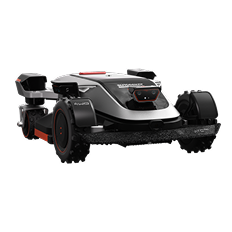
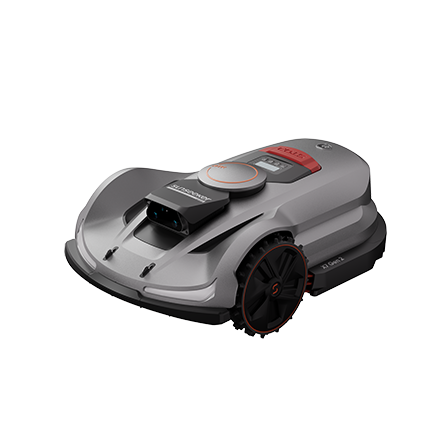
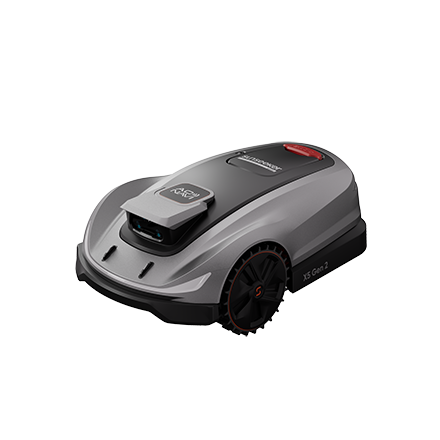
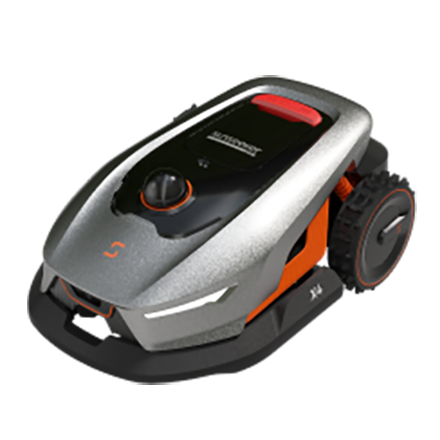
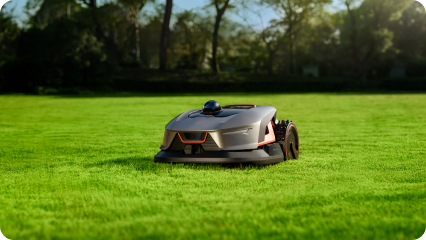
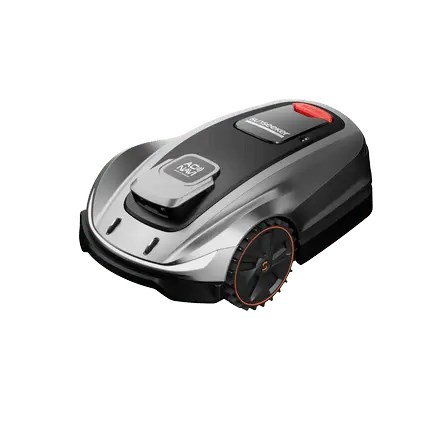
For homeowners who want automated mowing with stronger weather protection, the Sunseeker Elite X4 is rated IPX6 and includes automatic rain detection. Its weather-resistant design is intended for outdoor robotic mowing, but owners should still follow the cleaning, charging, storage, and service instructions that come with the mower.
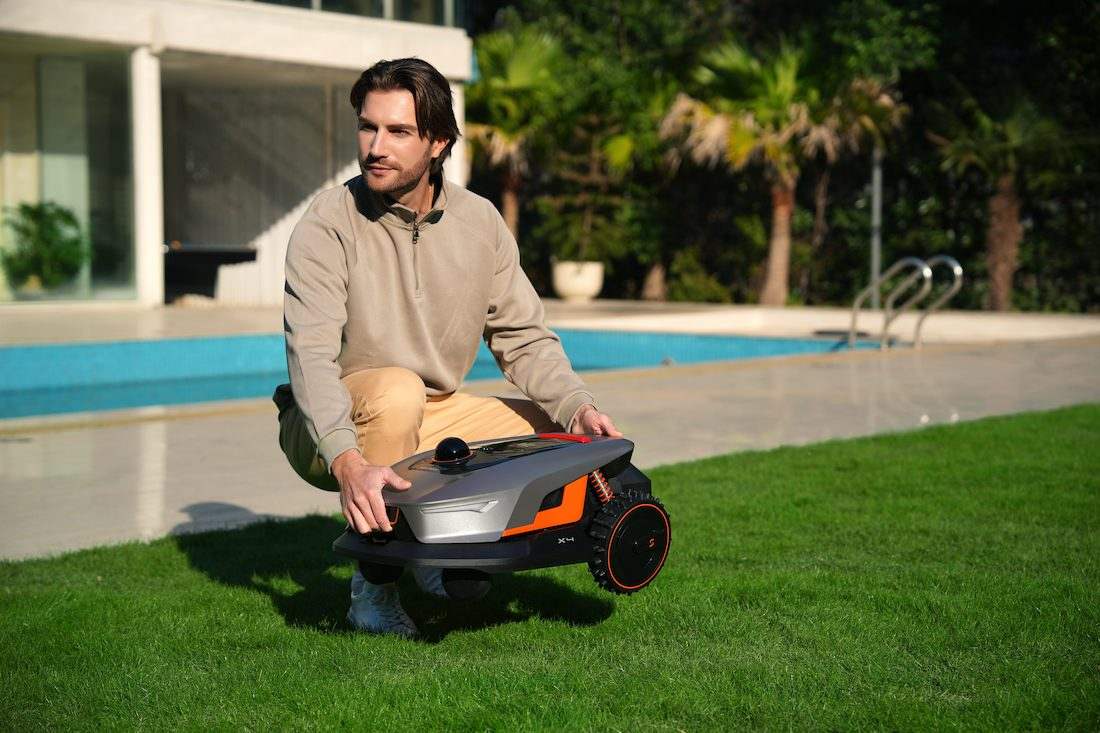
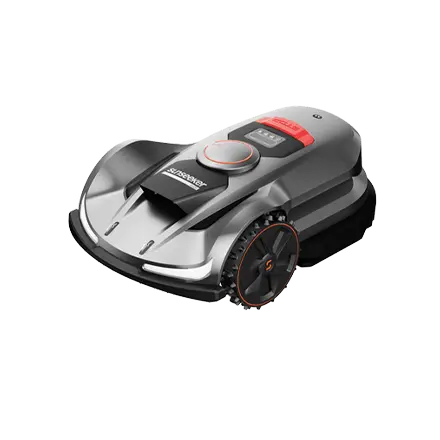
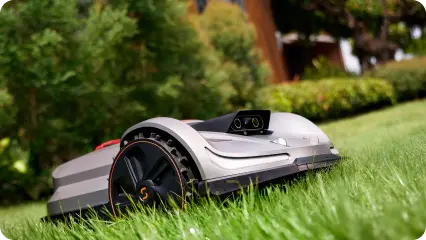
A mower getting wet is not automatically ruined, but water exposure should never be treated casually. Stop the machine, isolate its power source, dry and inspect the vulnerable parts, clean wet debris from the deck, and test only after the mower is ready. Long-term protection depends on dry storage, clean components, intact seals, and the limits in the owner’s manual. If frequent light mowing suits your yard, you can also explore Sunseeker’s robot mowers with mulching blades for weather-aware, automated lawn maintenance options.
Not always. A short shower may leave no lasting damage if the mower is designed for outdoor moisture and dries quickly. Heavy rain, standing water, or water inside electrical, ignition, fuel, or bearing areas creates a greater risk. Turn the mower off, dry it fully, inspect it, and follow the manual before restarting.
Some electric mowers have weather-resistant construction, but many should not be used in rain or on very wet lawns. Corded models need especially careful handling around water. For battery mowers, keep the battery contacts and charger dry. The mower’s manual and ingress-protection rating are the best guides for permitted moisture exposure.
There is no universal drying time because exposure varies. Light surface moisture may dry within several hours in warm, ventilated conditions, while a soaked mower may need 24 hours or longer. Do not rely on time alone. Check filters, battery areas, connectors, controls, deck cavities, and other exposed parts before restarting or charging.