



FAQs
8/3/2026
Contents
Products
Residential Lawns



Explore
Where to Buy


A lawn roller presses soil, seed, or newly laid sod so the surface sits more evenly and seed has better contact with soil. It can help after light grading, seeding, or minor frost heave, but it should be used carefully. Heavy rolling on wet clay, stressed turf, or compacted ground can reduce air space and make grass weaker.
Small ridges after winter, loose seed on freshly prepared soil, or uneven areas after topdressing can make a lawn roller seem like a simple solution. Used correctly, it can improve seed-to-soil contact and settle minor surface irregularities. Too much weight or repeated rolling, however, can compact the soil and restrict the air, water, and root growth the lawn needs.
This blog explains what a lawn roller does, when rolling is useful, which lawn conditions require caution, and how to choose the right weight and timing without creating new soil problems.
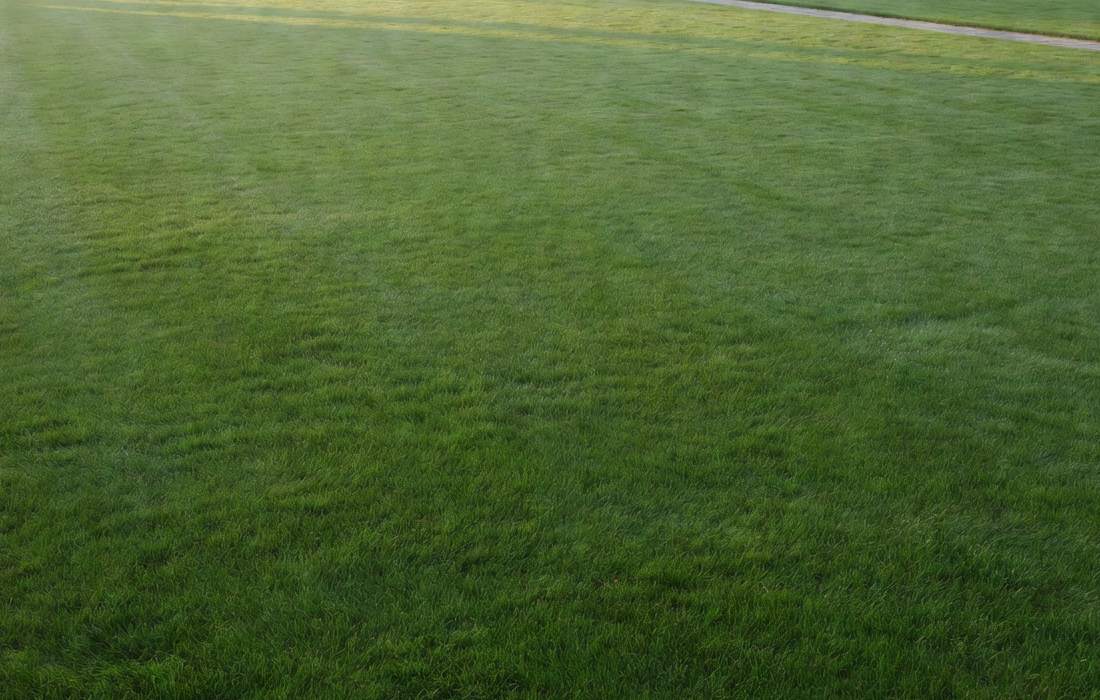
A lawn roller is a cylindrical tool that moves across the lawn and applies downward pressure. Its main job is not to repair deep holes or rescue a weak lawn. It is mainly used for firm contact, gentle smoothing, and light settling after soil or turf work.
In practical terms, a roller can press grass seed into prepared soil, help new sod sit tightly against the soil below, and smooth shallow surface bumps after topdressing or light grading. For seeding, the goal is seed-to-soil contact, not burial. Most grass seed should sit within the top 1/8 to 1/4 inch of soil, so a light pass is enough. For sod, rolling can remove small air pockets under the strips, which helps roots reach moist soil more evenly.
Rolling is different from leveling. If the lawn has holes deeper than about 1 inch, raised tree roots, tunnels, drainage dips, or ruts left by tires, a roller will not solve the cause. Those areas usually need soil correction, reseeding, drainage work, or pest control first. A roller can finish the surface after repair, but it should not replace the repair itself.
Lawn rolling is most useful when the soil has already been corrected and the surface only needs light firming. The timing, soil moisture, and lawn condition matter more than the roller itself.
The best time to roll is usually during active growth, when grass can recover from mild pressure. For cool-season lawns, that often means spring or early fall. For warm-season lawns, late spring through early summer is usually safer once growth is steady. Soil should be slightly moist, similar to a squeezed sponge, not muddy and not powder dry.
Good situations for a lawn roller include:
A roller is less useful when the grass is already thin because of compacted soil, disease, poor watering, or heavy shade. In those cases, rolling may hide the problem for a short time while making the root zone tighter. A simple test is to push a screwdriver 4 to 6 inches into the soil. If it is difficult even when the soil is moist, aeration or soil improvement should come before rolling.
The right roller depends on the size of the lawn, the repair task, and how much control you need. A smaller roller is often safer for home lawns because it limits pressure and is easier to guide around edges, beds, and sprinkler heads.
Type | Best for | Watch out for |
Push lawn roller | Small lawns, seed beds, light smoothing | Can still compact soft soil if filled too heavily |
Tow-behind roller | Large open areas and sod installation | Easy to over-roll because a mower or tractor adds weight |
Water-filled roller | Adjustable weight for different jobs | Must be emptied before storage in freezing conditions |
Steel roller | Durable, frequent use, firm surfaces | Heavier and less forgiving on wet or clay soil |
Push lawn rollers are the most manageable choice for small and medium home lawns. They are usually hollow drums that can be filled with water or sand, then pushed by hand. Because you control the speed and direction closely, they work well around narrow strips, newly seeded patches, and areas near paths or planting beds.
For most home seeding jobs, a partially filled push roller is safer than a fully loaded one. If the roller leaves visible depressions, sticks to the soil, or squeezes water up around your shoes, the ground is too soft. Stop and let the lawn dry for a day or two.
Tow-behind rollers attach to a lawn tractor, ATV, or riding mower. They cover more ground with less effort, so they are useful on large lawns, open sod installations, and broad areas that were lightly graded. The drawback is reduced feel. It is easy to keep driving long after the surface has enough pressure.
Water-filled rollers are popular because the weight is adjustable. You can add less water for seed contact or more water for a firmer sod installation. Many homeowners prefer them because they are easier to move and store when empty.
Understanding what a lawn is—a living root-and-soil system, not a hard surface—clarifies the main ri
Mow the grass to a normal height before rolling, usually around 2.5 to 3.5 inches for many common lawns. Remove sticks, stones, pet waste, thick leaves, and loose debris. Mark sprinkler heads, shallow utility covers, and raised roots so you do not run over them blindly.
For seeding, loosen the top 1/4 to 1/2 inch of soil with a rake, spread seed evenly, and cover lightly with screened compost or topsoil if needed. For sod, lay the strips tightly, stagger seams, and water enough to moisten the root zone before rolling. Do not roll over standing water or soft mud.
Soil moisture is the biggest safety check. Slightly moist soil settles gently. Saturated soil compacts and smears. Dry soil may resist pressure and leave seed sitting loose on the surface. If footprints stay deeper than about 1/2 inch, wait before rolling.
Fill an adjustable roller lightly for the first pass. On seed beds, a light pass is usually enough to improve contact. On sod, one moderate pass helps the roots touch the soil below. If the roller pushes soil ahead of the drum, the surface is too wet or too loose.
Move in straight lines at a steady pace, then change direction only if the lawn still needs light settling. Avoid repeated passes over the same strip. Overlapping each pass by a few inches helps prevent ridges, but turning sharply on soft turf can twist grass and create scars.
After rolling, keep heavy traffic off the area for several days. Seeded soil needs steady light moisture until germination begins, then deeper watering as roots develop. Sod usually needs daily moisture at first, then a gradual shift once roots hold.
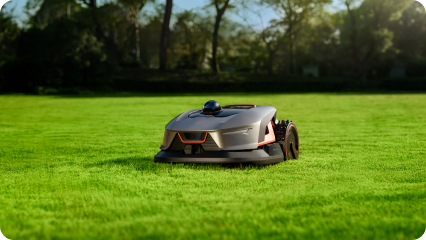
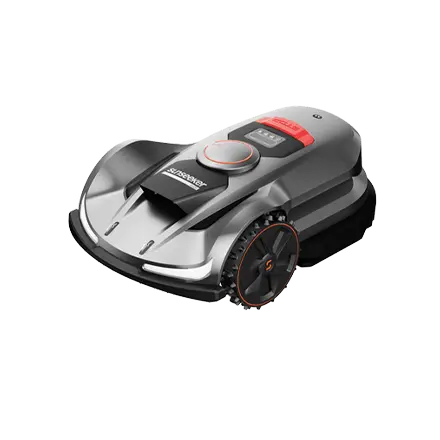
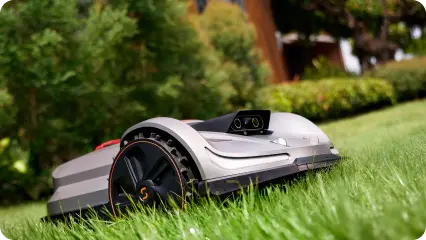
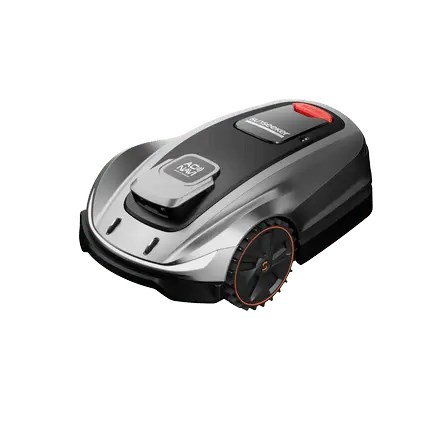
Once a repaired lawn is established and the surface is firm enough for normal mowing, consistent cutting helps preserve that smoother finish. For larger established areas, Sunseeker Elite X9 Plus can support regular maintenance after the repair period, using planned mowing schedules to keep grass at a steady height without repeatedly stressing the same section of turf.

Rolling has value in the right setting, but overuse can create problems that are harder to fix than the original bumps. The main risk is soil compaction, especially on clay, wet soil, or lawns that already get heavy foot traffic.
Compacted soil has fewer air spaces. Roots may stay shallow, water can run off or pool, and fertilizer may not move through the soil evenly. Grass may look thin even when it is watered and fed. Rolling can also worsen drainage dips by pressing the surface tighter while leaving the underlying drainage problem unchanged.
Avoid rolling in these situations:
A lawn roller can help press seed, settle sod, and smooth very shallow bumps, but it is not a cure for poor drainage, compacted soil, deep holes, or weak grass. Use light pressure, slightly moist soil, and only the number of passes the job needs. After repairs are established, steady mowing and balanced care keep the surface healthier over time.
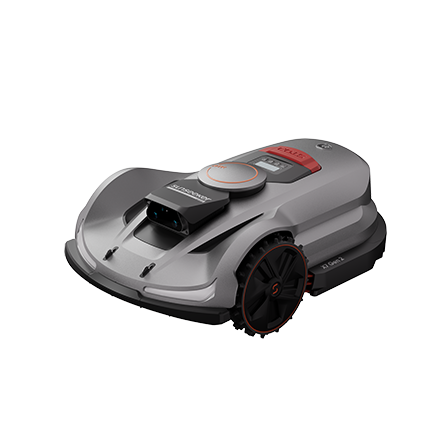
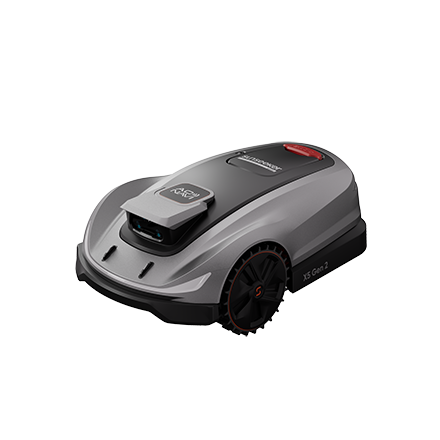
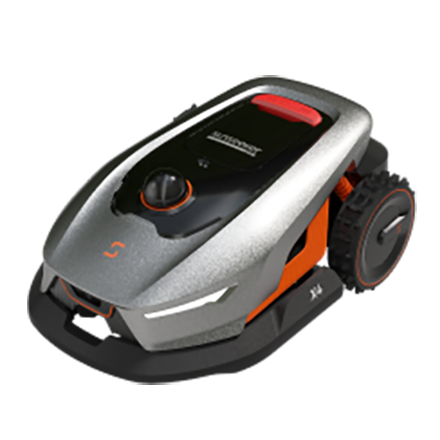
For ongoing mowing after the lawn is firm and actively growing, explore Sunseeker Robot Lawn Mowers to compare maintenance options that suit established turf.
A lawn roller is worth getting if you seed often, lay sod, or manage small surface bumps after light grading. It is less useful for deep ruts, hard soil, or drainage problems. Many homeowners only need to rent one for a specific repair.
Rolling works for light firming and seed or sod contact. It can make a prepared surface look neater, but it will not correct the cause of most uneven lawns. If bumps come from animals, settling, roots, or compacted soil, fix that issue first, then use a roller only as a finishing step.
The main benefits are better seed contact, fewer air pockets under sod, and smoother shallow irregularities after soil work. A roller can also help settle light topdressing. The benefits are strongest when soil is slightly moist and the roller is light enough to avoid compacting the root zone.