



FAQs
10/13/2026
Contents
Products
Residential Lawns



Explore
Where to Buy


To get rid of lawn bugs, identify the insect before treating. Chinch bugs, sod webworms, white grubs, and billbugs damage turf in different places and life stages. Treat when pest numbers and active damage justify it, follow the label, then help the grass recover with proper mowing, watering, and reseeding where needed.
Lawn bugs can turn a healthy patch of grass into thinning, discoloured turf surprisingly quickly. Some feed on the blades, while others damage roots below the surface. If the infestation keeps growing, the weak areas can spread and take longer to recover.
This guide explains how to get rid of lawn bugs, how to recognise the most common pests, and which control methods suit different situations. You’ll also find practical ways to help damaged grass recover and reduce the chance of the same problem returning.
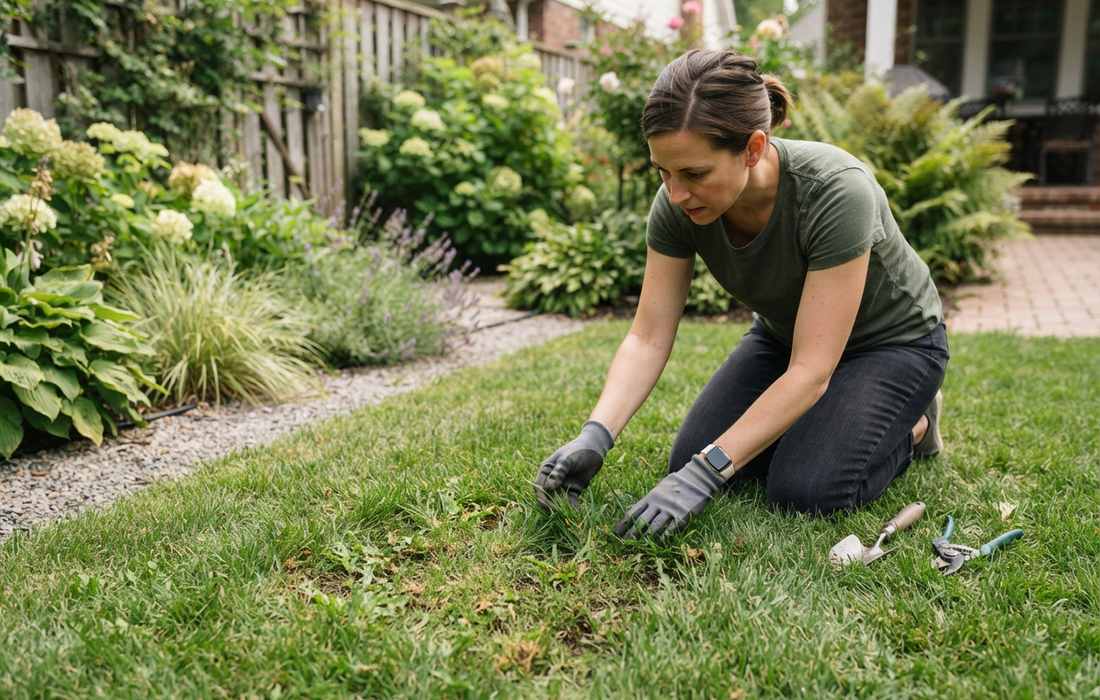
Different lawn pests leave different clues, including chewed blades, brown patches, thinning roots, or loose turf. Use the signs below to narrow down which bug may be responsible.
|
Pest |
Typical Damage |
Identification Check |
|
Chinch bugs |
Spreading yellow or brown patches, often in hot, sunny, dry areas. St. Augustinegrass is especially vulnerable. |
Push a bottomless can 2 to 3 in into turf at the damage edge, fill it with water, and keep it full for 5 to 7 minutes. Chinch bugs float up. Around 20 to 25 per sq ft can cause damage. |
|
Sod webworms |
Small ragged brown areas that merge as larvae chew grass blades, often in late spring or mid to late summer. |
Use a soap flush over 1 sq yd and watch for larvae rising from the thatch. About 10 to 15 larvae per sq yd can justify treatment. Adult lawn moths alone do not prove damaging numbers. |
|
White grubs |
Wilting or dead patches from root feeding. Turf may feel spongy or lift like loose carpet, and animals may dig for larvae. |
Cut a 1 sq ft sample 2 to 4 in deep and count C shaped grubs in the root zone. A rough curative threshold is often 5 to 10 grubs per sq ft, with tolerance varying by species and turf condition. |
|
Billbugs |
Irregular yellow or brown patches. Damaged grass may pull free because larvae feed in stems, crowns, and roots. |
Inspect a 1 sq ft sample along the border of healthy and damaged turf. Adults are snouted weevils; larvae are white and legless. Finding the insect with matching damage is more useful than color alone. |
Lawn bugs usually need treatment when their numbers rise enough to cause visible or spreading damage. The signs below can help you judge when action is worth taking.
Once the pest is confirmed, control is a sequence: match the method to the insect, treat at the vulnerable stage, apply it correctly, and then verify that pest pressure actually dropped.
Choose a method that matches the pest you found. Light infestations may improve with better irrigation and correct mowing. Biological controls also fit some cases: insect parasitic nematodes are used against certain soil larvae, while some Bacillus thuringiensis products are labeled for sod webworm larvae.
If you are looking for how to get rid of lawn bugs naturally, keep the target narrow. For heavier or expanding infestations, use a lawn insecticide labeled for the identified pest and turf site rather than a general insect killer.
Timing matters. Sod webworm larvae feed near the surface at night, so late afternoon or early evening treatment can match their activity. Chinch bugs are best targeted while they are actively feeding along the edge of hot, dry patches.
White grub control follows a different calendar. Preventive products go down before or around egg hatch, while curative products target young grubs near the surface in late summer or early fall. Older, deeper grubs are harder to control.
Measure the treatment area and use the label rate. Wear the required protective gear, avoid drift onto pavement or water, and keep children and pets out during application. If clover or dandelions are blooming, mowing off the flowers first can reduce pollinator exposure when the label allows it.
Placement matters too. Some grub products need irrigation to move into the root zone, while surface feeders require coverage in the turf or thatch. Follow the label for water, weather, and reentry directions instead of increasing the rate.
Do not judge success only by grass color. Recheck the same sampling spots and the active damage edge. Fast curative treatments may reduce surface pests within 3 to 7 days, while slower soil treatments can need 1 to 2 weeks or longer.
If counts remain above the treatment threshold, review the label and application conditions before treating again. Reapply only when the product allows it and the pest is still vulnerable.
After the pest problem is under control, damaged grass needs time and the right care to fill back in. Follow the repair steps below to rebuild thin or bare areas.
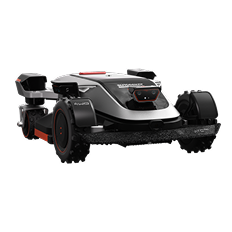
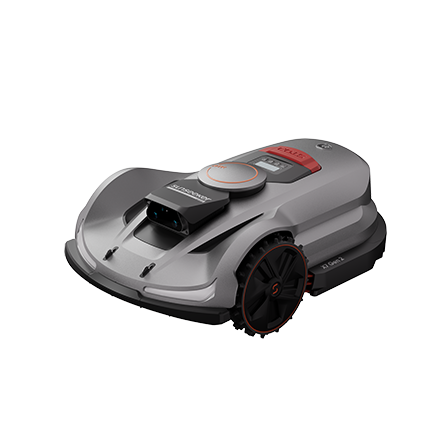
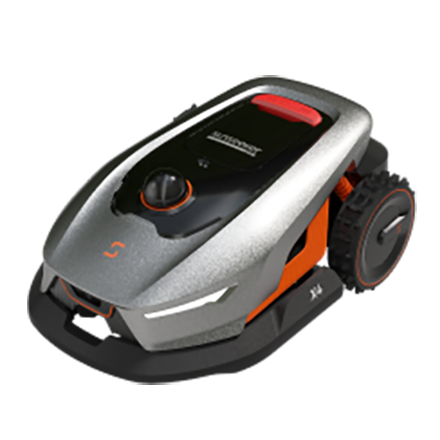
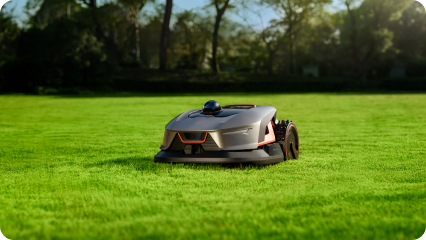
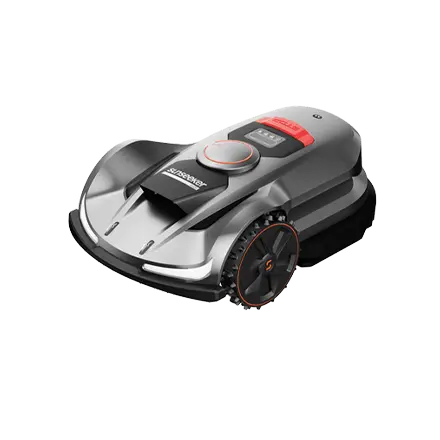
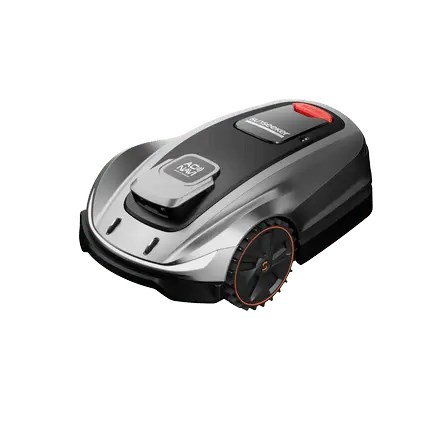
After repaired areas are stable enough for regular mowing, the Sunseeker Elite X4 can keep established turf on a regular routine without a buried boundary wire. Its 360-degree 3D LiDAR and Vision AI build a lawn map, while app-based no-go zones let you temporarily exclude newly seeded or weak patches until they are ready for normal mowing.
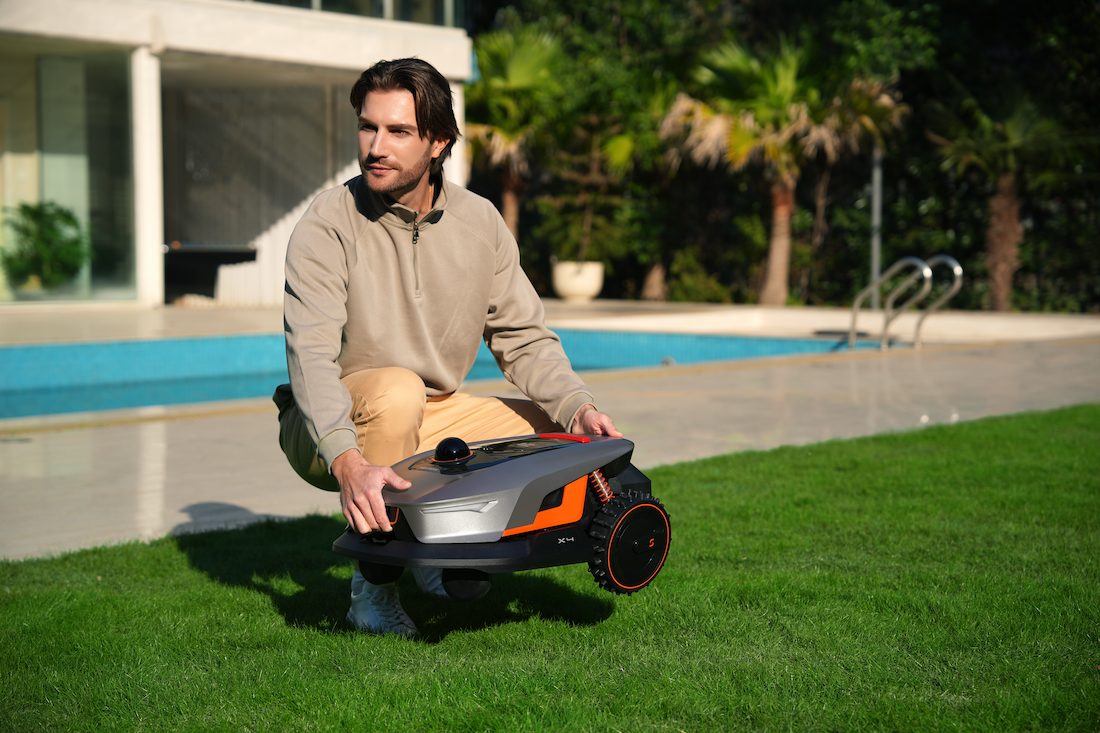
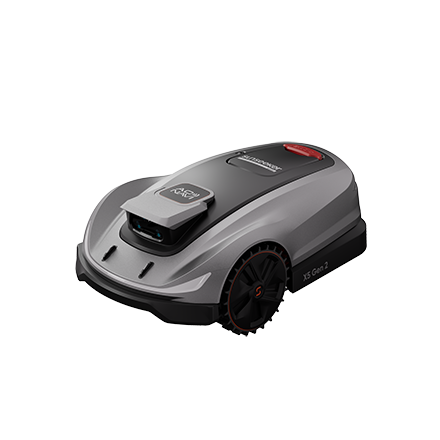
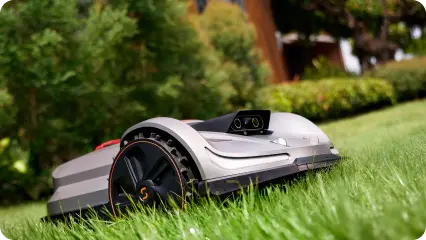
On steep or uneven established turf, consistent coverage can be harder to maintain. Sunseeker's AWD Robotic Mowers are designed to keep traction and mowing coverage more stable on difficult terrain, helping those areas stay on the same maintenance rhythm as the rest of the lawn.
Getting rid of lawn bugs is much easier when the pest is identified before treatment. Check where the damage begins, sample the turf, compare pest numbers with a useful threshold, and target the life stage that is actually feeding. After control, shift the focus back to roots, mowing height, water, and repair. That approach fixes the current damage without turning insecticide into a routine habit, and it gives the lawn a stronger chance of handling future pest pressure.
Fast acting curative products can reduce some surface feeding insects within a few days, while slower soil active grub treatments may need a couple of weeks. The lawn itself can take another 2 to 4 weeks to show obvious recovery. Recheck pest numbers before deciding a treatment failed, because dead or damaged blades do not turn green again.
Check the product label first. Some soil treatments are best applied after mowing and then watered into the root zone. After a liquid spray, keep the mower off until the grass is fully dry and any stated waiting period has passed. If the label gives no longer interval, waiting about 24 hours is a practical buffer before mowing again.
It can be used safely when the label directions are followed. Keep children and pets out of the area during application and for the full reentry period. Many liquid lawn products allow reentry after the grass is completely dry, while some granular products require watering in first. Store all remaining product in its original container where children and animals cannot reach it.