





FAQs
8/20/2026
Contents
Products
Residential Lawns









Explore
Where to Buy


Most lawns only need dethatching when the thatch layer is more than 1/2 inch thick or when water, air, and fertilizer cannot move into the soil well. Healthy lawns may need it every two or three years, while compacted, heavily used, or fast-growing lawns may need checks more often.
Thatch builds up slowly, so it is easy to miss until the lawn starts feeling soft, drying out too quickly, or taking longer to absorb water. Removing it can help, but dethatching too often may stress healthy grass and leave the soil more exposed.
So, how often to dethatch lawn depends on the thickness of the thatch layer, grass type, growth rate, and overall lawn condition. In this blog, you’ll learn when dethatching is actually needed, how often different lawns may require it, and how to avoid removing more thatch than the grass can handle.
Most home lawns do not need dethatching on a fixed yearly schedule. The better rule is to check the thatch depth and the way the lawn responds to water. If the lawn is growing well and the thatch layer stays under about 1/2 inch, dethatching can usually wait.
As a general guide, many cool-season lawns may need dethatching every two to three years if thatch builds up. Some warm-season lawns that spread aggressively may need closer attention, especially when they receive heavy nitrogen feeding, frequent shallow watering, or heavy foot traffic.
Use this simple schedule as a starting point:
A calendar can give a rough idea, but the lawn itself gives the clearer answer. Before renting a dethatcher or using a power rake, look for physical signs that the thatch layer is blocking normal growth. These clues are more useful than guessing based only on the year or season.
Cut out a small wedge of turf about 2 inches deep and look at the brown layer above the soil. If it is more than 1/2 inch thick, the lawn may benefit from dethatching. A layer around 1/4 inch is usually not a problem. It can even help cushion the crown of the grass and reduce surface drying.
Walk across the lawn after it has dried from rain or irrigation. If the surface feels springy, soft, or padded, thatch may be building up. This spongy feel often appears before the lawn looks seriously damaged. It can also make mower wheels sink slightly, leaving uneven cuts or faint tracks in the turf.
Excess thatch can act like a barrier. Water may puddle or run across the surface instead of soaking in. Granular fertilizer may also sit in the grass canopy longer than expected. If irrigation seems to disappear quickly without improving the roots, check the thatch layer before adding more fertilizer or increasing watering time.
Grass type matters because different lawns spread, shed, and recover in different ways. Some grasses naturally create more stems and runners, while others build thatch slowly. The best frequency depends on the growth habit, climate, soil, and how intensively the lawn is maintained.
Cool-season grasses such as Kentucky bluegrass, perennial ryegrass, tall fescue, and fine fescue grow strongest in spring and fall. Kentucky bluegrass can build thatch more readily because it spreads through underground rhizomes. Tall fescue usually creates less thatch because it grows in bunches rather than spreading aggressively.
For cool-season lawns, check thatch in early fall or early spring. Early fall is often the best practical window because the soil is warm, temperatures are milder, and the lawn still has time to repair itself before winter. A healthy cool-season lawn may only need dethatching every few years, not every season.
Warm-season grasses such as Bermuda grass, zoysia, St. Augustine, and centipede grass grow most actively in late spring and summer. Bermuda and zoysia can produce heavy thatch because they spread with runners. St. Augustine can also develop a thick layer if clippings, stems, and old growth build up faster than they break down.
For warm-season lawns, dethatching is usually safest when the grass is fully active and has several weeks of warm growing weather ahead. Late spring or early summer is often better than fall. Avoid dethatching warm-season grass close to dormancy because recovery will be slow and bare spots can remain exposed.
The best season is the time when your grass is actively growing but not stressed. Dethatching removes dead material, yet it also disturbs the living turf. The lawn needs good growing conditions afterward so it can close gaps, rebuild roots, and cover exposed soil.
For cool-season lawns, early fall is usually the strongest option. Temperatures are often cooler, weed pressure is lower, and the grass can recover before winter. Spring can also work if the lawn is healthy, but avoid doing it too early when soil is wet or too late when summer heat is near.
For warm-season lawns, late spring through early summer is usually the safer window. Wait until the lawn has greened up fully and is growing strongly. Dethatching too early can scalp weak turf, while dethatching too late can leave the grass thin as cooler weather approaches.
A good soil moisture level also matters. The ground should be lightly moist, not soggy and not hard as concrete. Mow the grass a little lower than usual before dethatching, remove debris afterward, and water lightly so the turf settles and starts recovery.
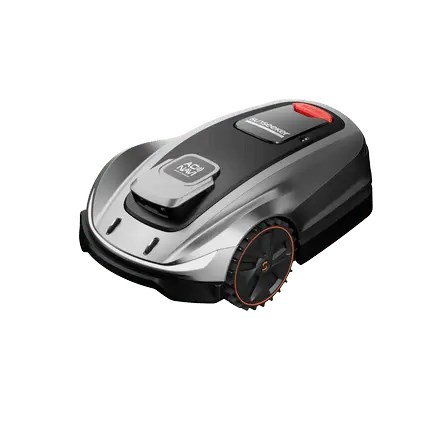
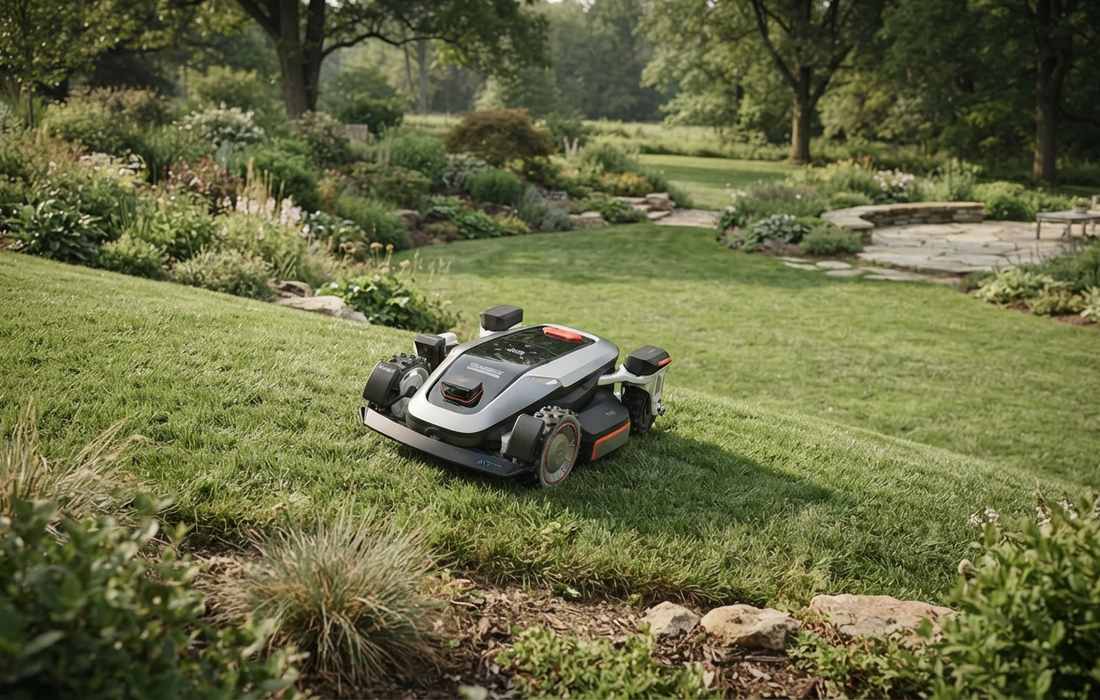
After the lawn is cleaned up, regular mowing helps keep new growth even and easier to monitor. The Sunseeker Elite X9 Plus supports routine upkeep with AONavi™ 2.0 navigation, virtual boundaries, and automatic path planning, so established lawns can stay neatly maintained between bigger seasonal care jobs such as dethatching, overseeding, and soil improvement.
Dethatching can help a lawn breathe, but too much of it can weaken the grass. It is more aggressive than normal mowing and can pull at crowns, roots, and young shoots. This is why frequency should be based on thatch depth and lawn condition rather than habit.
Problems caused by over-dethatching can include:
If the thatch layer is thin, choose gentler care instead. Core aeration can help compacted soil. A soil test can guide fertilizer choices. Better watering habits can improve roots. Mowing at the right height can also reduce stress. These steps often solve lawn problems without the disruption of full dethatching.
The right dethatching schedule depends on thatch depth, grass type, growth rate, and the overall condition of the lawn. When deciding how often to dethatch lawn, many lawns only need treatment every few years, while some fast-spreading grasses need closer checks. Measure the thatch layer, choose the right season, and avoid treating a healthy lawn too aggressively. For ongoing upkeep after recovery, Sunseeker’s Robot Lawn Mowers without Perimeter Wires can help support steady mowing and a more automatic lawn care routine.
No, dethatching every year is not necessary for most lawns. It is only useful when the thatch layer is too thick, usually more than 1/2 inch. If the layer is thin and the grass is healthy, annual dethatching can stress the turf and create bare areas.
For cool-season grass, September is often a good month because the lawn is actively growing and summer heat is easing. For warm-season grass, late spring or early summer is usually better. The exact month depends on your local climate, soil moisture, and the grass’s growth stage.
Yes, dethatching can hurt grass if it is done too often, too deeply, or during stress. Dry soil, heat, disease, and dormancy all raise the risk of damage. Set the machine correctly, remove only excess thatch, and give the lawn water and recovery time afterward.