









FAQs
9/9/2026
Contents
Products
Residential Lawns









Explore
Where to Buy


Clean wood ash can help an acidic lawn when a soil test recommends raising pH, but it is not a general fertilizer. Penn State notes that 3 pounds of wood ash can have liming potential similar to about 2 pounds of ground limestone and advises against ash when soil pH is 6.8 or higher. Use only ash from untreated wood and calculate any rate from a soil-test recommendation.
Wood ash can seem like an easy way to reuse fireplace waste, especially when a lawn looks pale or the soil is known to be acidic. But its effect depends heavily on soil pH, because ash raises alkalinity and can quickly become too much for turf that is already near the right range.
In this blog, you’ll learn when wood ash on a lawn may be useful, when to avoid it, how soil testing guides the decision, and how ash compares with regular lime for correcting acidic soil.
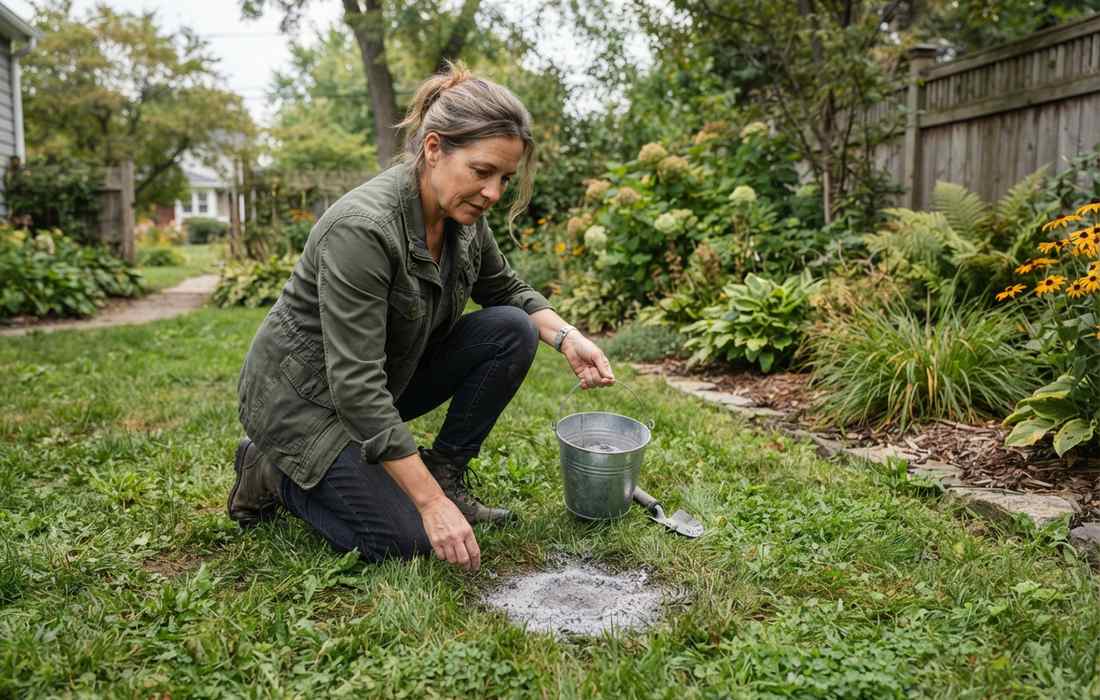
Wood ash changes soil chemistry more than soil structure. Its value depends on the starting soil test and on the chemistry of the ash itself.
Ash contains calcium compounds and other alkaline materials that neutralize soil acidity. Penn State Extension gives a useful comparison: about 3 pounds of wood ash can provide liming potential similar to 2 pounds of ground limestone in the material described by its guidance.
That is a comparison of neutralizing power, not a universal lawn application rate. Different ashes vary, and a soil test may recommend no lime at all. It’s better not to use wood ash when soil pH is 6.8 or higher because further pH increase can contribute to nutrient imbalance.
Wood ash also contributes potassium, calcium, magnesium, and smaller amounts of phosphorus. These minerals can supplement soil fertility, but their concentrations vary with the type of wood and how it was burned.
Ash contains very little nitrogen, so it works better as a mineral-rich soil amendment than as a complete lawn fertilizer. Use soil-test results to determine whether the lawn actually needs the pH adjustment or minerals that wood ash provides.
Wood ash is most defensible when a laboratory soil test shows acidic soil and recommends lime or an equivalent liming amendment. Many turf programs aim for a mildly acidic to near-neutral pH, often around 6.0-6.5 for common home-lawn species, although the preferred range varies with grass and region.
Ash may be useful when you have a small, consistent supply from clean untreated firewood and can measure it accurately. It can also make sense when the soil test shows potassium is not already excessive and the lab or local Extension service can help convert a lime recommendation into an ash rate.
Do not assume dark green color means the soil “needs ash.” Turf color is more strongly affected by nitrogen, species, moisture, disease, and temperature than by a visual sign of acidity.
Wood ash is not appropriate in every lawn situation. A few clear conditions should stop the application before material is spread.
If the soil is already near the upper end of the recommended pH range, adding ash can reduce availability of micronutrients such as iron and manganese. Avoid wood ash at pH 6.8 or above.
Do not try to correct one nutrient deficiency by raising pH blindly. Chlorosis caused by iron availability can become worse in excessively alkaline soil.
Use only clean ash from untreated, unpainted, natural wood. Do not use ash from pressure-treated lumber, painted boards, plywood, household trash, coal, charcoal briquettes, or mixed burn piles. Those materials can contain metals, binders, coatings, or other residues that do not belong on turf.
Cold ash should be stored in a dry metal container until you are certain there are no live embers.
Keep wood ash away from a fresh seedbed unless a specific soil-test and establishment recommendation includes it before planting. Concentrated alkaline salts can injure tender seedlings, and spreading powder over germinating seed can disturb the moist surface.
Make pH corrections before seeding when possible, mix amendments as recommended, and allow the seedbed to be prepared evenly.
A safe application is deliberate rather than routine. Work methodically and keep enough information to evaluate the soil again later.
Collect representative cores from the lawn and submit them to a reputable soil laboratory. Separate visibly different areas, such as a shaded front lawn and a sandy back slope, if they have different management histories.
Record pH and the lab’s lime recommendation. If no lime is recommended, do not apply ash as a liming material.
Screen out nails, charcoal chunks, and debris. The ash should come only from clean untreated wood. Keep it dry until application because wet ash is difficult to spread uniformly and can form concentrated clumps.
Wear gloves, eye protection, and a dust mask or respirator appropriate for fine particulate exposure, especially when loading a spreader.
Ask the soil lab or local Extension service for an ash conversion if possible. Penn State’s 3-pounds-ash-to-2-pounds-limestone comparison can help explain why ash has meaningful liming power, but its chemistry is variable and should not replace a site-specific recommendation.
Weigh the amount rather than estimating by shovelfuls. Divide a large lawn into measured 1,000-square-foot sections so distribution can be checked as you work.
Apply in calm weather so dust stays on the intended turf. Make two light passes at right angles if that helps achieve even coverage, but keep the total within the calculated amount.
Brush or sweep any ash off pavement and keep it away from drains, ponds, and surface water. Water only as local guidance recommends after application.
Write down the date, area, ash weight, and starting soil-test results. Recheck soil pH before repeating the amendment rather than making ash an annual habit.
Soil pH changes gradually. Give the amendment time to react and let the next laboratory result determine if more liming material is actually needed.
Agricultural lime is the better choice when a soil test shows that pH needs to be raised by a specific amount. Its neutralizing value is predictable, so the application rate is easier to calculate and control. It also raises pH without adding a large amount of potassium, which is useful when soil potassium is already sufficient or high.
Wood ash can also raise soil pH, but its strength varies depending on the wood source and how it was burned. It also adds potassium and soluble salts, so it makes more sense when the soil actually needs those nutrients. Use only clean, untreated wood ash and keep the application conservative, especially if the soil test already shows elevated potassium levels.
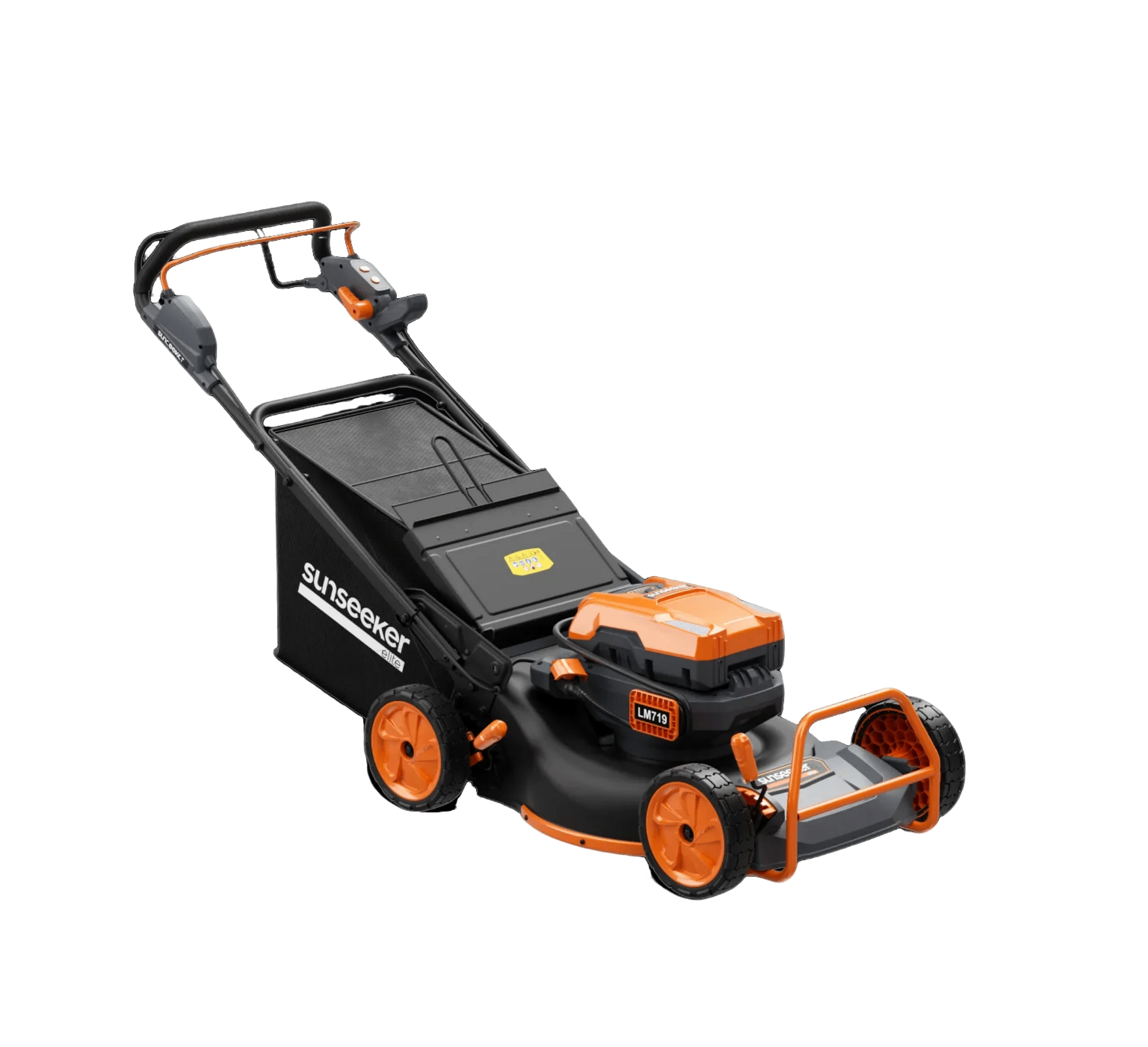
After the amendment has been applied and the lawn is ready for normal maintenance again, keep mowing at a consistent height rather than cutting aggressively to encourage faster recovery. A mower such as the Sunseeker Elite X5, with an adjustable 1.6-3.2 in cutting-height range, gives you room to maintain the grass at an appropriate height as growing conditions change.

Wood ash can help raise pH in an acidic lawn, but it should only be used when a soil test shows a real need. Avoid applying it at pH 6.8 or above, use only clean untreated ash, measure the amount carefully, and retest the soil before adding more. Agricultural lime is easier to dose consistently, while wood ash also adds variable amounts of potassium and other minerals. If your lawn care routine includes regular soil testing, aeration, or other work that disturbs the ground, Robot Lawn Mowers without Perimeter Wires can also simplify maintenance by avoiding a buried boundary cable around the lawn.
Wood ash is the mineral residue left after clean wood burns. It contains alkaline compounds that can raise soil pH plus potassium, calcium, and other minerals. It can help an acidic lawn when a soil test recommends liming, but it can harm nutrient balance when pH is already high.
Start with a soil test and a calculated liming recommendation. Use only cooled ash from untreated, unpainted wood, weigh the amount, and spread a thin, even layer in calm weather. Keep dust out of eyes and lungs and away from pavement or water. Record the application and retest the soil before considering another treatment.
Wood ash contains calcium and other alkaline compounds that neutralize acidity. Penn State reports that about 3 pounds of wood ash can have liming potential similar to roughly 2 pounds of ground limestone in its example. That can benefit acidic soil, but the same reaction is undesirable when pH is already adequate, so a soil test should control the decision.