









Blog
All
/
FAQs
/
Buyer’s Guide
/
Buyer's Guide
All
All
FAQs
Buyer’s Guide
Buyer's Guide
FAQs
August 07, 2026
What Causes Yard Bubble and How to Fix Soft Spots
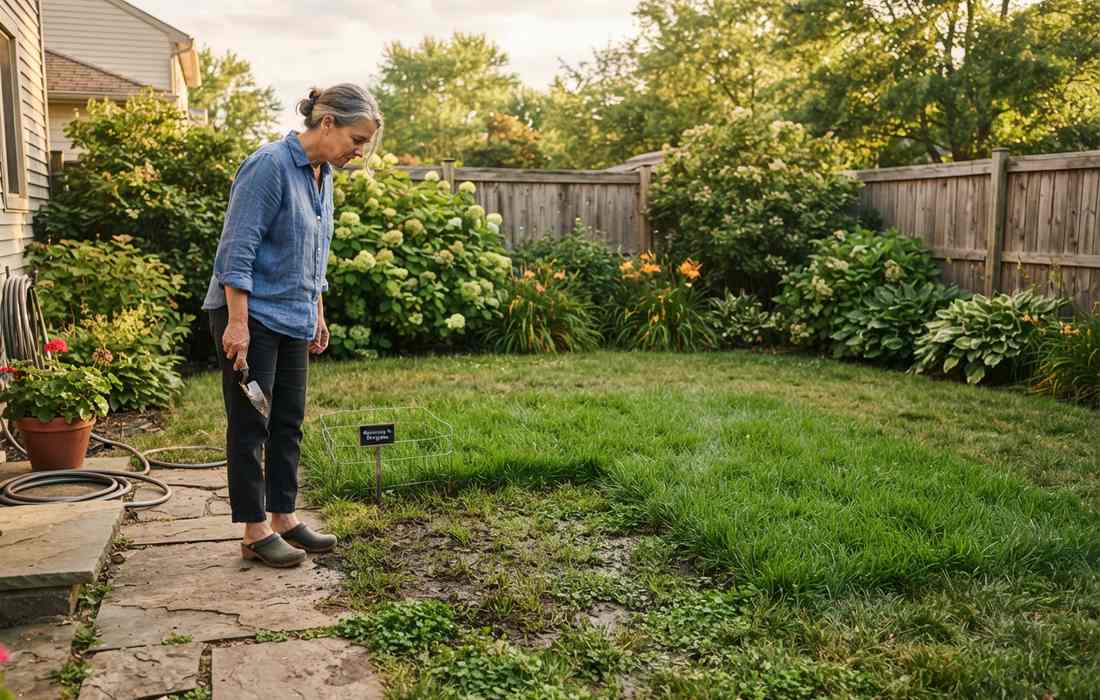
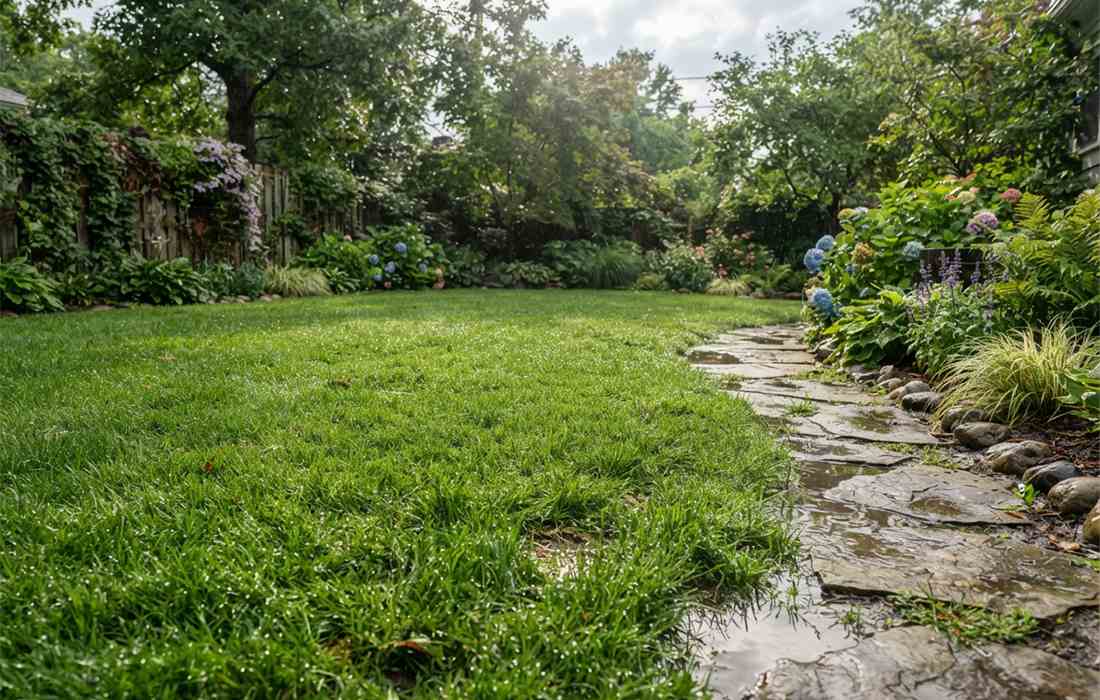
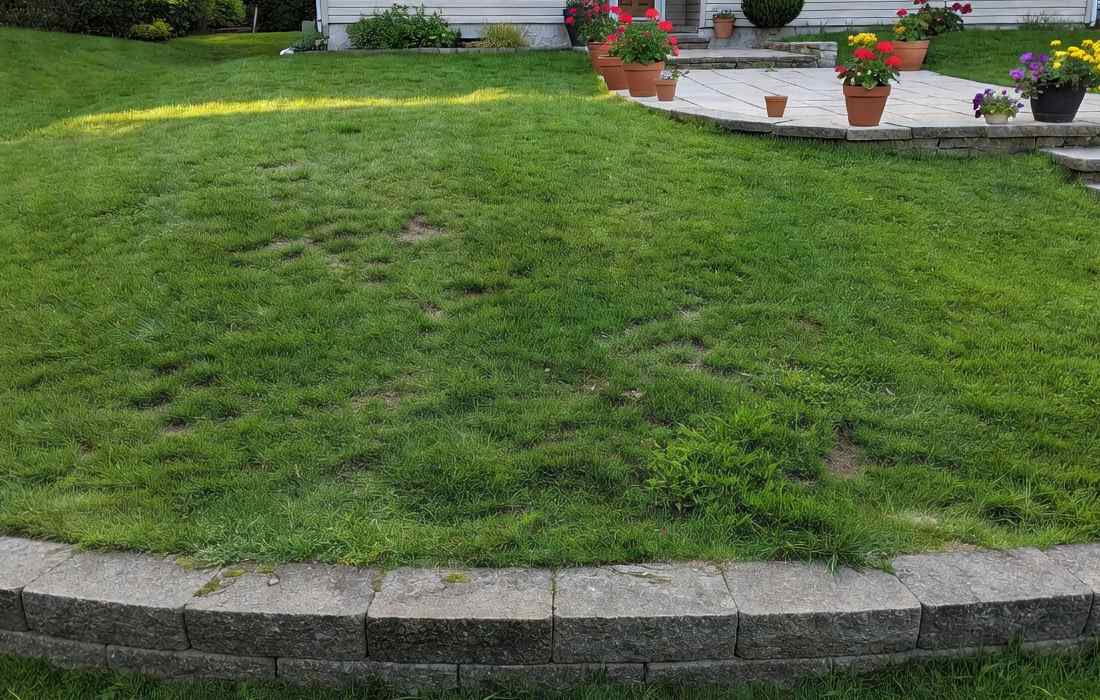
A lawn bubble is a raised soft patch where water, air, foam, or loosened soil lifts the grass. Common sources include irrigation leaks, trapped water, poor drainage, compaction, or insects. Keep traffic off the spot, find the source, drain carefully, then level and repair.
FAQs
August 07, 2026
What Is a Yard Sweeper? Types, Uses, and Cleanup Tips
A lawn sweeper is a wheeled tool that brushes leaves, clippings, needles, and light debris into a hopper. It shines after mowing, light leaf drop, seasonal cleanup, or storm litter. Dry, short turf works best; skip rocks, wet mats, and heavy limbs.

FAQs
August 07, 2026
What Is Causing Holes in Yard? Digging, Pests, Fixes
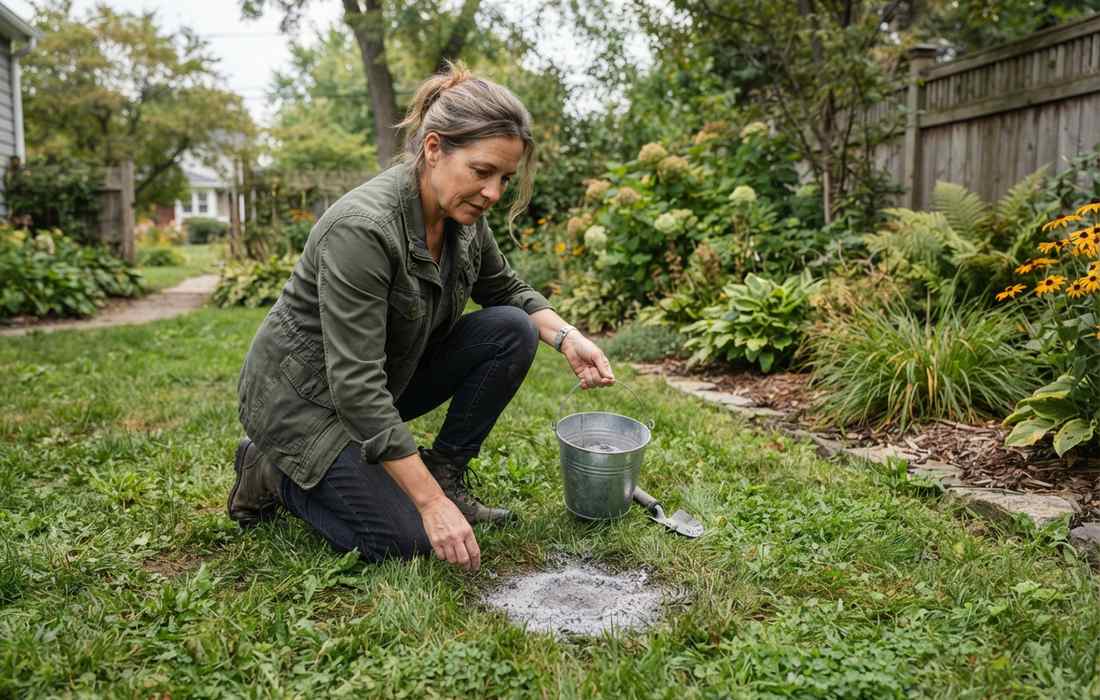
Lawn holes usually come from digging animals, grubs, soil pests, drainage issues, settling ground, or rotting roots. Start with hole size, soil piles, tunnels, and turf health. Then correct the cause, level the soil, reseed if needed, and reduce repeat damage.
FAQs
August 07, 2026
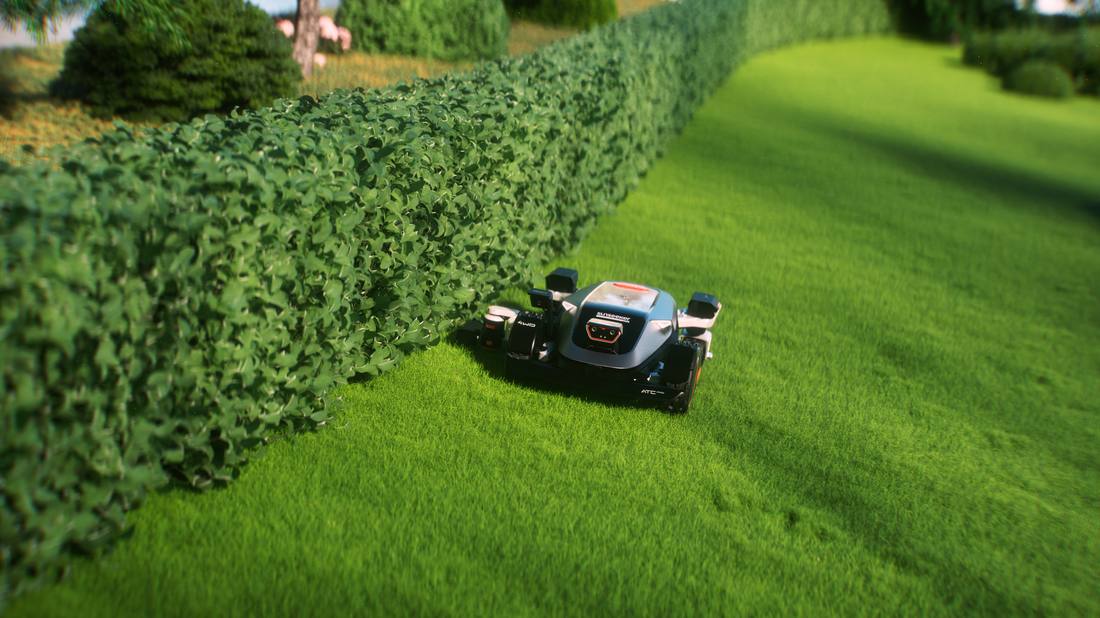
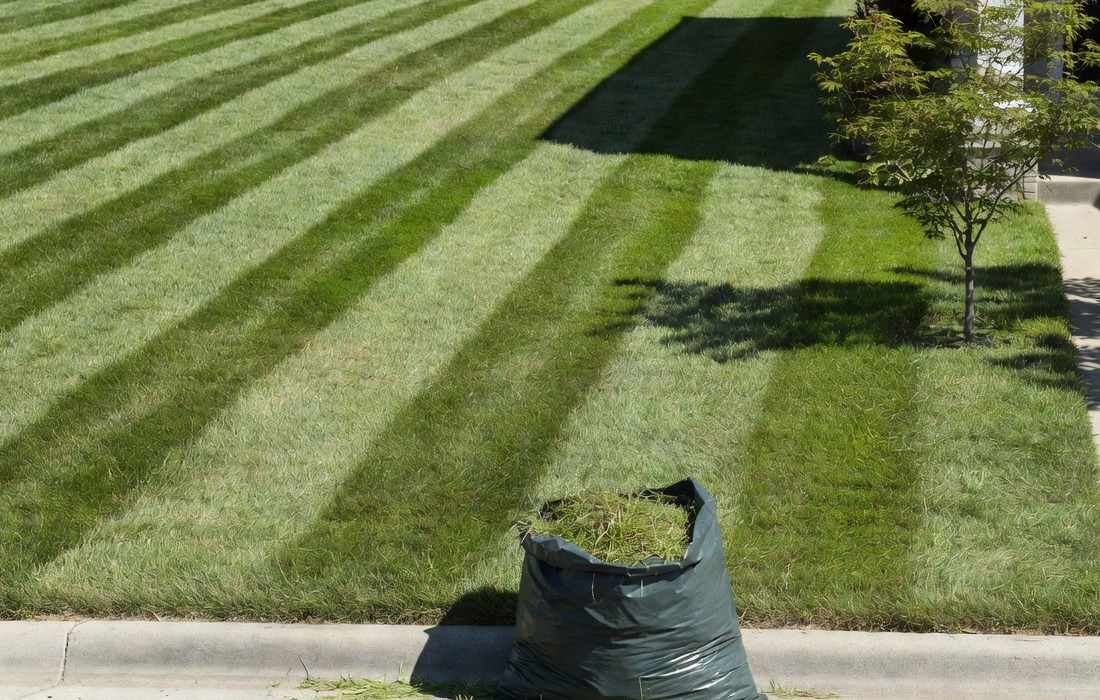
How Much to Cut Lawn: 2026 Mowing Cost and Pricing Guide
Expect a typical visit fee of about €28 to €78 for a small or average yard; oversized, overgrown, sloped, or obstacle-heavy lawns run higher. Quotes track size, how often you mow, grass condition, local labor, and extras like edging, trimming, and cleanup-so compare what each price includes, not the number alone.
FAQs
August 01, 2026
Why Is My Lawn Turning Brown? Diagnose Before You Treat
Before adding water, fertilizer, or chemicals, check soil moisture, roots, and blade condition. Brown turf may signal drought, excess water, disease, pests, pet damage, or seasonal dormancy—each needs a different response. Correct diagnosis prevents stress from the wrong fix.
FAQs
August 01, 2026
How to Fix Dead Spots in Lawn: Cause-First Repair Steps
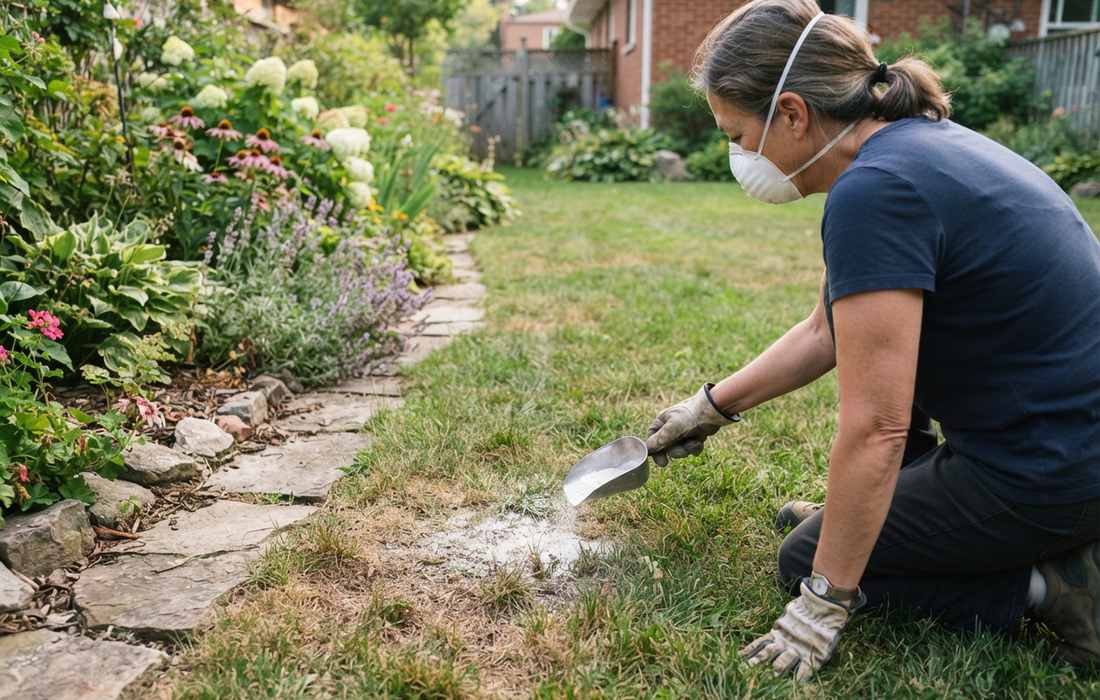
Find why the patch died—drought, insects, disease, compaction, pets, or dormancy—before you reseed. Clear dead material, improve the soil, and only then establish new grass. Lasting repair also means changing the watering, traffic, or mowing habits that opened the spot.
FAQs
July 31, 2026
How to Keep Geese Off Your Lawn With Safe Deterrents
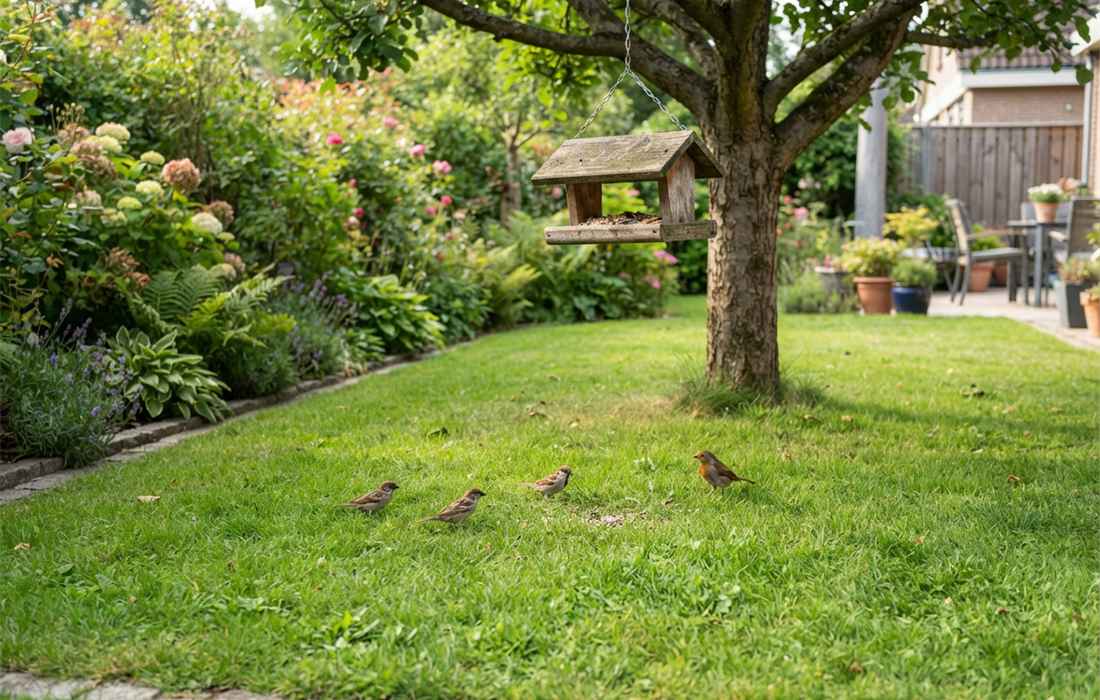
Short grass, open sightlines, easy walking routes, and nearby water draw geese in. A stronger plan cuts food sources, adds barriers and movement, reshapes the lawn edge, and uses safe repellents. Never harm birds, nests, or eggs, and get professional help when nesting or aggression begins.
FAQs
July 31, 2026
How to Install a Lawn Sprinkler System Step by Step
Successful irrigation starts with pressure checks, zone layout, head spacing, and safe digging. Most DIY installs need a marked plan, utility clearance, trenches sized for your climate, a backflow preventer, valves, pipe, heads, and thorough testing before you backfill.
FAQs
July 31, 2026
How to Get Rid of Voles in My Lawn and Prevent Return
Voles chew roots, clip blades, and travel in shallow surface runways. Confirm the signs first, then cut cover, protect plants, repair bare turf, and apply safe removal where activity is fresh. Steady mowing, cleanup, barriers, and early checks keep pressure down.
FAQs
July 31, 2026
How to Fix Dead Grass Patches on Lawn for Lasting Growth
Before you reseed, find why the grass died鈥攄rought, pests, urine, disease, or poor drainage. Clear dead material, correct the soil, then seed or sod and protect new growth. Steady watering, proper mowing, and quick repairs help stop the same patches from returning.
FAQs
July 31, 2026
How to Fix Bare Spots in Lawn (Common Causes & Fixes)
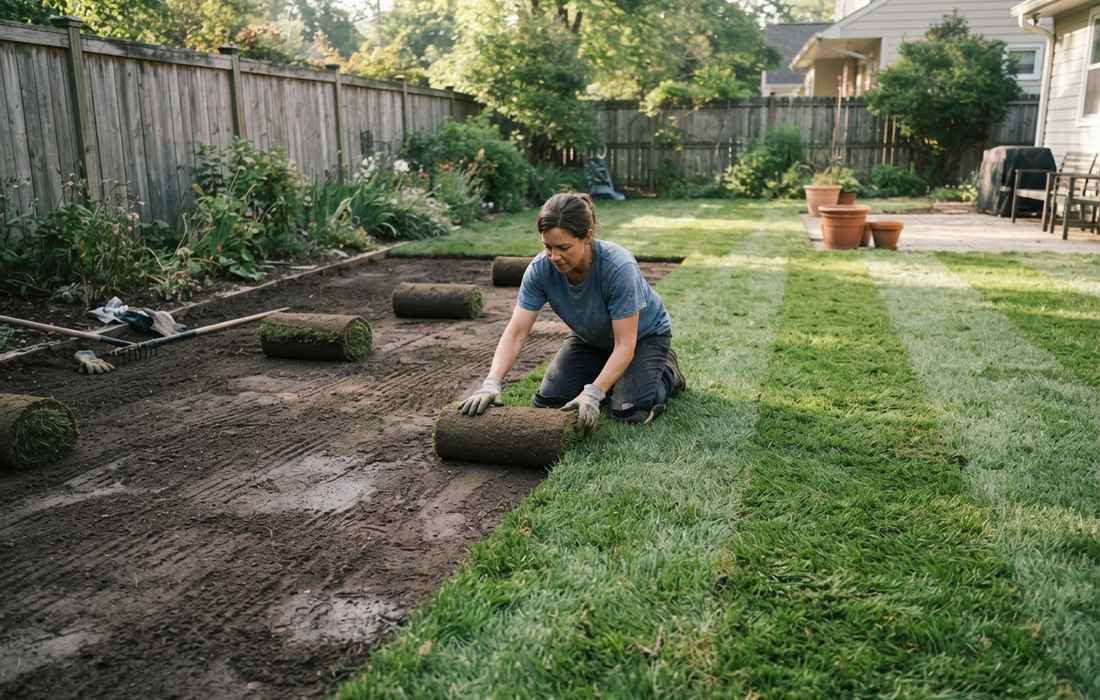
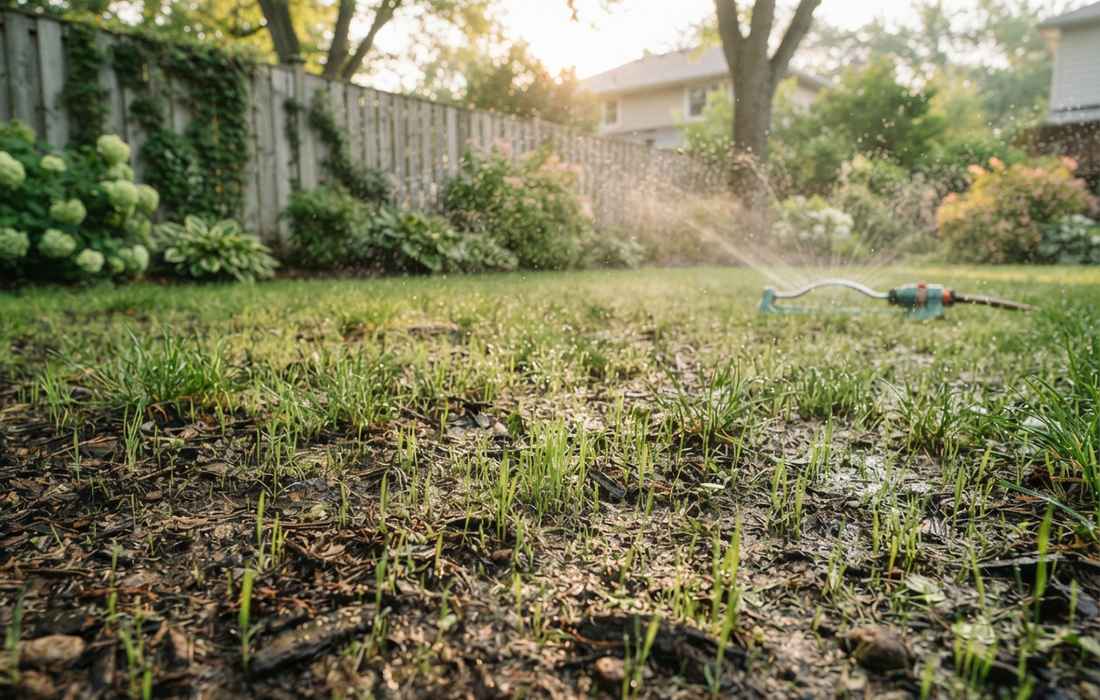
Wear, pets, weak soil, drought, disease, or pests often leave empty turf. Correct that cause first, then clear dead material, loosen the ground, add matching seed or sod, and keep moisture steady until new roots take hold.
FAQs
July 25, 2026
How to Even Out a Yard: Step-by-Step DIY Guide
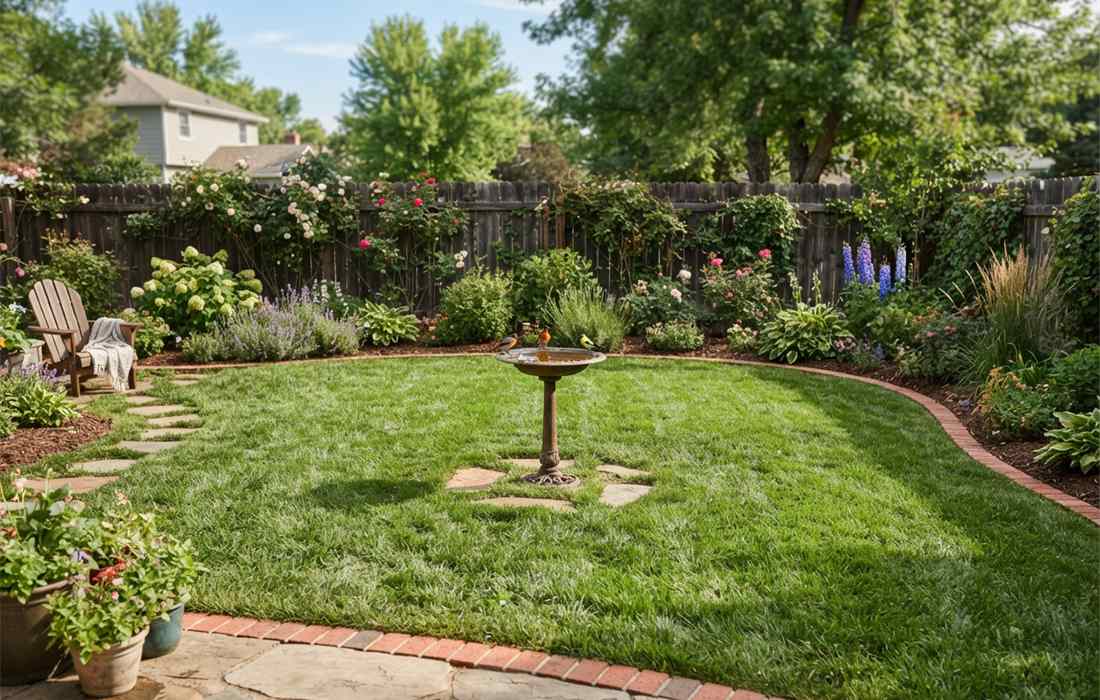
Start by spotting low spots, bumps, drainage issues, and hard soil. Mow short, loosen compaction, then topdress with a thin blend of topsoil, sand, and compost. Rake smooth, water lightly, and add another thin layer later if settling continues. Deep holes, poor drainage, or steep grades often need professional help.
FAQs
July 23, 2026
How to Overseed a Lawn in Fall: Timing, Steps, and Aftercare
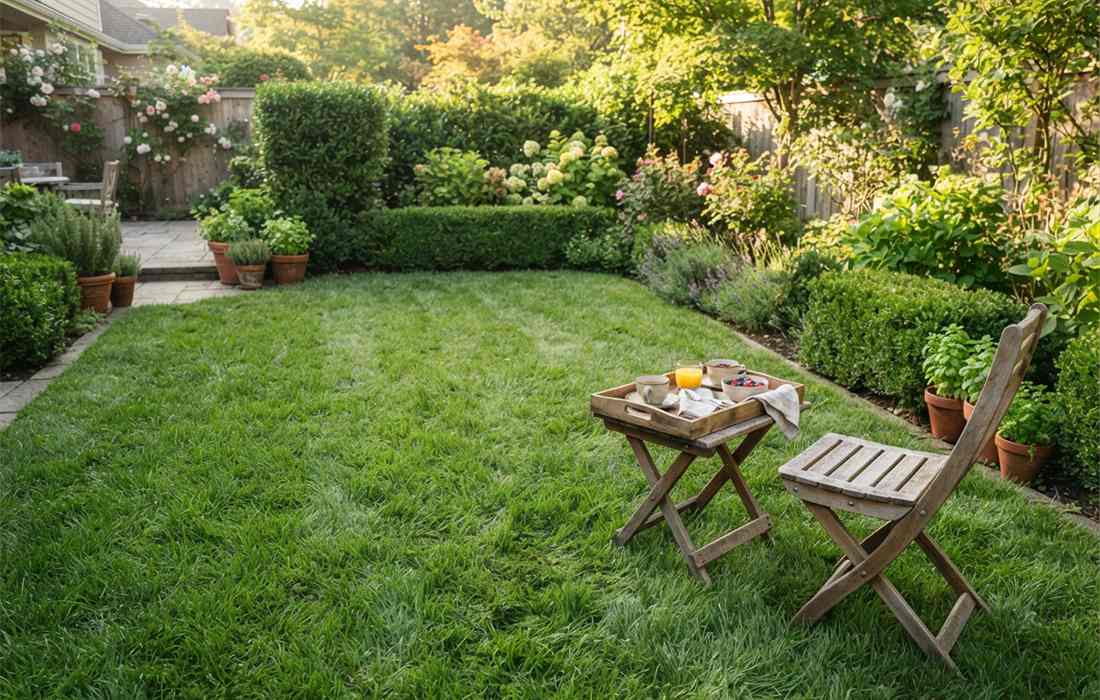
To overseed a lawn in fall, mow low, dethatch, and aerate to improve seed-to-soil contact. Spread high-quality grass seed evenly, apply a starter fertilizer, and keep the soil consistently moist. Seed at least 30–45 days before the first frost. With proper aftercare, overseeding enhances lawn density, strengthens roots, and yields greener, fuller growth the following season.
FAQs
July 10, 2026
Lawn Lifespan Explained: How Many Years Does a Yard Last
A well-maintained lawn typically lasts 15 to 30 years, depending on factors such as grass type, soil condition, and overall maintenance practices. Poorly maintained lawns, however, may deteriorate within 5 to 10 years. To extend the lifespan of your lawn, focus on proper mowing, watering, and fertilization, while also addressing issues like soil compaction and disease. Recognizing early signs of decline allows homeowners to take timely corrective action and maintain a healthier lawn over time.
FAQs
July 07, 2026
How to Tell What Type of Grass You Have: Complete Guide
To identify your lawn type, observe key characteristics such as blade shape, leaf tip structure, growth habit, and your local climate. Cool-season grasses typically perform best in northern regions, while warm-season grasses thrive in hotter climates. Once you determine the grass type, it becomes much easier to plan mowing height, watering schedule, fertilization, and maintenance or repair work.
FAQs
July 07, 2026
Why Do I Have Mushrooms in My Lawn? Causes, Risks, And Remedies
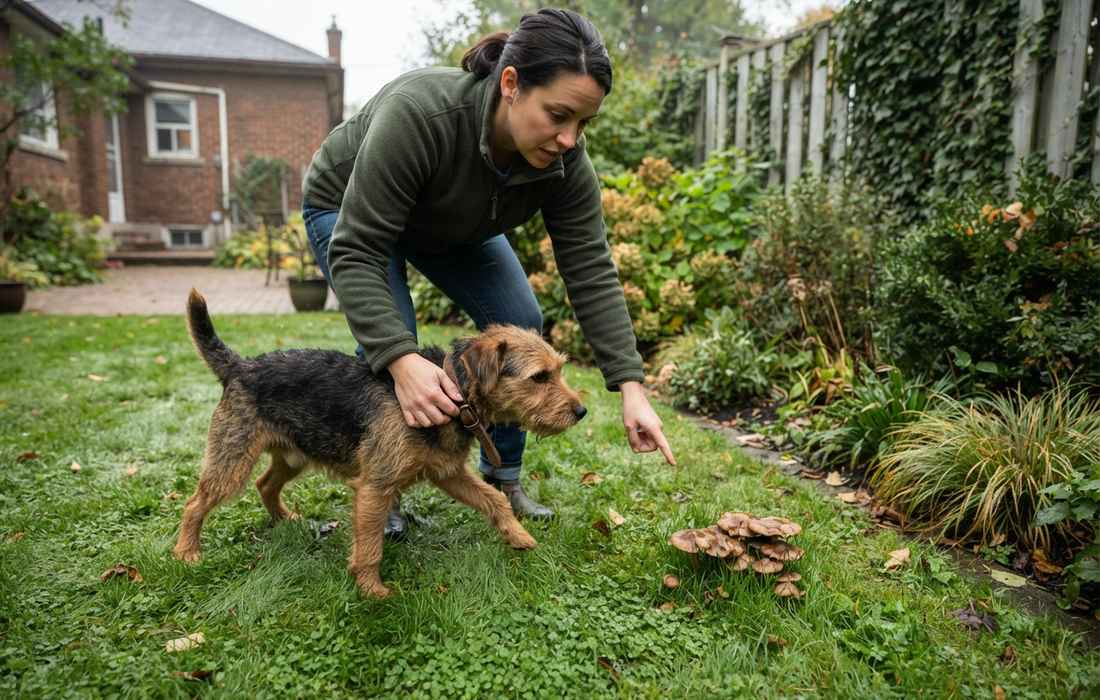
Mushrooms typically appear in lawns due to damp, shaded conditions and the presence of decaying organic matter in the soil. In most cases, they indicate active soil biology rather than serious lawn damage. To manage them, remove visible mushroom caps, improve drainage, reduce excess shade, clear buried organic debris, and adjust watering practices to make the environment less favorable for fungal growth.