Watering
Most established lawns need 3-4 cm of water per week, including rainfall. Deep, less frequent watering usually builds stronger roots than shallow daily sprinkling. Early morning is the best time because the lawn has time to dry during the day. A simple tuna-can or rain-gauge test can show how long your sprinklers need to deliver half an inch of water. If you want permanent, zone-based coverage instead of moving portable sprinklers, a do it yourself lawn sprinkler system can be planned around the same measured water needs. If footprints stay visible, blades look folded, or the lawn takes on a dull blue-gray cast, it is often time to water.
Fertilizing
Fertilizer should match grass growth, soil test results, and the product label. Nitrogen supports green leaf growth, phosphorus helps root development where soil is deficient, and potassium supports stress tolerance. For cool-season grass, spring and fall are usually the key feeding windows. For warm-season grass, feeding often starts after full green-up and continues during active summer growth. Avoid fertilizing dormant, drought-stressed, or heat-stressed grass. Always measure the lawn area and calculate the rate before filling a spreader.
Weed and Pest Control
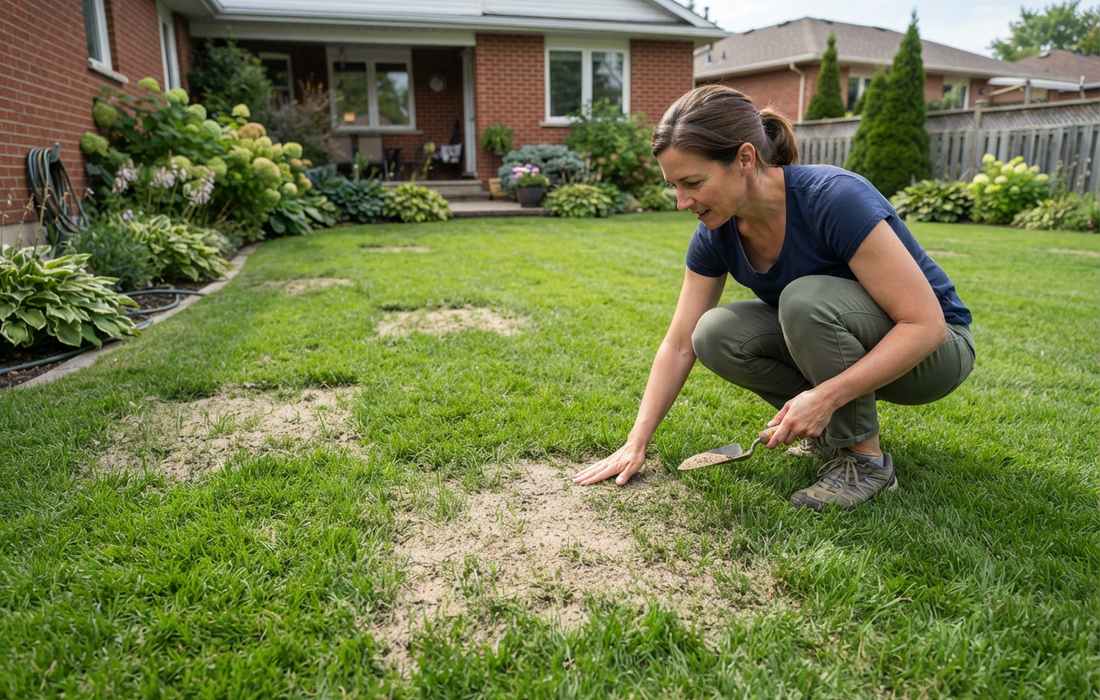
A thick lawn is the first defense against weeds, so repair bare soil quickly and keep mowing at the right height. Pre-emergent products can help prevent crabgrass before the soil warms in spring, while selective post-emergent herbicides treat broadleaf weeds already growing. Pest control should begin with identification. Grubs, chinch bugs, ants, and fungal disease can all create different symptoms, so inspect the turf, roots, and soil before applying treatment. Use pesticides only as directed and keep children and pets away until the label says the area is safe.
How Do You Build a Seasonal Lawn Care Schedule?
A seasonal plan turns scattered tasks into a manageable do-it-yourself lawn treatment routine. The exact month changes with climate and grass type, but the pattern stays simple: prepare during active growth, protect during stress, and repair when conditions support recovery.
|
Season
|
Main focus
|
Typical actions
|
Simple timing cue
|
|
Spring
|
Recovery and setup
|
Test soil, clean debris, repair thin areas, prevent early weeds, and start mowing when grass grows actively.
|
Soil reaches about 13°C, and the lawn has begun steady growth.
|
|
Summer
|
Stress control
|
Mow higher, water deeply, watch for heat stress, and avoid heavy fertilizer during extreme heat.
|
Grass shows signs of wilting in the afternoon, or rain has been scarce for a week.
|
|
Fall
|
Root building
|
Overseed cool-season lawns, fertilize at the right rate, aerate compacted soil, and control broadleaf weeds.
|
Daytime temperatures settle near 16-24°C for cool-season repair.
|
|
Winter
|
Protection
|
Keep heavy traffic off frozen or soggy turf, clear debris, service tools, and plan next season.
|
Grass is dormant or growing very slowly.
|
Spring
Spring is for cleanup, inspection, and light correction. Rake debris, sharpen mower blades, test soil if needed, and look for winter damage. Apply pre-emergent weed control before crabgrass germinates, often when soil temperatures approach 13°C for several days. Do not rush heavy fertilizer while grass is still waking up, especially on cool-season lawns. Start mowing when the lawn grows actively, and keep the first few cuts gentle rather than cutting it short.
Summer
Summer lawn care is mostly about stress management: raise mowing height during hot weather, water early, and avoid aggressive work when the turf is already under heat or drought pressure. Raise mowing height during hot weather, water early in the morning, and avoid aggressive dethatching, heavy nitrogen, or major reseeding during extreme heat. Warm-season lawns may grow strongly in summer and need regular feeding, but cool-season lawns often slow down. Watch for dry spots near pavement, slopes, and shallow soil. If the lawn browns evenly during drought, it may be dormant rather than dead. Keep foot traffic low until cooler weather returns.
Fall
Fall is the best repair season for many cool-season lawns because the soil stays warm while air temperatures become milder. Aerate compacted soil, overseed thin areas, and apply fertilizer at a label-approved rate. Keep new seed moist until germination, then slowly shift to deeper watering. Warm-season lawns may need a different plan, with late-season fertilizing reduced before dormancy. Remove heavy leaf layers because thick, wet leaves block light and trap moisture against the grass.
Winter
Winter work is lighter, but it still matters. Keep parked cars, heavy equipment, and repeated foot traffic off dormant or frozen turf. Clean and store spreaders, sharpen mower blades, and review what worked during the growing season. If snow or rain leaves the yard saturated, wait before walking or working on it. Winter is also a good time to plan soil testing, seed purchases, irrigation repairs, and equipment upgrades before the spring rush starts.
When Should DIY Lawn Care Become Professional Care?
DIY care is enough for many routine tasks, but some lawn problems need special tools, diagnosis, or licensing. Getting help at the right time can prevent repeated spending on products that do not solve the real issue.
- Large areas keep dying even after watering and reseeding.
- The lawn has major drainage problems, standing water, or erosion.
- Soil is severely compacted, and basic aeration has not helped.
- Weeds, grubs, or fungal disease spread quickly across the yard.
- You need grading, irrigation redesign, sod installation, or tree-root work.
- Local rules require a licensed application for certain pesticide products.
A professional does not have to replace your whole routine. In many cases, you can handle mowing, watering, cleanup, and small repairs yourself, then bring in help for soil correction, heavy aeration, disease identification, or large renovations. That balance keeps control in your hands while reducing guesswork on complex problems.
Conclusion
Do-it-yourself lawn care becomes much easier when you begin with observation instead of products. Learn your grass type, test the soil, mow at the right height, water deeply, and feed only during useful growth periods. A simple seasonal plan helps you spend less time guessing and more time making steady improvements. If you are comparing ways to simplify regular mowing, the Robot Mowers with Mulching Blades collection can help you explore automated options for routine upkeep while you focus on soil, watering, and repair work.
FAQs
Can I just throw grass seed down on an existing lawn?
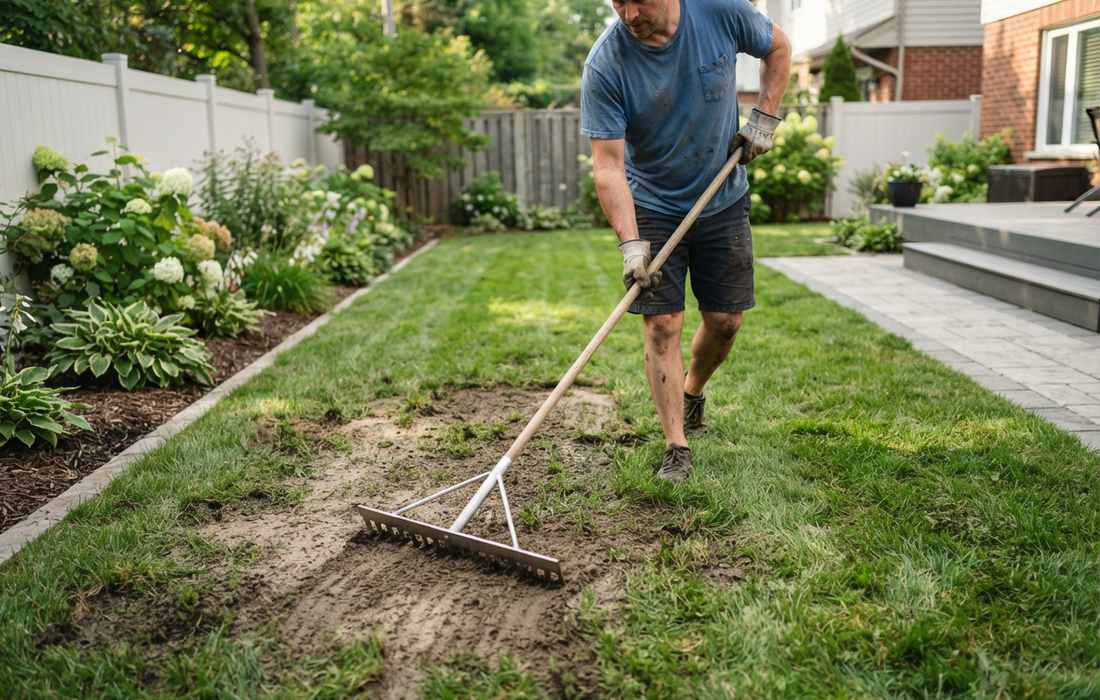
You can spread seed over thin grass, but it works much better with preparation. Mow low, remove debris, loosen the soil surface, and use seed that matches your lawn. Grass seed needs soil contact, light cover, and steady moisture. If it sits on thatch or dry soil, germination will be poor.
What are the most common lawn care mistakes to avoid?
The biggest mistakes are mowing too short, watering lightly every day, fertilizing without a soil test, ignoring compacted soil, and using weed killer on stressed grass. Another common problem is treating symptoms without finding the cause. Check soil, roots, insects, drainage, and sunlight before spending money on more products.
Can I put topsoil over grass and reseed?
Yes, but keep the layer thin. A light layer of screened topsoil or compost can help seed settle into weak areas. Do not bury healthy grass under thick soil, because it can smother the crowns. For low spots, level gradually, then seed and water until the new grass is established.