








A lawn that loses color or grows more slowly is not always missing water. Sometimes the grass simply needs more nutrients than the soil is providing, especially during periods of active growth. Fertilizer can help, but feeding too often can burn the grass, encourage weak growth, and waste product.
So, how often to fertilize lawn depends on more than a fixed calendar. In this blog, you’ll learn how grass type, season, soil condition, and lawn use affect the right schedule, plus how to tell when another application is needed and when it is better to wait.
How Often Should You Fertilize a Lawn?
Most lawns do not need fertilizer every few weeks. A healthy, established lawn usually needs two to four feedings per year, timed around active growth. The goal is steady color and root strength, not a sudden burst of soft growth that needs constant mowing.
For many homeowners asking how often should you fertilize your lawn, the safest starting point is one main feeding in the strongest growth season and one support feeding later. Cool-season lawns often use fall as the main feeding window. Warm-season lawns usually rely more on late spring and summer feeding.
The ideal schedule can vary based on how the lawn is used and maintained:
- Light-use or low-maintenance lawns: Feed one to two times per year after a soil test, especially if the grass already grows evenly.
- Average home lawns: Feed two to three times per year, with 6 to 8 weeks between applications during active growth.
- High-use lawns: Feed three to four times per year only if watering, mowing, and soil health can support that growth.
- Newly seeded lawns: Use starter fertilizer at planting if the soil test or seed product calls for it, then wait until the new grass has been mowed two or three times before normal feeding.
If you are asking how often should I fertilize my lawn, avoid copying a neighbor’s schedule. A shaded yard, sandy soil, compacted soil, and drought-stressed grass all react differently. The lawn should be actively growing, slightly moist, and not under extreme heat stress when you apply fertilizer.
What Changes Fertilizer Frequency?
Fertilizer frequency changes because lawns do not grow at the same speed all year. Grass type, soil fertility, rainfall, temperature, irrigation, and foot traffic all affect how much nutrition the lawn can use. These factors should shape the schedule before you buy another bag of fertilizer.
Grass Type
Grass type is the first thing to check. Cool-season grasses, such as Kentucky bluegrass, tall fescue, fine fescue, and perennial ryegrass, grow strongest in spring and fall. They slow down during hot summer weather, so heavy summer fertilizing can push weak growth at the wrong time.
Warm-season grasses, such as Bermuda, zoysia, St. Augustine, centipede, and bahia, wake up later and grow strongest when the soil is warm. These lawns usually need most of their nutrition after green-up, not in early spring while the grass is still partly dormant.
Soil Test Results
A soil test is the cleanest way to avoid guessing. It can show pH, phosphorus, potassium, and sometimes organic matter levels. Many lawns mainly need nitrogen, but some soils already contain enough phosphorus. Adding extra nutrients without testing can lead to waste, weak growth, and runoff.
Look at the N-P-K numbers on the bag. Nitrogen supports leaf growth and color, phosphorus supports root development, and potassium helps stress tolerance. If the soil test says potassium is low, a balanced product may fit better than a high-nitrogen-only fertilizer.
Climate and Growing Season
Climate controls how long the lawn can use nutrients. In cooler northern areas, the feeding season may run mainly through spring and fall. In warmer southern areas, warm-season grass may stay active longer and may need one extra light feeding during summer if rain or irrigation supports growth.
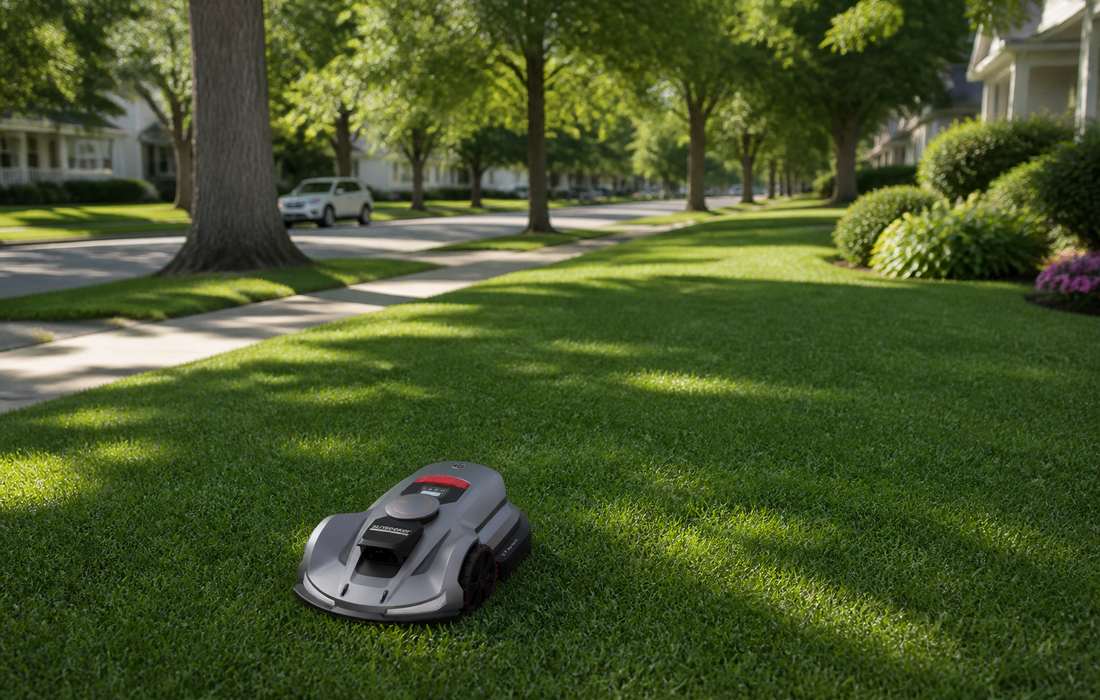
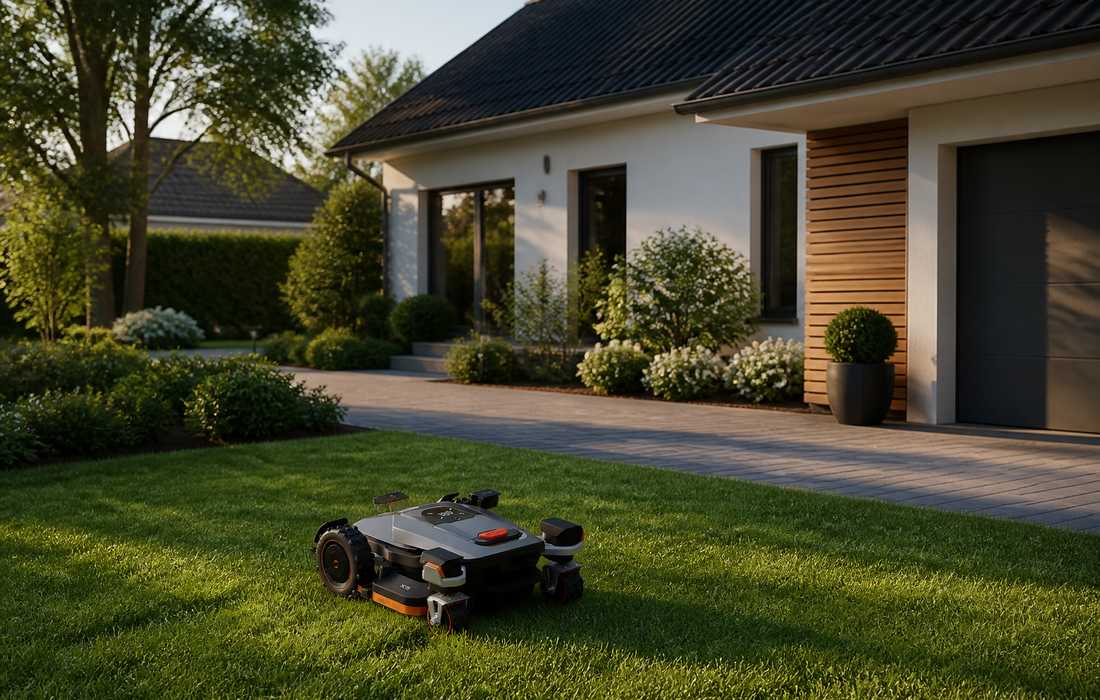
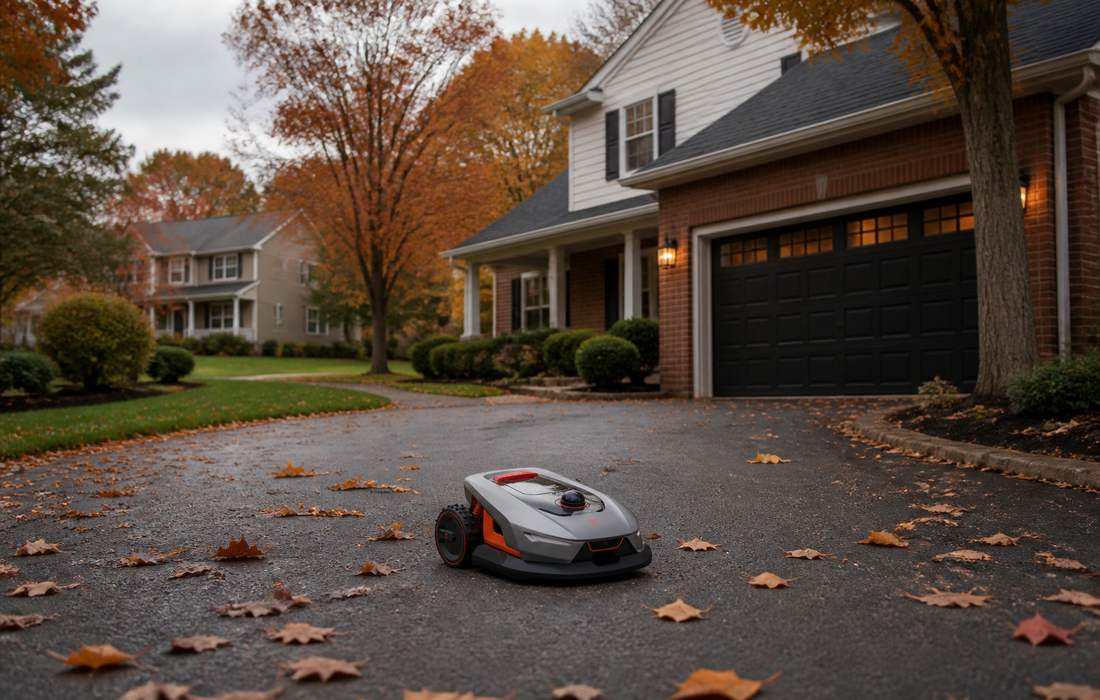
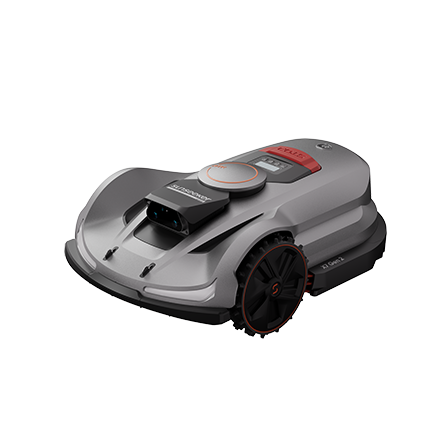
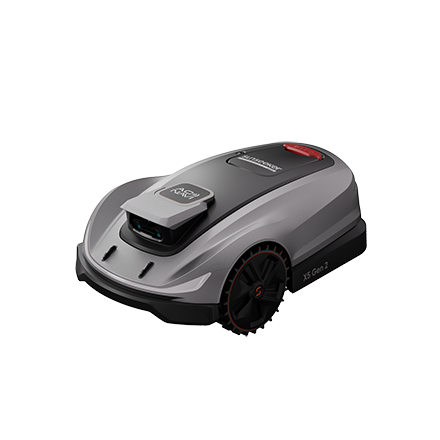
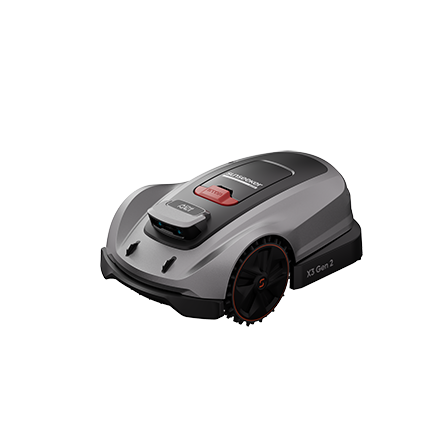
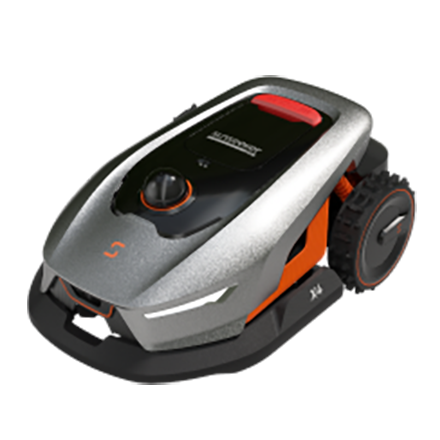
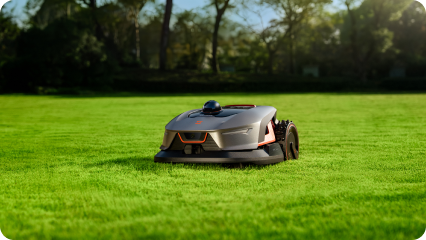
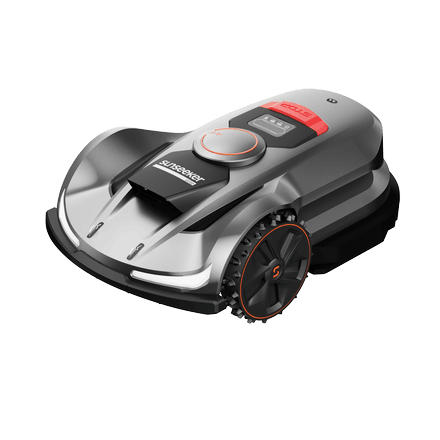
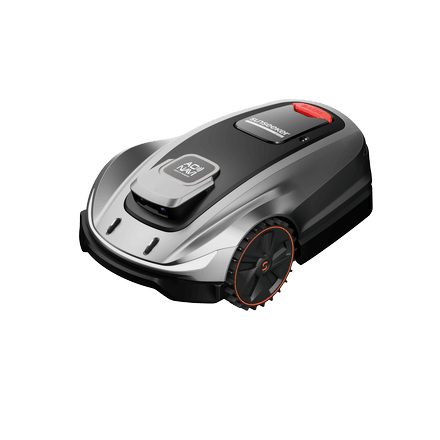
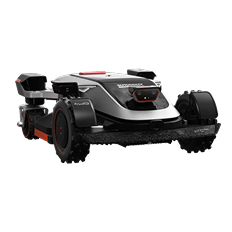
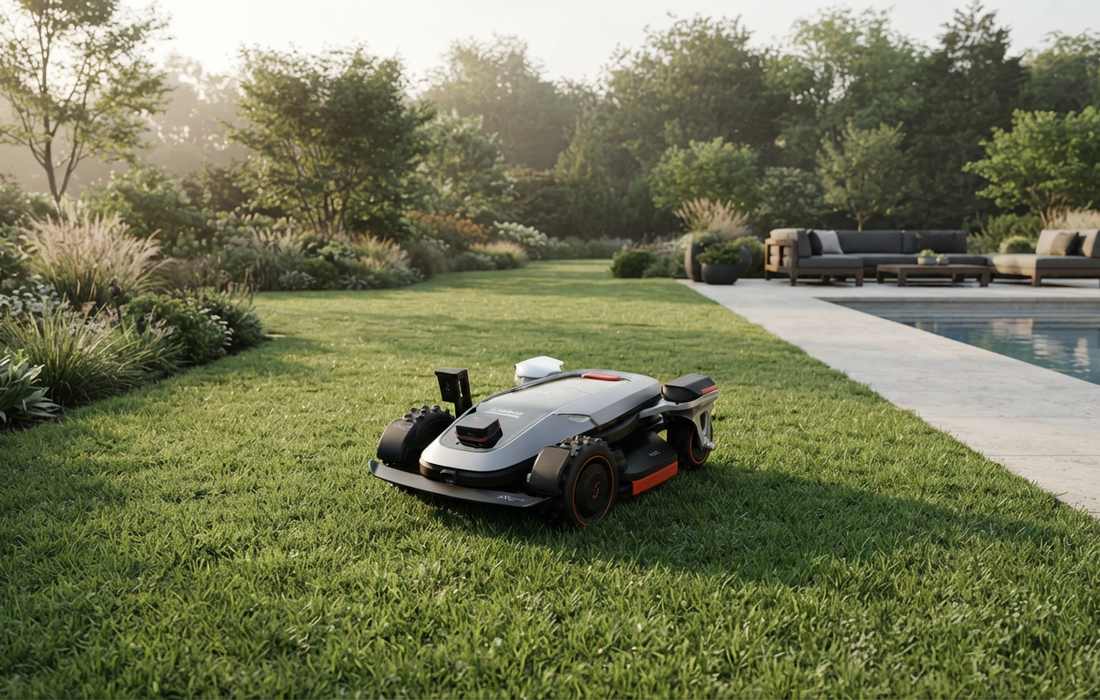
Routine mowing also affects the feeding plan because fertilizer often increases growth. After a scheduled application, the lawn benefits from steady cutting rather than long gaps between mowing. Sunseeker’s Sunseeker Elite X9 supports that kind of regular maintenance with AONavi™ positioning, intelligent path planning, app control, and adjustable cutting height, helping large lawns stay evenly managed after growth picks up.