



FAQs
8/19/2026
Contents
Products
Residential Lawns










Commercial Landscapes
Explore
Where to Buy


Lawn gnats thrive where soil stays wet, shaded, and stacked with decaying thatch. Fix watering first, then rake debris, open airflow, and improve drainage so larvae lose their habitat. Traps and targeted treatments help heavy swarms, but moisture control is what keeps the cloud from returning after a few quiet days.
Tiny gnats hovering over the grass can turn a relaxing yard into an irritating space, especially when the swarms return day after day. The real problem is usually not the adult insects you see, but the damp soil, wet debris, or shaded organic matter where larvae are developing. Then, how to get rid of lawn gnats?
Getting lasting control means removing those breeding conditions instead of relying only on sprays. Let's follow this blog guide below for proper watering, drainage, cleanup, and lawn maintenance, and you can reduce gnat activity, make the yard less inviting to pests, and keep the grass healthier at the same time.

“Lawn gnats” is a common name rather than one exact insect. Homeowners often use it for several tiny flying pests that gather around grass, soil, mulch, or damp organic matter. Fungus gnats, midges, small flies, and similar insects can all look like dark specks hovering above the lawn.
Most lawn gnats are more annoying than dangerous. They usually do not chew large holes in grass blades, but they often point to excess moisture, thick thatch, rotting leaves, algae, compost, or poor drainage. If you only kill the flying adults, the next generation can appear soon after because larvae may still be developing in damp material.
Gnats often swarm around lawns when they find the moisture, shade, and decaying organic matter they need to breed. If you are seeing gnats in your lawn, the cause is often linked to wet soil, poor drainage, thick thatch, or nearby organic debris.
The fastest improvement usually comes from drying problem areas and removing breeding material. Sprays may reduce adult gnats for a short time, but the lawn still needs practical changes before the problem stops returning. Work through the steps below in order to remove gnats in your lawn.
Moisture control is the first step because gnat larvae need damp material to survive. Check your irrigation schedule before adding any product. Established lawns commonly need about 3 cm of water each week, supplied in one or two deep sessions. New seed needs lighter, more frequent watering, but established grass should not stay constantly wet.
Water early in the morning, ideally between 5 a.m. and 9 a.m., so grass blades can dry through the day. Avoid frequent evening watering, especially in shaded areas. If soil still feels wet 24 hours later, reduce run time, split watering into shorter cycles, or check for a broken sprinkler head.
Gnats feed and breed around damp, decomposing material, so cleanup is more than cosmetic. Rake wet leaf mats, remove piles of grass clippings, clear old mulch that touches the lawn edge, and pick up fallen fruit or pet waste. If the surface feels spongy or the thatch layer is thicker than 13 mm, plan dethatching at the right time for your grass type.
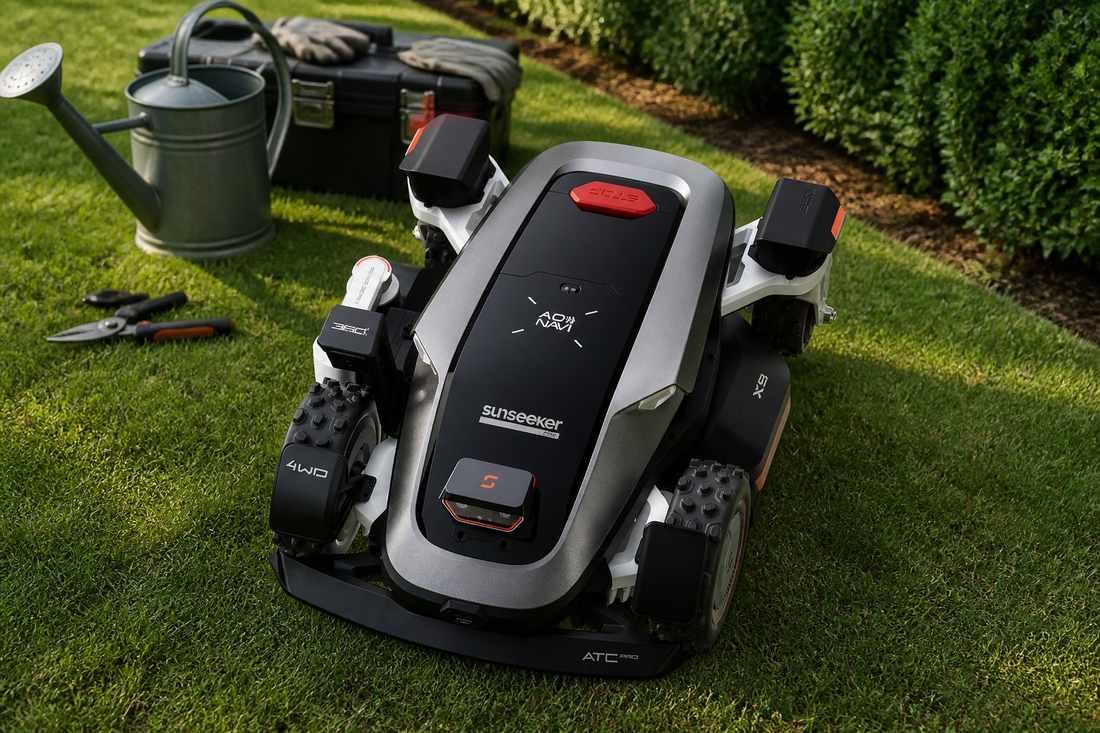
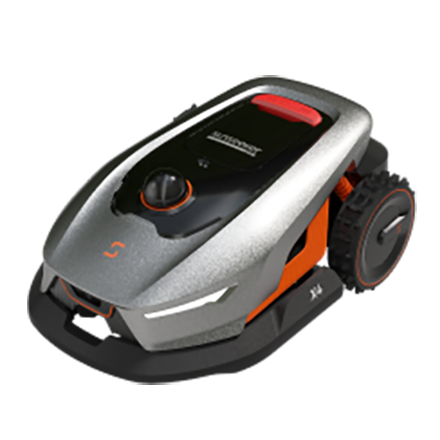
Regular mowing also supports a drier, cleaner lawn surface. The Sunseeker Elite X4 can help with that routine through wire-free lawn mapping, Vision AI obstacle avoidance, and app scheduling, which makes it easier to keep established grass at a steady height without letting clippings build into heavy wet piles.

Traps can reduce adult gnats while you correct the lawn conditions. Yellow sticky cards near damp lawn edges, planters, or mulch beds can show where activity is strongest. They are useful for monitoring, but they will not solve a deep moisture or thatch problem on their own.
For small areas, a shallow dish with apple cider vinegar and a drop of dish soap can catch some flying adults. Beneficial nematodes may also help in damp soil where larvae are active, depending on pest type and soil temperature. Apply living treatments according to the label, usually in mild conditions with light soil moisture.
If gnats keep returning after watering changes and cleanup, focus treatment on breeding areas instead of spraying the whole yard. Look for wet mulch, soggy planters, shaded low spots, clogged drains, or thatch-heavy turf. A targeted plan is safer, cheaper, and less disruptive to beneficial insects.
For fungus gnat-like problems in nearby containers, products containing Bacillus thuringiensis israelensis, often called Bti, are commonly used for larvae control. Use only products labeled for your situation and follow all directions. If the wet soil or decaying material remains, the breeding cycle can restart.
Preventing lawn gnats starts with removing the wet, shaded conditions that help them breed. The goal is not to dry out the lawn, but to keep moisture moving through the soil while reducing decaying material near the surface.
Most lawn gnat problems improve with watering changes, cleanup, and targeted treatment. Still, a professional can save time if the swarm is heavy, returns within days after cleanup, or appears with thinning grass, fungal patches, rotten odors, or drainage problems.
Call a lawn or pest professional if children or pets use the lawn daily, if the affected area is large, or if you are unsure which product is safe to apply. A pro can identify the insect, inspect the soil, check irrigation, and suggest a plan that fits your grass type and local rules.
Getting rid of lawn gnats is easier when you target the conditions that keep them breeding. Reduce excess moisture, clear wet debris, improve drainage, and keep thatch under control before relying on insect treatments. Traps and targeted products can help with active populations, but long-term results depend on a drier, cleaner lawn environment. Regular mowing, sensible watering, and quick attention to soggy areas can keep gnat activity lower while supporting thicker, healthier grass throughout the growing season.
A large number of gnats usually means the grass or nearby soil is staying damp and rich in decaying material. Overwatering, wet leaves, thick thatch, compost, mulch, or poor drainage can all attract them. Look for the wettest or shadiest area first, then dry it out and remove debris.
Sticky traps and labeled gnat treatments can reduce adult numbers quickly, but they rarely solve the full problem alone. For lasting control, remove wet organic matter, adjust watering, and treat breeding areas. If larvae keep developing in damp soil or thatch, new adults can appear soon after spraying.
Yes. Overwatering is one of the most common reasons gnats gather around lawns. Constantly damp soil helps larvae survive, especially in shaded or poorly drained spots. Established grass usually does better with deeper, less frequent watering. Let the surface dry between sessions unless you are caring for new seed.