





FAQs
8/19/2026
Contents
Products
Residential Lawns












Commercial Landscapes
Explore
Where to Buy


Fall is the season to repair summer wear before cold weather locks growth down. Raise the mower, keep moisture steady, clear leaves, treat weeds, and feed while roots are still active. Overseed thin cool-season turf early enough to establish, then ease traffic so new growth can store energy for spring.
After a long summer, your lawn may look tired and stressed. Heat, foot traffic, weeds, dry soil, and uneven growth can all take their toll, leaving behind thin spots, brown edges, and faded color. If you’re wondering what to do to your lawn in fall before cold weather arrives, now is the time to start.
Fall is an ideal season to reset your lawn because the soil can remain warm while cooler air reduces heat stress. These conditions give grass a better opportunity to recover, develop stronger roots, and prepare for winter. Just read on to find the essential fall lawn care tasks that can help restore your lawn and keep it healthy.
Fall is more than a cleanup season. It is the bridge between summer stress and spring growth, so the care you give now can shape how full, green, and resilient the lawn looks next year.
Early fall is the main working period for most lawn recovery tasks. Start when daytime temperatures are mild, nights are cooler, and the grass still has several weeks to grow before the first hard frost.
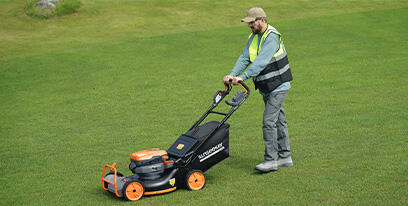
Keep mowing as long as the grass is growing, but avoid cutting it too short. For many cool-season lawns, a height of about 6 to 10 cm works well in fall. Taller grass shades soil, protects crowns, and supports deeper roots. Remove sticks, heavy leaf mats, and fallen fruit so the grass can keep receiving light and airflow.
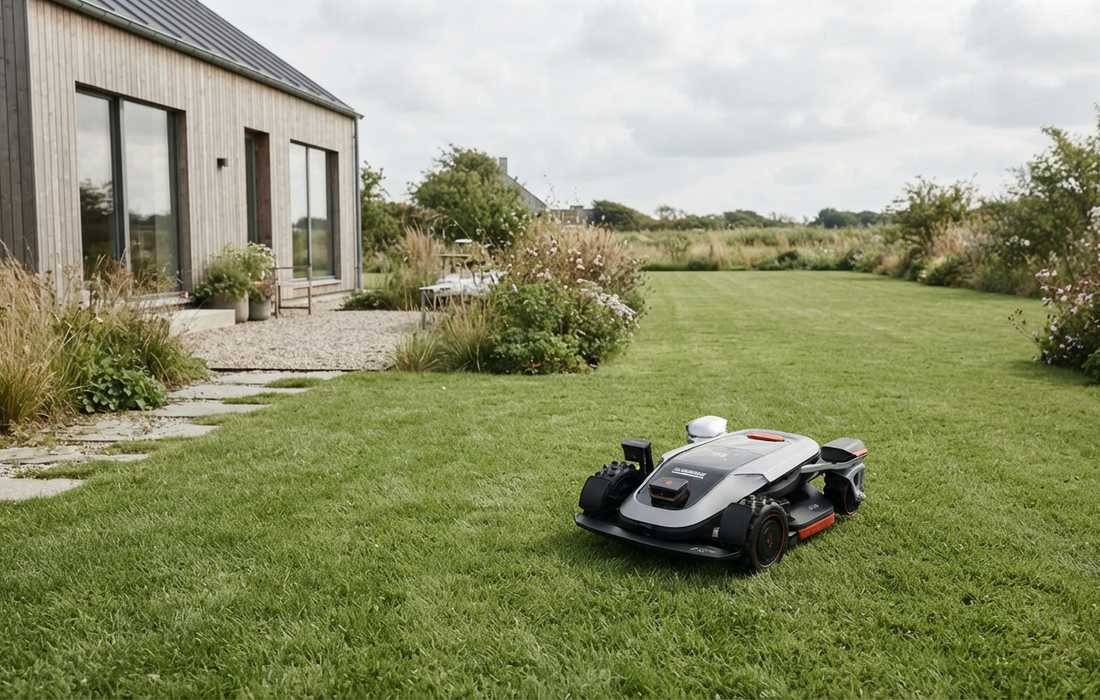
For large properties that need steady mowing through the season, Sunseeker Elite X9 can support a more consistent routine with AONavi positioning, app-controlled cutting height, and X9 coverage of up to 12000 m² in 48 hours. That kind of planned mowing helps keep fall growth even while reducing the chance of rough, missed, or scalped areas across a wide lawn.

Leaves are not a problem when they are light and shredded, but a thick, wet layer can damage turf quickly. Mulch dry leaves into small pieces if you can still see grass blades after mowing. Rake or collect heavy piles, especially near fences, trees, and shaded corners. If leaves are matted after rain, remove them instead of grinding them into the lawn.
Fall fertilizer helps cool-season lawns recover and store energy. In many northern and transition-zone areas, early to mid-fall is the key feeding window, often September through October. Use a soil test if possible, and choose a slow-release fertilizer that matches your lawn needs. Avoid guessing with high-nitrogen products, because too much fertilizer can burn grass or push soft growth before winter.
Warm-season grasses like Bermuda, zoysia, centipede, and St. Augustine need a different plan. They usually slow down as nights cool, so heavy late-season nitrogen is often not helpful. If you maintain warm-season turf, focus on soil testing, weed control, and gentle cleanup once active growth declines.
Early fall is often the best time to overseed cool-season grass. Soil is warm enough for germination, but the weather is less harsh than summer. Mow the lawn slightly lower than usual, rake loose debris, and improve seed-to-soil contact before spreading seed. Keep the top layer of soil consistently moist until seedlings establish. Most cool-season seed needs about 7 to 21 days to germinate, depending on the species and weather.
Aeration is useful when soil is packed down, water runs off, or roots struggle to grow. A simple screwdriver test can help: if it is hard to push a screwdriver several centimetres into moist soil, the ground may be too dense. Core aeration removes small plugs of soil, creating channels that allow water, air, and nutrients to reach the roots more easily. It is especially helpful before overseeding because seed can settle into the holes and reach the soil more easily.
Fall is a smart time to deal with dandelions, clover, plantain, and other broadleaf weeds. Treat only when weeds are actively growing, and the lawn is not under drought stress. Spot treatment is often enough for scattered weeds. For larger problems, read the label carefully and choose a lawn-safe product that matches your grass type. Do not apply herbicide to brand-new seedlings until the product label says it is safe.
Grass still needs moisture in fall, especially after overseeding or fertilizing. Established lawns often need about 3 cm of water per week, including rainfall. New seed may need light watering once or twice daily at first, just enough to keep the surface damp without puddles. As seedlings grow, water less often but deeper. Morning watering is usually best because grass dries during the day.
Walk the lawn and check for warning signs before winter makes them harder to spot. Brown patches that peel back like loose carpet may indicate grub damage. Circular spots, fuzzy growth, or greasy-looking blades can be signs of lawn disease. Bare patches near paths, play areas, or dog spots may simply need soil repair and reseeding. Address the underlying cause first to give the lawn a better chance to recover and keep the repair from coming back.
The final cut should leave grass neat, not scalped. For many cool-season lawns, finish around 6 to 8 cm. Grass left extremely tall can mat under snow, while grass cut too short may enter winter with weak crowns. Keep mowing until growth stops, then clean the mower deck and sharpen blades before storing equipment.
Fall lawn care is about recovery, root strength, and clean preparation. Mow at the right height, clear leaves, water wisely, repair thin spots, and fertilize only when the grass type and timing support it. These steady steps help your lawn enter winter stronger and return with better spring growth. If you manage a wide property and want easier routine mowing, explore Sunseeker’s robotic lawn mower for large lawns options as part of a more consistent care plan.
For cool-season lawns, September to October is usually the main fall fertilizing window, depending on your local climate. Apply when the grass is actively growing, and the soil has enough moisture. Warm-season lawns often need lighter late-season feeding, so check your grass type and soil test before applying fertilizer.
Yes, you can leave short, dry grass clippings on the lawn in fall. They break down naturally and return nutrients to the soil. Bag clippings when they are wet, clumped, full of weed seeds, or mixed with diseased grass. The goal is to leave a thin layer that settles into the turf and breaks down quickly, rather than forming a thick mat that blocks light and air.
Fall is one of the best times to overseed cool-season lawns, when warm soil and milder weather create favorable conditions for germination and establishment. Seed has a better chance to germinate before winter if you start early enough. Overseeding warm-season grass in fall is more limited, so choose the right seed and timing based on your lawn type.