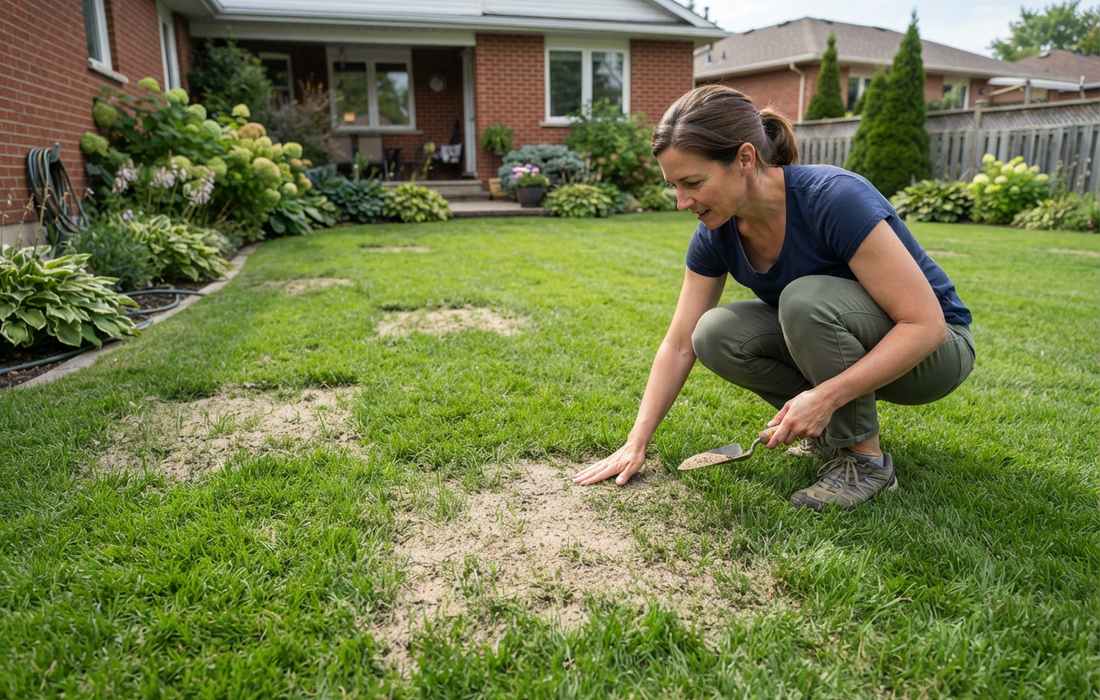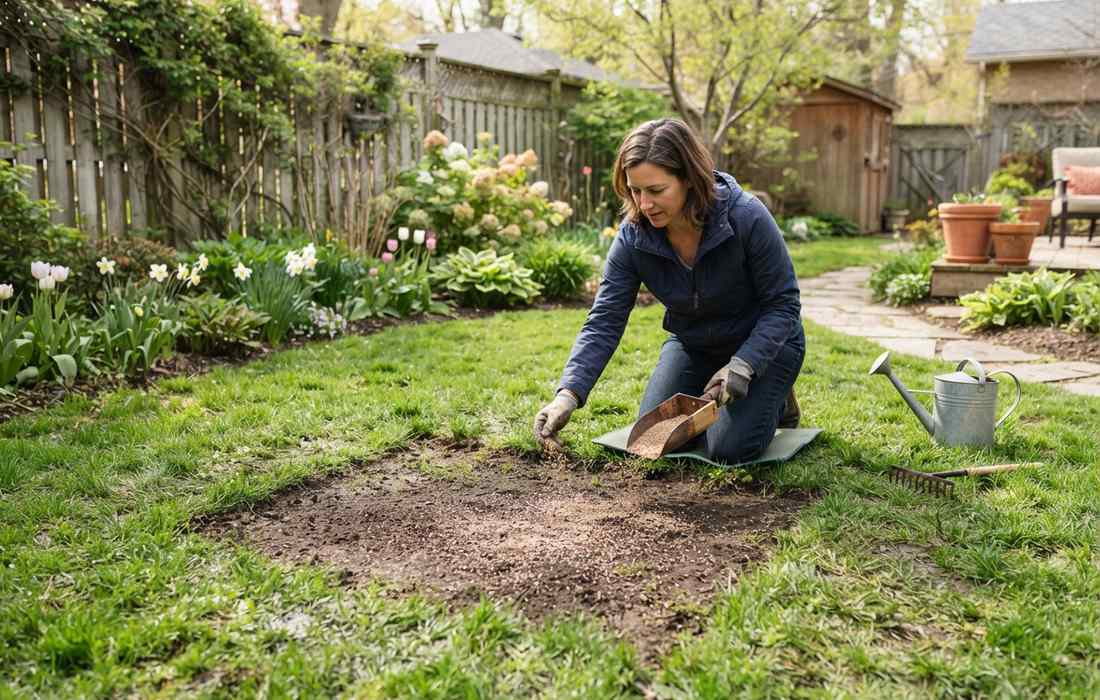












A lawn can benefit from compost, but too much in one pass can turn a useful topdressing into a thick blanket. Buried grass gets less light and air, while wet clumps can hold the blades flat against the soil.
The goal is simple: get fine compost around the crowns and into the soil surface while the leaf tips stay exposed. This guide shows how to spread compost on a lawn, calculate how much to order, apply it evenly, and care for the grass afterward.
What Should You Check Before Spreading Compost?
A thin topdressing works best when both the compost and the lawn are ready for it. Check the points below before you move bags or a bulk pile onto the grass.
- Compost quality: Use mature, screened compost with a fine texture and an earthy smell. Large wood pieces, unfinished material, or salty compost can sit on the surface and make even spreading harder.
- Grass condition: Topdress turf that is actively growing and able to recover. Delay the job if the lawn is drought-stressed, waterlogged, recently damaged by disease, or so weak that normal mowing already leaves visible injury.
- Soil contact: Look through the canopy and check how easily compost can reach the soil. Dense thatch, matted clippings, or a sealed surface can keep material perched above the roots instead of working into the lawn.
- Compaction: If the lawn has hard traffic lanes or water that ponds after rain, core aeration can create openings for compost. A lawn with loose, well-drained soil may not need aeration every time it is topdressed.
- Weather: Choose a calm, mild day when the grass is dry enough to work on. Avoid spreading just before a downpour, since runoff can move compost into low spots, driveways, drains, or beds.
- Lawn height: Mow at the normal recommended height before topdressing so the material can fall between the blades. Do not scalp healthy turf simply to make the compost easier to see.
How Much Compost Should You Order?
The easiest way to prevent smothering is to calculate volume before delivery. For established turf, plan a light layer around 3 to 6 mm, then use the table below to size the order.
Use this formula for bulk compost: cubic metres = lawn area in square metres x depth in millimetres / 1,000. A 6 mm layer needs about 0.6 m³ per 100 m², while a 3 mm layer needs about 0.3 m³.
|
Lawn Area |
3 mm Layer |
6 mm Layer |
|
100 m² |
0.3 m³ |
0.6 m³ |
|
500 m² |
1.5 m³ |
3 m³ |
|
1,000 m² |
3 m³ |
6 m³ |
|
4,000 m² |
12 m³ |
24 m³ |
Order about 5% to 10% extra only when the lawn is irregular or the supplier sells in whole cubic metres. Do not spread leftover compost just to use it up; save it for beds or another light application.
How to Spread Compost on a Lawn Step by Step
Good topdressing is more about even coverage than speed. Follow the steps below so compost reaches the soil surface without burying the existing grass.
Step 1. Mow the Lawn
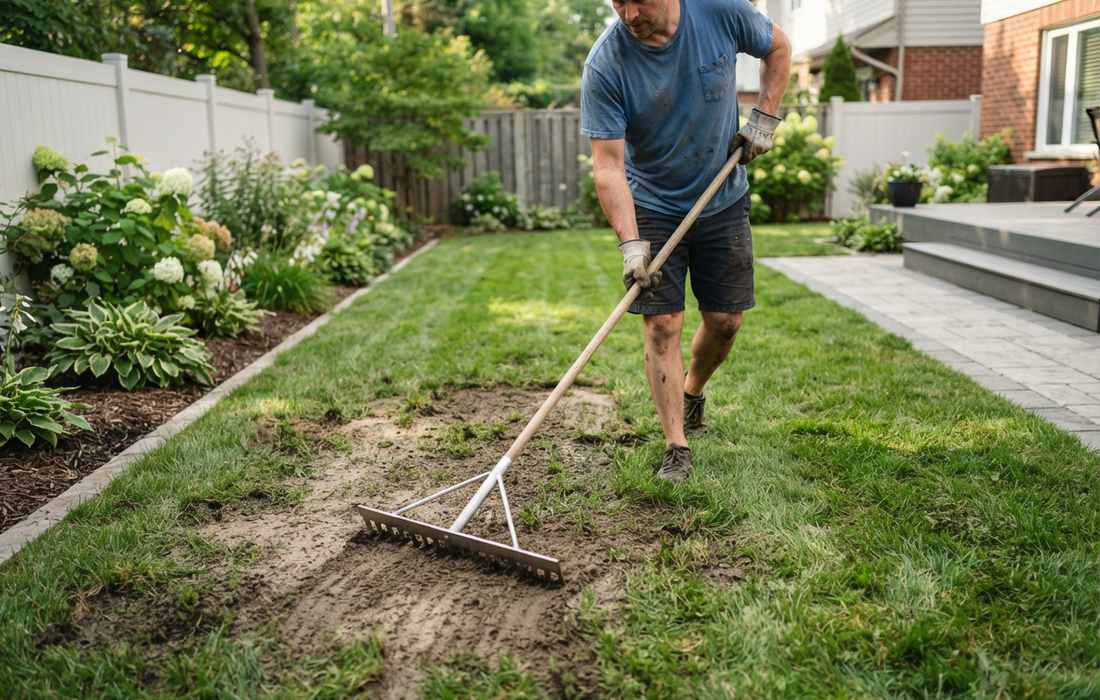
Mow one normal cut before topdressing and collect heavy clippings if they would block the compost. The turf should still have enough leaf area to stand upright after the job. On a dense lawn, lightly raking away loose thatch and clumps can expose more of the soil surface without tearing healthy crowns.
If the lawn is very dry, heat-stressed, or dormant, postpone the job instead of cutting lower. Topdress during active growth when the turf can recover from traffic and aeration.
Step 2. Aerate if Needed
Core aeration is useful when soil is compacted, water sits on the surface, or the lawn receives heavy foot or mower traffic. The open holes give compost a direct route into the upper soil and help keep the material from building up in the thatch layer.
Make several passes over compacted areas, then leave the soil cores on the lawn and break them up during topdressing. Skip aeration on saturated soil or severely stressed turf.
Step 3. Distribute the Compost
Move compost around the lawn before you start raking. On a small lawn, place small shovel-sized piles at roughly 1 m intervals. On a large lawn, use a wheelbarrow, cart, or mechanical topdresser so each section receives a similar amount instead of one heavy pile near the delivery point.
On a large property, work in measured zones. For a 1,000 m² lawn, ten 100 m² sections make it easier to keep the same target depth across the whole area.
Step 4. Spread a Thin, Even Layer
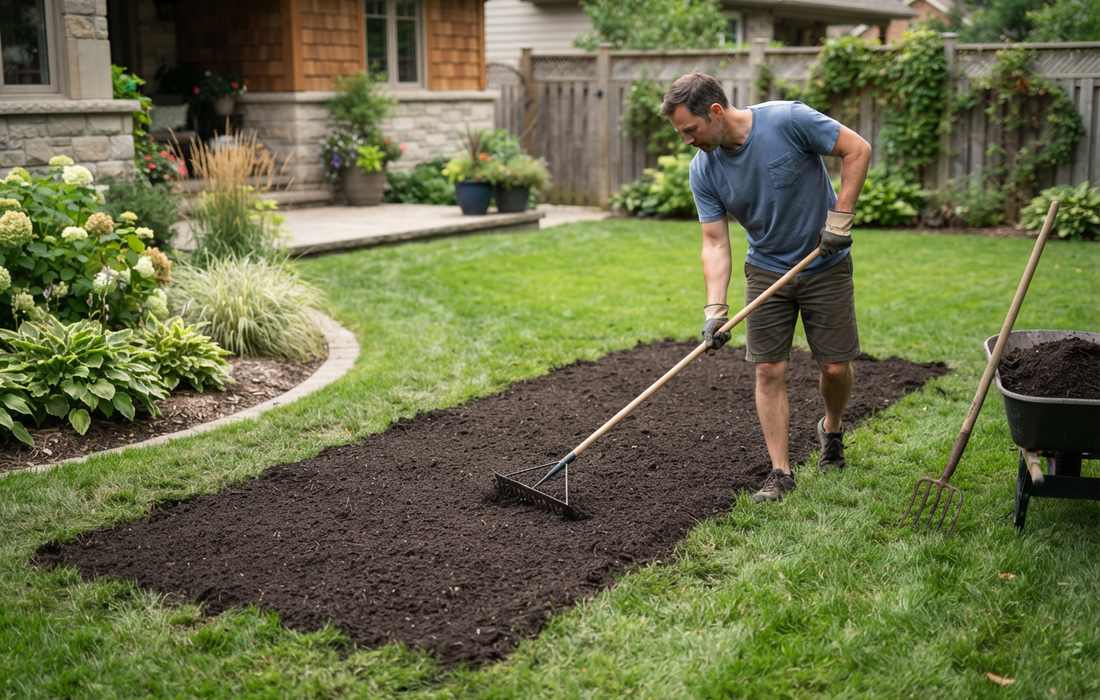
Use a landscape rake, leveling rake, stiff broom, or drag mat to pull the piles across the turf. Keep the material moving until the grass tips are clearly visible throughout the area. Established lawns generally need only about 3 to 6 mm of compost in one topdressing.
Watch low spots closely because compost naturally collects in depressions. Do not keep filling one hollow beyond the planned topdressing depth; deeper leveling is a separate repair job.
Step 5. Work Compost Below the Grass Tips
Make a second light pass with the rake or broom so the compost settles around the stems and into aeration holes. The finished lawn should still look like grass with a dusting of dark material, not like a new brown surface.
If patches disappear under compost, pull material away immediately. Thick piles can mat wet leaves and reduce light. Walk a large lawn in both directions and correct dark ridges before watering.
Step 6. Water Lightly
Apply a light watering after spreading if the lawn and local conditions call for it. The goal is to settle fine particles off the leaves and into the surface, not to create runoff. Stop if water begins carrying compost toward pavement, drains, or low areas.
If topdressing is paired with overseeding, use the moisture schedule needed for germination. Existing turf without new seed can return to its normal irrigation schedule after the compost settles.
How to Care for the Lawn After Topdressing
Fresh topdressing should settle into the canopy instead of sitting as a blanket over it. The checks below can keep the lawn growing while the compost works into the surface.
- Keep the blades exposed: Inspect the lawn the next day and brush away any clumps that still cover the grass. A thin, uneven dark film is normal; buried patches are not.
- Limit traffic while the surface is soft: Give wet compost and aeration holes time to settle before heavy foot traffic, carts, or repeated mower passes, especially on clay or recently watered ground.
- Resume normal mowing, not a cleanup scalp: Mow when the grass is upright and the surface is firm enough for clean wheel travel. Return to the usual height for the grass type and avoid removing more than about one-third of the leaf blade in one cut.
- Watch moisture rather than watering on a fixed timer: Compost can help the surface hold moisture, so check the soil before adding more water. Keep overseeded areas consistently moist while seeds germinate, but do not keep established turf constantly soggy.
- Recheck thin areas after growth resumes: Topdressing improves the soil surface, but it will not repair every bare patch. Seed, plug, or sod spots that remain open after nearby turf returns to active growth.
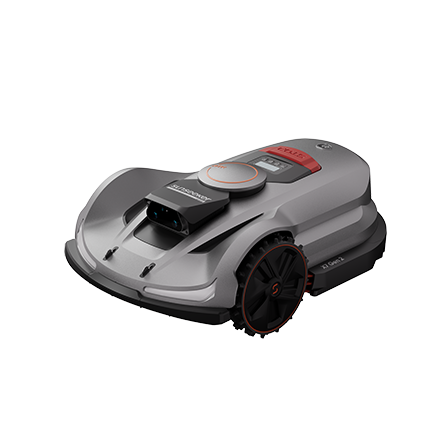
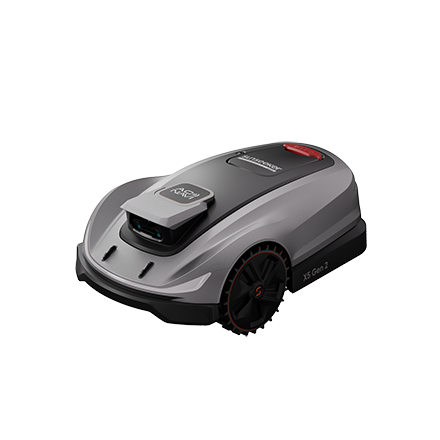
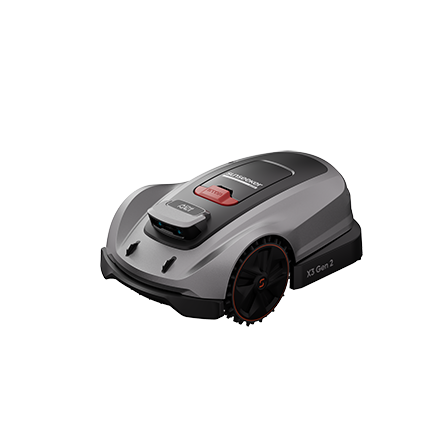
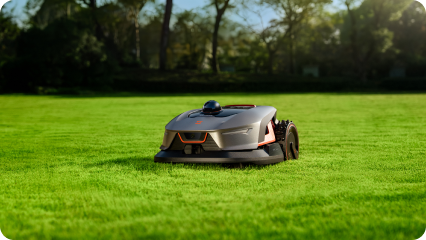
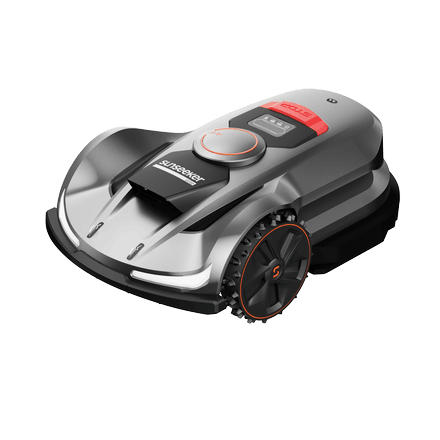
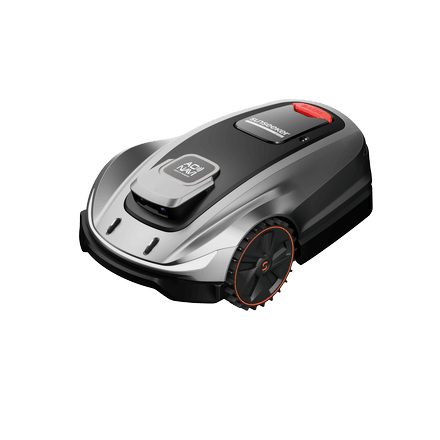
Regular mowing also helps maintain the lawn after topdressing. Robot Mowers with Mulching Blades can make frequent, light cuts and distribute fine grass clippings across the lawn. This reduces clipping buildup while returning organic material to the soil as the grass grows.
For very large properties, regular mowing can become the bigger job after the compost work is finished. The Sunseeker Elite X9 is built for large-scale lawns, with coverage up to 12,000 m² in 48 hours and the ATC Pro all-wheel-drive system with four-wheel suspension for varied terrain. That capacity is useful when a large topdressed area is ready to return to a consistent mowing schedule.