









FAQs
8/19/2026
Contents
Products
Residential Lawns












Commercial Landscapes
Explore
Where to Buy


Fall reseeding succeeds when warm soil, milder air, and a few frost-free weeks line up. Mow, clear debris, and loosen bare ground so seed touches soil, then choose a cool-season mix that matches sun and wear. Keep the surface evenly moist until germination, and delay heavy traffic until seedlings hold.
Thin patches often show up near the end of summer, especially where heat, foot traffic, pets, pests, or poor watering have weakened the grass. Fall gives many lawns a better reset window because weeds slow down while cool-season grass can still germinate quickly.
The goal is not just to toss seed over bare ground. A stronger result comes from timing the work well, opening the soil surface, matching seed to your lawn, and protecting new growth for several weeks. The sections below break the job into simple steps, so you can understand how to reseed a lawn in fall with fewer wasted seeds and better coverage.

Fall is usually the easiest season for cool-season lawn repair because the weather supports both seed germination and root growth. The soil holds summer warmth, but the air is not as harsh as midsummer heat.
Most cool-season grasses germinate well when soil temperatures sit around 10-18 °C and daytime air temperatures stay near 16-24 °C. That range is common in early to mid-fall across many northern and transition-zone lawns. It allows seed to sprout before winter while giving roots time to anchor below the surface.
Fall also reduces several common seeding problems. Crabgrass and many broadleaf weeds are less aggressive, so new grass faces less competition. Rain is often more reliable, and cooler nights slow evaporation. This does not remove the need for watering, but it makes the moisture easier to manage.
Another benefit is recovery time. A reseeded lawn can thicken through fall, rest in winter, and resume active growth in spring. That gives the repaired areas a head start before summer stress returns. For lawns with thin, tired, or lightly damaged turf, fall reseeding is often more practical than waiting until spring.
The best window depends on your first expected hard frost and the type of grass you are planting. Seed needs enough warm soil and mild weather to sprout, root, and survive colder nights.
A reliable rule is to reseed at least 4-6 weeks before the first hard frost. In many northern areas, that means late August through September. In milder transition-zone climates, early October can still work if soil temperatures remain warm enough. Waiting too long can leave seedlings weak, shallow-rooted, and more vulnerable to winter injury.
Use soil temperature as a better signal than the calendar alone. Tall fescue and perennial ryegrass often germinate quickly in fall conditions, while Kentucky bluegrass usually takes longer and needs more patience. If you are unsure, check a local soil temperature map or use a simple soil thermometer 5 cm deep in the morning.
Preparation decides how much seed actually reaches the soil and grows. Seed trapped on top of thatch, leaves, or compacted ground may dry out or wash away before it can germinate.
Once the lawn is ready, work in a clear order. Each step helps the seed touch soil, stay moist, and grow evenly across thin or bare patches.
Cut the existing grass shorter than usual, often around 4-5 cm for cool-season lawns, so seed can reach the soil. Bag the clippings if they are heavy. Rake out leaves, dead grass, loose thatch, and matted debris. The lawn should look clean, open, and slightly rough at soil level before seed goes down.
Bare areas need more than seed on hard dirt. Scratch the top 6-13 mm of soil with a rake, hand cultivator, or small garden tool. Add a thin layer of compost or lawn soil to low or eroded patches, then level it with the back of a rake. Good seed-to-soil contact is one of the biggest reasons reseeding succeeds.
Choose seed that matches your lawn and local climate. For many fall repairs, tall fescue, Kentucky bluegrass, perennial ryegrass, or blends of these grasses are common choices. Follow the bag rate because products vary. Many overseeding blends call for about 1.4-2.3 kg per 100 m², while new lawn rates are often higher. Spread half the seed in one direction and the rest across the first pass for more even coverage.
Use a starter fertilizer only after checking the label and local rules. Starter products often include phosphorus to support root growth, but soil test results should guide the choice. Lightly rake or roll the area so seed settles into the soil surface, then water gently. The goal is moist soil, not puddles. Strong watering pressure can move seed into clumps and leave bare streaks behind.
New seed needs steady care for several weeks. The first few days are about surface moisture, while the later stage is about deeper roots and careful mowing.
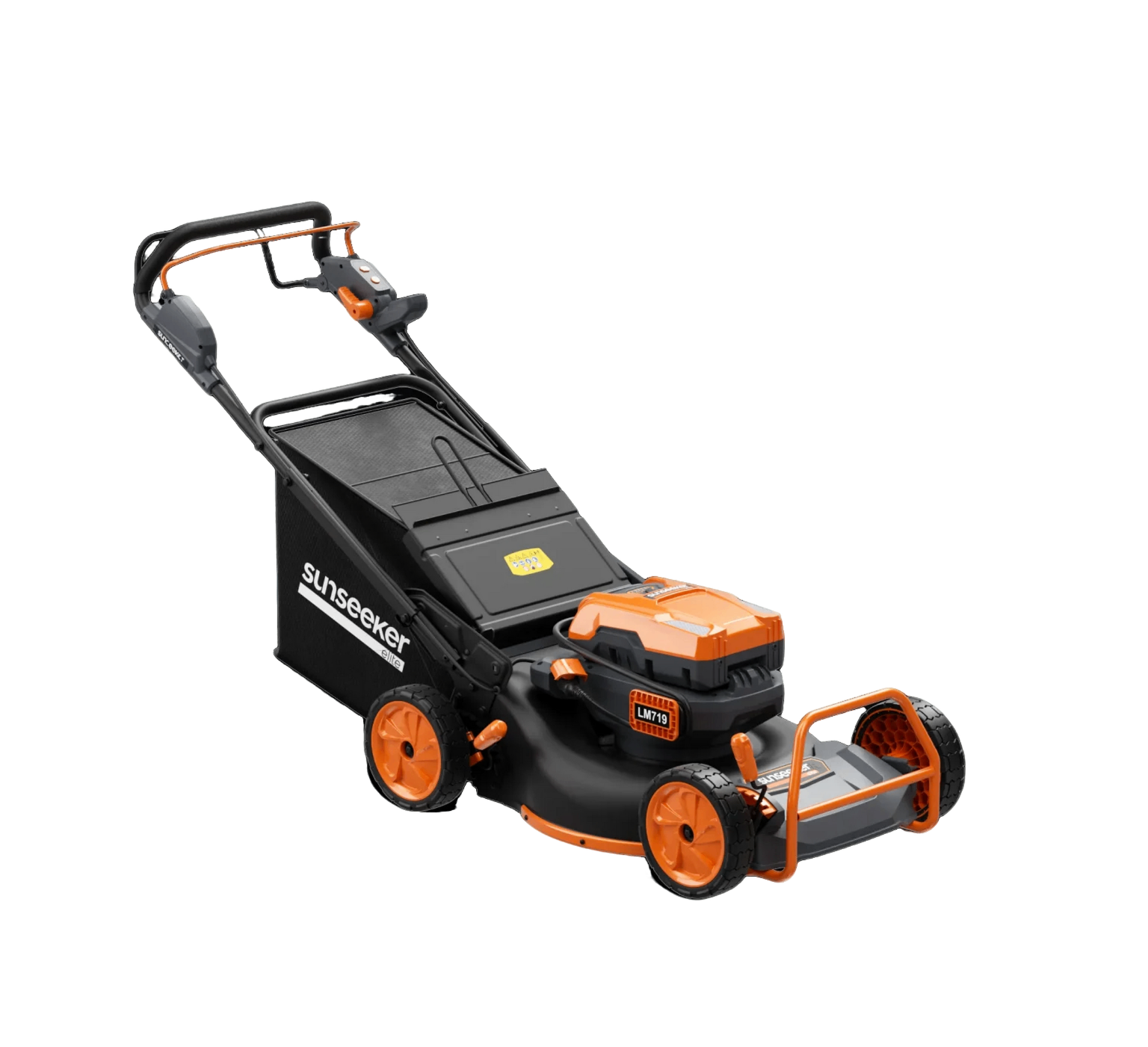
After the new grass has rooted well and regular mowing can resume, a steady mowing routine helps the repaired areas blend with the rest of the yard. Sunseeker Elite X5 supports established lawn maintenance with app scheduling, adjustable cutting height, and AONavi positioning that combines RTK-GNSS with visual navigation. Used as part of normal upkeep, it helps keep growth even while you continue watering and feeding according to the lawn’s needs.

Fall reseeding works because the season gives cool-season grass a balanced mix of warm soil, mild air, and lower weed pressure. The strongest results come from careful prep, good seed-to-soil contact, steady watering, and patient aftercare. Once the repaired lawn is established, regular mowing helps protect the thicker growth you worked for. If you are planning easier long-term upkeep, a well-matched robot lawn mower can help keep routine cutting consistent without taking over the main focus of your lawn care plan.
You can spread grass seed in fall, but simply throwing it over the lawn often leads to poor germination. Seed needs good contact with the soil to absorb moisture and establish roots. Rake thin or bare areas first, spread the seed evenly, lightly press it into the surface, and keep the area consistently moist.
October can work in mild areas, but it is risky in colder regions. The key is soil temperature and frost timing. If soil is still around 10 °C or warmer and several weeks remain before hard frost, seed may establish. If cold weather is close, wait for early spring or plan a dormant seeding approach.
Fertilizer can support new grass after fall overseeding, but apply it according to soil needs and the seed or fertilizer label. Starter fertilizer is commonly applied immediately before or after seeding to support establishment. A soil test is especially useful for deciding how much phosphorus and potassium the lawn actually needs.