


FAQs
8/19/2026
Contents
Products
Residential Lawns







Commercial Landscapes
Explore
Where to Buy


Fertilizer amount follows nitrogen math, not the size of the bag on the shelf. Work from lawn area, the N number on the label, and a modest rate per feeding, then adjust for grass type and season. Spread evenly, water in as directed, and skip extra passes that burn blades or push weak, floppy growth.
A bag of lawn fertilizer can look simple until you need to figure out how much to apply. One label may show 32-0-10, while another lists 10-10-10, and the spreader setting may not correspond directly to your lawn size. Without a clear calculation, it is easy to apply too little and see limited results-or use too much and encourage excessive growth, fertilizer burn, or nutrient runoff.
In fact, the math is straightforward. This blog breaks the process into practical steps, including how much nitrogen grass usually needs, how to calculate product weight, and what can change the final rate for your lawn. Read on to learn how to apply the right amount of fertilizer for your lawn.

When people ask how much fertilizer for lawn care is right, the real question is usually how much nitrogen the grass needs. Nitrogen is the first number on a fertilizer bag, and it drives leaf growth, color, and density. A 20-0-10 fertilizer contains 20% nitrogen. A 10-10-10 fertilizer contains 10% nitrogen, so you need twice as much product to deliver the same nitrogen amount.
This matters because applying fertilizer by bag weight alone can be misleading. 4.5 kg of a high-nitrogen product may feed a much larger area than 4.5 kg of a low-nitrogen product. The safer approach is to decide the nitrogen target first, then calculate how much product will supply it.
For many established home lawns, a normal feeding uses 0.2 to 0.5 kg of actual nitrogen per 100 m². Light feeding is enough when grass is already healthy, during slower growth, or when you are trying to avoid surge growth. A full 0.5 kg rate is more suitable when the grass is actively growing and needs stronger recovery.
Annual needs vary by grass type and local climate. Cool-season grasses often receive about 0.9 to 1.8 kg of nitrogen per 100 m² across the growing year, with heavier feeding in early fall. Warm-season grasses may use about 0.9 to 2.3 kg during active late spring and summer growth.
|
Lawn situation |
Typical nitrogen target per feeding |
Practical note |
|
Healthy established lawn |
0.2 kg per 100 m² |
Useful for light feeding and steady color without heavy growth. |
|
Actively growing lawn needing recovery |
0.3 to 0.5 kg per 100 m² |
Best when grass is not heat-stressed, and soil moisture is adequate. |
|
Newly seeded lawn |
Follow starter fertilizer label |
Starter products often focus on root support, not only nitrogen. |
|
Heat-stressed or dormant lawn |
Wait until conditions improve and the grass resumes active growth. |
Feeding stressed grass can increase burn risk and waste product. |
A clear calculation helps you avoid guessing how much fertilizer for lawn areas of different sizes. You only need three numbers: lawn area, desired nitrogen rate, and the nitrogen percentage on the fertilizer label. Work slowly and write the numbers down before filling the spreader.
Start with square metreage. Measure the length and width of each main lawn section, then multiply them. A 20 m × 10 m section is about 200 m². For curved or irregular areas, divide the yard into smaller rectangles, triangles, or circles, then add the totals together. Subtract patios, garden beds, driveways, sheds, and pool areas that will not be fertilized.
For larger properties, convert large plots into square metres. A 4,000 m² area is a useful large-lawn reference, so a lawn half that size is 2,000 m² before subtracting non-lawn areas.
The three numbers on a fertilizer bag show nitrogen, phosphorus, and potassium by percentage. For example, 24-0-11 means the bag is 24% nitrogen, 0% phosphorus, and 11% potassium. The first number is the one used for the main lawn feeding calculation. If your soil test says phosphorus is not needed, choose a product with 0 as the middle number unless local rules say otherwise.
Use this simple formula: desired nitrogen rate divided by the nitrogen percentage as a decimal. If you want 0.5 kg of nitrogen per 100 m² and the fertilizer is 20% nitrogen, calculate 0.5 ÷ 0.20 = 2.5 kg of product per 100 m². If you want 0.25 kg of nitrogen with the same product, calculate 0.25 ÷ 0.20 = 1.25 kg of product per 100 m².
Here is another example. A 32-0-10 fertilizer is 32% nitrogen. To apply 0.5 kg of nitrogen per 100 m², use 0.5 ÷ 0.32 = 1.56 kg of product. Round to about 1.6 kg per 100 m² and check the bag label for spreader guidance.
After you know the product rate per 100 m², multiply it by the number of 100 m² sections in your lawn. For a 600 m² lawn using 2.5 kg of product per 100 m², you need 15 kg total. For a 1,000 m² lawn using 1.6 kg per 100 m², you need about 16 kg total.
For larger areas, remember that one hectare contains 100 sections of 100 m². If the rate is 2.5 kg of product per 100 m², one hectare would need about 250 kg of product. That amount may sound high, but it depends heavily on the fertilizer strength. A high-nitrogen product requires less total product weight than a low-nitrogen product.
The formula gives you a strong starting point, but real lawns are not all the same. Before you spread the full rate, check the grass condition, recent weather, and the purpose of the feeding. Small adjustments can prevent waste and reduce burn risk.
Too much fertilizer can scorch grass, create uneven dark and pale streaks, push weak top growth, and increase nutrient runoff. Careful spreading is just as important as choosing the correct amount. The goal is steady feeding, not a sudden growth spike. These simple habits help keep fertilizer where it belongs and protect the lawn after application.
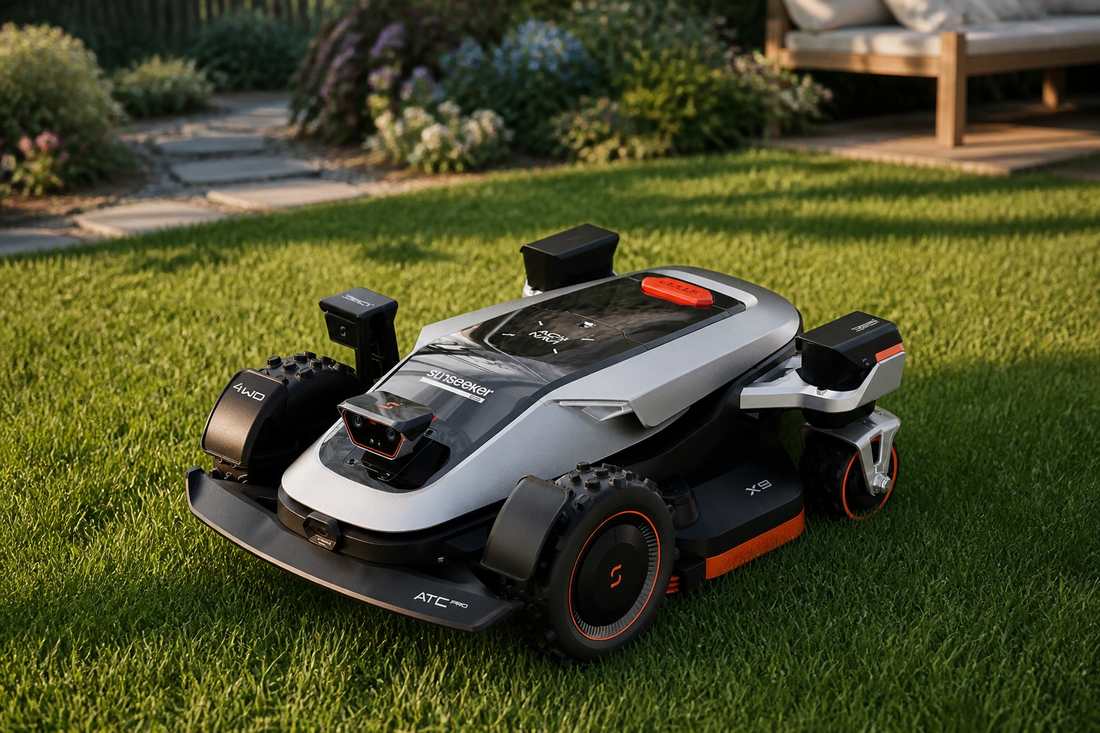
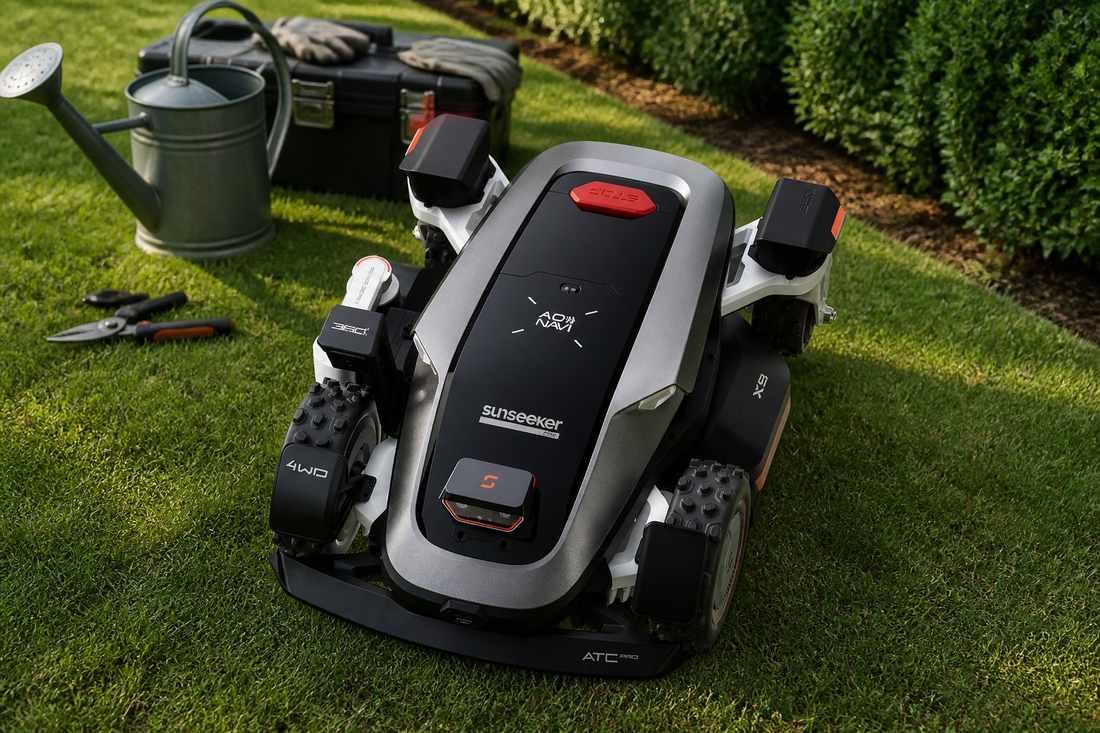
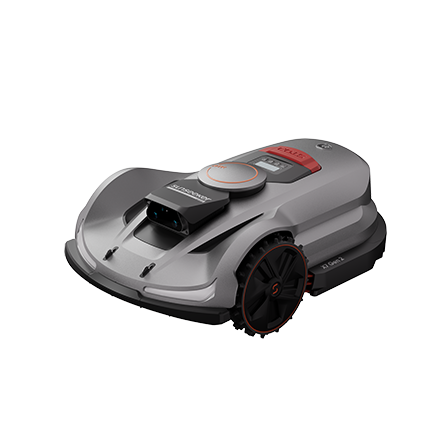
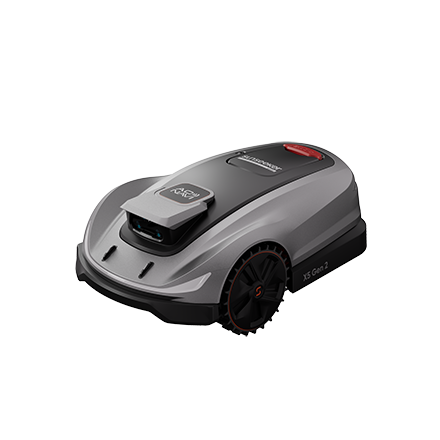
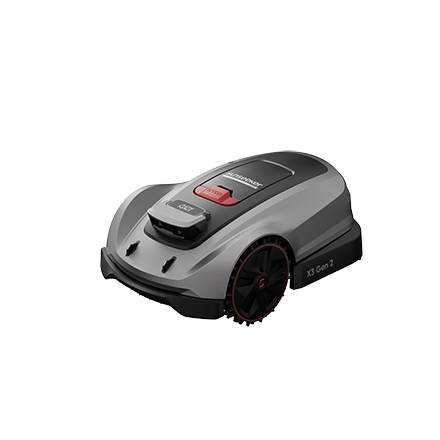
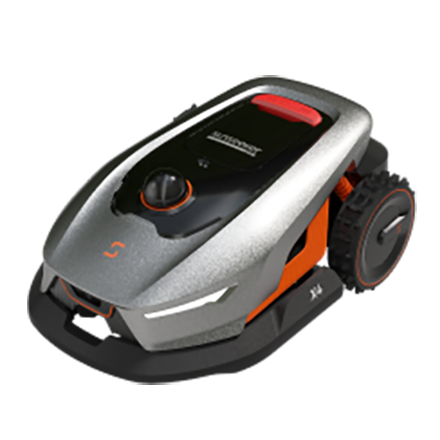
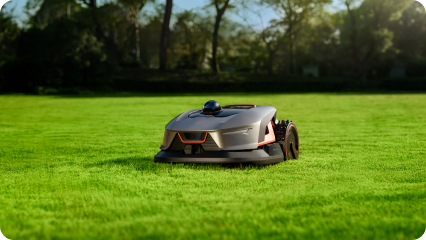
After fertilizing, consistent mowing helps the lawn use nutrients in a more balanced way. The Sunseeker Elite X4 can support that routine with wire-free mapping, 360-degree LiDAR plus Vision AI, and a 20 to 60 mm cutting height range. Those features help maintain regular cutting patterns and reduce the chance that fast post-feeding growth turns into uneven, overgrown patches.

A correct fertilizer rate gives the lawn the nutrients it can actually use, while good watering, mowing, and timing help those nutrients turn into stronger grass. Start with the nitrogen calculation, adjust for your lawn size, grass type, and season, and spread the fertilizer evenly instead of guessing. For homeowners who want a steady maintenance routine, just explore Sunseeker’s robot lawn mower range to keep mowing consistent between feeding, watering, and other lawn care tasks.
You can apply fertilizer to the soil surface, but it should be spread evenly with a calibrated spreader, not tossed by hand in random amounts. Granular fertilizer is generally applied to the lawn surface and may need light watering afterward, depending on the product. For bare soil or newly seeded areas, follow the fertilizer label carefully and avoid applying more than the grass can use.
Yes. Too much fertilizer can burn grass blades, damage roots, create rapid, weak growth, and increase runoff. The risk can be higher with quick-release nitrogen, dry soil, hot weather, or uneven application. If you accidentally overapply, remove any visible granules from hard surfaces and follow the product label for guidance on watering or other corrective steps.
For many granular lawn fertilizers, light watering soon after application helps move nutrients off the blades and into the soil. Around 6 mm of water is commonly recommended for some products, but the fertilizer label should be your final guide. Weed-and-feed products may have different watering requirements, so always check the instructions before watering.