



FAQs
8/19/2026
Contents
Products
Residential Lawns








Commercial Landscapes
Explore
Where to Buy


Scarifying pays off only when grass can grow back through the opened surface. Check thatch depth, wait for active growth and slightly moist soil, then choose a light spring pass or a stronger autumn one by grass type. Keep off thin turf in heat or drought, and follow with even moisture so recovery stays even.
A lawn may stay thin even with regular mowing, watering, and feeding. If the ground feels springy, water sits on the surface, or new growth struggles to come through, a thick layer of thatch may be getting in the way.
Scarifying can remove this buildup, but the lawn needs the right growing conditions to recover well afterward. So, when should you scarify your lawn? In this blog, you’ll learn the signs to look for, the best time to scarify, when to wait, and how to care for the grass afterward.

Scarifying means cutting or raking through the surface of the lawn to remove excess thatch, moss, and dead organic material. It is usually done with a spring-tine rake, manual scarifier, electric scarifier, or powered machine. The goal is not to strip the lawn bare, but to open the grass canopy so the soil can breathe again.
A thin thatch layer is normal and can even protect the crown of the grass. Problems start when thatch becomes too thick. As a practical guide, more than about 13 mm of thatch can block water, fertilizer, and air from reaching the root zone. It can also shelter pests and make the lawn feel soft underfoot.
Scarifying is more aggressive than normal raking. It may pull out brown material and make the lawn look rough for a short time. That temporary mess is expected. The key is to scarify when the grass is growing strong enough to fill back in, not when it is already stressed.
You do not need to scarify just because the calendar says it is lawn-care season. Look at the grass first. A healthy lawn with good soil contact, strong color, and no spongy buildup may only need mowing, watering, and feeding. Scarifying is useful when clear signs show that thatch or moss is restricting growth.
Common signs include a springy feel under your shoes, water running off instead of soaking in, moss spreading through shaded or damp areas, and weak grass that does not respond well to fertilizer. You may also notice that new seed struggles to establish because it lands on thatch instead of reaching soil.
A simple thatch check can help confirm the problem. Cut a small wedge of turf about 5 cm deep with a garden knife or spade. Look for the brown, fibrous layer between the green blades and the soil. If that layer is close to or over 13 mm, scarifying may help. If the lawn is only slightly matted, light raking may be enough.
The best time to scarify a lawn is when the grass is in active growth, and the weather is mild. The soil should be moist enough for the scarifier to work cleanly, but not wet or muddy. For most cool-season lawns, that means spring or early autumn, with the exact window depending on grass type and local weather.
Spring scarifying is best for light work, especially if the lawn has a small amount of moss or surface debris after winter. For cool-season lawns, the usual window is mid to late spring, often when daytime temperatures are about 13-21°C and the grass has started growing steadily. Mow once or twice before scarifying, so the lawn is awake and actively replacing growth.
Keep spring scarifying gentle. Deep scarifying too early can expose soil before grass is ready to recover, and it may create space for spring weeds. So, when exactly should I scarify my lawn after winter? Wait until the ground is no longer cold, waterlogged, or soft underfoot. A light pass is usually safer than a heavy renovation in spring.
Early autumn is often the strongest window for heavier scarifying on cool-season lawns. Soil is still warm, air temperatures are usually milder, and weed pressure is lower than in spring. A good target is about 4-6 weeks before the first expected hard frost, giving the grass enough time to thicken before winter.
For many northern lawns, this may fall between late August and early October. If you want to know when you should scarify your lawn for deeper thatch removal, early autumn is often the safer answer. It also pairs well with overseeding because seed has better soil contact after thatch is cleared.
Warm-season grasses like Bermuda, zoysia, St. Augustine, and centipede follow a different rhythm. They recover best during late spring to early summer, once they are fully green and growing strongly. Soil temperatures should usually be around 18°C or higher, and the lawn should not be under drought stress.
Avoid heavy scarifying late in the season for warm-season lawns. If done too close to cooler weather, the grass may not have enough growth left to repair itself. For these lawns, the better timing is after spring green-up, when growth is active, but extreme summer heat has not yet arrived.
Good timing also means knowing when to leave the lawn alone. Scarifying at the wrong moment can turn a manageable thatch issue into bare soil, weak roots, and slow recovery. If the grass is already struggling, improve the growing conditions first.
Avoid scarifying during drought, heat waves, frost, or periods of heavy rain. Do not scarify when the soil is saturated, because the machine can tear grass out and leave ruts. Also avoid scarifying newly seeded lawns until they are well established, usually after several mowings and a strong root system. As a practical rule, wait at least one full growing season before aggressive scarifying on a new lawn.
You should also delay the work if the lawn is thin due to disease, severe pest damage, or poor soil. In those cases, scarifying can expose more soil without solving the real issue. Treat the disease, pests, drainage, or nutrient imbalance first, then scarify only when the grass is ready to recover.
After scarifying, the lawn may look open, uneven, and lighter in color. That is normal, but the next two to four weeks are important. The goal is to help the grass close gaps quickly while preventing weeds, drought stress, and surface drying.
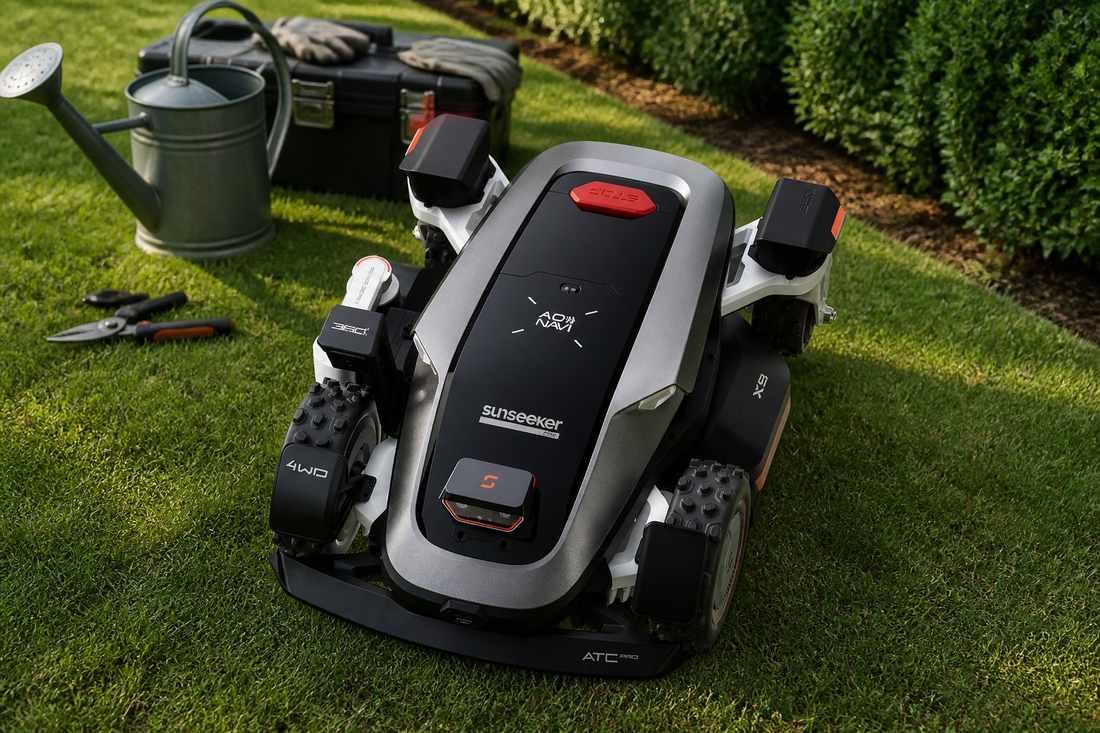
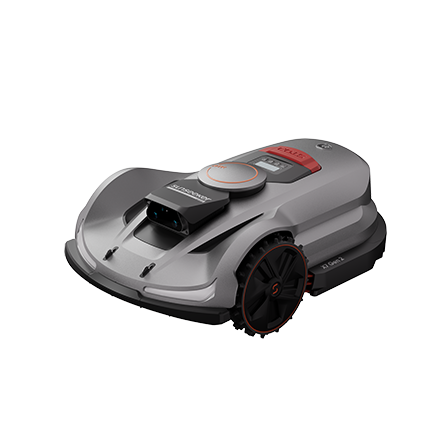
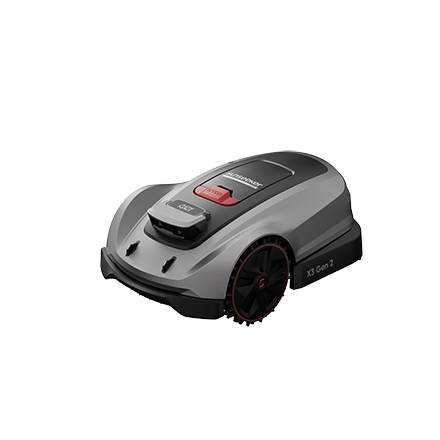
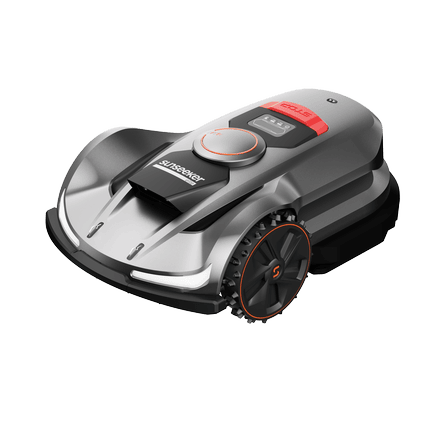
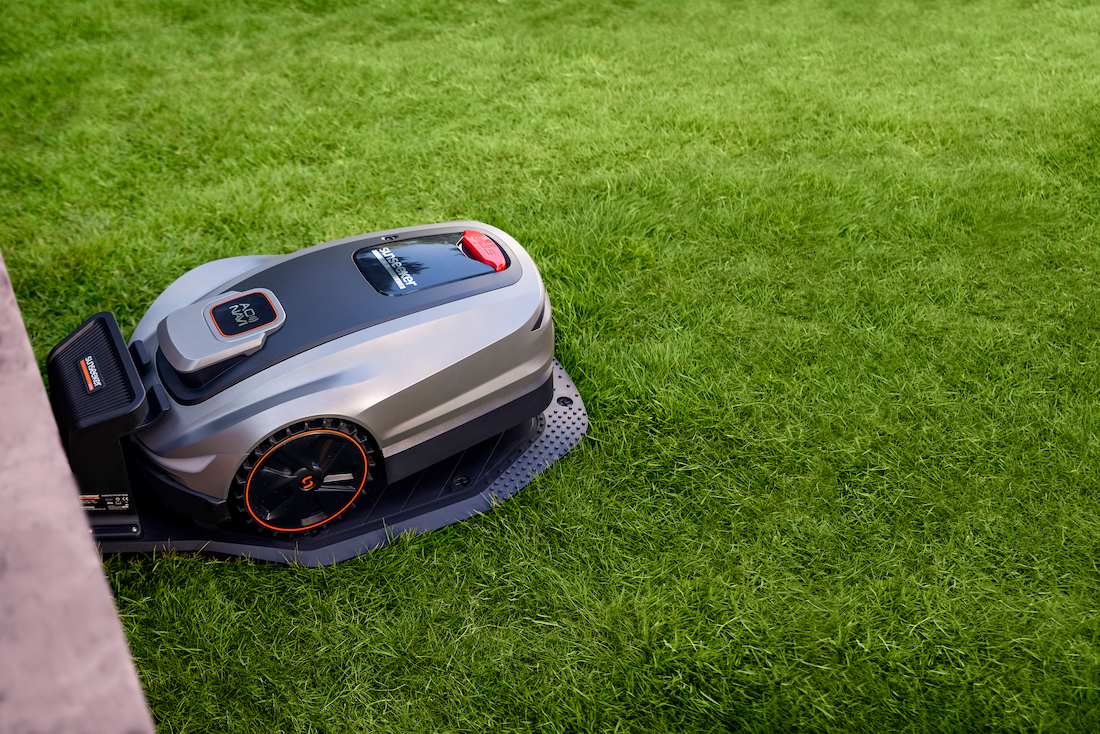
Once the lawn has recovered, steady mowing helps keep new growth even and reduces the chance of thick, matted buildup returning. Sunseeker Elite X5 supports this kind of routine care with AONavi positioning, all-wheel drive for sloped or uneven areas, and app-based mowing schedules. It helps maintain a consistent mowing routine once scarifying and reseeding work is complete.
When to scarify a lawn? The right answer depends on grass type, thatch depth, and weather. Cool-season lawns usually handle scarifying best in early autumn, with light spring work possible when growth is strong. Warm-season lawns recover better in late spring to early summer. Check the lawn first, avoid stressful weather, and support recovery with seed, water, and careful mowing. For ongoing upkeep, a reliable robotic lawn mower can help maintain consistent mowing as the lawn thickens and recovers. If you want consistent cutting with less routine effort, explore Sunseeker’s robot lawn mower options to keep your lawn well maintained!
Scarifying and dethatching are closely related, but scarifying is often a little more aggressive. Dethatching usually removes surface thatch with tines, while scarifying can cut more deeply into the turf canopy. In everyday lawn care, people often use the terms together, but the right tool depth matters more than the name.
Yes, mow before scarifying so the machine or rake can reach the thatch layer more easily. Cut the grass shorter than usual, but do not scalp it. For many lawns, mowing to about 4-5 cm before scarifying is enough. Make sure the lawn is dry on top and slightly moist in the soil.
It is best to avoid scarifying a wet lawn. Saturated soil can make the turf easier to tear, while powered scarifiers may leave ruts or pull out healthy grass. Wait until the surface has dried and the soil is slightly moist rather than soggy. If your shoes sink into the lawn or pick up mud, postpone scarifying until conditions improve.