







FAQs
8/19/2026
Contents
Products
Residential Lawns












Commercial Landscapes
Explore
Where to Buy


Grub products work only when they meet the insect at the right life stage. Preventive treatments go down before young grubs start feeding, while curative options target active larvae after turf starts to lift. Confirm a real infestation, water the product into the root zone, and skip calendar spraying on healthy lawns.
You may not notice lawn grubs until the grass starts pulling up like loose carpet or birds begin pecking at the same weak patches every morning. By that point, the roots may already be damaged, and a random bag of grub killer may not solve the problem. Timing matters because grubs spend different parts of the year feeding, resting, or moving deeper in the soil.
This blog gives a practical answer to when to put grub control on your lawn, how preventive and curative products differ, and what to check before applying anything. The goal is not to treat every lawn every year. It is to match the treatment to real signs of grub activity and protect healthy grass before damage becomes harder to repair.

Lawn grubs are the C-shaped larvae of beetles such as Japanese beetles, June beetles, European chafers, and masked chafers. They live in the soil and feed on grass roots during part of their life cycle. A few grubs in the soil are normal and may not cause visible damage. The problem begins when numbers rise high enough that the grass cannot keep replacing damaged roots.
Most white grubs hatch in summer, feed near the root zone, and then move deeper as soil cools. In spring, older grubs may return closer to the surface for a short feeding period before they pupate and become adult beetles. That life cycle is why product timing matters. Preventive grub control targets young grubs before serious damage starts. Curative treatment targets active grubs that are already feeding and causing damage.
Before applying grub control, check that grubs are actually part of the problem. Brown grass alone is not enough, because drought, fungus, pet urine, compacted soil, and fertilizer burn can create similar patches.
A quick inspection can save money and help you choose the correct product window. Look for a pattern of root damage, animal activity, and visible larvae in the top few centimetres of soil.
Preventive grub control works best when the product is applied early enough to become active before young grubs begin feeding heavily on grass roots. Timing depends on the active ingredient. For products containing chlorantraniliprole, April or May is typically the preferred application window because the ingredient takes longer to move into the soil area where grubs will begin feeding in July.
Other preventive grub-control products, such as imidacloprid, clothianidin, or thiamethoxam, may be applied closer to egg hatch and early grub activity, depending on the ingredient, local climate, and beetle species. The goal is to have the treatment in place before significant root damage develops. Always follow the product label and local guidance for application rates, watering requirements, and environmental precautions.
If grubs are already actively damaging the lawn in spring or fall, a preventive product may no longer be the best choice. Carbaryl or trichlorfon can be used as curative treatments to kill existing grubs during these periods. Before treating, check the turf for signs such as thinning grass, loose sod, or animal digging so you can confirm that grubs are actually causing the problem.
Curative grub treatment is used after active grubs are found and the lawn is already showing signs of damage. The best timing is usually late summer to early fall, when grubs are still small enough and close enough to the root zone for treatment to reach them. This is often the period when homeowners first see wilting grass, loose patches, and increased digging from animals.
Curative products are not the same as preventive products. Some active ingredients that work well on young grubs may give poor results on larger, older grubs. If you need a rescue treatment, look for a product labeled for curative grub control and follow the label exactly.
After a curative application, keep expectations realistic. The product may reduce active grub feeding, but dead or rootless grass will still need repair. Rake out loose turf, add a thin layer of quality soil if needed, reseed bare areas during a suitable seeding window, and keep the seedbed moist until new grass is established.
Good timing helps, but the way you apply the product is just as important. Grub control needs contact with the soil and root zone, not the tips of the grass blades. Read the full product label before you start, wear the recommended protection, and keep children and pets away until the label says the area is safe to use again.
Start by choosing a product that matches your goal. Preventive products are meant for newly hatched or young grubs, while curative products are meant for active infestations. Do not choose a general surface insecticide and assume it will control grubs. Some common lawn insect products are aimed at surface pests and may do little for larvae feeding below the grass roots.
Read the active ingredient, not just the front label. Also check the timing instructions, grass type notes, re-entry rules, watering directions, and restrictions near wells, drains, streams, or flowering weeds. If weeds are blooming in the lawn, mow first and remove clippings when the label advises it, since some insecticides can harm pollinators.
Grubs are easiest to control when they are young, small, and actively feeding near grass roots. Preventive timing depends on the active ingredient. Chlorantraniliprole is typically applied in April or May, so it has time to reach the root zone before young grubs begin feeding in summer. Other preventive ingredients, such as imidacloprid, thiamethoxam, or clothianidin, are generally applied closer to egg hatch in June or July.
Curative products such as carbaryl or trichlorfon are used when grubs are already present, commonly in late summer or early fall and, when necessary, in spring. Treatments generally work better while grubs are actively feeding near the surface than when they are larger, deeper in the soil, or approaching pupation.
If you are unsure about timing in your region, consult your local extension service and check the product label. Grub development varies with beetle species, location, and seasonal conditions, so the ideal treatment window can differ between regions and from year to year.
Most grub control products need irrigation after application so the active ingredient moves off the grass blades and into the root zone. A common target is about 13 mm of water soon after spreading, but the product label is the final instruction. Water too little and the treatment may sit on the surface. Water too heavily and runoff can waste product or move it where it does not belong.
Use a calibrated spreader, apply evenly, and avoid overlaps that can stress grass. Sweep granules off sidewalks, driveways, and patios back onto the lawn before watering. If rain is expected, do not apply ahead of heavy storms. Light irrigation is helpful; runoff is not. After treatment, monitor the turf for recovery and repair any areas where roots were already destroyed.
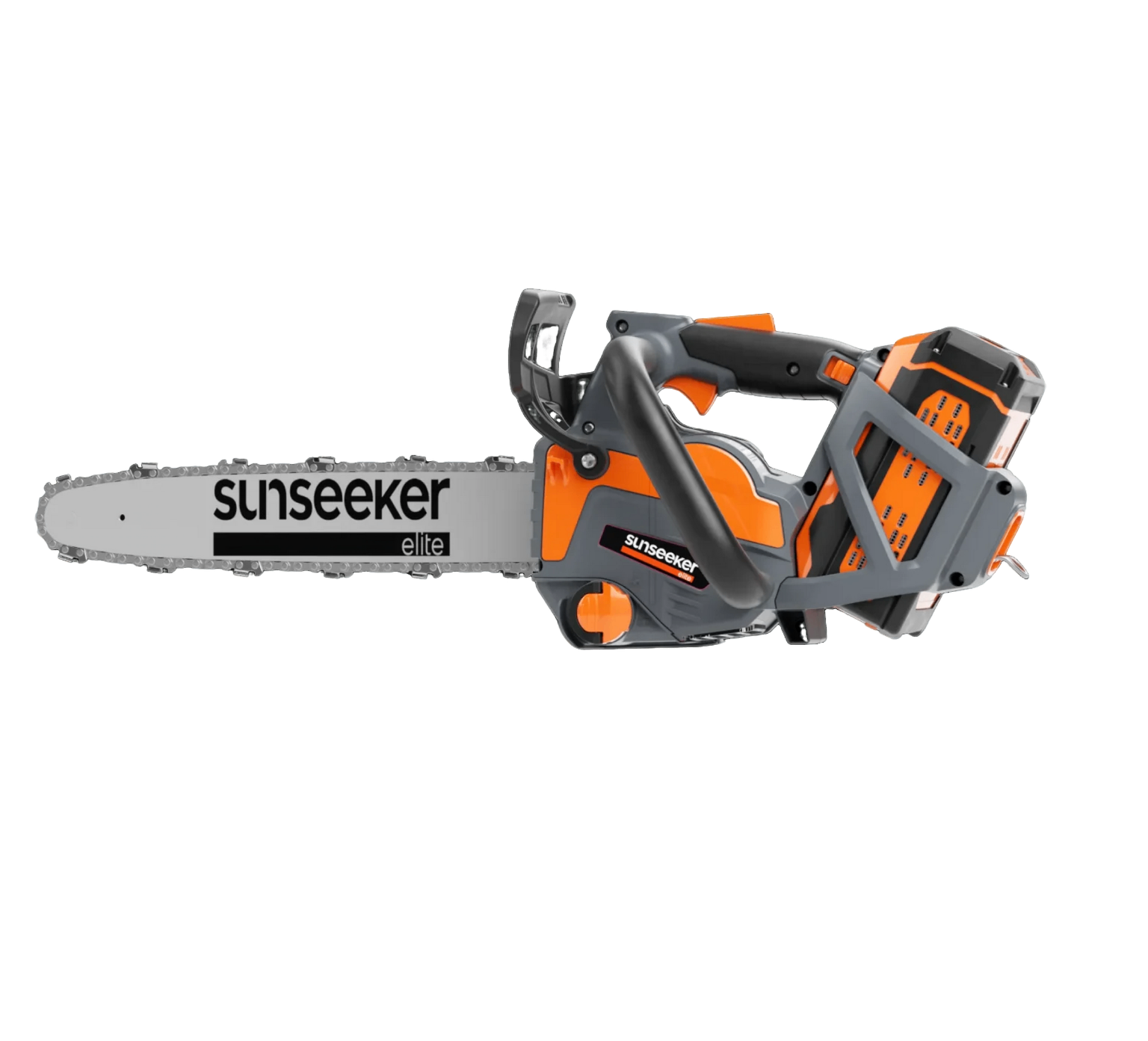
Consistent mowing after treatment also helps you track recovery because weak patches, fresh animal digging, and uneven regrowth are easier to see on a neatly maintained lawn. Sunseeker Elite X5 supports that kind of routine care with AONavi�?positioning, wire-free AI mapping, and Vision AI obstacle recognition, so established lawns can be maintained on a steadier schedule while you focus on soil, pest, and repair work where it is needed.

The best time for grub control depends on whether you are preventing future damage or treating an active infestation. Chlorantraniliprole is typically applied in April or May, while other preventive products are often timed closer to egg hatch in early to midsummer. Curative treatments are better suited to lawns with active grubs, especially in late summer and early fall. Always inspect the lawn first, match the product to the grub stage, and follow label directions carefully. For routine upkeep, Sunseeker robot lawn mowers can help keep regular mowing simpler while your broader lawn care plan handles pests, roots, and seasonal repair.
The best month depends on the active ingredient. Chlorantraniliprole is generally applied in April or May because it needs more time to reach the root zone. Preventive products containing imidacloprid, thiamethoxam, or clothianidin are usually applied in June or July. Curative products such as carbaryl or trichlorfon are used when active grubs are present.
Yes. Applying more grub killer than the label directs can increase unnecessary pesticide exposure and environmental risks without providing better control. Measure your lawn area carefully, calibrate the spreader or sprayer, and follow the product’s stated application rate and maximum frequency. Never assume that doubling the dose will improve results.
It is generally better to mow before applying grub killer, particularly when using a spray. Mowing first removes flowering weeds that could attract bees and avoids disturbing the treatment afterward. Once the product is applied, follow the label and water it into the soil as directed, since grub insecticides need to reach the root zone to work effectively.