




FAQs
8/19/2026
Contents
Products
Residential Lawns






Commercial Landscapes
Explore
Where to Buy


Nitrogen fuels green leaf growth, but it cannot fix poor soil, drought, or compacted roots on its own. Pale color and slow fill-in often point to a shortage, while heavy doses push soft blades that burn or lodge. Match the rate to grass type, water in granules as directed, and keep other nutrients in balance.
A lawn can look tired even when you water it and mow it on time. The grass may turn pale, grow slowly, or lose the thick look that makes a yard feel healthy. In many cases, homeowners may resort to nitrogen fertilizer for nutrient and green top growth. So, what does nitrogen do for your lawn?
The tricky part is balance. Nitrogen can support strong color and faster recovery, but heavy or poorly timed applications can leave burnt tips, weak roots, and more mowing than you expected. The sections below break the topic into simple lawn-care decisions: signs, timing, application steps, and safe limits.
Nitrogen is one of the three main nutrients listed on fertilizer bags. It is the first number in the N-P-K ratio, and it mainly supports leaf growth, green color, and the lawn’s ability to recover after normal mowing and foot traffic.
Here is what nitrogen does for lawns in practical terms:
A lawn does not always need nitrogen just because it looks dull. Shade, drought, compacted soil, dull mower blades, poor drainage, and disease can create similar symptoms, so look for several clues before you feed.
The most useful signs include:
Timing matters because grass uses nitrogen best when it is actively growing. Feeding during dormancy, extreme heat, drought, or frozen conditions wastes product and can stress the turf.
For cool-season grasses such as Kentucky bluegrass, perennial ryegrass, and tall fescue, the most useful nitrogen windows are early fall and late spring. Early fall feeding helps recovery after summer heat and supports root and shoot growth before winter. A light spring feeding may help color, but too much early spring nitrogen can push fast top growth before roots are ready.
For warm-season grasses such as Bermuda, zoysia, St. Augustine, and centipedegrass, nitrogen is usually best after the lawn has fully greened up in late spring and during active summer growth. Stop feeding several weeks before expected dormancy so the grass can harden off naturally.
Avoid applying nitrogen right before heavy rain, during drought restrictions, or when soil is dry and hot. A moderate application followed with gentle watering is safer than a heavy feeding on stressed grass.
Nitrogen works best when the rate matches the lawn size and grass type. Guessing can lead to streaks, burnt patches, or wasted fertilizer, so measure first and apply in a calm, even pattern.
Measure the length and width of each lawn section and multiply them to estimate square metres. Subtract patios, beds, paths, and driveways. Most fertilizer labels give rates per 100 m², so this number controls the whole application.
The first number on the fertilizer bag is nitrogen. A 20-0-10 fertilizer contains 20% nitrogen. To apply 0.5 kg of actual nitrogen per 100 m², you would need 2.3 kg of that product per 100 m². Many home lawns do well with 0.2 to 0.5 kg of nitrogen per 100 m² per feeding, depending on grass type and season.
Set the spreader according to the label, then apply at a steady walking speed. For more even coverage, many homeowners apply half the product in one direction and the other half across the first pass. Keep fertilizer off sidewalks and driveways so it does not wash into drains.
Many granular fertilizers need light watering after spreading. About 6 mm of water is often enough to move nutrients off the leaf blades and into the soil surface. Some liquid products have different instructions, so follow the label carefully.
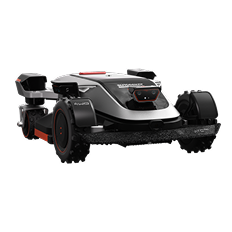
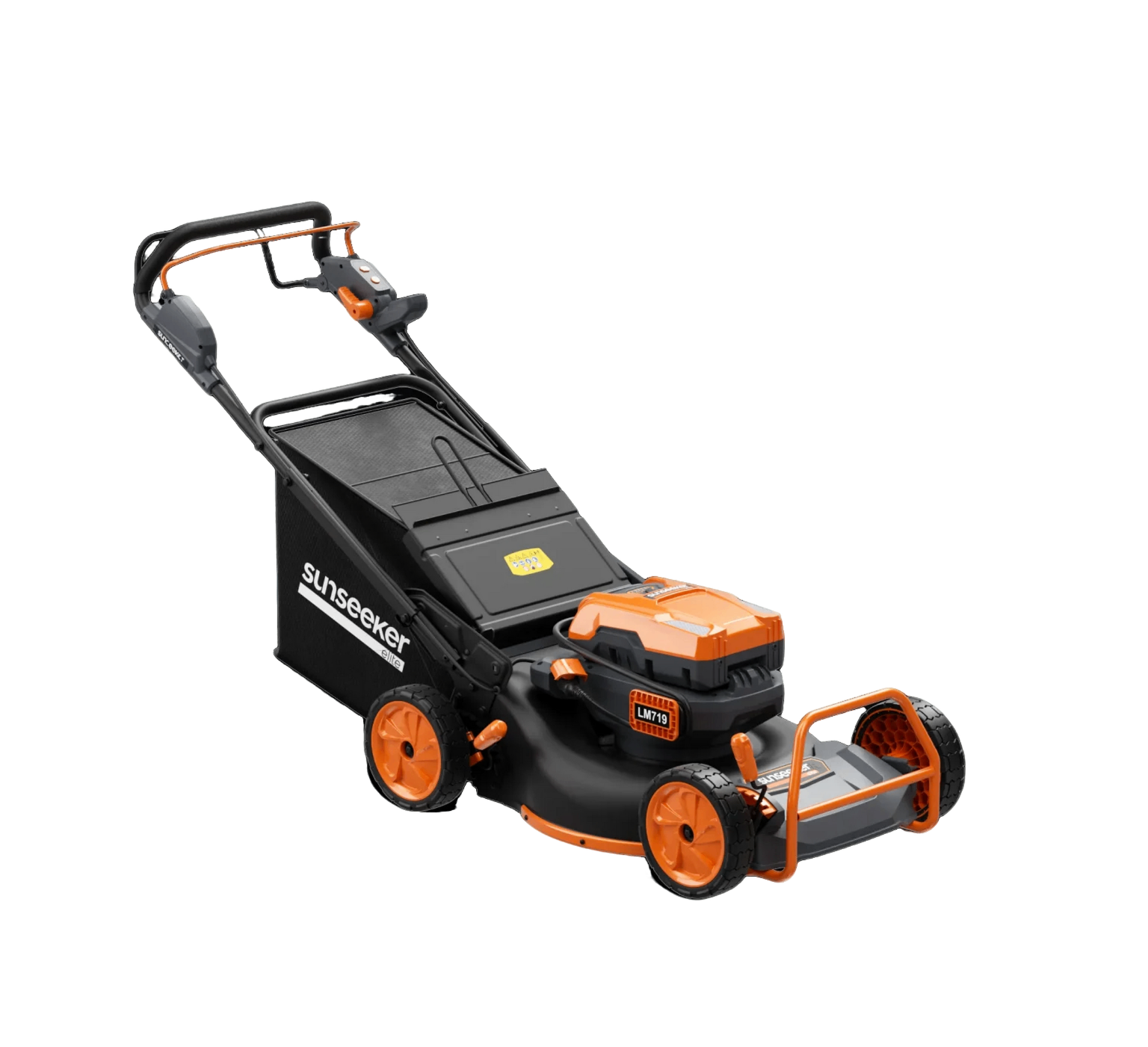
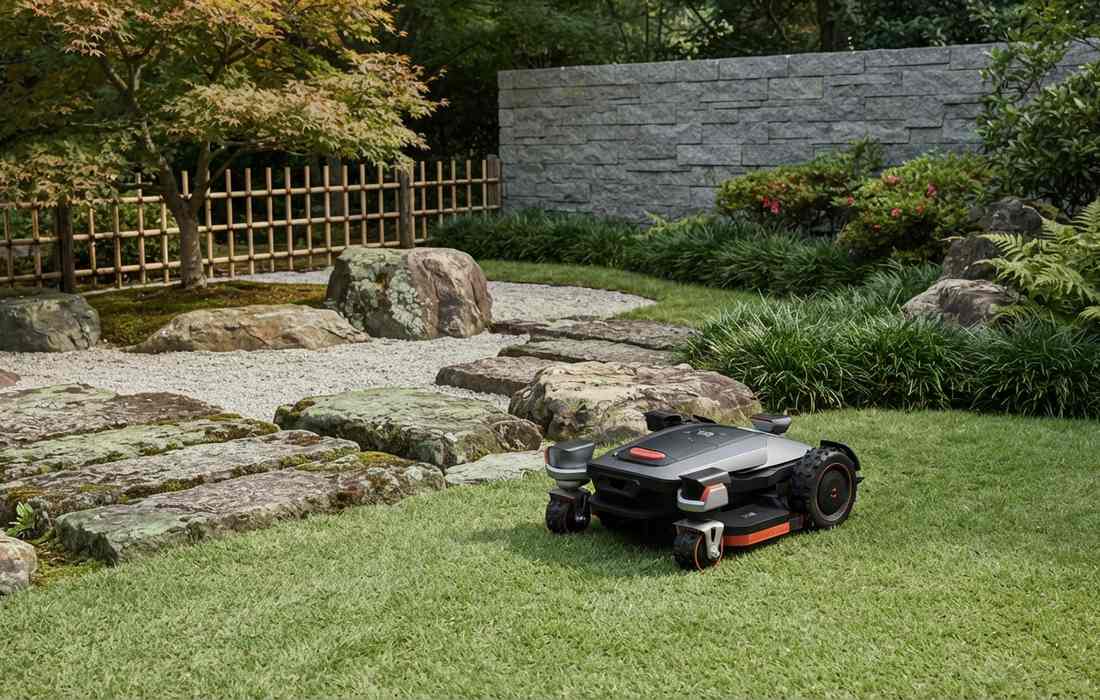
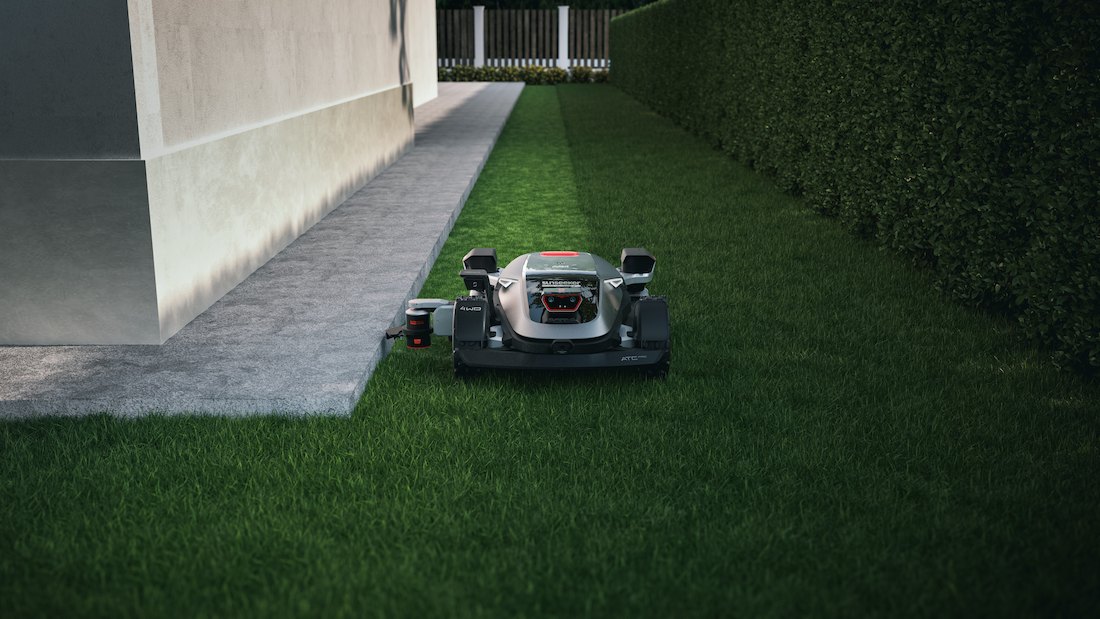
On large, established lawns, nitrogen feeding often means the grass grows more evenly and needs a steady mowing routine. Sunseeker Elite X9 is built for large-area maintenance, with AONavi positioning and a 43 cm super wide dual cutting-disc system that helps keep routine cuts consistent after seasonal feeding. Used with a sensible fertilizer schedule, it can help the lawn keep a cleaner, more uniform finish.
More nitrogen does not always mean better grass. Once the lawn has more than it can use, the extra nutrient can damage the plant, encourage weak growth, or move away from the root zone.
If you applied too much, stop feeding, water lightly to dilute soluble salts, and wait before mowing stressed grass. Do not add more fertilizer to “green it up�?until the lawn shows clear recovery.
Nitrogen gives lawns their color, growth, and recovery power, but it works best as part of a balanced care plan. Check the lawn’s symptoms, confirm the season, measure the area, and follow the fertilizer label before applying anything. With the right amount at the right time, nitrogen can help grass look thicker and healthier without creating burn or disease problems. For larger properties, you can also explore a robotic lawn mower for large lawns to support a more consistent mowing routine after feeding.
Yes. Nitrogen supports chlorophyll production, so it often improves lawn color when the grass is actively growing and not under major stress. A pale lawn may turn greener after a correct nitrogen application, but poor watering, disease, compaction, or shade can still limit the result.
Nitrogen is good for lawns when used at the right rate and time. It supports blade growth, color, and recovery after mowing. Problems start when too much is applied, especially in hot weather or on dry soil. Balanced feeding is safer than chasing quick green color.
Grass clippings contain nitrogen and other nutrients, though they are not a full replacement for every fertilizer need. Leaving short, dry clippings on the lawn can return some nitrogen to the soil as they break down. Bag clippings if they are wet, clumped, diseased, or full of weed seeds.