





FAQs
7/16/2026
Contents
Products
Residential Lawns





Explore
Where to Buy


Dethatching the lawn is like removing a thick, suffocating carpet of debris sitting between the grass and the soil. Over time, dead organic matter builds up and blocks essential resources. Dethatching opens the surface, which allows grass roots to breathe, absorb nutrients, and grow more evenly and strongly again.
When a lush lawn starts to look thin or patchy, it can quickly become frustrating. In many cases, this common problem is caused by thatch buildup, and that’s where dethatching comes in. So, what is dethatching a lawn, and do I need to dethatch my lawn? In this guide, you can discover what it is, how to tell if you should dethatch your lawn, the best time to do it, the right steps, and post-care tips to ensure a fast and healthy recovery.
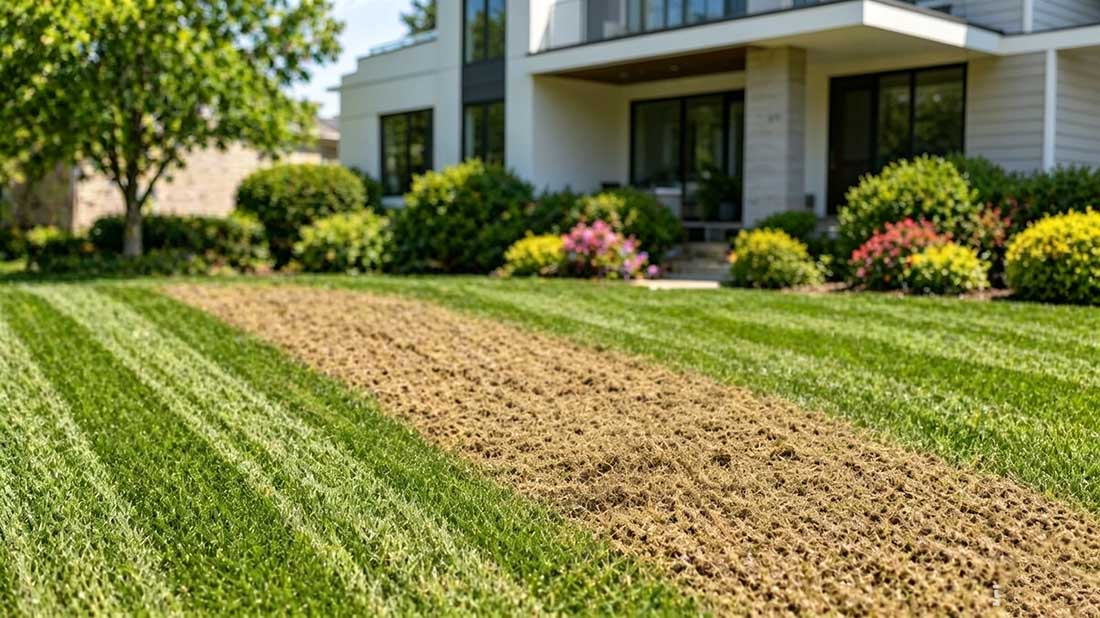
Dethatching is the mechanical process of removing excess thatch, which is a dense layer of organic matter(dead grass, stems, and roots) from the surface of your lawn. This buildup can block essential water, nutrients, and air from reaching the soil, which weakens grass health over time.
It’s important to distinguish dethatching from core aeration, as the two are often confused. While dethatching focuses on removing surface debris, aeration punches small holes into the soil to relieve compaction and improve root access to oxygen and nutrients.
Lawn thatch is a layer of partially decomposed organic material that forms between the green grass blades and the soil surface. It consists of dead grass clippings, roots, stems, and other plant debris that haven’t fully broken down.
Excessive thatch forms due to several factors, including overwatering, excessive fertilization, poor soil health, or slow decomposition in heavy clay soils. Certain grass types(Kentucky bluegrass, Bermuda grass, etc.) are also more prone to thatch buildup.
When thatch accumulates, dethatching becomes essential to restore balance and vitality to your lawn. Here are the key reasons why dethatching your lawn is important.
Dethatching helps reverse the effects of poor growth conditions and promotes long-term turf health. If you are not sure whether it’s needed, look for these common signs.
Timing plays a crucial role in the success of dethatching. The process temporarily stresses your lawn, so it’s best done during periods of active growth when recovery is fastest.
Avoid dethatching during extreme heat, drought, or winter dormancy, as grass will struggle to recover. It’s recommended to choose a period with mild temperatures and at least four to six weeks of strong growing conditions ahead.
Dethatching can be done manually for small lawns or with powered equipment for larger areas. You may follow this structured process to ensure better results.
Start by mowing your lawn to about half its normal height. This exposes the thatch layer, making it easier for dethatching tools to remove buildup effectively.
Clear away debris like leaves and sticks, and mark sprinkler heads or obstacles. This prevents damage during dethatching and ensures a smoother, safer process across your lawn.
During dethatching a lawn, use a dethatching rake or power dethatcher in steady passes to loosen and lift the accumulated layer without over-damaging healthy grass.
For thicker thatch, make a second pass in a perpendicular direction. This helps remove more buildup evenly and improves overall effectiveness without over-damaging healthy grass.
Rake up all loosened thatch and dispose of it properly. Leaving debris behind can block sunlight and prevent your lawn from recovering quickly after dethatching.
Lightly mow your lawn again to tidy up remaining debris and improve appearance. This step helps create a cleaner surface for recovery and future lawn care.
After dethatching, the lawn may look thin or brown, and recovery often takes two to six weeks. The tips below cover what to do after dethatching a lawn so exposed turf can rebuild without extra stress.
If your soil is compacted, consider core aeration after dethatching. This improves airflow, enhances root development, and helps your lawn recover faster and grow more evenly.
Spread grass seed over thin or patchy areas to encourage thicker growth. Choose a suitable grass type to match your lawn and improve density during recovery.
Use a balanced fertilizer to support regrowth and strengthen roots. Avoid excessive nitrogen immediately after dethatching, as it may stress the lawn instead of helping recovery.
Keep the soil evenly moist, especially if you have overseeded. Light, frequent watering supports seed germination and root development, helping your lawn recover more quickly and evenly.
Apply a thin layer of compost or topsoil to enrich nutrients and improve soil structure. This encourages beneficial microbes and supports long-term lawn health after dethatching.
Avoid walking on the lawn during the recovery period. Reducing stress allows the grass roots to reestablish and prevents damage to newly growing or weakened turf areas.
Raise your mower height slightly during recovery. Taller grass helps shade the soil, retain moisture, and protect developing roots while your lawn gradually returns to full health.
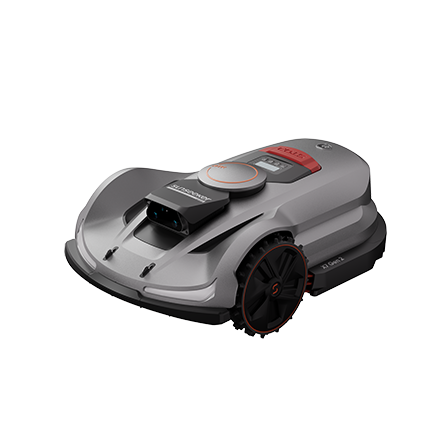
For efficient and precise mowing during this sensitive recovery phase, the Sunseeker Elite X9 Plus is an outstanding option. It features a continuous cutting height adjustment from 0.8-4 inches, allowing you to easily maintain the ideal taller setting recommended for recovery. Its 17-inch super-wide dual cutting discs deliver fast, even coverage across recovering turf with minimal passes.

At the same time, the Sunseeker Elite X9 Plus is one of the best robot mowers with mulching blades. It finely cuts grass into small clippings that decompose quickly and return valuable nutrients directly to the soil. This natural recycling process helps reduce thatch accumulation over time, making it an ideal solution for preserving a vibrant, healthy lawn after dethatching.
So, what is dethatching the lawn? It is the process of removing excess thatch, a layer of dead grass, roots, and organic debris that builds up between the soil and healthy grass. Consequently, water, air, and nutrients can reach the roots more easily. Should I dethatch my lawn? If the thatch layer becomes too thick and starts causing poor drainage or weak growth, then dethatching is necessary. However, it should only be done when needed and during active growth periods to ensure proper recovery. For long-term lawn health and easier maintenance, Sunseeker offers smart mowing solutions designed to support healthier turf after dethatching. Explore Sunseeker’s innovative range to maintain a consistently well-managed lawn easily now!
Not always. A thin thatch layer (less than 0.5 inch) can actually benefit your lawn by acting as natural mulch, helping retain moisture and regulate soil temperature. Dethatching should only be done when the buildup exceeds 0.5-1 inch and begins causing poor water absorption, weak growth, or a spongy lawn feel.
It depends on the problem. Dethatching removes surface organic buildup, while aeration relieves soil compaction by creating channels for air, water, and nutrients. They are often used together, with dethatching first if the buildup is heavy. Aeration can be the next step to improve soil structure and promote healthier root development.
The best month depends on your grass type. Cool-season grasses are best dethatched in March-May or September-October, while warm-season grasses respond better in May-June. Choose periods of active growth with mild temperatures to ensure faster recovery and avoid stressing the lawn during dormancy or extreme heat.