










FAQs
6/25/2026
Contents
Products
Residential Lawns







Explore
Where to Buy


Many people get this wrong: mowing a new lawn is not about appearance, it’s about strength. The safe timing is when the grass resists a gentle tug and stands about 3-4 inches high. Cut earlier, and seedlings can tear out easily; it’s best to wait until established and the lawn becomes far more resilient.
There’s nothing quite like stepping back and looking at a fresh, new lawn taking shape. But right after that excitement kicks in, most people hit the same question: how early can I cut my lawn? Mowing too early can damage tender grass, yet waiting too long can slow healthy growth. This guide makes it simple. You can discover when to cut the new lawn, plus safe mowing techniques, the risks of cutting too early, and practical aftercare tips to keep your lawn growing strong.

When to first cut a new lawn depends heavily on how your lawn was established: seed, sod, or overseeding. Here are more specifics.
For seeded lawns, patience is key. New grass typically needs 4 to 8 weeks before the first mow, or until it reaches a certain height. This waiting period allows roots to establish properly(ideally growing 2 to 3 inches deep) before any mowing stress is introduced.
The best indicator is uniform growth: mow only when most seedlings reach 3-4 inches tall. Under ideal conditions (warm soil and consistent moisture), cool-season grasses like Kentucky bluegrass or fescue may be ready in 4-6 weeks, while warm-season grasses may take longer.
Once established, early mowing actually encourages tillering, which promotes lateral growth and helps create a thicker, denser lawn. Many lawn experts suggest beginning mowing once the first areas reach the proper height, even if growth is not perfectly uniform.
Sod establishes more quickly because it already has a developed root system. In most cases, new sod can be mowed 2 to 4 weeks after installation, once it has firmly rooted into the soil.
Before mowing, perform a simple tug test. Gently pull on a section of sod; if it resists lifting, it’s ready. Grass should be around 3 inches tall before the first cut. Use a lightweight mower to avoid disturbing the sod, and ensure the soil is moist but not saturated.
Overseeding involves spreading new seed across an already established, but thinning lawn. This presents a unique challenge: your old grass keeps growing rapidly while your new seedlings are trying to establish themselves.
The secret here is to mow your existing lawn quite short right before you spread the seed. This gives the new sprouts plenty of sunlight. Once the new seed is down, try to hold off on mowing for about 2 to 3 weeks. When the new seedlings hit roughly 3 inches in height, you can safely trim the entire yard back to its standard height.
Once you have figured out when to cut the lawn for seeding, sod, and overseeding, you need to adjust your actual mowing technique. New grass can not be treated like a mature, hardy backyard lawn; it requires a gentler touch and carefully adjusted mower settings to avoid damage.
This is the most important rule. Dull blades don’t cleanly slice grass; instead, they tear and shred it. For young seedlings, especially, a dull blade can pull plants out of the soil entirely or leave jagged edges that become open entry points for pests and diseases.
Mow frequently: Once growth stabilizes, how often to cut the lawn should follow its growth rate rath
Always mow when both the grass and soil are completely dry. Wet conditions make soil soft and unstable, and walking or rolling heavy equipment across it can create ruts, compact the ground, and suffocate fragile new roots.
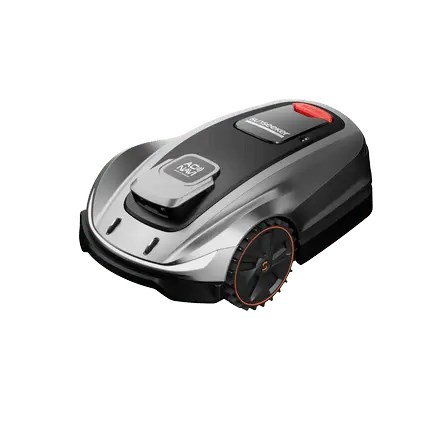
Young turf is highly vulnerable to compaction and surface damage. Instead, use a lightweight walk-behind mower or a robotic mower that spreads weight evenly and reduces pressure on the soil while maintaining a clean, consistent cut.
It can be incredibly tempting to clean up an uneven yard, but mowing prematurely can decimate a young lawn. When you cut grass before its roots are established, the physical suction and tire rotation of a standard lawn mower will pull the tiny plants straight out of the earth, creating bare patches that you will have to reseed all over again.
Furthermore, grass plants redirect their energy based on cuts. When you trim the top of a blade, the plant temporarily stops growing its roots to focus on healing the wounded tip. If you force a young seedling to constantly heal its blades before it has built a foundational root system, it will remain weak, shallow, and highly susceptible to summer droughts or winter freezes.
After you complete the first mow, proper care is the next step. It helps reduce stress on young grass, encourages deeper root growth, and supports a thicker, healthier lawn over time.
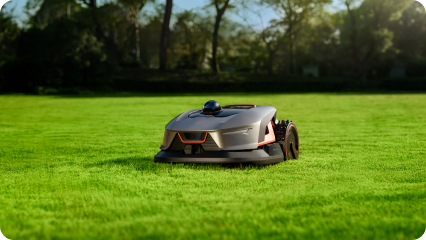
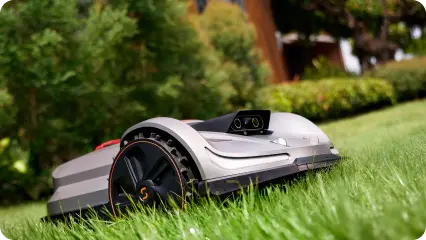
A robot lawn mower is an excellent solution for maintaining this ideal frequent-mowing routine with minimal effort. In today’s busy lifestyle, it offers a major upgrade in lawn care. With fully automated, consistent cutting, it keeps your new grass properly maintained, freeing up your weekends for other priorities.

For superior performance, the Sunseeker Elite X9 stands out as a powerful choice for precision and efficiency. With wide 17-inch dual cutting discs, adjustable cutting heights from 0.8 to 4 inches, and intelligent Target Height Management, it supports gradual, frequent mowing that protects tender new grass while encouraging thick, even growth. The AONavi™ 2.0 (RTK + VSLAM), combined with a 360° OmniSight™ system and infrared night vision, ensures accurate navigation in changing conditions, while the 4WD system with independent suspension and 42°/90% slope capability delivers stable performance on uneven terrain. Along with fast PioneerVolt™ charging and intuitive app control, it helps maintain a consistent mowing schedule, supporting a healthy and professional-looking lawn effortlessly.
So, when can I cut my new lawn? The answer depends on how your lawn was established, but the key rule stays the same, that is, wait until the grass is around 3-4 inches tall and firmly rooted before making the first cut. Meanwhile, gentle mowing techniques and good aftercare all work together to build a strong, healthy lawn from the ground up. If you want to make lawn care easier and more consistent while protecting new grass, Sunseeker offers smart solutions designed for modern homeowners. Explore the Sunseeker robot lawn mowers and upgrade your mowing routine for a well-maintained lawn with less effort.
If you wait too long, new grass will grow overly tall and leggy, which can reduce overall lawn quality. The lower blades may get shaded out, slowing healthy thickening and causing uneven growth. It also makes the first cut more stressful because more height must be removed at once. That’s why it’s recommended to mow when the grass reaches 3-4 inches for best results.
No, it is not recommended to cut wet grass for the first mow. Wet conditions often lead to clumping, uneven cutting, and mower slipping, which can disturb delicate roots. Wet clippings may also smother young seedlings and increase disease risk. Always wait until the lawn is completely dry and morning dew has fully evaporated.
For the very first mow, it is usually better to bag clippings to prevent buildup that could block sunlight or smother tender seedlings. Once the lawn becomes stronger and mowing is more frequent and light, mulching is beneficial because it returns nutrients to the soil and supports steady, healthy growth over time.