








FAQs
8/1/2026
Contents
Products
Residential Lawns









Explore
Where to Buy


Iron sharpens lawn color by feeding chlorophyll production, not by acting as a full fertilizer. It works best on turf that has good density but looks pale, especially where high soil pH locks nutrients out of reach. Liquid forms give the fastest green-up; granular and chelated options suit longer, steadier programs. Treat it as a finishing touch during spring or fall growth, not a fix for a stressed or thin lawn.
A lawn can follow the usual care routine and still miss the rich green color you expect. You mow on schedule, water during dry spells, and fertilize in spring, yet the grass stays pale yellow-green while nearby lawns look deeper and healthier. That is when iron products start to look like an easy fix, especially for homeowners who want color without pushing fast growth.
So, what does iron do for lawns? In this blog, we’ll look at how iron affects lawn color, how to recognize possible deficiency, and how to apply it safely without confusing iron with the basic care your grass still needs.
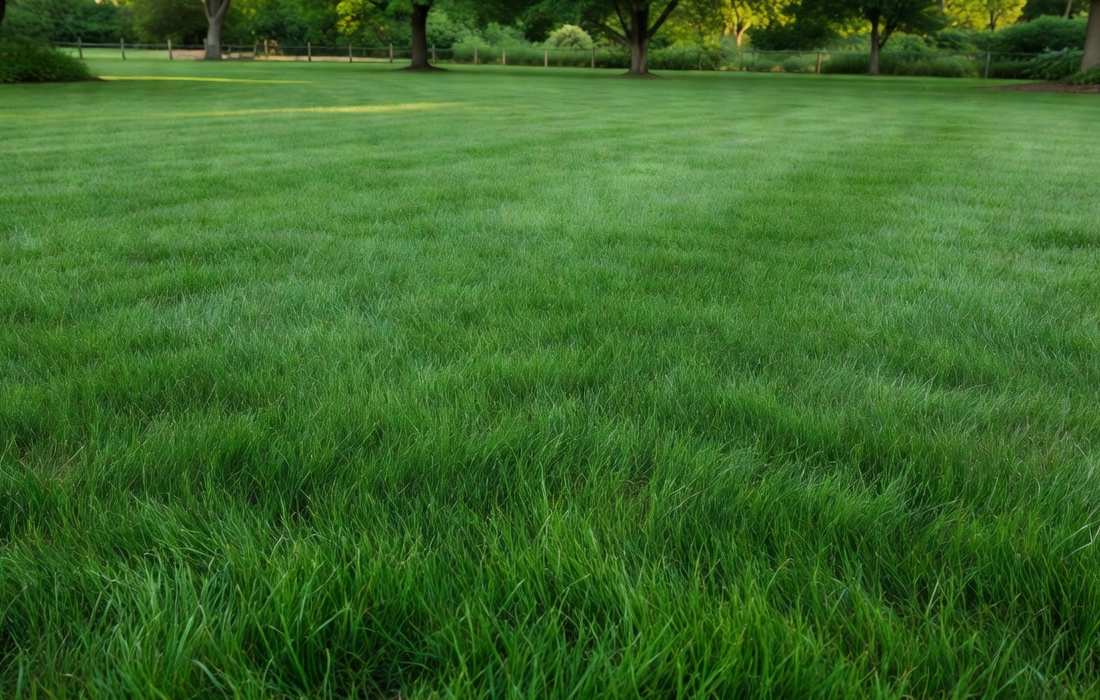
Iron improves lawn color by supporting chlorophyll production, but it is a color tool, not complete nutrition.
Grass uses iron to build and maintain chlorophyll, the green pigment that powers photosynthesis. When iron is available in the right form, turf often turns a deeper green without the surge of top growth you get from a heavy nitrogen feeding. That makes iron useful when the lawn has good density but lacks color.
Iron does not replace nitrogen, phosphorus, potassium, soil structure, sunlight, water, or sound mowing habits. If the lawn is thin, compacted, scalped, drought-stressed, or low in nitrogen, iron may improve color for a short time but will not thicken the turf on its own.
The practical way to view iron is simple: it fine-tunes color and chlorophyll function. It does not feed the lawn like a complete fertilizer. On a healthy cool-season lawn, iron can deepen color within a few days, especially in spring or fall. On a neglected lawn, it is mostly a cosmetic fix until the underlying fertility and care routine are corrected.
Iron is most useful when the lawn is growing normally but lacks a deep green color. Check the turf’s condition and soil results before applying it, since yellowing can also come from water, roots, disease, or other nutrient problems.
Do not diagnose by color alone. Nitrogen deficiency can also make turf pale, but it usually reduces vigor and growth more clearly. Drought stress tends to cause a gray-green cast, lingering footprints, and curled blades. Heat stress, grubs, disease, mower scalping, and herbicide injury can all create yellow or off-color patches.
Cause | Key Symptom |
Iron deficiency | Pale yellowing on newer growth, veins stay green, density still decent |
Nitrogen deficiency | Overall pale color with reduced growth and vigor |
Drought stress | Gray-green cast, curled blades, footprints that linger |
Heat, pests, disease, or mowing damage | Patchy or off-color areas rather than uniform pale color |
How Should You Apply Iron to a Lawn Safely?
Choose the iron form according to the speed of response, lawn size, and soil pH. Regardless of the product, calculate the actual treatment area and follow the label rate to prevent uneven color, turf stress, and stains on nearby surfaces.
Liquid iron is useful when a lawn needs a quick, targeted color improvement. Because the foliage absorbs it directly, results may appear within a few days, though accurate spraying is essential to avoid dark stripes and missed areas.
Apply it using these steps:
1. Mow tall grass without removing more than one-third of the blade.
2. Treat healthy, hydrated turf when temperatures are below about 85°F.
3. Calibrate the sprayer and maintain consistent pressure, walking speed, and overlap.
4. Keep the spray away from concrete, stone, walls, and garden furniture.
5. Allow the product to dry for the period stated on the label before irrigation or rain.
Granular iron is practical for larger lawns where even coverage and a steadier response are more important than immediate color. It can be applied with a broadcast spreader and usually remains active longer than a foliar spray.
For a consistent application:
1. Measure the lawn and weigh the required amount rather than estimating by bag coverage.
2. Calibrate the spreader on a test area before treating the whole lawn.
3. Walk at a steady pace and overlap passes only as directed.
4. Sweep granules from driveways, pavers, and pool surrounds before they become wet.
5. Water the lawn according to the label so the iron moves into the upper soil layer.
Chelated iron keeps the nutrient available where alkaline soil would otherwise bind it. It is particularly useful when a soil test confirms high pH and the lawn repeatedly develops iron chlorosis despite adequate general nutrition.
Use chelated iron carefully:
1. Confirm soil pH before choosing the chelate type; EDDHA products remain effective in strongly alkaline conditions.
2. Select a liquid or granular formulation that matches the application equipment available.
3. Apply only during active growth and use the exact label rate.
4. Avoid combining it with fertilizers or herbicides unless the label confirms compatibility.
5. Rinse spreaders and sprayers after use to prevent residue buildup and contamination.
More iron does not mean darker grass; past a certain point, it just shifts from color boost to liability.
Overapplying iron shows up fastest on nearby hardscape, not the lawn. Iron oxidizes into a rust-colored stain on concrete, pavers, stone, and siding, and that stain sets hard if it is not rinsed off within the same day; by the next morning it is often permanent. On the grass itself, too much product, especially concentrated liquid iron, can blacken leaf tips and leave the color uneven or blotchy rather than a clean, deep green.
Stacking repeated applications close together because an earlier one looked patchy usually makes the unevenness worse, not better. If a lawn is already stressed from drought, heat, or compaction, extra iron adds cosmetic color without fixing that, and can mask a problem that needs a different remedy. Sticking to the label rate and spacing out repeat applications avoids all of this.
Iron works best as one habit inside a bigger routine, not a standalone fix.
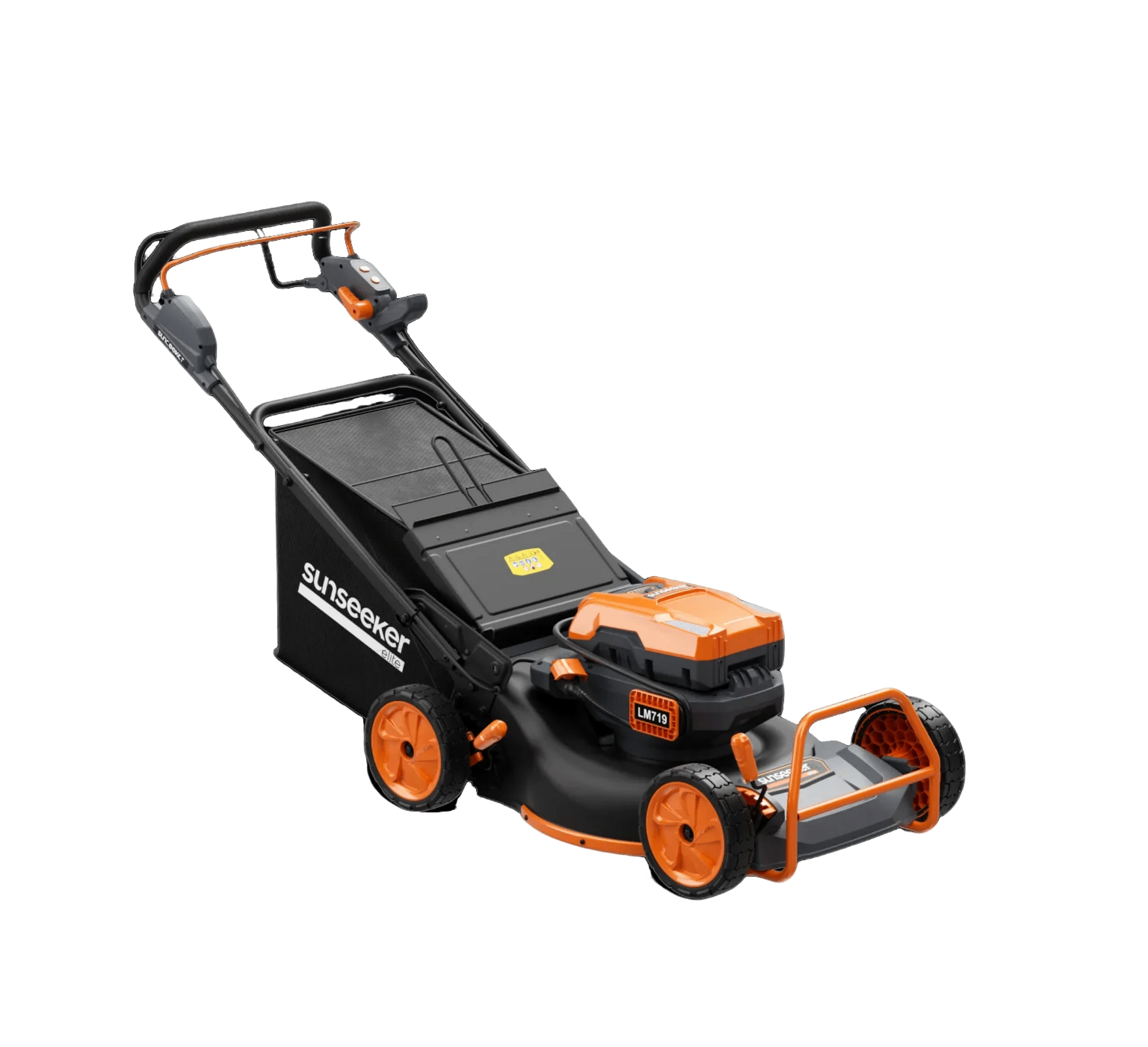
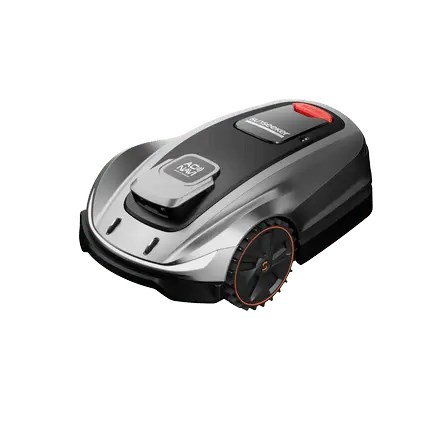
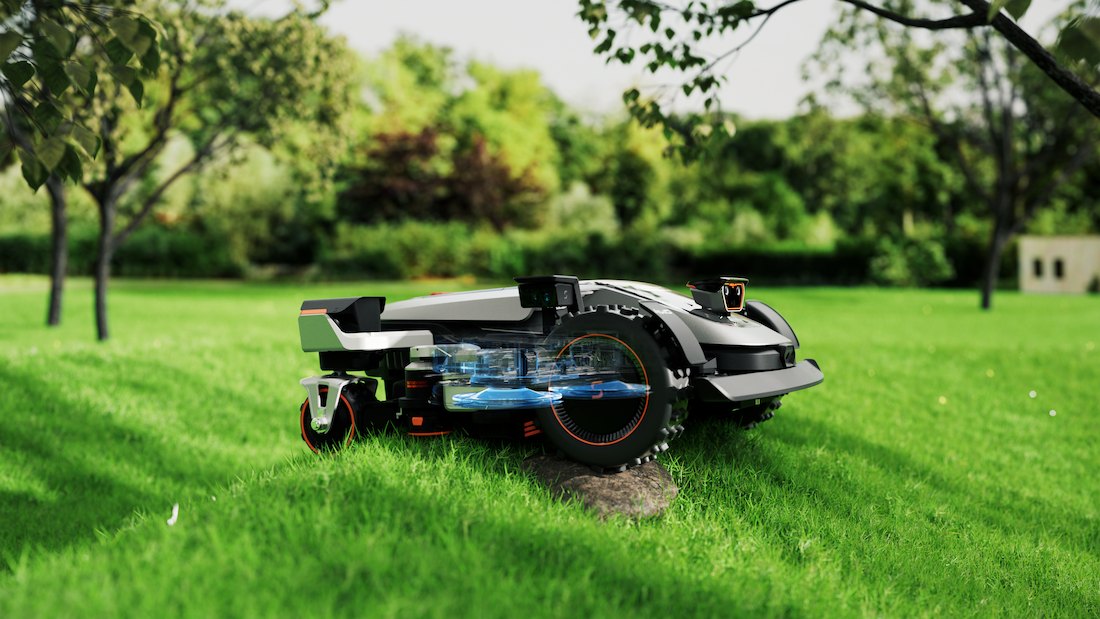
A steady mowing schedule does more for lawn color than most people expect, since healthy leaf area captures more light and uses nutrients more efficiently, which is exactly what iron is designed to support. Robot Lawn Mowers help hold that rhythm without the reminders and skipped weeks that come with a manual schedule, since they cut in small, frequent passes instead of one heavy cut every week or two.
For homeowners who would rather not chase a mower every week, the Sunseeker Elite X9 keeps that clipping schedule steady on its own, so fertilizing and iron treatments are not working against uneven, overgrown mowing. Pairing consistent mowing with iron used as a finishing touch, not a fix-all, is what actually keeps color steady season to season, and it is worth a look if mowing has been the piece falling through the cracks.
Iron is worth using when the lawn is healthy enough to grow but the color looks flat, especially in spring or early fall. It will deepen green faster than a full feeding, but it will not fix thin turf, poor watering, compaction, or bad mowing habits. If your lawn keeps turning pale, check pH, timing, and application rate before you reapply. Use iron as a finishing step, not the whole plan.
Liquid iron can deepen lawn color within 24–72 hours, while granular products commonly take one to two weeks because they must dissolve and enter the soil. Results are faster when grass is actively growing and adequately watered. Iron improves color, but it will not correct thinning caused by compacted soil, disease, or insufficient nitrogen.
Suspect iron deficiency when grass turns pale yellow while the veins remain greener, especially in the youngest blades. The lawn may still grow normally, unlike nitrogen-deficient turf, which often grows slowly and yellows more uniformly. A soil test is the best confirmation because alkaline soil can make existing iron unavailable to the roots.
Apply iron during active growth in spring or early fall for cool-season grass, and from late spring through summer for warm-season grass. Choose a mild day when the lawn is not drought-stressed. Water granular iron according to the label, but keep liquid iron off concrete, paving, and walls because it can leave rust-colored stains.
Typical signs include yellow-green grass, darker green veins, and the strongest discoloration on new growth. The lawn may appear washed out even though mowing frequency remains normal. Iron deficiency is common in high-pH, poorly drained, or cold soils. Uniform yellowing across old and new blades may indicate nitrogen deficiency or another problem instead.