




FAQs
7/25/2026
Contents
Products
Residential Lawns






Explore
Where to Buy


Pre-emergent is a weed prevention product that creates a barrier in the soil to stop many weed seeds before they grow. It works best when applied at the right time, before weed germination begins. It will not remove existing weeds, so timing and lawn preparation are essential.
A thick, green lawn is easier to protect before weeds take hold. Many homeowners only think about weed control once crabgrass, dandelions, or other unwanted plants are already spreading, but by then the lawn is playing catch-up. That is why what is pre emergent for lawns is such a common question in seasonal lawn care.
Pre-emergent works as an early barrier against certain weed seeds before they sprout. In this blog, we’ll look at how it works, when timing matters most, and how to use it as part of a healthier lawn routine.
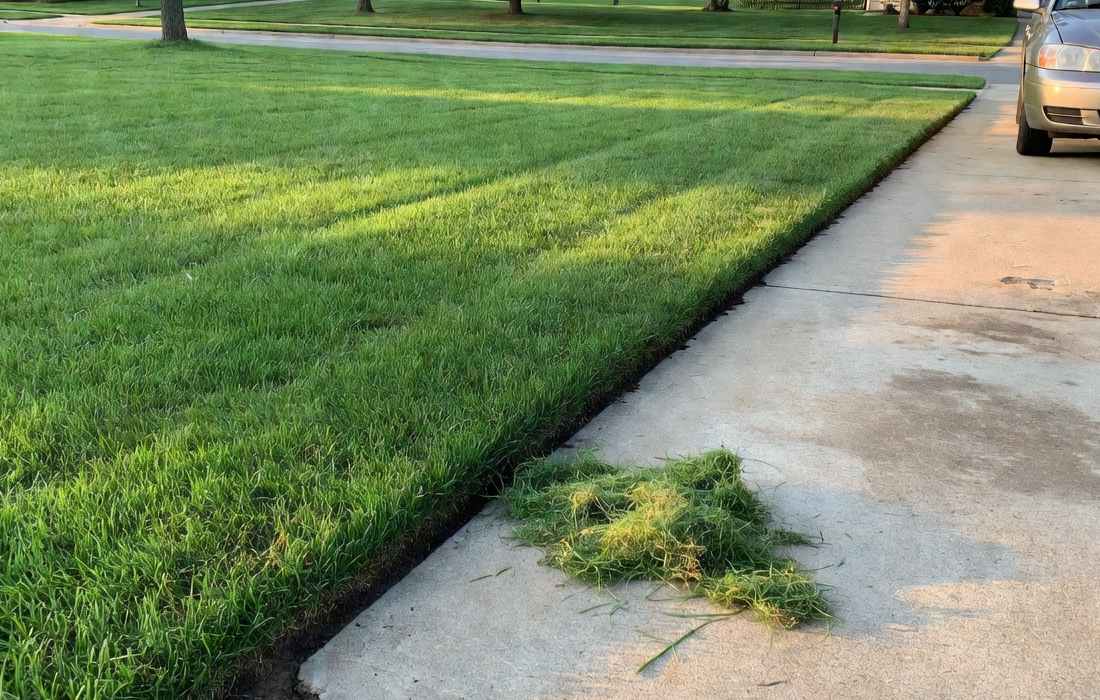
Pre-emergent is a weed control product applied to soil before weed seeds sprout. Instead of killing visible plants, it creates a chemical barrier near the soil surface that prevents young weed roots and shoots from developing after germination.
The product works differently from post-emergent weed killers. Post-emergent treatments target weeds that are already growing above the soil. Pre-emergent focuses on prevention, which is why application timing matters so much. Once a weed has already grown past the barrier, pre-emergent usually will not solve the problem.
Many homeowners ask what is lawn pre emergent because they see neighbors applying a product before spring or fall weed growth. The goal is not to make the lawn immune to all weeds. The goal is to reduce the number of new weeds that can establish themselves in open soil spaces.
Pre-emergent products are commonly used for annual weeds, especially those that appear from seeds every year. They are often part of a seasonal lawn plan that also includes mowing, fertilizing, watering, aeration, and overseeding when needed.
Pre-emergent works below the grass canopy, so it is not something you see working immediately. After application and watering, the active ingredient forms a zone near the soil surface. When weed seeds begin germinating, the young roots or shoots encounter this barrier and fail to develop normally.
For good results, three things must happen: the right product must be used, the product must be applied before weeds start growing, and the lawn must receive enough water to move the product into the soil layer where seeds germinate.
Pre-emergent does not replace good lawn care. A thin lawn with poor mowing habits, compacted soil, or weak roots can still develop weed problems later because new open spaces appear.
The weeds controlled by pre-emergent depend on the active ingredient and the timing of application. Different products target different weed species, so reading the label is always important.
Common targets include annual weeds that return through seeds each season. In warm regions, homeowners often use pre-emergent against crabgrass and other summer annual grasses. In cooler regions, it may be used against certain spring or fall weeds depending on the lawn and climate.
Pre-emergent is usually less effective against existing perennial weeds with established roots. Weeds such as dandelions, broadleaf plants that are already growing, and mature grassy weeds may require other treatments. This is why identifying the weed problem first leads to better results.
Timing is the most important part of pre-emergent use. The product needs to be in place before weed seeds germinate. Waiting until weeds are visible usually means the ideal window has already passed.
For many cool-season lawns, spring pre-emergent is often applied when soil temperatures approach about 55°F for several days, because this is when crabgrass seeds begin germinating in many regions. A fall application may be used for certain winter annual weeds. Warm-season lawns often need a different schedule because their growing season starts later.
Weather conditions matter too. Heavy rain immediately after application can move some products away from the target area, while very dry conditions may prevent activation. Always follow the product label because formulas differ.
Pre-emergent works best when it is applied accurately and at the right stage, since uneven coverage or the wrong dose can reduce its effectiveness. Use the steps below to create a consistent weed-control barrier without putting unnecessary stress on the lawn.
Before applying anything, know your grass type and the weeds you are trying to prevent. Some products are not suitable for every lawn. Confirm the label allows use on your grass species and check any restrictions.
Calculate the area you need to treat so you apply the correct amount. Too little product may not create an effective barrier. Too much product can waste money and may create unnecessary stress on the lawn environment.
A broadcast spreader helps cover large lawns evenly. Walk at a steady speed and overlap passes slightly to reduce missed strips. For liquid products, calibrate the sprayer so the application rate matches the label.
Many pre-emergent products need irrigation after application to move into the upper soil layer. The required amount depends on the product. Avoid heavy watering that creates runoff and carries the product away.
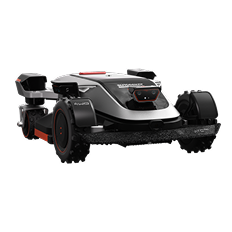
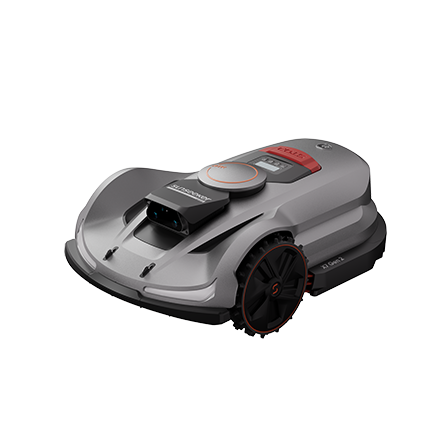
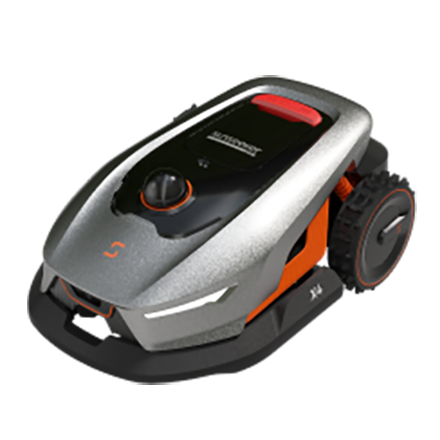
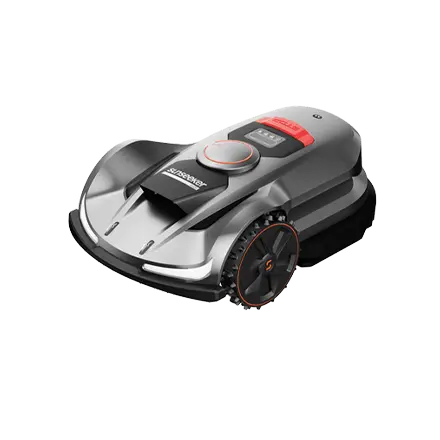
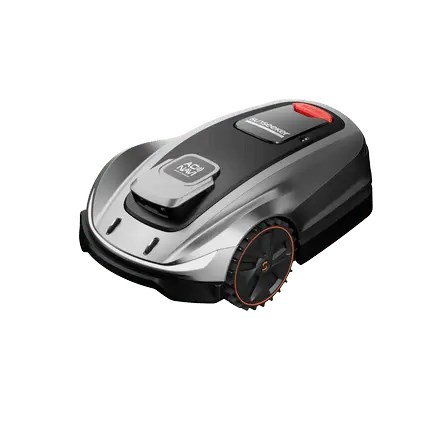
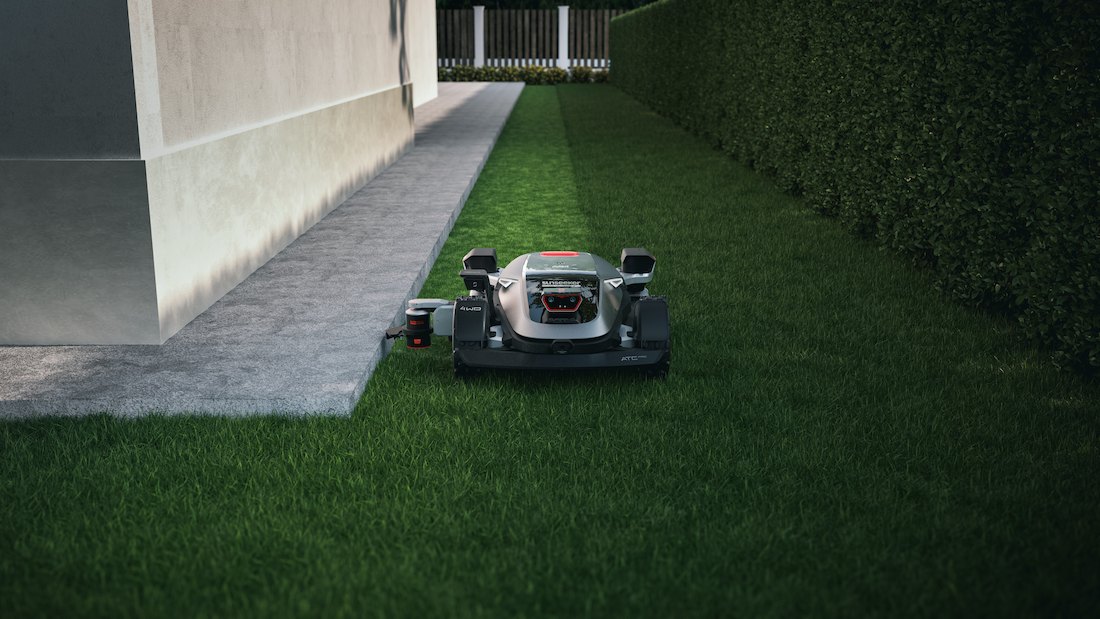
Once the treatment has been activated, the next priority is maintaining dense turf that leaves less open space for weeds. Keep the grass at an appropriate height, water deeply when needed, and avoid scalping or other practices that weaken the lawn. A robotic lawn mower for large lawns can support this routine through frequent, light mowing. The small clippings settle back into the turf and gradually break down, while removing only a little growth at a time helps maintain a steadier grass height.
This type of regular maintenance can be especially useful across a large lawn, where uneven or delayed mowing may allow some areas to become weak or overgrown. The Sunseeker Elite X9 follows planned mowing routes to cover broad areas systematically and trims the grass in smaller amounts over time. This helps maintain a denser, more even lawn after pre-emergent application, while the herbicide remains responsible for preventing weed seeds from establishing.
Pre-emergent is useful, but it is not always the right choice. Some lawn situations require a different approach, especially when new grass growth is the priority.
For example, a lawn with large bare patches may need soil improvement and overseeding before weed prevention. A pre-emergent barrier can prevent grass seed from growing as well as weed seed, so timing around lawn repair is important.
Pre-emergent is a prevention tool, not a quick weed remover. It works best when applied before weeds germinate and when it is combined with good lawn care habits. Correct timing, accurate application, proper watering, and healthy grass growth all contribute to better results. By understanding what pre emergent does and when to use it, homeowners can reduce future weed pressure and build a stronger lawn.
The best pre-emergent depends on your grass type, target weeds, climate, and local rules. Choose a product labeled for your lawn and the weeds you want to prevent. A soil and weed assessment often gives better results than choosing a product only because it is popular.
Do not ignore the product label, apply extra fertilizer without a reason, or disturb the treated soil unnecessarily. Avoid activities that remove the barrier layer, such as heavy raking or aeration, unless the timing is appropriate. Follow watering instructions carefully.
Light rain or irrigation often helps activate many pre-emergent products. Heavy rain immediately after application can move some products before they settle. Check the label for rain guidance and avoid guessing because formulas vary.
Pre-emergent is mainly for preventing new weeds, not removing existing ones. If weeds are already growing, you may need a post-emergent treatment or manual removal first. After existing weeds are controlled, pre-emergent can help reduce future weed growth.