











Mowing and watering are the two things homeowners do most for their lawns, but the connection between them is rarely discussed. Should you water grass after mowing? In most cases, yes, but the timing, amount, and conditions matter more than people realize.

Should You Water After Mowing?
Yes, watering after mowing is generally safe and often helpful. Freshly cut grass has open wounds at the blade tips where moisture escapes more quickly than usual. Watering helps the grass recover and reduces stress, especially in hot or dry conditions.
That said, watering isn't always necessary right after mowing. If the soil is already moist, rainfall is expected, or temperatures are mild, the lawn may not need additional water. The key is to water based on what the lawn actually needs, not on a fixed schedule tied to mowing.
One thing to avoid: watering immediately before mowing on wet grass. Wet clippings clump under the deck and leave an uneven cut. Mowing dry grass and watering afterward is the better sequence.
Benefits of Watering After Mowing
Watering after mowing can do more than refresh the lawn. Below, we’ll look at the key benefits and why this simple step helps grass recover and grow stronger.
- Supports recovery from the cut. Mowing removes a portion of each blade, which temporarily stresses the plant. Water helps the grass redirect energy to recovery rather than managing drought stress at the same time.
- Helps clippings break down. Fine clippings left on the lawn decompose and return nutrients to the soil. Watering after mowing speeds up that process and prevents dry clippings from matting.
- Reduces heat stress. Mowing in warm weather exposes more soil surface to direct sun. A post-mow watering cools the surface and reduces the risk of scorching in the hours after the cut.
- Encourages deeper root growth. Watering deeply after mowing, rather than a light sprinkle, encourages roots to grow downward in search of moisture, which builds drought resistance over time.
When Should You Water Lawn After Mowing?
Timing matters more than most people think. If you mow in the morning, watering right after is fine. The grass gets moisture before the heat builds and has time to dry before nightfall. If you mow in the afternoon or evening, it's better to wait until the following morning. Watering in the evening leaves moisture on the blades overnight, which creates conditions for fungal disease.
A few other timing considerations:
- After mowing in hot conditions: Water within a few hours to reduce heat stress, but avoid the midday peak when evaporation is highest.
- After mowing in mild weather: The lawn can usually wait until the next scheduled watering unless the soil is visibly dry.
- After mowing drought-stressed grass: Water as soon as possible, but deeply. A shallow watering in this situation does more harm than good.
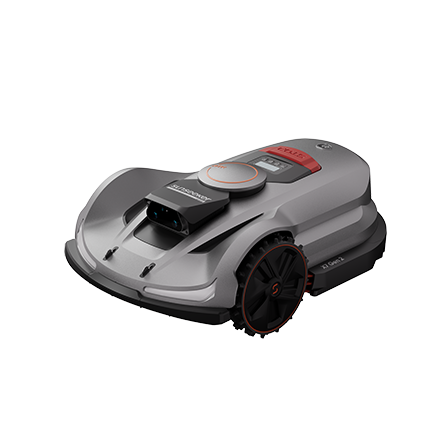
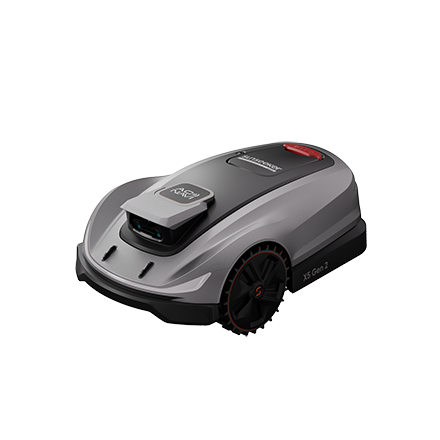
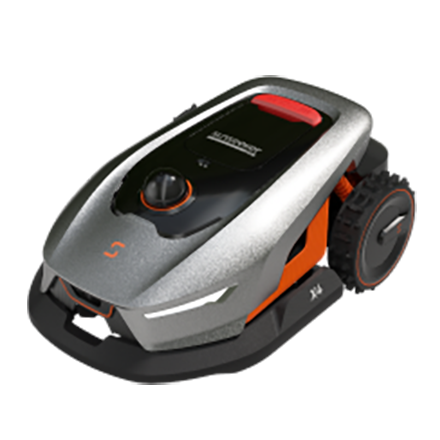
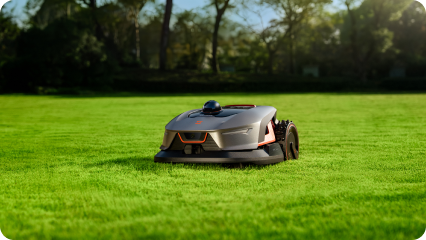
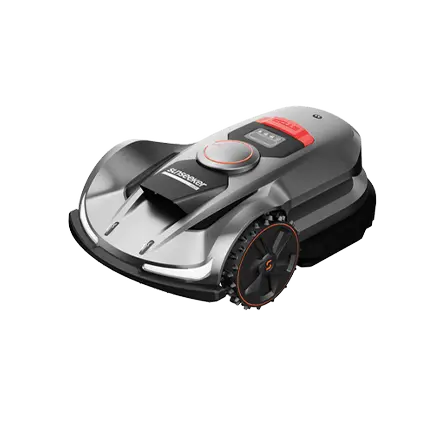
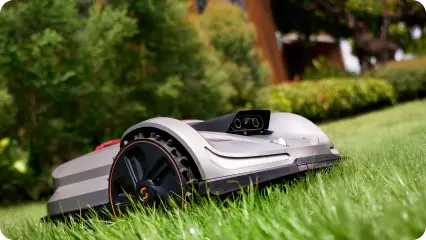
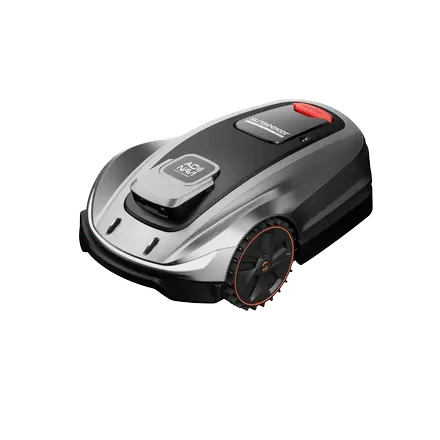
Keeping track of both mowing and watering schedules takes some attention. The Sunseeker Elite X5 takes the mowing side off your hands entirely, freeing you to focus on watering timing and the rest of your lawn care routine. It covers yards up to about 0.5 acre and uses AONavi™ combining RTK-GNSS and VSLAM for accurate wire-free navigation, with Vision AI for obstacle detection. Set a schedule in the app and it handles the rest on its own, leaving you free to focus on watering, fertilizing, and the rest of the lawn care routine.