




















Watering your lawn seems straightforward, but timing makes a bigger difference than most people expect. Water at the wrong time of day and you lose most of it to evaporation, invite fungal disease, or end up with shallow roots that dry out quickly. Knowing the best time to water grass helps you get more out of every watering session and keeps your lawn healthier with less effort overall. This article will show you all the details. Read on!

When is the Best Time to Water Grass?
The best time to water lawn is early morning, between 6 a.m. and 10 a.m. At this time of day, temperatures are cooler, wind is usually calmer, and the grass has time to absorb moisture before the heat of the day increases evaporation. Water that reaches the roots in the morning is used efficiently rather than lost to the atmosphere.
Here is how the different times of day compare:
- Early morning (6 a.m. to 10 a.m.) is the best window. Conditions favor absorption, the lawn dries before evening, and fungal disease risk stays low.
- Midday (10 a.m. to 4 p.m.) is the least efficient time to water. High temperatures and sun intensity mean a significant portion evaporates before it reaches the roots. Water pressure in municipal systems also tends to be lower during peak demand hours.
- Late afternoon (4 p.m. to 6 p.m.) is acceptable if early morning isn't possible, but gives less drying time before nightfall. It's a reasonable compromise on hot days when the lawn shows signs of stress.
- Evening and night is the least recommended option. Grass that stays wet overnight creates ideal conditions for fungal disease, which spreads quickly in consistently damp turf.
- When is the best time to water your lawn if you have an automated system? Set it to run just before sunrise so the cycle completes by mid-morning. This takes advantage of the full early morning window without requiring you to be up at dawn.
How Often Should You Water Your Lawn?
Most lawns do best with deep, infrequent watering rather than light daily sessions. The general guideline is one to one and a half inches of water per week, delivered in one or two sessions rather than spread across seven days.
Frequent shallow watering encourages grass roots to stay near the surface where they dry out quickly and become less resilient to heat and drought. Deep watering once or twice a week pushes roots further into the soil, where moisture is more stable and the grass can draw on it during dry spells.
A few factors affect how often your lawn actually needs water:
- Grass type. Cool-season grasses like Kentucky bluegrass and fescue need more consistent moisture than warm-season types like Bermuda or zoysia, which are more drought-tolerant once established.
- Soil type. Sandy soil drains quickly and may need more frequent watering. Clay soil retains moisture longer but can become waterlogged if overwatered.
- Season and climate. Lawns need more water during hot, dry stretches and less during cooler or wetter periods. Adjust your schedule with the weather rather than sticking to a fixed routine year-round.
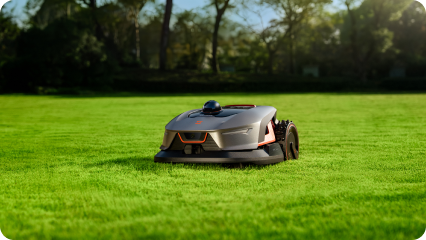
- Recent mowing. The question “should you water grass after mowing?” comes up often. Freshly cut grass loses moisture more readily through the cut tips. Watering within a day or two of mowing helps the lawn recover more quickly. If you use a robotic mower like the Sunseeker Elite X4 that mows on a frequent automated schedule, the lawn stays at a consistent height that reduces this stress compared to infrequent heavy cuts.