




FAQs
6/9/2026
Contents
Products
Residential Lawns





Explore
Where to Buy


Learn when to fertilize a lawn based on grass type, season, weather, and lawn condition. Use this practical guide to feed your grass safely and get better results.
Fertilizing at the wrong time can waste product, weaken grass, or even burn the lawn. The right timing is more practical than a single calendar date. You need to know when your grass is growing, when the weather is safe, and when the lawn is healthy enough to take in nutrients. This guide explains the best fertilizing windows by season and grass type, then walks through simple application tips that help you feed the lawn without causing damage.
Fertilizer works best when the lawn can absorb nutrients and turn them into stronger roots, thicker blades, and healthier growth. Feeding at the wrong time can push weak top growth, increase stress, or send nutrients away through runoff instead of into the soil. Here’s why timing should come before the fertilizer bag.
Season gives you the general fertilizing window, but active growth is still the rule that matters most. Before applying fertilizer, check your grass type, current lawn condition, and the forecast. In general, lawns use fertilizer best when soil temperatures are warm enough for root activity and the grass is actively growing.
Spring can be useful for some lawns, but it should not be rushed. For cool-season grasses, a light feeding is usually best in early to mid-spring, around March to May, when daytime temperatures are often between 55°F and 75°F. This can help thin or tired lawns recover after winter. However, too much nitrogen too early can push fast blade growth before summer heat arrives, which may leave the lawn weaker later.
For warm-season lawns, wait until the grass has fully greened up and frost risk has passed. This often means late April through June, when daytime temperatures are regularly above 70°F and soil temperatures are closer to 65°F or higher. Fertilizing too early, while the lawn is still waking up, often gives poor results because the grass is not ready to use the nutrients well.
Summer is often a strong feeding period for warm-season grasses such as Bermuda, Zoysia, St. Augustine, and Centipede. These grasses grow best in heat, so late spring through summer, roughly May to August, is usually when fertilizer can support color, density, and recovery from regular mowing. Many warm-season lawns respond well when daytime temperatures stay around 75°F to 90°F.
Cool-season lawns need more caution in summer. From June through August, when temperatures often rise above 85°F and rainfall drops, these lawns may slow down or become stressed. Fertilizing during extreme heat or drought can make that stress worse. If the grass looks dry, faded, or inactive, wait until cooler weather returns.
Fall is one of the most important fertilizing windows for cool-season lawns. From September to November, as daytime temperatures settle around 55°F to 75°F, grasses like Kentucky bluegrass, tall fescue, and perennial ryegrass often return to active growth. A fall feeding can help rebuild roots, improve density, and prepare the lawn for a stronger spring.
Warm-season lawns should not be pushed too late into fall. In many areas, feeding should stop by late summer to early fall, around August to September, before nighttime temperatures regularly fall below 60°F. As temperatures drop and the grass moves toward dormancy, late fertilizer can encourage tender growth that may be damaged by cold weather.
Winter is usually not the right time to fertilize a dormant lawn. From December through February, or whenever the turf is brown, inactive, frozen, or growing very slowly, the roots cannot use nutrients effectively. Fertilizer applied at this stage may sit unused or move away with runoff. In most cases, waiting for active growth in spring is the safer choice.
Climate changes the edges of your fertilizing schedule. In warmer zones, feeding may start as early as March or April and continue into September or October if the grass is still actively growing. In cooler areas, it may be better to wait until April or May in spring and stop by September or early October in fall. As a simple guide, cool-season lawns often grow best when daytime temperatures are around 55°F to 75°F, while warm-season lawns respond better when temperatures stay closer to 75°F to 90°F.
Instead of following a national calendar exactly, look for simple signals: the lawn has fully greened up, growth is steady, the soil is not too dry, and the next few days do not call for heavy rain, frost, or extreme heat above about 90°F.

Good timing needs good application habits. Even the best fertilizing window can lead to poor results if the lawn is stressed, the rate is too high, or rain washes the product away too soon. Use these steps to apply fertilizer more safely.
Make sure the grass is actively growing and not under severe stress. Avoid fertilizing if the lawn is badly drought-stressed, diseased, newly damaged, or fully dormant. Fertilizer supports growth, but it does not fix the underlying cause of a struggling lawn.
Apply fertilizer when the forecast is mild. For most granular fertilizers, a dry lawn surface is better because granules are less likely to stick to grass blades and cause burn. After spreading, light watering usually helps move nutrients into the soil. If heavy rain is expected, wait until the storm passes.
More fertilizer does not mean a healthier lawn. Overfeeding can create weak growth, increase mowing needs, and raise the risk of burn. Follow the label for the application rate, spreader setting, and spacing between treatments. This is especially important if you use weed-and-feed or slow-release products.
Uneven spreading can leave dark stripes, pale patches, or burned areas. Use a spreader that fits your lawn size, walk at a steady pace, and slightly overlap passes so coverage stays consistent. Sweep fertilizer off sidewalks, driveways, and patios so it does not wash into drains.
Most fertilizer needs light watering after application, but the exact timing depends on the product. Avoid mowing immediately if the label says to let the fertilizer settle first. A consistent mowing schedule, especially with a smart mower that keeps grass height controlled, can make fertilization easier because the lawn stays in a steadier growth pattern.
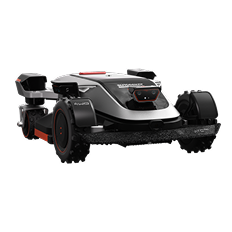
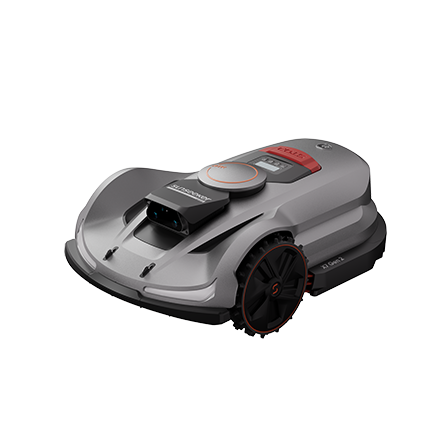
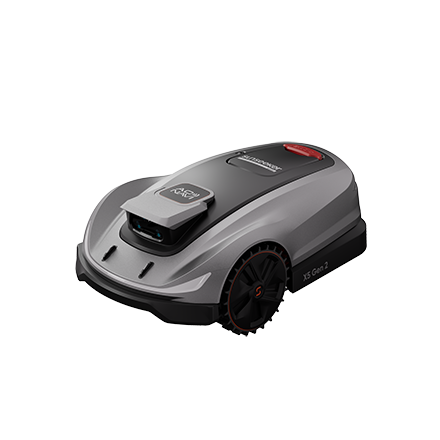
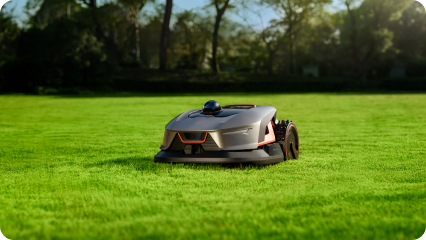
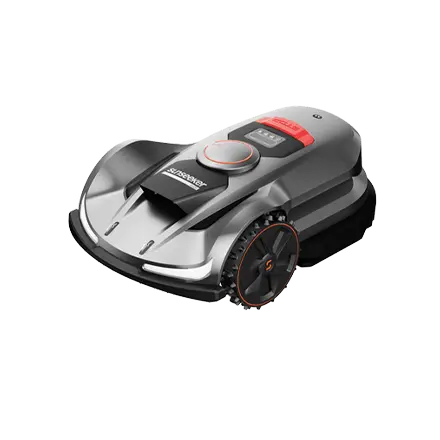
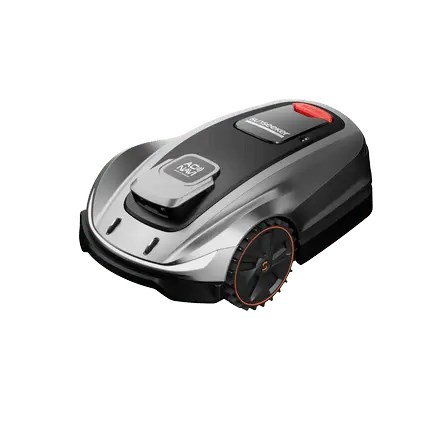
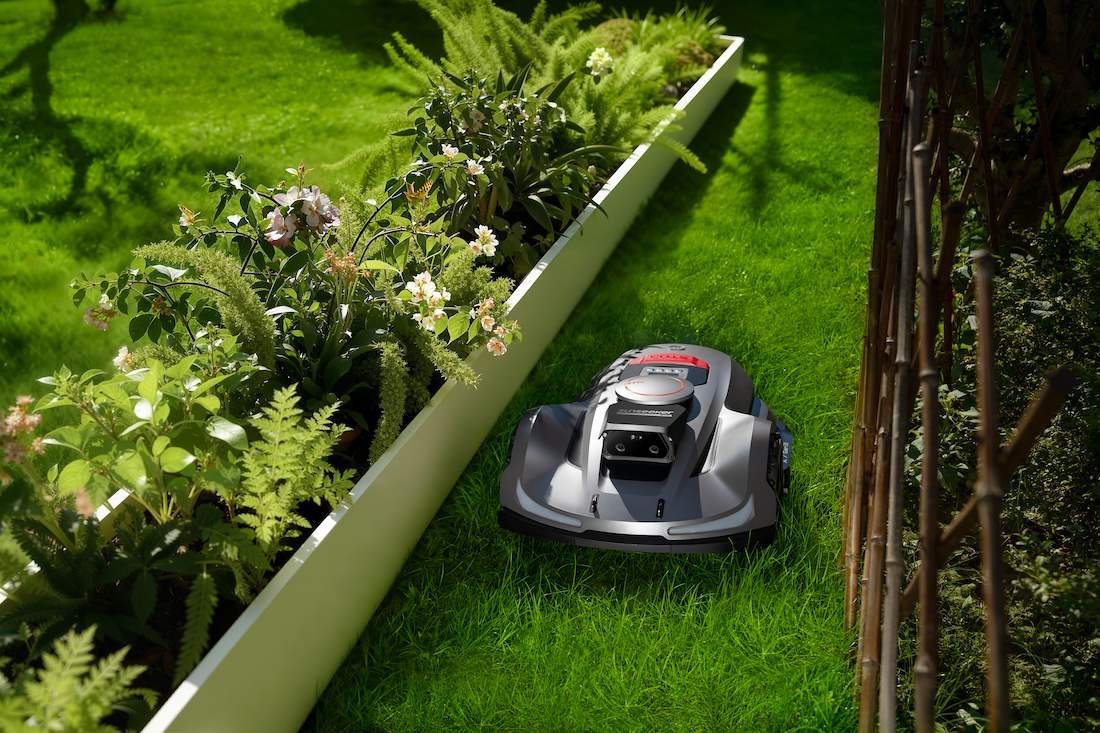
If you want lawn care to feel more predictable, mowing consistency helps. Robotic mowers such as the Sunseeker Elite X7 Gen 2 can keep grass height more even through the growing season, which makes it easier to spot healthy growth windows and avoid fertilizing after the lawn becomes too tall or stressed.
Many fertilizing problems come from timing mistakes rather than the fertilizer itself. Avoid these common errors before they turn into weak growth, patchiness, or wasted product.
The best time to fertilize a lawn is when your grass is actively growing, healthy enough to use nutrients, and supported by mild weather. Cool-season lawns usually benefit most from fall feeding, while warm-season lawns do best from late spring through summer after full green-up. Once you match fertilizer timing to grass type, local climate, and lawn condition, each application becomes safer and more useful.
A steady mowing routine also helps the treatment work better, and a robot lawn mower can make that easier by keeping grass at a more consistent height between fertilizer applications. Paired with careful watering, this gives your lawn a stronger base for the season ahead.
Do not apply lawn fertilizer when the grass is dormant, drought-stressed, diseased, or under extreme heat. You should also avoid fertilizing before heavy rain, on frozen soil, or when the ground is already saturated. In these conditions, the lawn may not use the nutrients well, and fertilizer can wash away or add more stress.
October is not always too late. For cool-season lawns, October can be a good time to fertilize if the grass is still actively growing and the ground is not frozen. For warm-season lawns, October is often too late in cooler areas because the grass may be moving into dormancy.
The best starting month depends on your grass type and climate. Cool-season lawns often start in spring around March to May, then benefit most from fall feeding. Warm-season lawns usually start later, around April to June, after full green-up and once soil temperatures are warm enough for steady growth.
You can apply fertilizer on top of the soil or lawn surface, but it should be spread evenly with the right amount. Do not dump it in piles, because that can burn the grass. Most granular fertilizers need light watering after application, but always follow the product label for best results.