







FAQs
6/9/2026
Contents
Products
Residential Lawns










Explore
Where to Buy


Get a clear lawn watering plan based on weekly water needs, sprinkler output, soil type, weather, and visible stress signs, so your grass stays healthy without waste.
A healthy watering plan starts with knowing how much water your lawn actually receives. Aim for about 1 to 1.5 inches weekly, including rainfall, but adjust for heat, soil, and grass type. Water deeply, check sprinkler coverage, and change the schedule when the lawn shows stress or runoff.
Lawn watering sounds simple until the grass starts turning dull, puddles sit on the surface, or one corner stays dry no matter how long the sprinklers run. The problem is often not effort; it is guessing. A good watering routine starts with a weekly target, then adjusts for your actual yard conditions. This guide explains how much water most lawns need, how to measure sprinkler output, when to water, and how to fine-tune your schedule through hot, dry, or rainy weeks.

For most lawns, a good starting point is 1 to 1.5 inches of water per week, including rainfall. This range gives the soil enough moisture to reach the root zone without keeping the surface constantly wet. It is a target to work from, not a rule that should be applied the same way in every yard.
Several conditions can move your lawn toward the lower or higher end of that range:
The goal is not to keep the top of the lawn damp all the time. The goal is to move moisture deeper into the soil so roots grow down. Shallow daily watering may make the surface look moist, but it can encourage weak roots and make the lawn less resilient during dry weather.
Minutes alone do not tell you how much water your lawn gets. One sprinkler zone may apply 0.25 inch in 15 minutes, while another may apply far less. A catch-can test gives you a simple way to turn a rough schedule into a real watering plan.
Use several straight-sided containers, such as tuna cans, small cups, or rain gauges, and place them around one sprinkler zone. Run the zone for 15 minutes, then measure the water depth in each container. Add the measurements together and divide by the number of containers to get the average.
1. Place several containers across one sprinkler zone.
2. Run that zone for 15 minutes.
3. Measure the water in each container.
4. Average the measurements.
5. Multiply the average by four to estimate the hourly output.
For example, if your containers collect an average of 0.25 inch in 15 minutes, that zone applies about 1 inch per hour. If your weekly goal is 1 inch, you now know that this zone needs about 60 minutes total for the week, unless rainfall reduces the amount you need to add.
Note: If some containers collect much more water than others, adjust sprinkler heads, clean blocked nozzles, or split the area into smaller zones, because extra runtime will not fix poor coverage.
If water starts pooling or running onto sidewalks, use shorter watering cycles with a pause between them so the soil has time to absorb moisture.
Even after measuring, your lawn still needs observation. Grass, soil, and weather change through the season, so visible signs are useful checks.
Overwatering can look like care, but it often weakens the lawn. Too much moisture can reduce oxygen in the soil, encourage disease, and invite weeds that like wet areas.
When these signs show up, reduce watering frequency, shorten runtimes, or let the soil dry slightly before the next session. If only one area is affected, fix drainage or sprinkler coverage before changing the whole schedule.
Underwatering often shows up first as stress in the grass blades. The lawn may still survive, but it is telling you the root zone is getting too dry.
Do not assume the whole lawn needs much more water right away. First, check coverage. A dry patch may mean one sprinkler head is blocked or aimed poorly. Once coverage looks correct, increase watering gradually and keep watching how the lawn responds.
Early morning is usually the best time to water. A window from about 4 a.m. to 10 a.m. works well because temperatures are lower and wind is often lighter. More water reaches the soil, and the grass has time to dry during the day.
Midday watering is less efficient because heat and sun increase evaporation. Evening watering may seem convenient, but wet grass that stays damp overnight can raise the risk of lawn disease, especially in humid weather.
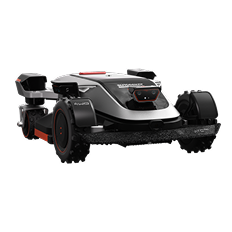
The best timing also supports the rest of your lawn-care routine. Water deeply enough for healthy roots, but schedule irrigation so the surface can dry before mowing or regular yard activity. If you use a smart mowing setup such as the Sunseeker Elite X7 Gen 2, a steady watering routine can help keep the turf firm enough for consistent cutting while avoiding wet, heavy grass during normal operation.

A strong watering schedule changes through the year. The 1 to 1.5 inch weekly target is helpful, but your lawn may not need the same amount every week.
Many lawns need less irrigation in spring because temperatures are milder and rainfall may cover much of the weekly target. This is a good time to check your sprinkler system instead of immediately running a heavy summer schedule. Too much early watering can create shallow roots and soft soil.
Summer usually brings the highest water demand. Heat, wind, and strong sun dry the soil faster, so the lawn may need the full weekly target. During hot, dry periods, check stress signs more often and move toward the higher end of the range only when the lawn and soil show that extra water is needed.
As temperatures cool, evaporation slows. Many lawns still need moisture, especially if rainfall is limited, but they usually do not need peak-summer watering. Gradually reduce irrigation instead of letting an automatic timer run unchanged.
During a dry spell, split watering into sessions the soil can absorb and check for wilt, hard soil, and dull color. During rainy weeks, subtract rainfall from your weekly total. A rain gauge is useful here because storms can feel heavy but deliver less water than expected, or they may deliver enough that sprinklers are not needed at all.
Most watering problems come from habits that feel convenient but do not match the lawn’s real needs. Before you set the timer and forget it, watch for these mistakes:
A better routine is simple: start with the weekly target, measure each zone, adjust for weather, and use the lawn’s condition as your final check.
Most lawns do well with about 1 to 1.5 inches of water per week, including rainfall, but the best schedule is the one that fits your soil, grass type, weather, and sprinkler output. A catch-can test gives you a real number to work with, while stress signs help you fine-tune the plan over time. Water in the early morning when possible, avoid shallow daily watering, and adjust gradually through the seasons.
A steady mowing routine also supports healthier grass, and a robot lawn mower can help keep the lawn at a consistent height between watering days. With measured watering and regular cutting, your lawn can stay healthier without wasting water or creating soggy, weak turf.
Sometimes, but not always. Twenty minutes may be enough if your sprinkler puts out water quickly, but it may be too little for a slower system. A better method is to measure sprinkler output with a few cups or cans. Most lawns need about 1 to 1.5 inches of water per week, including rain.
Most lawns need about 1 to 1.5 inches of water per week, including rainfall. Sandy soil may need lighter, more frequent watering, while clay soil may need slower watering to prevent runoff. Deep watering is usually better than light daily watering because it helps roots grow deeper and stronger.
Yes, you can water your lawn 2 days in a row if the soil is dry, the weather is very hot, or new grass seed needs steady moisture. For an established lawn, daily watering is usually not needed. It can lead to shallow roots, soggy soil, and disease if the ground stays wet too long.