





FAQs
8/1/2026
Contents
Products
Residential Lawns









Explore
Where to Buy


Treating lawn moss means raking or scarifying it out, using an iron-based treatment on thicker patches, then reseeding bare ground right away. That part is quick. The lasting fix is correcting whatever let moss move in, usually shade, compaction, poor drainage, or thin, underfed turf. Skip that step and the same patch fills back in within a season, no matter how thoroughly it was raked out.
You clear a soft green patch from the lawn in early spring, the grass looks cleaner for a while, and then the same shady corner fills in again. It is a common cycle in lawns where grass is thin, soil stays damp, or the surface gets too little light and airflow. Simply removing the moss often gives only a short break.
To understand how to treat moss in your lawn, this blog looks at why moss keeps returning, how to remove it properly, and what to change so grass has a better chance to take back the space.
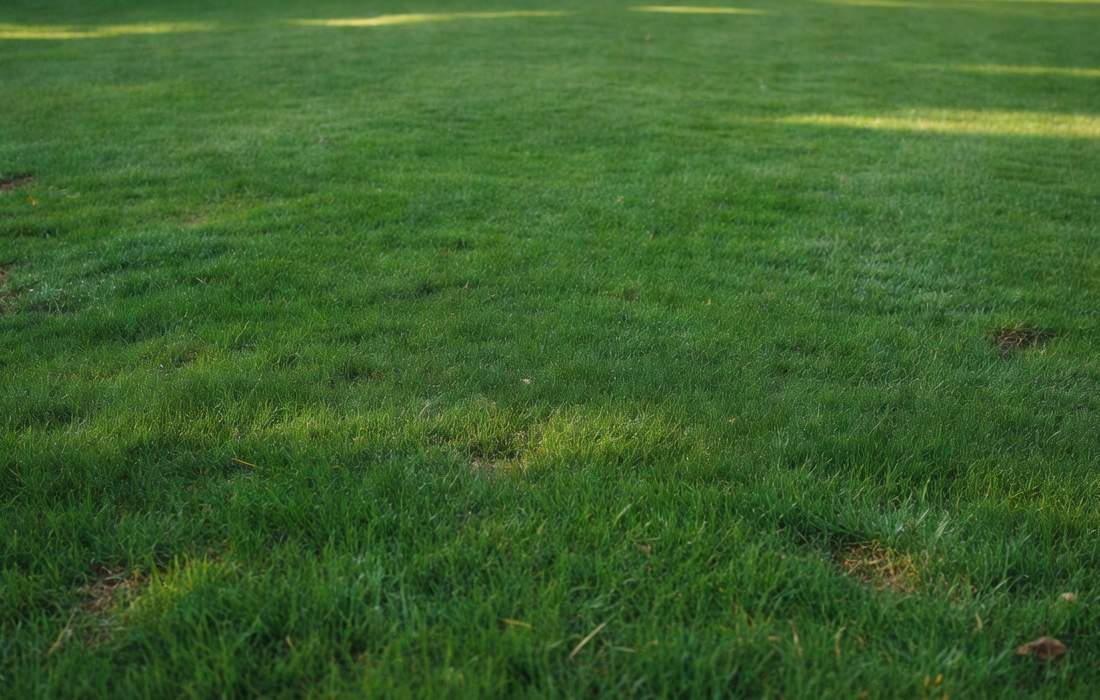
Moss usually spreads where grass is already struggling, so check both the patch itself and the conditions around it. The signs below can help you confirm whether moss is beginning to dominate the lawn.
Sign to Check | What You May Notice |
Surface texture | A soft, springy layer that feels spongy when pressed. |
Patch growth | Green areas gradually widen while grass becomes sparse around the edges. |
Light conditions | Moss appears under trees, beside fences, or near shaded walls. |
Moisture | The affected area stays damp or soggy longer after rain. |
Soil surface | Ground feels compacted, uneven, or poorly drained. |
Grass condition | Remaining blades look thin, weak, or widely spaced. |
Moss grows when lawn conditions favor it more than grass. It usually appears where turf has become thin, slow-growing, or unable to cover the soil effectively.
Persistent shade: Areas beneath trees, beside fences, or along buildings receive less light, so grass produces less energy and gradually loses density.
Excess moisture: Poor drainage, low spots, and frequent surface watering keep the soil damp for long periods, creating conditions in which moss establishes easily.
Compacted soil: Heavy foot traffic, pets, or repeated mower routes reduce air space in the soil. Grass roots then remain shallow and weak, while moss continues growing on the surface.
Low soil fertility: When essential nutrients are limited, grass produces fewer new blades and cannot close bare gaps quickly.
Unsuitable soil pH: Strongly acidic soil can restrict nutrient availability and weaken some grass types, although acidity alone rarely explains a moss problem.
Thin or damaged turf: Drought stress, disease, scalping, and heavy wear leave exposed soil where moss can spread without strong competition.
Treat removal as a three-part job: clear the existing mat, knock back active growth if it is still spreading, then rebuild the turf before moss reclaims the bare ground.
Mow the lawn first, but do not scalp it. Cutting slightly shorter than normal exposes the moss and lets the tines reach the surface. Bag the clippings so you are not dragging a wet layer around as you work.
For patches smaller than a few square yards, use a spring-tine rake and pull in two directions. Do not rely on a stiff garden rake as your main tool; it tears turf crowns and creates more damage than necessary. On larger lawns, a powered scarifier or dethatcher is faster, but set it high enough to comb the surface rather than grind into the soil.
Expect the lawn to look worse at first. A moss-heavy lawn can lose a surprising amount of green material because much of what looked like grass was not grass. Collect and remove the debris instead of leaving it behind to smother seedlings.
Use treatment when moss is thick, still green after raking, or spread through areas too large to clear by hand. Apply it at the label rate; more is not better. Overapplication can blacken turf, stress grass, and increase staining on hard surfaces.
Choose a calm, dry day when rain is not imminent unless the label says watering in is required. Keep granules or liquid drift off patios, edging, stepping stones, and light-colored masonry. Iron stains are often harder to live with than the moss was.
Wait until the moss turns dark brown or black before removing it. That usually takes several days, depending on weather and product type. Do not seed into a heavy layer of dead moss, because seed needs direct soil contact.
Rake out the blackened moss. If bare soil is compacted and shiny, scratch the surface with a hand cultivator or garden fork before seeding, since seed on sealed soil dries out, washes away, or feeds birds.
Use a grass seed mix matched to the location. In shade, choose a shade-tolerant mix rather than a full-sun blend. In a family lawn, pick a wear-tolerant mix for paths, play zones, and dog routes. Spread seed evenly, press it into the soil, and topdress lightly with screened compost or lawn soil where the surface is uneven.
Keep the repaired area consistently moist, not soaked. Light watering once or twice a day is better than a weekly flood while seed is germinating. Hold off on aggressive mowing until the new grass is tall enough for a light first cut.
Removing moss will not prevent it from returning unless the lawn conditions are improved first. Identify the main cause in the affected area, then correct it before reseeding or applying further treatment.
Keep the lawn dense enough that moss has no open, damp surface to colonize. Prevention is less dramatic than raking, but it is what decides whether the same patches return next season.
Mow high enough for your grass type and never remove more than one-third of the blade at a cut. Short mowing weakens roots and exposes soil to light and moisture swings. Frequent light mowing is better than occasional hard cuts, especially in spring and fall when moss is active.
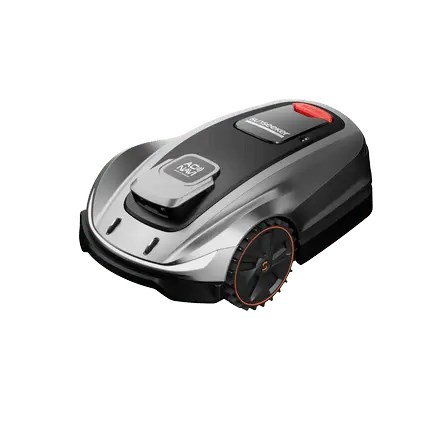
GPS Robot Mowers make that frequent, light mowing pattern easy to sustain without turning it into a weekly chore, since they run on a set schedule and cover the lawn in small, regular passes instead of one heavy cut every week or two.
A mower such as the Sunseeker Elite X7 Plus Gen 2 fits that role well, keeping cutting height consistent and clippings short enough to break down instead of matting down and shading out the grass beneath them, which is exactly the kind of steady maintenance that keeps moss from finding an opening again.
Water deeply but infrequently once grass is established. Daily light watering keeps the surface damp and favors moss, shallow roots, and disease. Irrigate only when the lawn shows early drought stress, then wet the root zone rather than misting the top.
Feed on a schedule matched to local grass growth. Cool-season lawns usually benefit most from fall feeding, while warm-season lawns rely more on active summer growth. Avoid dumping high-nitrogen fertilizer onto thin, mossy ground before you have created seed-to-soil contact and corrected compaction.
Overseed thin areas before they become bare, since small gaps are easier to close than large moss colonies. Walk the lawn after wet spells and in late winter, marking repeat trouble spots. If a patch stays spongy, shaded, and thin despite good care, change the planting plan there instead of repeating the same losing battle every year.
Moss control works when you treat the cause as well as the symptom: remove the moss, rebuild the grass, and fix the weak point that let moss in. If one area keeps failing, stop repeating the same treatment and check the site conditions again. The long-term win usually comes from changing watering, mowing, shade, or drainage before the next cool, damp spell.
The best time to treat lawn moss is during its active growth periods in spring and fall. Treating it during these cool, damp seasons helps the moss absorb the product effectively. Once the moss blackens after a few days, rake it out and reseed the bare patches right away.
Dish soap may dry out and damage moss, but it is not a reliable or lawn-safe treatment. Concentrated soap can burn grass, harm soil organisms, and leave uneven dead patches. Use a product labeled for lawn moss, such as an iron-based moss killer, then rake out the dead material and correct the conditions encouraging regrowth.
Grass may spread back into the area if living turf remains and growing conditions improve. After killing and removing moss, loosen compacted soil, improve drainage, and overseed bare patches with grass suited to the available sunlight. Keep the seedbed moist until germination. Without correcting shade or excess moisture, moss will likely return before grass becomes established.
The most common cause is persistently damp, shaded soil where grass grows poorly. Compaction, poor drainage, low fertility, short mowing, and acidic soil can also contribute. Moss usually fills space left by weakened turf rather than directly killing healthy grass. Check drainage, sunlight, soil compaction, and nutrient levels before treating the moss itself.