




FAQs
6/16/2026
Contents
Products
Residential Lawns








Commercial Landscapes
Explore
Where to Buy


Moss in a lawn usually means the grass is struggling with shade, damp soil, compaction, low nutrients, or poor soil balance. The best fix is to treat the moss with a lawn-safe product, wait until it turns black or brown, then rake or scarify it out. After that, aerate compacted soil, reseed bare patches, and improve mowing, drainage, light, and feeding so moss is less likely to return.
You step onto the lawn after a wet week and the ground feels soft under your feet. Then you see green, spongy patches spreading through the grass. Moss can make a lawn look tired, and it often returns after a quick treatment. This is common in shaded, damp, or compacted lawns. Moss is manageable when you deal with the growth you can see and the conditions underneath. The sections below break the job into simple steps, so you can remove moss, repair bare areas, and help your grass grow stronger again.
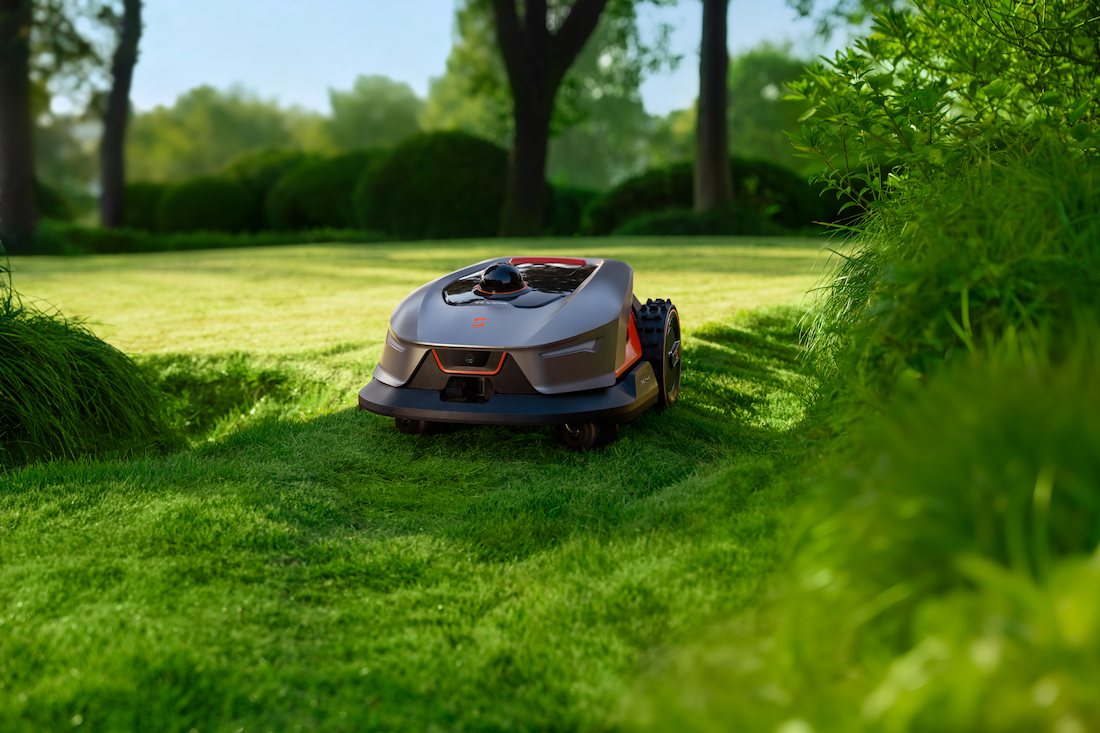
Moss usually appears where grass is already struggling. It spreads across weak areas and fills spaces that healthy turf should cover. Before you decide how to get rid of the moss in lawn areas, it helps to understand what the lawn is telling you.
Shade is one of the biggest causes. Grass needs light to build strong roots and thick blades. Under trees, beside fences, or near buildings, sunlight may only reach the lawn briefly. In those places, grass thins out while moss keeps growing.
Moisture is another common cause. Heavy clay soil, poor drainage, low spots, and too much watering can keep the lawn wet for too long. Compacted soil makes this worse because air and water cannot move well around the roots.
Low nutrients and poor soil balance can also lead to moss. If grass is hungry, cut too short, or stressed by acidic soil, it cannot compete. A soil test can show if the lawn needs feeding or lime. Without fixing these causes, moss treatment may only work briefly.
A small patch of moss in a quiet corner may not bother everyone. But if you want a healthy grass lawn, spreading moss should be removed before it takes over. It also shows that the lawn needs better growing conditions.
Moss forms a dense mat close to the soil. That mat can block light and reduce airflow around grass crowns. Over time, the lawn may feel soft, uneven, and thin. The weaker the grass becomes, the more room moss gets.
Remove moss when it keeps spreading, when bare patches are getting larger, or when the lawn feels spongy underfoot. It is especially important before overseeding because grass seed needs contact with soil. If moss covers the surface, new seed will struggle to root.
Treat the moss first, wait until it turns black or brown, and then rake it out. Raking thick, live moss can scatter pieces. After removal, repair the empty space with aeration, topdressing, and seed so grass can take back the area.
The best way to remove moss is to work in order. Treat the moss, clear it after it dies, then rebuild the lawn so grass can fill the space. Here are step-by-step instructions.
After raking, the lawn may look worse for a short time. Heavy moss often hides thin grass. Keep newly seeded areas lightly moist and limit foot traffic while the grass establishes. This repair stage turns mossy patches back into real lawn.
The safest choice is a moss treatment clearly labeled for lawns. Products for hard surfaces can damage turf or leave dead patches. A careful product choice helps you kill moss without harming the grass you want to keep.
Iron-based moss killers are common for lawns. They usually turn moss black, making it easier to see and remove. Lawn sand can also work, but it needs even application. Too much in one spot may stress the grass.
Avoid strong household fixes such as bleach, salt, or vinegar on the lawn. They may kill moss, but they can also harm grass and soil life. Dish soap is not a reliable lawn treatment either. If you want to know how to kill moss in lawn areas safely, a lawn-safe product is the better choice.
Apply treatment when the lawn is damp but not waterlogged. Avoid drought, frost, heavy rain, and extreme heat. After the moss dies, rake it out. Dead moss can still block grass seed and keep the lawn weak.
Prevention is about helping grass grow thicker than moss. Once you remove moss, the lawn needs better light, air, drainage, and mowing habits. If weak conditions stay, moss can return after the next wet season.
Start with mowing height. Grass cut too short loses strength. A steady mowing routine is healthier than cutting long grass very short. Slightly taller grass protects the soil and supports better roots.
Improve light and airflow where you can. Trim low branches, thin dense shrubs, and clear fallen leaves quickly. In deep shade, grass may never grow well, so shade-tolerant seed, mulch, or a planting bed may be more realistic.
Drainage matters too. Aerate compacted areas once or twice a year. Level low patches gradually with light topdressing. Water deeply only when the lawn needs it, because frequent surface moisture gives moss an advantage.
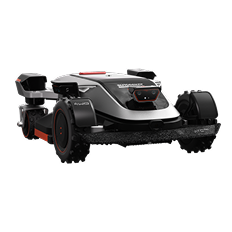
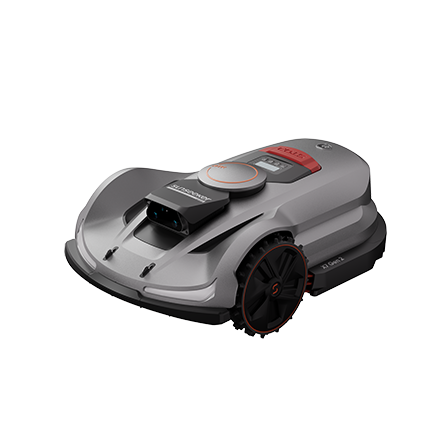
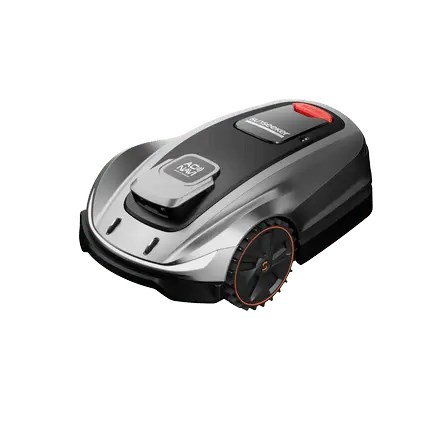
For ongoing mowing after moss removal, a robot lawn mower can help keep grass at a steady height with less manual effort. Regular, even mowing is useful because grass that is scalped or left too long between cuts can become weaker, giving moss more space to return. A model such as the Sunseeker Elite X4 can support this routine with wire-free setup, virtual boundaries, intelligent path planning, and obstacle avoidance for more complex lawn areas. It will not solve shade, poor drainage, or compacted soil on its own, but steady cutting can help newly reseeded grass grow denser and more even.
Feeding should be part of the routine. Use a seasonal lawn fertilizer. Test before adding lime. When soil, mowing, and moisture are managed together, moss has fewer chances to return.

Moss in a lawn is usually a sign that grass needs better conditions. Treat the moss, rake it out after it dies, aerate compacted soil, reseed bare patches, and improve shade, drainage, mowing, and feeding habits. The real goal is not just to remove moss once, but to build thicker grass that can compete naturally. With steady care, the lawn can stay healthier through wet and shaded seasons.
Treat heavy moss with a lawn-safe moss killer first, then wait until it turns black or brown. Rake or scarify the dead moss, aerate the soil, and reseed bare areas. Large moss patches often reveal thin grass underneath, so repair is just as important as removal.
Dawn dish soap may damage moss, but it is not the best choice for a lawn. A strong mix can also affect grass and soil life. A lawn-safe moss killer is more reliable. After treatment, rake out the dead moss and fix the damp or shaded conditions.
Spring and early fall are usually best because grass can recover well. Avoid removing moss during drought, frost, or extreme heat. After treatment and raking, reseed bare areas while growing conditions are mild so new grass can establish before moss returns.