




FAQs
7/16/2026
Contents
Products
Residential Lawns






Explore
Where to Buy


Brown patches, thinning grass, and unusual discoloration are signs of lawn fungus that require proper treatment. The best approach is to remove conditions that support fungal growth, use suitable treatments, and maintain healthy lawn care habits. Discover practical steps to eliminate fungus and prevent it from coming back.
These same damp, compacted areas can also favor moss. If the surface is soft and green with no fungal lesions or patch pattern, treating moss in your lawn requires moss removal and correction of the site conditions, not a fungicide program.
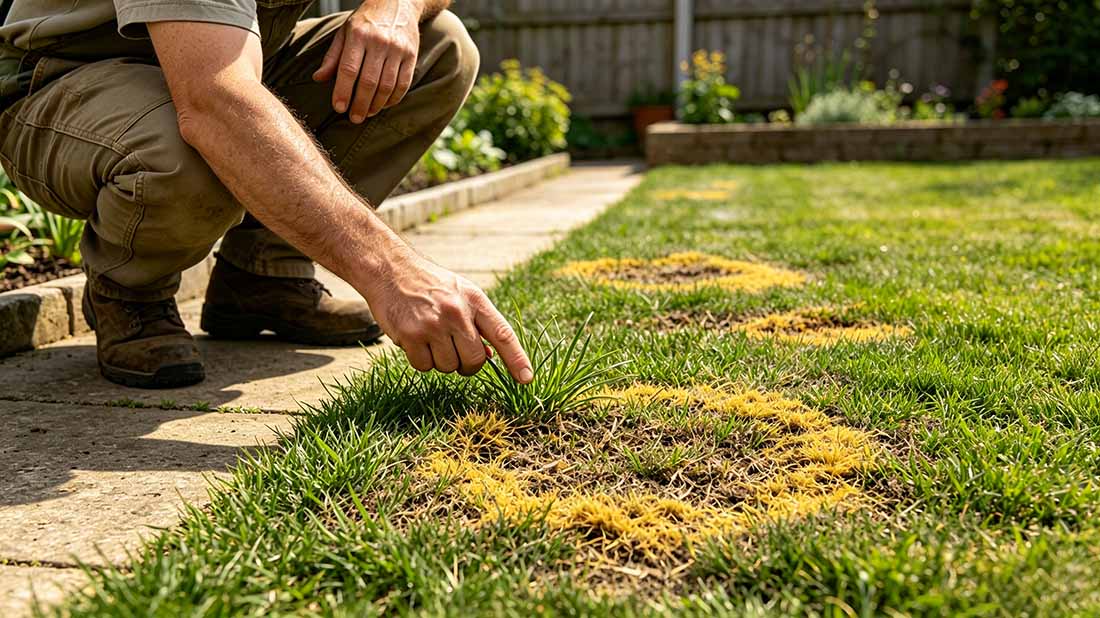
Before diving into how to remove fungus from the lawn, it’s crucial to correctly identify the problem. Lawn fungus can appear in different forms depending on the type of pathogen affecting your grass. While some infections create obvious discoloration, others slowly weaken the lawn by damaging roots and grass blades. You can look for these common signs of lawn fungus:
Lawn fungus does not usually appear randomly. These diseases develop when grass becomes stressed or when moisture remains trapped for long periods. Let’s check out the common causes:
Once you know how to identify lawn fungus and understand the causes behind it, you can take the right steps to treat fungus in your lawn effectively. We have concluded some effective methods, including natural solutions and professional fungicide applications.
Many homeowners prefer to treat lawn fungus naturally because they want to avoid harsh chemicals and support long-term lawn health. You can follow these steps to apply natural treatments effectively:
Step 1. Inspect and Prepare the Affected Area
Examine your lawn to confirm that the problem is a mild fungal infection. Lightly rake affected areas to remove dead grass, organic debris, and excess thatch. This allows sunlight to reach the soil surface and creates better conditions for recovery.
Step 2. Apply Natural Antifungal Solutions
Several natural treatments may help control and get rid of lawn fungus.
Neem Oil Spray: Mix 1-2 ounces of neem oil with 1 gallon of water and a few drops of mild dish soap. Apply evenly to affected areas every 7-14 days as needed.
Baking Soda or Potassium Bicarbonate: Mix 1 tablespoon per gallon of water and apply as a spray to help manage certain surface-level fungal issues.
Compost Tea: Apply compost tea as a soil drench to introduce beneficial microorganisms that compete with harmful pathogens and support healthier soil.
Step 3. Monitor Progress & Continue Maintenance
Natural treatments require consistency and patience. Continue monitoring affected areas and repeat applications when necessary. Mild cases may show improvement within 1-3 weeks. If the fungus continues spreading or causes significant damage, consider switching to a fungicide.
For widespread or persistent infections, a fungicide may be the fastest way to control lawn fungus. Follow these steps to treat lawn fungus with fungicide:
Step 1. Identify the Fungus and Select the Right Product
Different fungal diseases respond differently to treatment. Common active ingredients like propiconazole and azoxystrobin are effective against many lawn diseases. Products like BioAdvanced Fungus Control and Scotts DiseaseEX are also commonly used options for managing turf fungus.
Step 2. Prepare Your Lawn Before Application
Mow your lawn if needed, but avoid cutting it too short or stressing already damaged grass. Remove excessive clippings that may block treatment coverage. Apply fungicide during cooler parts of the day, for instance, early morning or evening, when conditions are more suitable.
Step 3. Apply Fungicide According to the Label
Use a pump sprayer for liquid products or a spreader for granular formulas. Follow the recommended application rate carefully to ensure effective coverage without damaging your lawn. Treat infected areas thoroughly and consider applying slightly beyond visible damage, as fungal growth may extend into surrounding grass.
Step 4. Water In When Required
Some fungicides need light watering after application to move the active ingredients into the soil and root zone. However, avoid heavy irrigation or rainfall immediately after treatment unless the product instructions specifically recommend it.
Step 5. Follow Safety and Reapplication Guidelines
Keep children and pets away from treated areas until the product has completely dried. Follow the recommended reapplication schedule, which is often every 14-30 days depending on the product and disease severity.
It’s not that challenging to treat fungus in your lawn as long as you follow the steps above. However, treatment only addresses the current problem; it does not always prevent future outbreaks. To keep lawn fungus from returning, it’s best to maintain a strong, healthy lawn that can naturally resist fungal diseases. Here are some useful tips.
Keep your grass at the recommended height for your turf type and use sharp mower blades to prevent unnecessary stress and damage. Avoid cutting more than one-third of the grass blade at a time.
Water your lawn thoroughly in the early morning rather than providing frequent shallow watering. This encourages deeper root growth while allowing grass blades to dry during the day.
Compacted soil and excessive thatch can trap moisture and limit airflow. Regular aeration and dethatching improve drainage, increase oxygen availability, and create healthier growing conditions.
Use soil test results to guide your fertilizer applications. Avoid over-fertilizing, especially with high nitrogen products. Keep in mind that excessive growth can make grass more vulnerable to certain fungal diseases.
Trim overgrown trees and shrubs to increase sunlight exposure and airflow. If your lawn has drainage issues, consider improving the soil structure or adding appropriate amendments to prevent water from pooling.
When planting or repairing your lawn, select grass types that are well-suited to your local climate and have better resistance to common lawn diseases.
Inspect your grass frequently for early signs of discoloration, thinning, or unusual growth. During high-risk seasons, apply preventive fungicides to help protect lawns that frequently experience fungal problems.
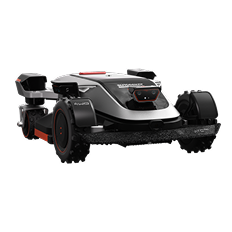
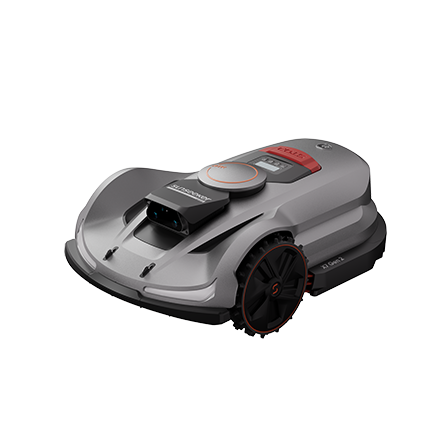
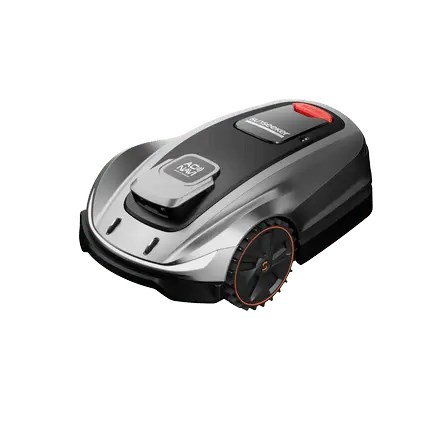
Proper lawn maintenance is your strongest defense against disease, which makes consistent mowing an essential part of fungus prevention. This is where GPS robot mowers offer a valuable advantage. These autonomous mowers cut frequently, removing only a small amount of grass with each pass. Regular mowing at the proper height helps maintain healthier turf, improves airflow between grass blades, and prevents overgrown areas from creating the damp, shaded conditions where fungi thrive.

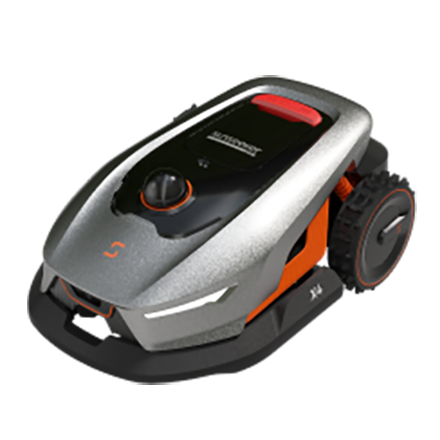
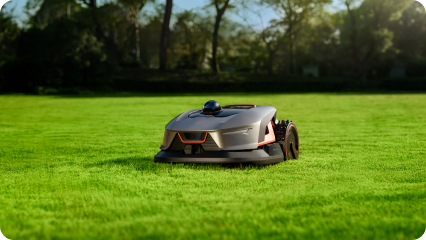
To achieve this level of lawn care effortlessly, the Sunseeker Elite X4 is an excellent choice. With a powerful floating cutting system, it adapts to uneven terrain and helps prevent scalping, which can stress grass and increase vulnerability to disease. Its adjustable cutting height allows you to maintain the ideal grass length for your turf type, while its sharp cutting blades deliver clean cuts that help reduce grass damage. The mulching blades finely chop clippings into small pieces that return nutrients to the soil, supporting healthier turf growth without excessive buildup. Simply put, Sunseeker Elite X4 is your best companion to create a stronger lawn environment that is less favorable for fungus development.
How do I get rid of fungus in my lawn? The key is to identify the type of fungus, correct the conditions that encourage its growth, and apply the right treatment. Meanwhile, a healthy lawn with strong, dense turf is one of the best ways to improve natural resistance against fungal diseases. If you want to keep your lawn well-maintained and healthy with less effort, consider Sunseeker’s robot mowers. They help maintain the ideal cutting height, provide consistent mowing, and support healthier turf growth through regular lawn care. Explore Sunseeker and keep your yard stronger and more resilient against future fungal problems!
The best treatment for lawn fungus depends on the type of fungus affecting your grass and the severity of the infection. Broad-spectrum fungicides containing active ingredients like azoxystrobin or propiconazole can provide effective control for many common lawn diseases. For the best results, accurately identify the specific disease before treatment or consult a local extension office for professional guidance.
Yes, grass can usually recover after a fungal infection if the problem is identified and treated promptly. Most lawn fungi affect grass blades rather than the roots or crown, allowing healthy new growth to replace damaged areas once the disease is controlled. However, severely affected patches may require overseeding or reseeding to restore full lawn density.
Lawn fungus usually does not disappear completely without intervention. While mild cases may improve when weather conditions change or lawn care practices improve, many fungal diseases can remain active and return under favorable conditions. To eliminate the problem, address the underlying causes, improve lawn maintenance, and apply appropriate treatments when necessary to prevent future outbreaks.