



FAQs
8/1/2026
Contents
Products
Residential Lawns



Explore
Where to Buy


To eliminate tall fescue, match the method to patch size. Dig out small clumps under dinner-plate size, removing the full root mass and crown. For larger tangled patches, use a nonselective glyphosate herbicide with a targeted applicator to protect nearby turf. After dieback, clear debris, level the soil, and reseed immediately with matching grass to prevent weeds from taking over.
You spot it after mowing: one dark, coarse clump sits higher than the rest of the lawn, and by the next cut it looks rough again. Tall fescue clumps are common in mixed lawns because they grow in bunches and do not blend into finer turf. This guide shows you how to confirm the grass, choose between digging and spot treatment, repair the bare soil, and keep new clumps from taking over.
How Can You Identify Tall Fescue Clumps?
Before you cut into the lawn, make sure the coarse patch is tall fescue and not crabgrass, orchard grass, or another weed grass. Use these practical signs to confirm the problem before you remove anything:
Can You Remove Tall Fescue Without Killing the Lawn?
Yes, if you isolate each clump and remove or kill it locally, then repair the spot right away. The safest approach is to match the removal method to the clump size. Use the guide below before deciding whether to dig, spot-treat, or renovate a larger area.
You can get rid of tall fescue without renovating the whole lawn, but expect small scars where the clumps were. Tall fescue is a grass, not a broadleaf weed, so most lawn-safe weed killers will not selectively remove it from Kentucky bluegrass, perennial ryegrass, fine fescue, or mixed cool-season turf. If a product kills tall fescue, it usually threatens desirable lawn grasses too.
For small clumps, digging is the cleanest answer. Remove the crown and roots, refill the hole, and reseed or patch. For larger or stubborn clumps, careful spot treatment with a nonselective herbicide is more realistic, but it will kill any green grass it touches. That is controlled damage, not failure.
How Do You Remove Tall Fescue Step by Step?
Removing unwanted tall fescue works best when each clump is clearly identified, fully removed, and repaired with grass that matches the surrounding lawn.
Inspect the lawn a few days after mowing, when tall fescue often stands 1–2 inches above finer turf. Mark every clump with flags or chalk, then cut a clear outline around it with a spade. When using herbicide, shield nearby grass with cardboard, plastic, or a bottomless bucket to prevent accidental contact.
For isolated patches, insert a sharp spade 2–3 inches beyond the visible edge and remove a plug about 4–6 inches deep. Lift out the crown and as much of the root mass as possible. Check loose soil for thick crown fragments or green shoots, since remaining live tissue may regrow. Bag the removed material and square the hole’s edges for easier repair.
Large clumps that are difficult to dig can be treated with a nonselective herbicide labeled for lawn renovation. Apply it only to actively growing fescue and follow the label for rate, protective equipment, weather limits, and reseeding interval.
A sponge, foam brush, or wick applicator provides better control than open spraying in tightly planted lawns. When spraying is necessary, use a shield, low pressure, and coarse droplets. Avoid windy conditions, expected rain, and scheduled irrigation. Allow roughly 7–14 days for the foliage to yellow and die before checking for surviving green growth.
Cut out the dead crown and remove the entire brown mat, which can prevent seed from reaching the soil. Loosen the ground underneath, break up clods, and refill any depression with clean topsoil. Firm the surface lightly so it sits level with the surrounding turf and will not become a low, easily scalped spot.
Choose seed that closely matches the existing lawn in species, texture, and color. Spread it over loosened soil, rake lightly so it remains no deeper than 1/4 inch, and press it into firm contact. A thin layer of clean compost, straw, or seed cover can reduce drying. For faster repair, install a matching sod patch cut precisely to fit the prepared hole.
How Do You Restore the Lawn After Removal?
A repaired patch will blend into the lawn only when the soil level, grass type, moisture, and mowing are managed correctly. Complete the following steps after removing the unwanted tall fescue.
Restore the grade: Add clean topsoil in thin layers, firming each layer until the surface sits level with the surrounding turf. Raised areas may be scalped, while depressions collect water and weed seed.
Match the existing grass: Choose the same species or a similar seed blend so the repaired area has a consistent color and texture. Seed cool-season lawns in early fall when possible; repair warm-season turf during active growth.
Create good seed contact: Loosen the upper soil, spread seed evenly, and rake it no deeper than 1/4 inch. Press the surface lightly to hold the seed in place.
Manage moisture carefully: Keep the top 1/2 inch of soil damp during germination, using light watering two or three times daily in dry weather. Reduce frequency and water more deeply after seedlings emerge.
Protect new growth: Limit traffic until seedlings have been mowed once or sod resists a gentle tug.
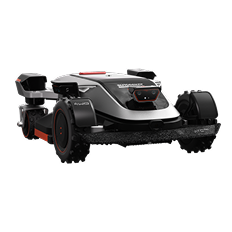
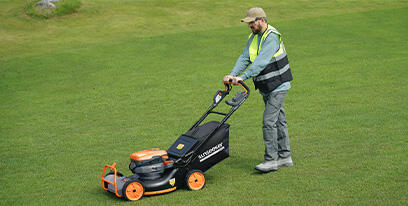
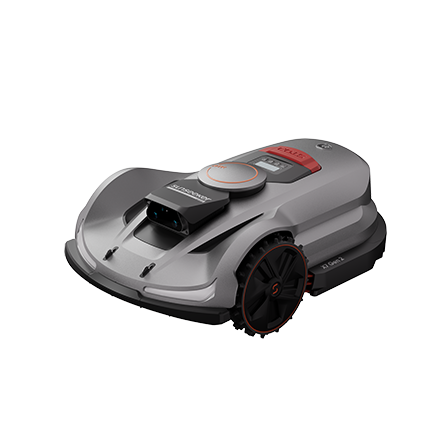
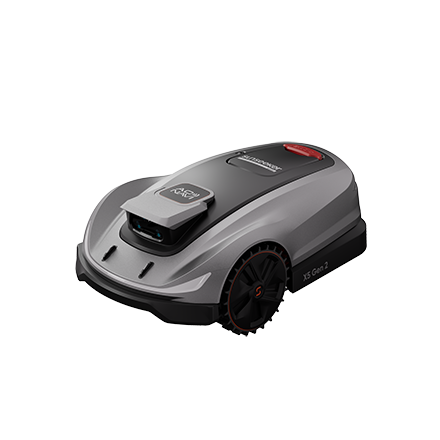
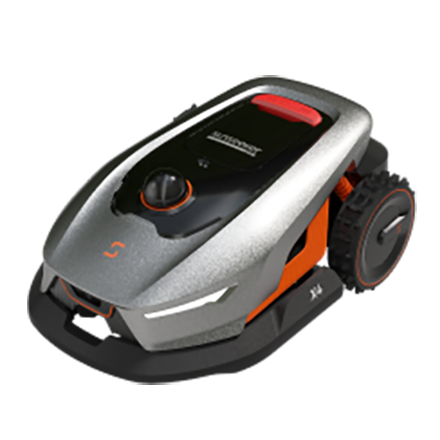
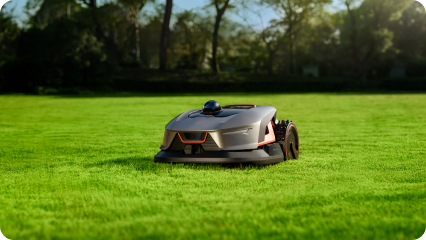
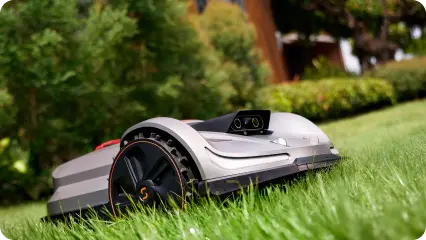
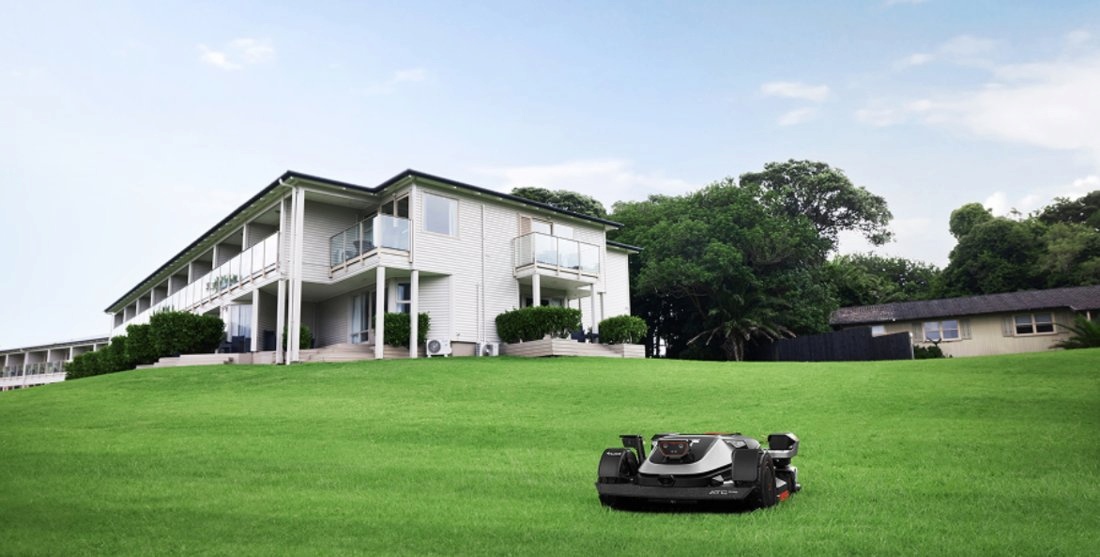
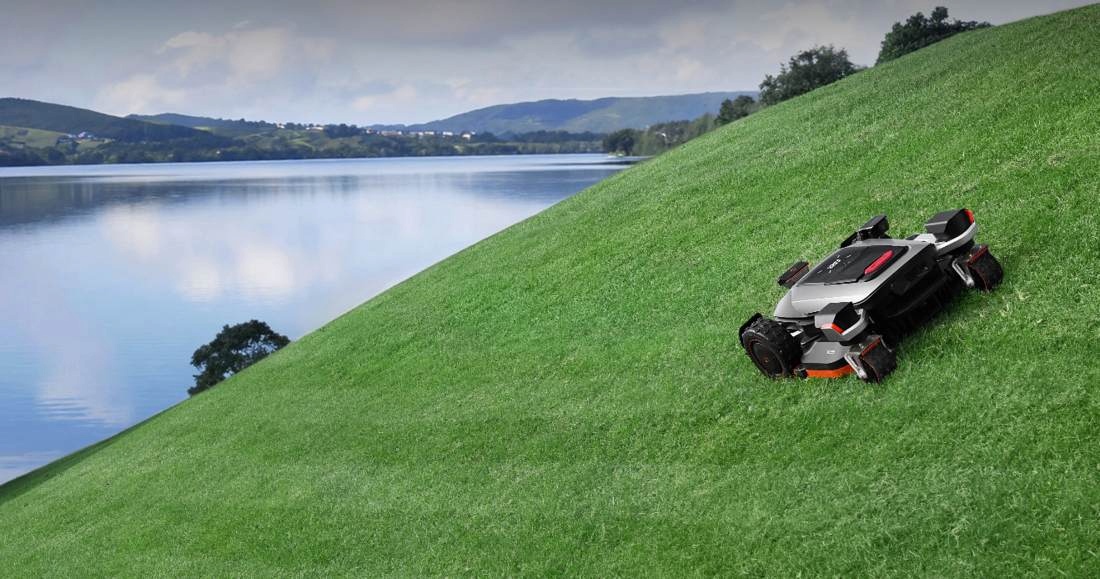
Resume regular mowing: Use sharp blades and avoid removing more than one-third of the grass height. Once established, robot lawn mowers can maintain the area with frequent light cuts that support even turf density.
How Can You Keep Tall Fescue From Coming Back?
Tall fescue is less likely to reappear when desirable turf remains dense and bare soil is repaired quickly. Focus on consistent mowing, suitable seed, balanced feeding, and early removal of new clumps.
Tall fescue removal works best when you match the method to the size of the problem: dig small clumps, spot-treat bigger ones, and repair the area before weeds move in. If you want the fix to last, time removal and reseeding around your lawn’s active growth period and keep the new patch evenly moist until it is established. Good mowing habits and regular checks matter as much as the initial removal.
A nonselective herbicide containing glyphosate can kill isolated tall fescue clumps, but it will also kill surrounding grass. Apply carefully to actively growing leaves, then reseed the spot after the label’s waiting period. In some warm-season lawns, selective products may be available, so confirm that both tall fescue and your turf species appear on the label.
Strong vinegar may burn tall fescue leaves, but household vinegar usually does not kill the crown or deep roots, so the grass often regrows. Higher-concentration horticultural vinegar can also injure nearby turf, skin, and eyes. It is less dependable than digging out small clumps or carefully applying a labeled systemic, nonselective herbicide.
Tall fescue may have entered through an old seed mixture, contaminated seed, overseeding, or seed carried from nearby lawns. Its coarse, bunch-forming growth becomes especially noticeable in finer turf such as Kentucky bluegrass. Clumps also expand where the surrounding lawn is thin because of shade, drought, compaction, or inadequate maintenance.
Tall fescue can produce viable seed if it is allowed to grow tall enough to form seed heads, but regular mowing usually prevents substantial self-seeding. Most existing clumps enlarge through tillering from the plant crown rather than spreading by runners. Removing seed heads limits new plants, but established clumps must be dug out or treated directly.