





FAQs
7/25/2026
Contents
Products
Residential Lawns








Explore
Where to Buy


The safest way to remove dandelions is to take out the taproot, treat only active weeds when needed, and rebuild thick turf so new seedlings have less room. Work during active growth, avoid harsh blanket treatments on stressed grass, and fill bare spots quickly.
A few yellow flowers can seem harmless in spring, then the lawn is suddenly full of seed heads and thin patches. Pulling off the tops looks tidy for a while, but the same weeds often return because the deep root stayed alive.
That is why many homeowners search for how to get rid of dandelions in lawn without damaging healthy grass. Dandelions are common, but they are manageable. The key is to identify the plant, choose the right removal method, time the work well, and build stronger turf after the weeds are gone.
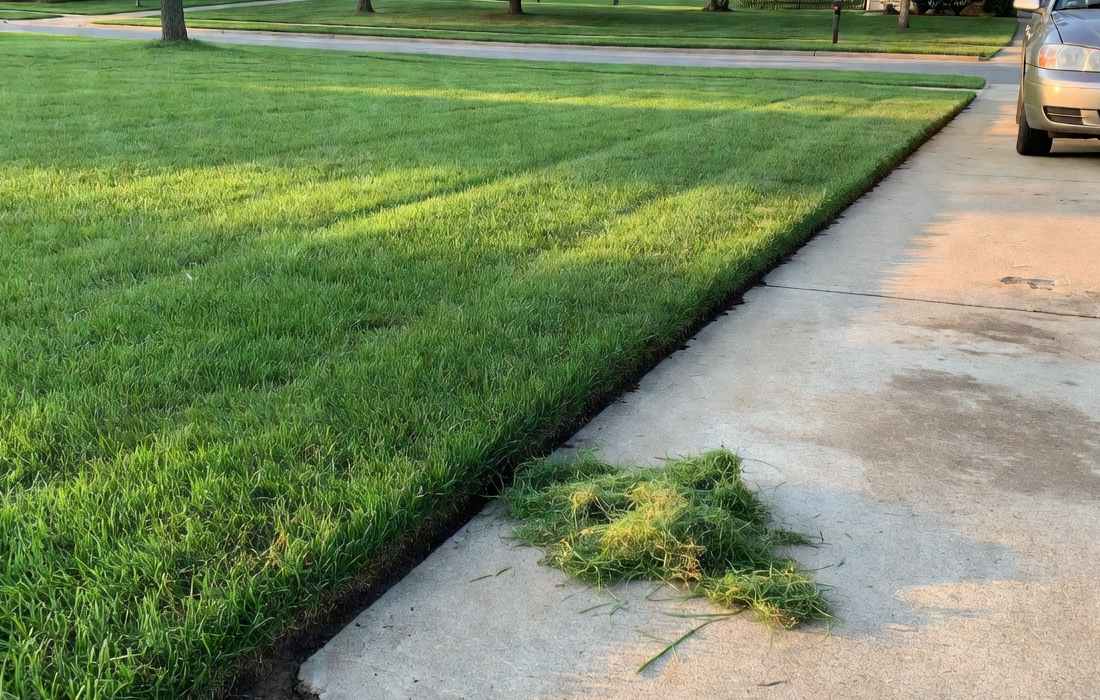
Dandelions move into lawns that give them light, space, and weak competition. They are not always a sign of neglect, but they often show that the turf has thin areas or soil conditions grass does not like.
The most common reason is open soil. Grass that is mowed too short, watered lightly every day, or worn down by traffic leaves gaps at the surface. Dandelion seeds land in those gaps, get enough sunlight, and grow fast. Keeping most lawns around 3 to 4 inches tall helps shade the soil and gives grass a stronger root system.
Compacted soil also gives dandelions an advantage. Their taproots can push into hard ground where lawn roots struggle. Low fertility, uneven watering, and bare edges near paths or driveways can add to the problem. For lasting control, treat the visible weeds and fix the lawn conditions that made room for them.
Before you treat the lawn, make sure the weed is a dandelion. Several weeds have yellow flowers, but dandelions have a clear shape and a root system that affects how you remove them.
Dandelions grow as a low rosette. The leaves spread from one central crown and have jagged, tooth-like edges. The yellow flower grows on a hollow, leafless stem. After flowering, it forms a round white seed head that can spread across the yard in wind.
The taproot is the important part. If the plant has heart-shaped waxy leaves and spreading rhizomes instead of a single taproot, use the approach for how to get rid of violets in lawn rather than treating it as a dandelion. A mature dandelion root is often 6 to 18 inches deep, and older plants can go deeper in loose soil. If the crown or a living root section remains, the plant may regrow. Small plants after rain are easiest to remove. Large plants need a weeding tool, a lawn-safe treatment, or repeated attention.
The best method depends on how many weeds you have and how healthy the grass is. For a few plants, hand removal is usually enough. For heavy patches, you may need spot treatment plus overseeding. The goal is to remove the weed without creating more open soil.
Hand pulling is the cleanest choice for scattered weeds. The main benefit is precision: you remove individual plants without spraying the lawn. The downside is that it takes time, and the weed can return if the root breaks.
1. Water the area deeply or work after rain, when soil is soft 4 to 6 inches down.
2. Push a dandelion puller or narrow weeding fork beside the crown.
3. Loosen the soil, then lift the plant from the base instead of pulling the leaves.
4. Remove visible root pieces and press the soil back into place.
5. Add soil and grass seed to larger holes so new weeds do not fill them.
A selective broadleaf weed killer can help when there are too many dandelions to pull. Its benefit is root control across a larger area. Its risk is grass injury if you choose the wrong product, spray in poor weather, or ignore the label.
Choose a product labeled for lawns and for your grass type. Spot spray individual rosettes when possible. Treat on a calm, dry day, ideally around 60 to 80°F, and avoid hot or drought-stressed grass. Do not spray right before heavy rain. Wait 7 to 14 days before judging results, because the root needs time to weaken.
Natural treatments can work on isolated weeds, but they are not automatically safe for lawns. Vinegar, boiling water, and salt mixtures can burn dandelion leaves, yet they can also brown nearby grass. They may not kill the full taproot.
Use these options only in places where grass damage is acceptable, such as gravel edges or cracks. Do not pour salt onto lawn soil. If you are asking what can I use to kill dandelions in my lawn without hurting turf, hand removal or a labeled selective product is usually safer than home mixtures.
A lawn full of dandelions needs more than quick spot work. The benefit of a planned repair approach is that it reduces weeds and strengthens the turf at the same time. The drawback is that results may take one full growing season.
1. Mow normally and bag seed heads if white puffs are present.
2. Pull or spot treat the largest plants first, especially those already flowering.
3. Rake dead material lightly after weeds decline, without tearing out healthy grass.
4. Aerate compacted soil if water pools or the ground feels hard.
5. Overseed thin areas during the right season for your grass type.
This is the better answer for homeowners asking how to rid lawn of dandelions when the problem has spread. You are not only killing weeds. You are closing the open spaces that invite the next round of seedlings.
Timing affects both weed control and grass safety. Dandelions are easiest to control when they are actively growing and the lawn is not stressed by heat, drought, or recent seeding.
Early spring is good for pulling young plants before they flower. The soil is often moist, and the rosettes are easy to see. Fall is often the stronger window for established plants because energy is moving down into the root. For many cool-season lawns, September to October works well while grass is still growing.
Avoid treatment during hot afternoons above 85°F, right before heavy rain, or right after mowing. If the lawn was recently seeded, wait until the new grass has been mowed several times and check the product label before using any herbicide.
Prevention is the part that saves work later. Dandelions need light and open soil. Those same open areas can also invite annual grassy weeds, so a separate plan for how to get rid of crabgrass in lawn may be needed when the invader is crabgrass rather than a broadleaf dandelion. Thick grass blocks both, so long-term control is really a lawn health routine.
Start with mowing height. Keep the lawn high enough to shade the soil, often around 3 to 4 inches for many home lawns. Water deeply instead of giving quick daily sprinkles. A common target is about 1 inch of water per week, including rain, adjusted for your soil and weather. Feed based on soil needs, and overseed bare areas before weeds claim them.
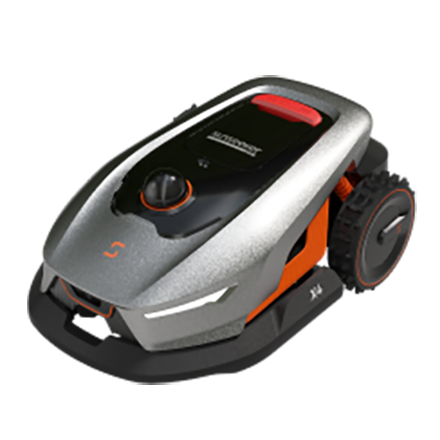
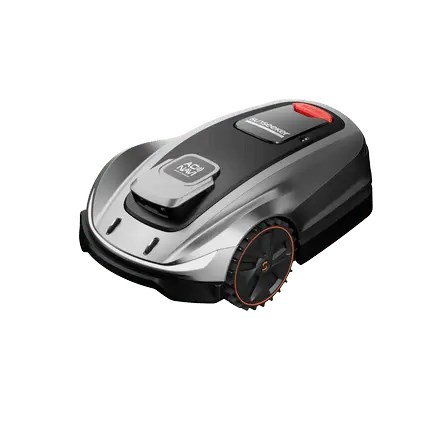
After active weeds are removed, regular mowing helps stop bare, open patches from inviting new seedlings. For large established lawns, Sunseeker Elite X9 Plus can support steady routine maintenance rather than one-time weed clearing. Its AONavi positioning, 360 degree OmniSight scene system, and intelligent path planning help it follow consistent mowing routes, and the X9 Plus is designed for larger areas listed at up to 6 acres within 48 hours.
Inspect the lawn weekly during spring. Removing five young dandelions is much easier than dealing with fifty seed heads later. Keep a small weeding tool nearby so quick removal becomes part of normal lawn care.

Most mistakes happen because the yellow flower gets all the attention. Good control depends on the root, the grass around it, and the bare soil left after removal.
If you have searched how kill dandelions in lawn and tried random quick fixes, slow down. A careful spot-by-spot plan protects healthy turf better than harsh blanket action.
Getting rid of dandelions is not just about killing yellow flowers. The best plan removes the taproot, treats only where needed, repairs thin turf, and changes the lawn habits that allowed weeds to spread. Pull young plants after rain, use lawn-safe products carefully, and reseed open spots quickly. Thick grass is your long-term defense. For ongoing care after cleanup, you can also explore Sunseeker Robot Lawn Mowers as part of a routine for an established lawn.
A selective broadleaf herbicide labeled for lawns can kill dandelions while leaving most lawn grasses unharmed, as long as it matches your grass type and is used exactly as directed. Hand removal is even more precise for scattered weeds. Avoid vinegar or salt across healthy turf.
Vinegar can burn dandelion leaves, especially on a sunny day, but it often does not kill the deep taproot. The plant may regrow after the top dies back. Vinegar can also brown nearby grass, so use it only where turf damage is acceptable.
For a lawn full of dandelions, combine weed control with repair. Remove or spot-treat active weeds, rake dead material, aerate compacted soil if needed, and overseed thin areas. Then mow higher, water deeply, and feed based on soil needs so grass fills open spaces.