





FAQs
7/25/2026
Contents
Products
Residential Lawns









Explore
Where to Buy


Most lawn problems can be fixed after you identify the cause, clear dead material, loosen compacted soil, reseed thin areas, and protect new growth with steady watering. Severe damage may need larger renovation, but many bare patches and brown areas recover with patient routine care.
A damaged lawn rarely appears overnight. One week the grass looks thin near the path, then a brown patch spreads after hot weather, or a pet spot turns into a bare circle. It is frustrating because many lawn problems look similar at first.
The good news is that you can repair many issues without replacing the whole yard. The key is to slow down, find the real cause, and follow the right order. Once you know how to fix lawn damage correctly, it becomes easier to repair a bad lawn and keep healthy grass growing.

Before you spread seed or buy a repair mix, look at why the lawn failed in that spot. A patch caused by compacted soil needs a different fix than a patch caused by drought, grubs, weeds, disease, or dog urine.
Compacted soil is one of the most common reasons grass becomes thin or patchy. Foot traffic, mower wheels, play areas, and clay-heavy soil can press the ground so tightly that roots cannot breathe or spread. Water may sit on top after rain, then run off instead of soaking in. Grass may also dry faster than nearby areas.
To test for compaction, push a screwdriver into the soil after watering. If it is hard to push down 3 to 4 inches, the soil likely needs opening. Core aeration works well for large areas. For a small patch, use a garden fork before adding compost and seed.
Brown grass is not always dead. Dormant grass often feels dry but still has firm crowns near the soil line. Truly dead patches are brittle, loose, and do not green up after steady moisture returns. Poor watering also weakens grass when the lawn gets short, frequent sprinkles that keep roots near the surface.
Most lawns need about 1 inch of water per week, including rainfall. New seed needs lighter, more frequent moisture until it germinates. After seedlings are established, water deeper and less often so roots move down into the soil.
Weeds often move into thin grass because open soil gives them room. Dandelions, crabgrass, clover, and broadleaf weeds may not cause the first problem, but they compete with recovering grass for light, water, and nutrients. If you want to know how to repair lawn areas full of weeds, control the weeds first, then reseed.
Pests and disease need closer checking. Grubs can loosen turf because they feed on roots, and affected grass may lift like a loose carpet. Fungal disease may show rings, spots, gray patches, or slimy areas after humid weather or overwatering. Treat the cause before you add new seed.
Paths to gates, play zones, and areas near patios often suffer because the grass is stepped on again and again. Pet urine can also create yellow or brown spots, often with a darker green ring around the edge. For traffic damage, add stepping stones, a mulch path, or a tougher grass mix. For pet spots, flush the area with water, rake out dead grass, and reseed once the soil is ready.
A strong repair follows a clear order: clean, loosen, improve, seed, water, and protect. Skipping soil preparation is the main reason quick patches fail. Use these steps for bare areas, thin spots, pet damage, and weak grass that still has room to recover.
Start by raking out dead blades, matted thatch, leaves, sticks, and loose weeds. The goal is to expose the soil surface so seed can touch the ground. Grass seed sitting on debris may dry out, wash away, or germinate with weak roots. For a small dead patch, use a hand rake. For larger damage, a thatch rake can speed up the work.
Do not dig deeper than needed. Remove the dead layer and loosen the surface, but keep healthy grass around the patch. If weeds are present, pull as much root as possible. If you use a lawn-safe weed killer, follow the label waiting period before seeding.
Loosen the top 2 to 3 inches of soil with a rake, hand cultivator, or garden fork. If the damage followed a fertilizer spill or another salt-heavy treatment, check how to fix lawn burn first and flush the soil before reseeding. This creates space for air, moisture, and roots. Break up large clumps, remove stones, and level low spots. If the soil is heavy clay or very poor, mix in screened compost about 1/4 to 1/2 inch deep.
Avoid burying the patch under thick compost or topsoil. Too much material can smother nearby grass and create a raised bump that scalps during mowing. If the area has been compacted for a long time, aerate first, then topdress lightly. This often helps when you need to know how to fix grass lawn areas that keep drying out.
Choose grass seed that matches your region and the light level in the yard. Cool-season lawns often use tall fescue, Kentucky bluegrass, perennial ryegrass, or blends. Warm-season lawns may need plugs, sod, or heat-tolerant seed. Read the label for sun or shade tolerance, germination time, and coverage rate.
Spread seed evenly over the loosened soil. The same preparation is useful for how to fix lawn bald spots, where exposed soil needs even seed coverage and firm seed-to-soil contact. Bare patches need enough seed to cover the surface lightly, but soil should still be visible. Too much seed creates weak seedlings that compete with each other. Rake seed into the top 1/8 inch of soil, then press it down with your foot, a board, or a lawn roller.
For larger repair zones, use a starter fertilizer only if the seed label or soil test recommends it. Keep fertilizer off hard surfaces, and avoid heavy nitrogen feeding on stressed grass during hot weather.
New seed must stay consistently moist, not soaked. Water lightly once or twice a day during dry weather so the top layer stays damp. In hot or windy weather, small bare patches may dry quickly and need closer attention. After germination, reduce frequency and increase depth so young roots grow stronger.
Keep people, pets, and mower wheels off the area while seedlings are small. Many grass types can be mowed for the first time at about 3 to 4 inches tall. Set the mower high and remove no more than one-third of the blade height. Sharp blades matter because dull blades pull weak seedlings.
Repair is only the first part. The lawn also needs a routine that helps new grass thicken, root well, and compete with weeds. These habits matter after you repair damaged lawn patches, because young grass is easier to stress than established turf.
Mow high enough for your grass type. Many cool-season lawns perform well at 3 to 4 inches, while some warm-season grasses are kept shorter. Never scalp a repaired area to tidy it up. Taller grass shades the soil, protects crowns, and helps roots develop. Use sharp blades, mow when the lawn is dry enough, and leave fine clippings when they are not clumped.
Feed based on growth, not panic. A soil test is the most reliable guide, but many lawns benefit from feeding during active growth. Water deeply, watch for weeds early, and keep leaves or heavy debris off new turf. If the same spot keeps failing, check shade, drainage, compaction, or traffic before adding more seed again.
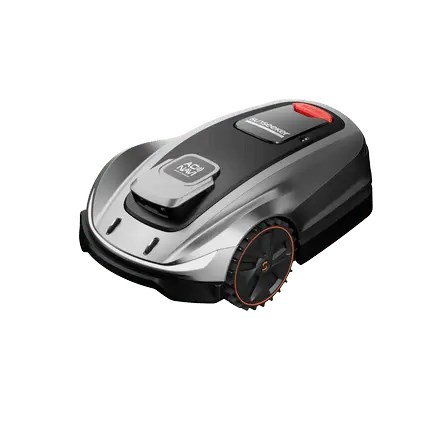
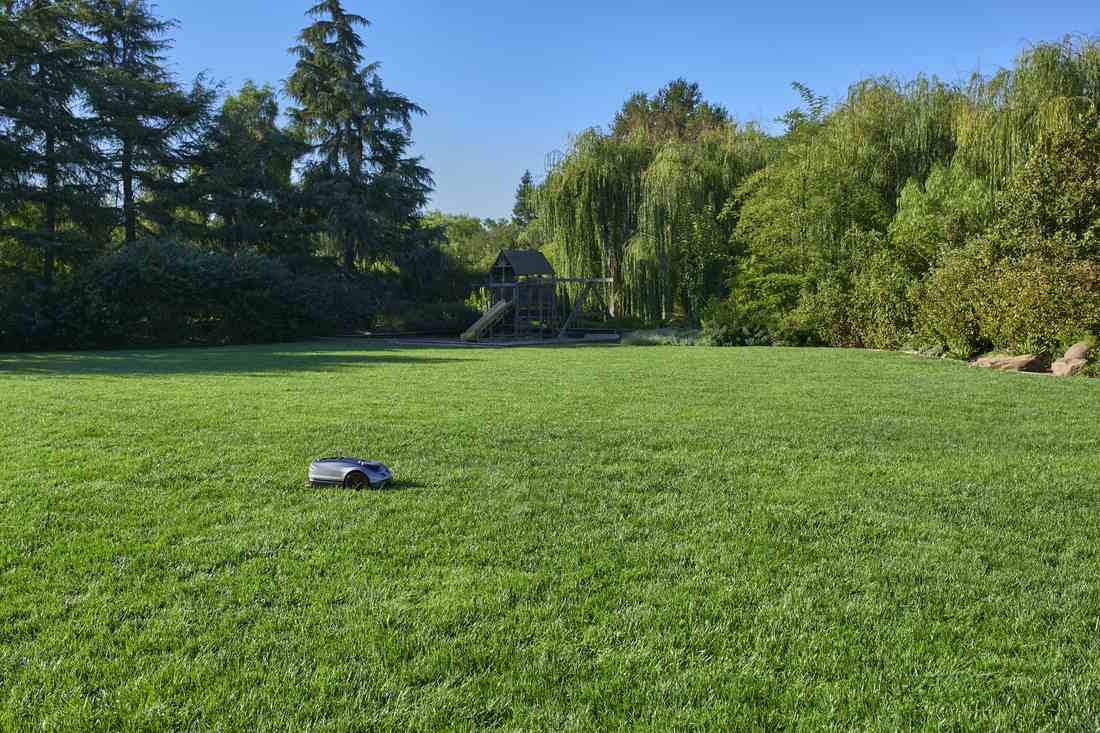
Once repaired areas have filled in and the lawn is back to routine maintenance, consistent mowing can help keep growth even. Sunseeker Elite X5 uses wire-free AI mapping and intelligent path planning to support regular cutting across mapped zones, which is useful for maintaining established grass after recovery.
Patching works well when most of the lawn is still healthy. Starting over may be smarter when damage covers a large area or the soil has deeper problems. The goal is not to do more work than needed; it is to choose the repair that will actually last.
Consider a larger renovation if more than half the lawn is bare, weedy, or made up of unwanted grass. You may also need to restart if the yard has major grading problems, standing water after normal rain, severe compaction, or thatch over 1/2 inch. In these cases, small patches may look better for a short time, then fail again.
A full renovation usually means removing weak turf, correcting soil and drainage, grading low spots, and reseeding or laying sod. If you are unsure how to fix a terrible lawn, compare repeated patching with one proper renovation. A lawn care professional can also check soil, drainage, and pest pressure before you decide.
Learning how to fix lawn problems starts with honest diagnosis. Remove dead material, loosen the soil, reseed carefully, and protect young growth with steady watering and light traffic. After recovery, good mowing, feeding, and watering habits keep the repair from fading. For long-term care, you can also explore Robot Lawn Mowers that support regular maintenance once the grass is healthy and established.
Start by finding the cause of the damage, such as compacted soil, drought, weeds, pests, or pet urine. Rake out dead grass, loosen the top 2 to 3 inches of soil, add a thin layer of compost if needed, spread suitable seed, press it into the soil, and keep it moist.
A brown patch can recover if the crowns and roots are still alive. If the grass is brittle, loose, and does not respond after steady watering, it is probably dead. In that case, remove the dead material, improve the soil, and reseed or patch the area instead of waiting.
The best time depends on your grass type. Cool-season lawns usually repair best in early fall or spring when soil is mild. Warm-season lawns repair best in late spring or early summer during active growth. Avoid seeding during extreme heat, drought, heavy rain, or right before hard frost.