






FAQs
6/18/2026
Contents
Products
Residential Lawns



Explore
Where to Buy


Many people switch to a mulching blade to avoid bagging grass clippings, but results can vary when the blade is worn, damaged, or incorrectly installed. Factors such as blade condition, mower compatibility, and routine upkeep often have a greater impact than the blade type itself. Understanding fixes to common issues helps create finer clippings and cleaner mowing results.
The lawn mower mulching blade can do more than cut and discharge grass clippings. It chops clippings into smaller pieces that can decompose on the lawn and return nutrients to the soil. This guide explains how mulching lawn mower blades work, how they differ from regular blades, when it makes sense to use one, and how to choose the right model for your mower. You’ll also learn about common mulching blade problems and practical ways to solve them. Read on to master your lawn care setup.
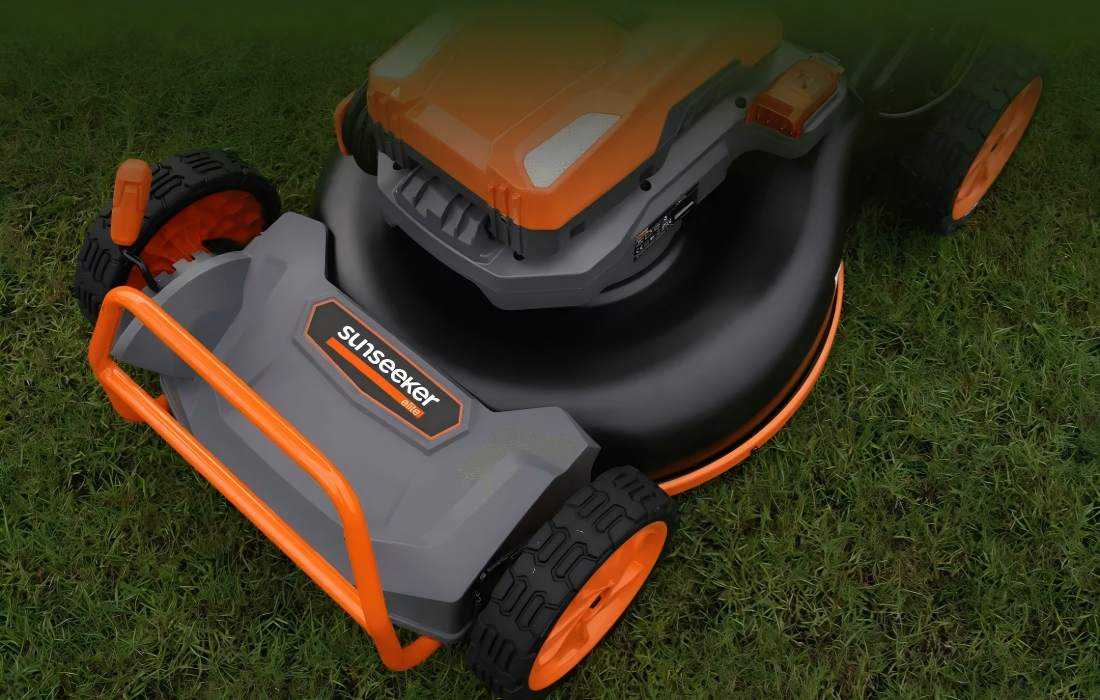
The mulch blade for lawn mowers is designed to cut grass multiple times before the clippings leave the mower deck. Unlike standard blades, mulching mower blades typically feature a curved profile with additional cutting surfaces, serrations, or raised fins. These design elements create stronger airflow inside the deck. Instead of immediately ejecting grass clippings, the blade keeps them circulating beneath the deck and repeatedly cuts them into finer pieces.
The resulting clippings are small enough to settle into the lawn canopy, where they break down naturally and return nutrients such as nitrogen to the soil. Besides reducing visible grass waste, mulching lawn mower blades can also help limit the need for bagging and disposal after mowing.
Many homeowners wonder whether a lawn mower mulch blade offers meaningful advantages over a standard blade. Both blade types can produce clean cuts when properly maintained. The difference lies in how they handle grass after cutting.
A regular blade is designed primarily for cutting and discharging grass. Its shape creates airflow that lifts grass upright before cutting and then pushes clippings toward the discharge chute. This design works well when collecting grass with a bagger or when side discharge is preferred.
A mulching mower blade uses a different approach. Additional curves, cutting edges, and airflow channels keep clippings suspended beneath the mower deck for longer. As the blade continues rotating, the clippings are cut into smaller pieces before being deposited back onto the lawn.
Below is a summary of their key differences.
|
Feature |
Mulching Blade |
Regular Blade |
|
Primary Purpose |
Mulch and recycle clippings |
Cut and discharge clippings |
|
Blade Shape |
Curved with extra cutting |
Simpler straight profile |
|
Clipping Size |
surfaces |
Larger clippings |
|
Lawn Cleanup |
Fine particles |
More visible debris |
|
Nutrient Recycling |
Less cleanup required |
Removes nutrients with clippings |
Mulching blades for mowers generally perform best when mowing dry grass and removing only a portion of the grass height. They may be a good choice when:
Not all mulch blades for lawn mowers are interchangeable. Selecting the correct blade involves more than matching the mower brand. Consider the following factors before purchasing.
Even well-designed mulching mower blades can develop issues over time. Understanding common problems makes troubleshooting easier and helps maintain consistent mowing performance.
One common sign of wear is larger grass clippings appearing on the lawn after mowing. The mulch blade lawn mower may still cut grass adequately, but the mulching effect becomes less effective. The raised fins or mulching teeth gradually wear down through normal use. Once these features lose their shape, airflow inside the deck decreases, and clippings are no longer recut efficiently.
Fix: Inspect the blade regularly. If the mulching fins show significant wear, replacement is usually more effective than sharpening alone.
Mulching mower blades rely on their curved surfaces and fins to generate airflow. Installing the blade upside down disrupts this airflow pattern and prevents proper clipping circulation.
Fix: Remove the blade and reinstall it according to the manufacturer’s orientation markings. Most blades are stamped with indicators showing the correct installation direction.
Standard blades only require sharpening on the outer two to three inches. However, the mulching configuration relies on an extended cutting edge that runs deep toward the center. If you only sharpen the tips, the inner edge remains dull and fails to chop the falling clippings, leaving long strands on your lawn.
Fix: When maintenance is required, use a contour file or specialized grinder to sharpen the entire length of the extended edge. Follow the factory angle from the outer tip directly to the inner curve.
Even the best mulching lawn mower will perform poorly with an incompatible blade, so verify the corr
Fix: Avoid mowing when morning dew or recent rain leaves the turf wet. Clean the blade and mower deck after each use. Removing packed grass restores airflow and improves mulching performance.
Striking rocks, roots, or hidden debris can bend a mulching blade. A bent blade often causes vibration, uneven cutting, and increased stress on mower components such as bearings and spindles.
Fix: Inspect the blade after any significant impact. If any variance exceeds 1/16 of an inch, discard the blade to protect your engine shaft.
A loose mounting bolt can create vibration and inconsistent cutting results. Over time, vibration may worsen and potentially damage mower components.
Fix: Never reuse a stretched or rusted center bolt. Use a calibrated torque wrench to tighten the mounting bolt to the exact specifications outlined in your manual.
Mulching works best when clippings are short, light, and evenly spread back into the lawn. The problem is that manual mowing does not always stay that consistent. Weather, busy weeks, or uneven mowing habits can make clipping size less predictable, which may lead to clumps, deck buildup, and a rougher finish.
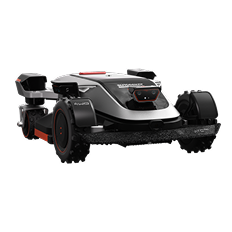
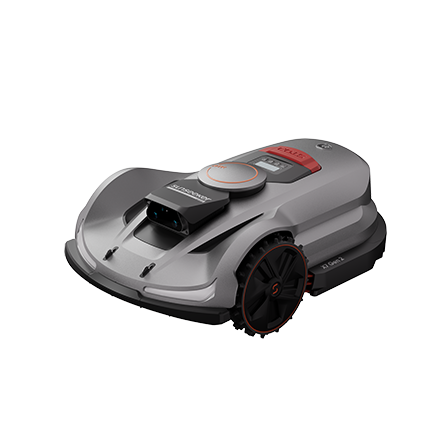
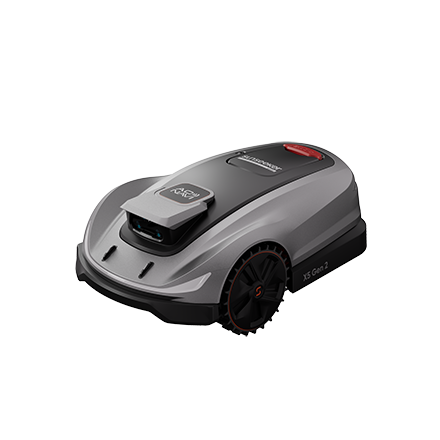
A robot mower with mulching blades supports this regular light-trimming routine, producing smaller clippings before they become heavy enough to clump. For larger lawns that need more consistent upkeep, the Sunseeker Elite X9 brings in a few useful advantages. Its scheduled mowing keeps the lawn trimmed before clippings become heavy, while the wide dual floating cutting discs help maintain an even cut across broader areas. The Cut Before Turn design also helps reduce missed corners and rough turning marks, so the finish looks cleaner after each cycle. With all-wheel drive and strong slope handling, it can keep this routine going across more demanding lawns, making mulching smoother and more consistent over time.
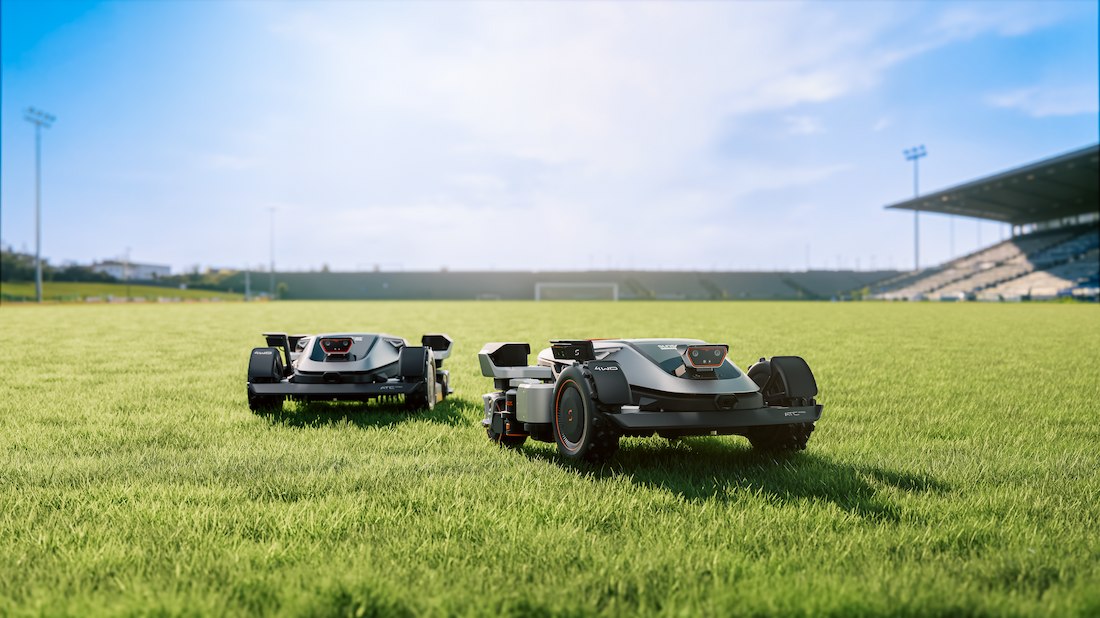
A lawn mower mulching blade can improve lawn appearance while reducing grass waste and returning nutrients to the soil. The blog explores everything about choosing and maintaining lawn mower mulching blades. You can refer to it for consistent mowing results throughout the season. If you want the organic benefits of mulching without the physical hassle of blade care, a smart robotic solution like the Sunseeker Elite X9 is worth trying. Upgrade now to experience the hands-free maintenance of your equipment and lawn!
Mulching blades are a practical option when grass clippings are left on the lawn and mowing is performed regularly. They help cut clippings into smaller pieces that decompose faster and return nutrients to the soil. However, avoid them if you regularly cut wet, tall, or overgrown grass.
It depends on your needs. Regular blades provide a cleaner, more precise single cut for tall or overgrown grass because they create higher lift. Mulching blades cut better only if your goal is to reduce dry clippings into tiny pieces through repeated recirculation inside the deck.
Mulching systems may struggle with wet grass, heavy overgrowth, or clogged mower decks. Mulching blades also require regular inspection because worn fins and airflow surfaces can reduce performance. In some situations, bagging or side discharge may handle large grass volumes more effectively.