Best for Large Yards: Husqvarna HU800AWDH
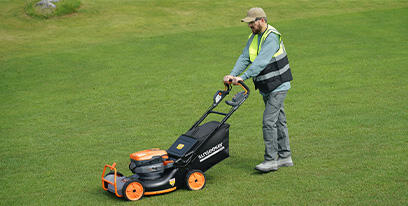
Many mowers struggle on steep grades and uneven terrain. Husqvarna's all-wheel drive design allows all four wheels to receive power from the engine, giving Husqvarna mowers superior traction and power over the majority of rear wheel drive mowers. Husqvarna's superior all-wheel drive capabilities will make mowing ½ acre or more of land less tiring than would any of the other two-wheel drive mowers featured in this article. Husqvarna mowers also feature large rear wheels measuring 11 inches that work seamlessly on rough terrain and steep grades.
Best Budget: Craftsman M215
Craftsman offers a variety of low-priced lawnmowers, and the M215 is a solid entry-level choice for homeowners who have an average-sized suburban lawn measuring less than 1/4 acre. The M215 provides you with the ability to choose how to use your mower by options of mulching, bagging, or side discharging cut grass. It is capable of providing satisfactory results for mulching regularly maintained yards of dry cut grass.
What Should You Consider When Choosing a Mulching Lawn Mower?
When selecting the best mower mulcher, you should use certain criteria to narrow your search. If you do this prior to purchasing your new mower then you can be sure that the mower you select will work properly for your yard size, terrain type, and budget.
Deck Size
When you’re mowing properties less than 1/4 acre in size, a 20–21-inch mower deck is sufficient. For larger properties, a deck at least 22 inches wide is best — every extra inch of cutting width saves meaningful time over the course of a season.
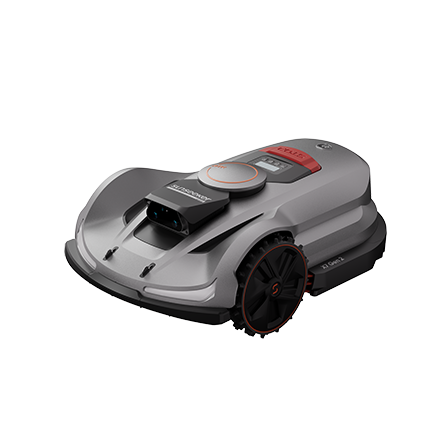
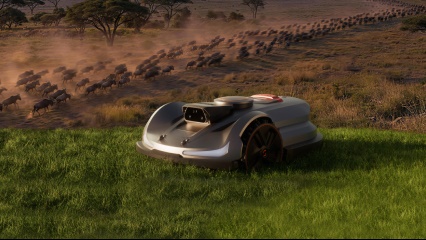
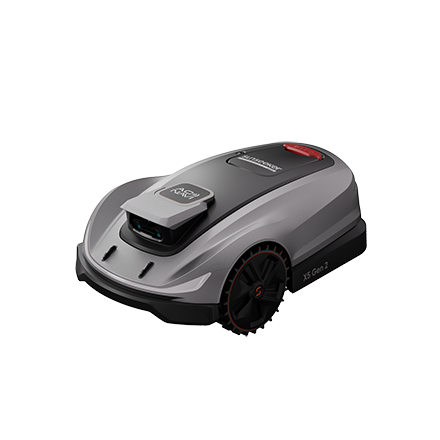
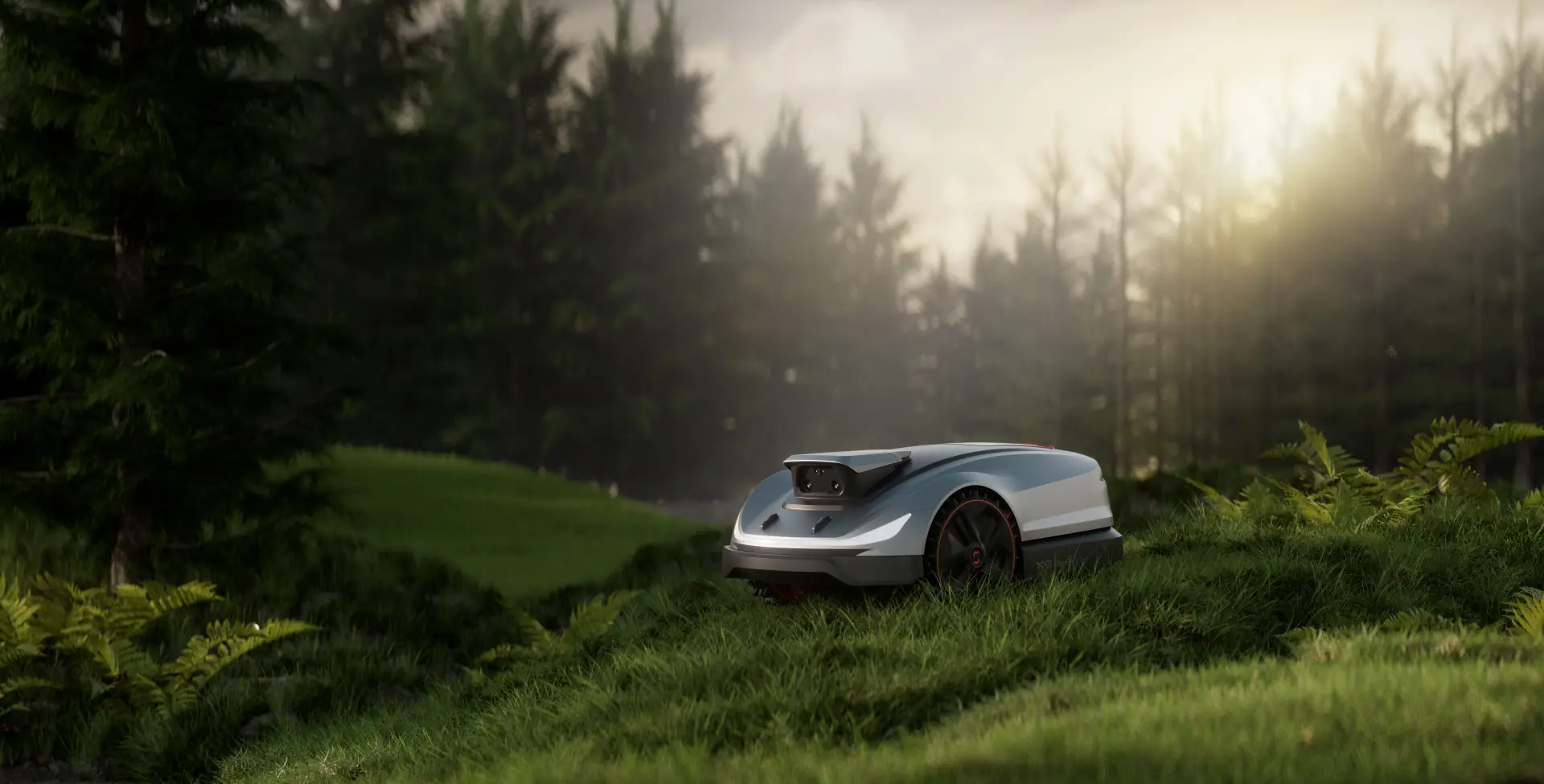
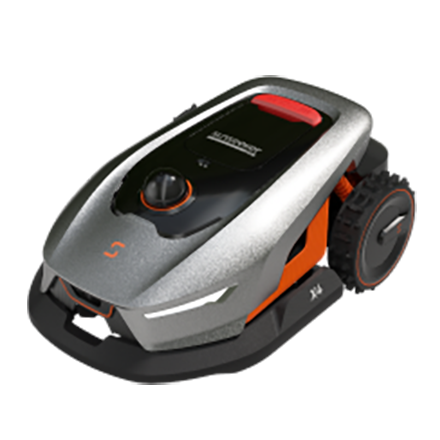
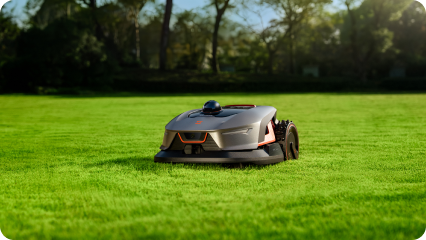
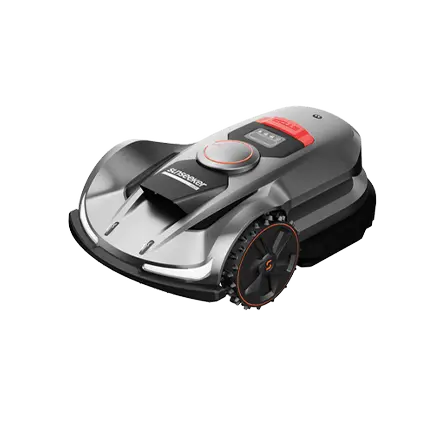
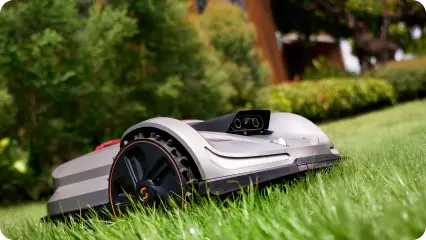
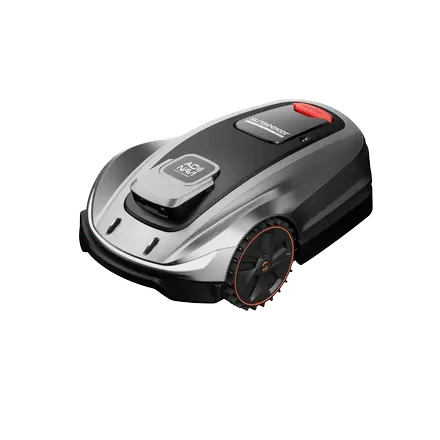
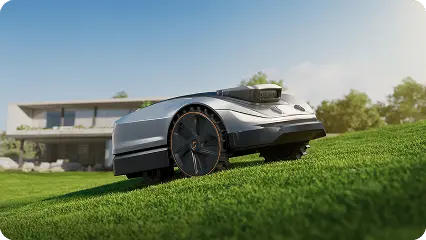
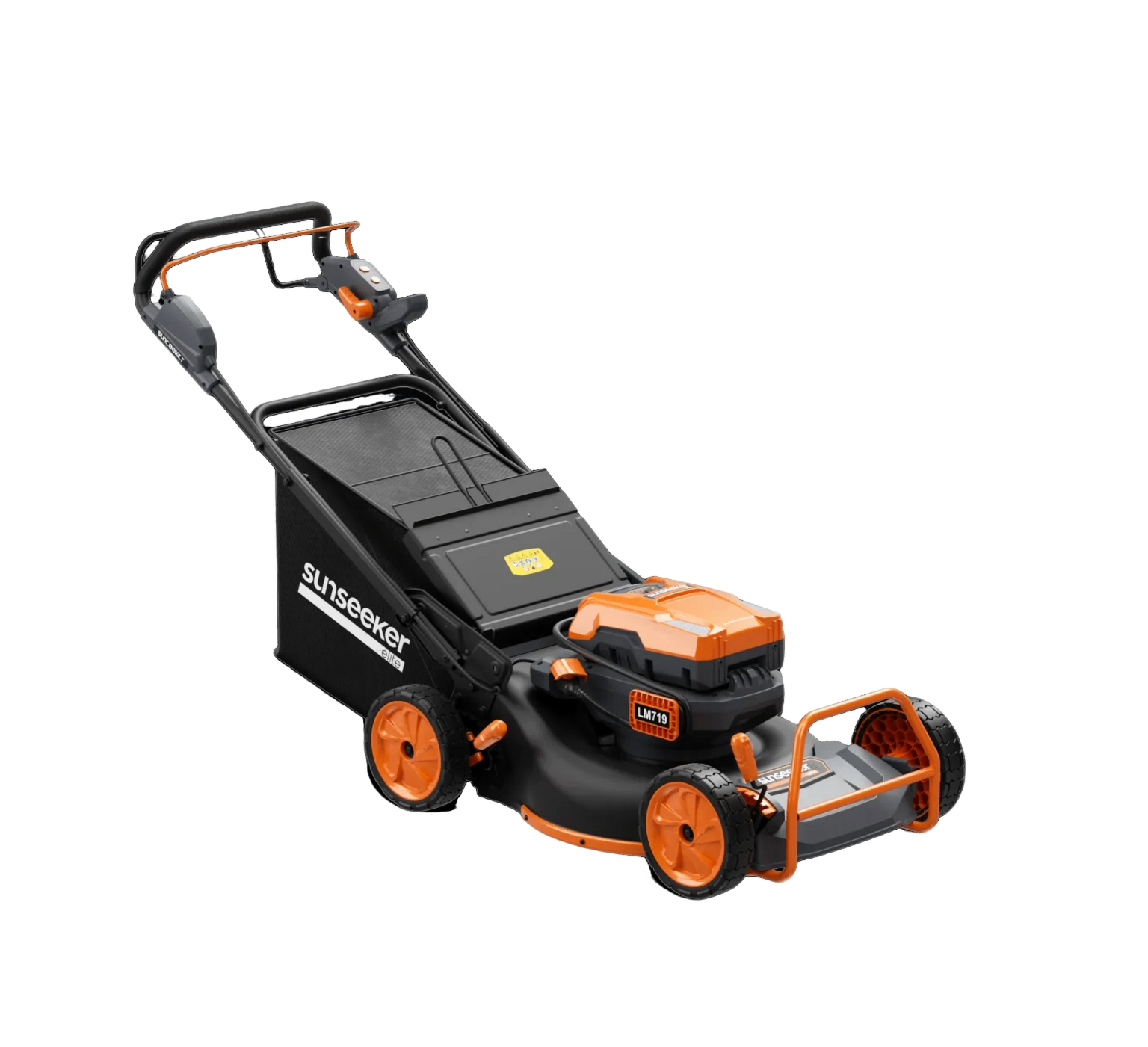
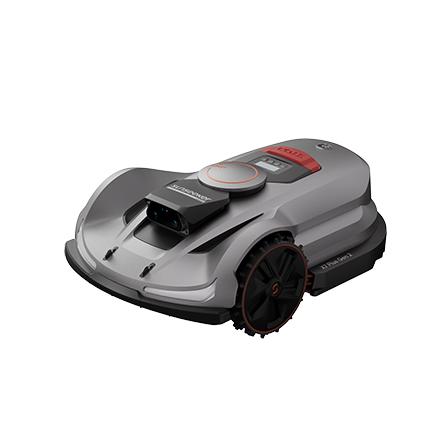
The Sunseeker Elite X7 Plus Gen 2 of models can mow lawns up to 1.5 acres using the latest in GPS RTK technology and a duel disc cutting blade, continuously mulching your grass without having to do manual work.
Power Source & Drive Type
Gasoline engines have the greatest runtime and power to deal with thick, overgrown grass, while battery-operated mowers are quieter, require less maintenance and have become increasingly competitive. However, make sure the battery has enough capacity to mow your entire lawn on a single charge. Corded electric mowers are the least expensive option, but will limit you to approximately 100 feet from an electrical outlet.
As for the drive type, push mowers work well on flat land; however, self-propelled (rear wheel drive) is a good option for sloping ground that has inclines of 10 degrees or more.
Height Adjustment
A mower that has a single lever that adjusts all four-wheel heights simultaneously is much better than having to individually adjust each wheel height. This is important to confirm before making a purchase.
Conclusion
The best mulching lawn mower is a high-quality mulching mower, which allows you to recycle the nutrients in your lawn, reduce fertilizer costs, and create healthier turf. Your choice of best rated mulching lawn mower will depend on your lawn area, landscape, and budget. Carefully considering these factors will ensure your mower is a sound investment for years to come.
FAQs
Are mulching lawn mowers any good?
Yes. Regular mulching of grass provides as much as 25% of nitrogen for lawns each year; therefore, mulching can reduce or eliminate your dependency on synthetic fertilizers. Mulching grass at the proper height and on a regular schedule provides the most benefits. When grass becomes overgrown, you will produce clumped clippings instead of fine mulch.
Do you have to mow slower when mulching?
Generally, yes. If you mow too fast, especially with wet grass or really thick grass, the clippings will clog up. Ideally, you should reduce your speed by about 10% to 15% from the speed you are used to with side-discharging to allow the mower time to work its magic and give you the best-looking mulch.
When not to mulch your lawn?
When the lawn is severely overgrown, removing more than 1/3 of the blade height at once produces too much clipping volume for mulching to handle cleanly; mow it down in stages. If your lawn has an active fungal disease, mulching can spread disease-carrying tissue back into the turf and worsen the outbreak. In those cases, bag the clippings and dispose of them away from the lawn.