









Most homeowners stop mowing when the grass looks like it's stopped growing. That's not always the right call. When to stop mowing the lawn depends on what's happening at soil level, not just what you can see on the surface. Getting this wrong can affect how well your lawn comes back in spring.

When Should You Stop Mowing Your Lawn Before Winter and Why?
The general rule is simple: keep mowing as long as the grass is still growing. For most cool-season grasses like Kentucky bluegrass, tall fescue, and ryegrass, that can mean mowing well into October and sometimes November. If you're looking for a rough timeframe, stopping about one to two weeks before the first expected frost in your area is a reasonable target for most lawns.
That said, soil temperature is a more reliable signal than the calendar. When it drops below 50°F, grass growth slows sharply and stops almost entirely around 40°F. Mowing after that point stresses the plant when it's least able to recover and can damage crowns that are already entering dormancy.
What Are the Key Signs It's Time to Stop Mowing?
Rather than picking a date and sticking to it, watching the lawn itself gives you a more accurate read. The signs below tell you when when should you stop mowing your lawn is getting close.
- Growth has slowed noticeably. If you're mowing less than once every two weeks and the grass still isn't looking overgrown, growth is winding down.
- Soil temperature is dropping. When soil temp falls below 50°F, cool-season grass growth slows sharply. A basic soil thermometer makes this easy to track.
- Morning frost is appearing regularly. Occasional frost doesn't mean mowing is over, but consistent overnight frost signals the grass is entering dormancy.
- The grass feels soft and limp in the morning. Frost-covered or wet grass shouldn't be mowed. The blades tear rather than cut cleanly, which stresses the plant.
On top of watching these signs, some conditions are best avoided regardless of where the season is at. When not to mow lawn: skip frosty mornings, waterlogged ground after heavy rain, and any time the mower would compact soil that's already soft from autumn moisture.
What Factors Influence Your Final Mowing Date?
Even with the signs above as a guide, when stop mowing lawn isn't the same answer for every yard. A few variables can shift the timing by several weeks in either direction.
Grass type. Cool-season grasses stay active longer into fall than warm-season varieties. Bermuda grass and zoysia go dormant earlier, often by mid-October, while tall fescue may still be growing in November.
Climate and region. In the northern areas, the last mow often happens in October. In the South and transition zones, how late can you mow your lawn in the fall can stretch into December for warm-season grasses. If you're wondering what is the best time to mow lawn in late fall, choose a dry day after the morning dew has evaporated and before temperatures drop sharply.
Rainfall and shade. A wet autumn keeps grass growing longer. Shaded areas also stay greener longer than exposed sunny patches, so different parts of the yard may wind down at different times.
Lawn health. A well-fertilized lawn, especially one that received a fall nitrogen application, stays active longer than a nutrient-depleted one.
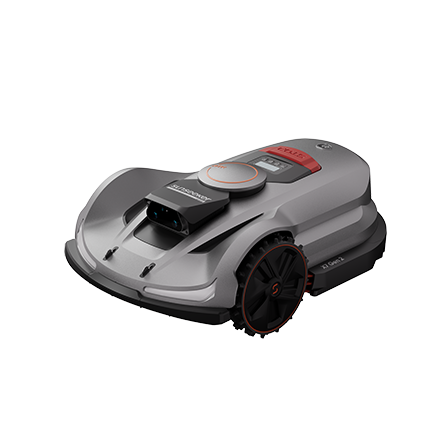
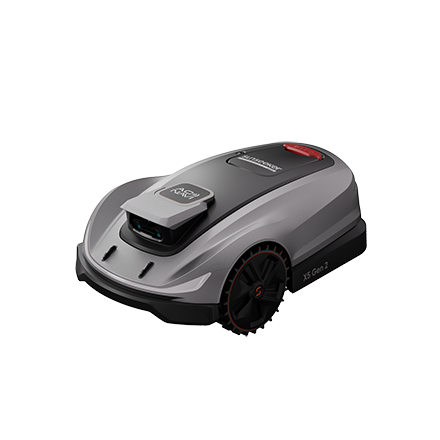
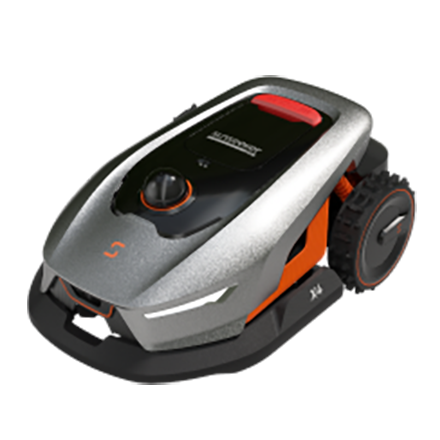
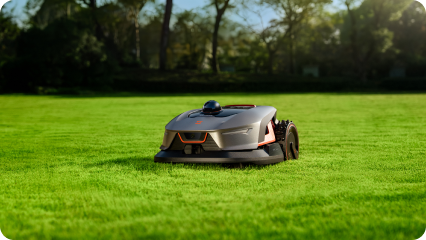
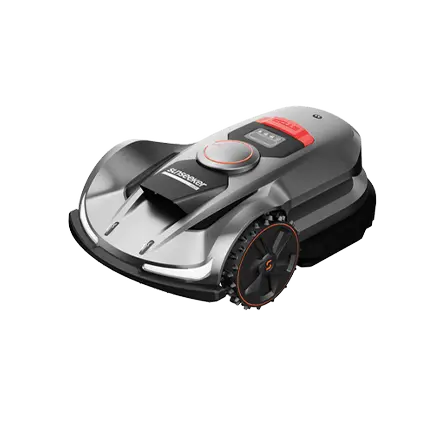
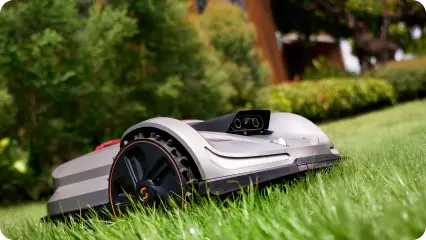
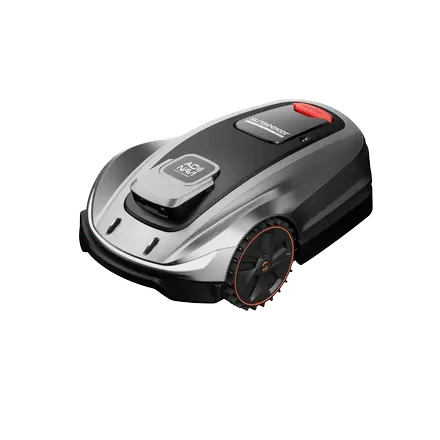
All of these variables shift the timing in ways that can be hard to predict week to week. The Sunseeker Elite X5 takes a lot of that management off your plate. It maps your lawn automatically using AONavi™, which combines RTK-GNSS satellite positioning and VSLAM visual technology for inch-level precision accuracy. Vision AI handles obstacle detection, and an independent front suspension keeps it stable across uneven ground. Set a schedule in the app and it mows on its own, covering yards up to about 0.5 acre.